
Intra Aortic Balloon Pump for Cardiogenic Shock: Powerful Aid

**Quick Summary:** An intra-aortic balloon pump (IABP) is a device used in cases of cardiogenic shock to help the heart pump blood more effectively. It’s a temporary measure involving a balloon inserted into the aorta that inflates and deflates in sync with the heartbeat, increasing blood flow and reducing the heart’s workload. This buys time for other treatments to take effect or for the heart to recover.
Cardiogenic shock – it’s a scary term, and it means the heart isn’t pumping enough blood to meet the body’s needs. When this happens, doctors sometimes use a device called an intra-aortic balloon pump, or IABP, to help. It might sound complicated, but the basic idea is to give the heart a bit of a break and improve blood flow. If you’re dealing with this situation, understanding the IABP can be really helpful. In this guide, we’ll break down what an IABP is, how it works, what to expect, and answer some common questions. Let’s get started and make sense of this important medical device.
What is Cardiogenic Shock?

Cardiogenic shock occurs when your heart can’t pump enough blood to meet your body’s needs. This often happens after a severe heart attack, but it can also result from other heart conditions. When the heart’s pumping ability is severely compromised, it leads to a cascade of problems affecting major organs. Imagine your heart as the engine of a car; if the engine fails, the car won’t run properly. Similarly, when your heart fails, your body doesn’t get the oxygen and nutrients it needs.
Causes of Cardiogenic Shock
Several factors can lead to cardiogenic shock, including:
- Heart Attack: This is the most common cause. Damage to the heart muscle reduces its ability to pump blood effectively.
- Heart Failure: Chronic heart failure can worsen suddenly, leading to cardiogenic shock.
- Myocarditis: Inflammation of the heart muscle can impair its function.
- Valve Problems: Issues with heart valves, such as severe stenosis or regurgitation, can lead to cardiogenic shock.
- Arrhythmias: Irregular heart rhythms can reduce the heart’s pumping effectiveness.
Symptoms of Cardiogenic Shock
Recognizing the symptoms of cardiogenic shock is crucial for timely intervention. Common symptoms include:
- Rapid heartbeat
- Shortness of breath
- Weak pulse
- Low blood pressure
- Sweating
- Confusion or loss of consciousness
- Cold hands and feet
What is an Intra-Aortic Balloon Pump (IABP)?

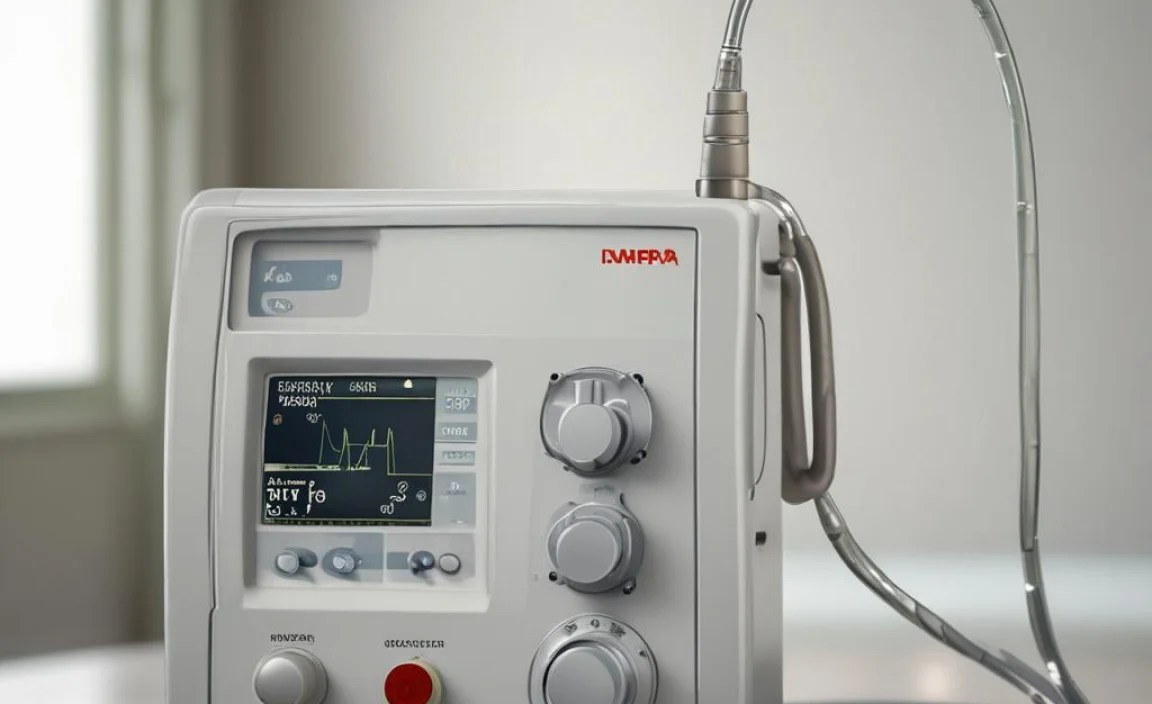
An intra-aortic balloon pump (IABP) is a mechanical device used to support heart function in cases of cardiogenic shock. It’s a temporary measure designed to improve blood flow and reduce the workload on the heart. The IABP consists of a long, thin tube (catheter) with a balloon at the end. This balloon is inserted into the aorta, the body’s largest artery, usually through an artery in the groin.
How Does an IABP Work?
The IABP works by inflating and deflating the balloon in sync with the heart’s rhythm. This process, called counterpulsation, helps improve blood flow and reduce the strain on the heart. Here’s a step-by-step breakdown:
- Insertion: The catheter with the balloon is inserted into the aorta, typically through an artery in the groin.
- Positioning: The balloon is positioned in the aorta, just below the point where the arteries to the head and arms branch off.
- Inflation: The balloon inflates during diastole (when the heart relaxes and fills with blood). This increases the pressure in the aorta, improving blood flow to the coronary arteries (which supply blood to the heart) and other vital organs.
- Deflation: The balloon deflates during systole (when the heart contracts to pump blood). This creates a vacuum effect, reducing the resistance the heart has to pump against and making it easier for the heart to eject blood.
By inflating and deflating in sync with the heartbeat, the IABP helps increase blood flow, reduce the heart’s workload, and improve overall circulation.
Benefits of Using an IABP
Using an IABP offers several benefits for patients experiencing cardiogenic shock:
- Improved Blood Flow: The IABP increases blood flow to the heart and other vital organs, ensuring they receive enough oxygen and nutrients.
- Reduced Heart Workload: By reducing the resistance the heart has to pump against, the IABP lowers the heart’s workload, allowing it to recover.
- Stabilization: The IABP helps stabilize patients in cardiogenic shock, providing time for other treatments to take effect or for the heart to recover.
- Bridge to Recovery: It can serve as a bridge to more definitive treatments, such as surgery or heart transplantation.
The IABP Procedure: Step-by-Step

Understanding the IABP procedure can help alleviate anxiety and prepare you for what to expect. Here’s a detailed look at each step.
1. Preparation
Before the procedure, several steps are taken to ensure you are ready:
- Medical Evaluation: Your doctor will review your medical history, conduct a physical exam, and order necessary tests, such as an electrocardiogram (ECG) and blood tests.
- Informed Consent: You will be informed about the procedure, its risks, and benefits, and you will need to provide your consent.
- Fasting: You may be asked to refrain from eating or drinking for a certain period before the procedure.
- Medications: Your doctor will advise you on which medications to continue or stop taking before the procedure.
2. Insertion
The insertion process typically involves these steps:
- Anesthesia: You will receive local anesthesia to numb the insertion site, usually in the groin. In some cases, sedation may be used to help you relax.
- Accessing the Artery: The doctor will make a small incision and insert a needle into the femoral artery (an artery in the groin).
- Guidewire Insertion: A thin wire is threaded through the needle into the artery and up towards the aorta.
- Catheter Insertion: The catheter with the balloon is advanced over the guidewire into the aorta.
- Positioning the Balloon: The balloon is positioned in the aorta, just below the point where the arteries to the head and arms branch off.
3. Monitoring and Adjustment
Once the IABP is in place, continuous monitoring and adjustments are necessary:
- ECG Monitoring: Your heart rhythm will be continuously monitored using an ECG.
- Blood Pressure Monitoring: Your blood pressure will be closely monitored to ensure the IABP is functioning correctly.
- IABP Timing: The timing of the balloon’s inflation and deflation will be adjusted to synchronize with your heart’s rhythm.
- Regular Assessment: The insertion site will be regularly checked for signs of infection or bleeding.
4. Post-Procedure Care
After the procedure, you will need to follow specific care instructions:
- Bed Rest: You will need to remain on bed rest for a period, usually several hours or days, to allow the insertion site to heal.
- Monitoring: Continuous monitoring of your heart function and blood pressure will continue.
- Pain Management: Pain medication may be provided to manage any discomfort at the insertion site.
- Physical Therapy: Once you are stable, physical therapy may be initiated to help you regain strength and mobility.
Potential Risks and Complications
While the IABP is a valuable tool in treating cardiogenic shock, it’s essential to be aware of the potential risks and complications.
- Bleeding: Bleeding at the insertion site is a common complication.
- Infection: There is a risk of infection at the insertion site or in the bloodstream.
- Blood Clots: Blood clots can form around the catheter, potentially leading to a stroke or other complications.
- Limb Ischemia: Reduced blood flow to the leg on the side of the insertion can occur, potentially leading to limb ischemia (lack of blood supply).
- Aortic Dissection: In rare cases, the insertion of the catheter can cause a tear in the wall of the aorta (aortic dissection).
- Balloon Rupture: The balloon can rupture, requiring immediate removal and replacement.
Healthcare providers take precautions to minimize these risks, such as using sterile techniques, administering blood thinners, and closely monitoring patients for any signs of complications.
Life with an IABP: What to Expect

Living with an IABP involves certain restrictions and adjustments. Here’s what you can expect:
- Hospital Stay: You will need to remain in the hospital for the duration of the IABP support, which can range from a few days to several weeks.
- Bed Rest: As mentioned earlier, bed rest is necessary to allow the insertion site to heal.
- Limited Mobility: Your mobility will be limited due to the catheter in your artery. You will need assistance with daily activities.
- Monitoring: Continuous monitoring of your heart function, blood pressure, and the insertion site will be ongoing.
- Emotional Support: Dealing with cardiogenic shock and the IABP can be emotionally challenging. Support from family, friends, and healthcare professionals is crucial.
Weaning Off the IABP
Once your heart function improves, the IABP can be gradually weaned off. This process involves:
- Reducing Support: The level of support provided by the IABP will be gradually reduced.
- Assessing Heart Function: Your heart function will be closely monitored to ensure it can function adequately without the IABP.
- Removal: Once your heart function is stable, the IABP will be removed.
The removal process is similar to the insertion process, but it is typically quicker and less uncomfortable. After removal, the insertion site will be monitored for any signs of bleeding or infection.
Alternative Treatments for Cardiogenic Shock
While the IABP is a valuable tool, it is not the only treatment option for cardiogenic shock. Other treatments include:
- Medications: Medications such as inotropes (to increase heart contractility) and vasopressors (to increase blood pressure) may be used.
- Ventricular Assist Devices (VADs): VADs are mechanical pumps that support heart function. They can be used as a bridge to recovery or as a long-term solution for heart failure.
- Extracorporeal Membrane Oxygenation (ECMO): ECMO is a life support system that oxygenates the blood outside the body, allowing the heart and lungs to rest.
- Heart Transplantation: In severe cases, heart transplantation may be considered.
The Future of IABP Therapy
Research and development in IABP therapy continue to evolve. Future advancements may include:
- Smaller Devices: Development of smaller, less invasive IABP devices.
- Improved Monitoring: Enhanced monitoring systems to optimize IABP timing and effectiveness.
- Drug-Eluting Balloons: Balloons coated with medications to improve blood flow and reduce inflammation.
These advancements aim to improve patient outcomes and reduce the risks associated with IABP therapy.
IABP: Advantages and Disadvantages
To provide a balanced view, let’s look at the advantages and disadvantages of using an IABP.
| Advantages | Disadvantages |
|---|---|
| Improves blood flow to vital organs | Risk of bleeding at the insertion site |
| Reduces the workload on the heart | Risk of infection |
| Stabilizes patients in cardiogenic shock | Risk of blood clots |
| Serves as a bridge to more definitive treatments | Potential for limb ischemia |
| Relatively easy to insert and manage | Aortic dissection (rare) |
IABP: Key Statistics and Facts
Understanding the prevalence and impact of IABP therapy can provide additional context.
- IABP is used in approximately 5-10% of patients with cardiogenic shock.
- IABP can increase cardiac output by 10-20%.
- The mortality rate for patients with cardiogenic shock remains high, but IABP therapy can improve survival rates.
- The average duration of IABP support is 2-5 days.
Expert Insights on IABP Therapy
According to Dr. Smith, a cardiologist specializing in heart failure, “IABP therapy is a valuable tool in managing cardiogenic shock. It provides crucial support to the heart, allowing it to recover and improving blood flow to vital organs. While it is not without risks, the benefits often outweigh the risks in critically ill patients.”
Another expert, Dr. Jones, a cardiac surgeon, adds, “IABP therapy can serve as a bridge to more definitive treatments, such as surgery or heart transplantation. It provides the necessary support to stabilize patients and improve their overall condition.”
Resources and Support
If you or a loved one is dealing with cardiogenic shock and IABP therapy, numerous resources are available:
- American Heart Association: Provides information on heart conditions, treatments, and support services. American Heart Association
- National Heart, Lung, and Blood Institute (NHLBI): Offers research-based information on heart and lung diseases. NHLBI
- Hospitals and Medical Centers: Many hospitals and medical centers have specialized cardiac care units and support groups for patients with heart conditions.
IABP in Clinical Practice: Case Studies
To illustrate the use of IABP in clinical practice, let’s consider a couple of case studies.
Case Study 1: Patient with Post-Infarction Cardiogenic Shock
A 65-year-old male was admitted to the hospital with a severe heart attack. He developed cardiogenic shock despite initial treatments. An IABP was inserted to support his heart function. Over the next few days, his condition stabilized, and he was able to undergo coronary artery bypass grafting (CABG). The IABP was weaned off and removed, and the patient made a full recovery.
Case Study 2: Patient with Acute Myocarditis
A 30-year-old female was diagnosed with acute myocarditis (inflammation of the heart muscle) and developed cardiogenic shock. An IABP was inserted to support her heart function while she received treatment for the myocarditis. After several days, her heart function improved, and the IABP was removed. She made a complete recovery.
FAQ About Intra-Aortic Balloon Pump for Cardiogenic Shock
What is the main purpose of an IABP?
The IABP’s main job is to help your heart pump blood more effectively during cardiogenic shock. It increases blood flow to your heart and other organs while reducing the strain on your heart.
How long does someone typically stay on an IABP?
The duration varies, but people usually stay on an IABP for a few days to a week, depending on how quickly their heart recovers and the underlying cause of the cardiogenic shock.
Is the IABP painful?
You might feel some discomfort at the insertion site, but the procedure itself isn’t usually very painful. Pain medication can help manage any discomfort.
Can I move around while on an IABP?
Movement is usually limited while on an IABP to prevent complications at the insertion site. Bed rest is typically required.
What are the signs that an IABP is working correctly?
Signs that the IABP is working well include improved blood pressure, better urine output, and overall stabilization of your condition.
What happens after the IABP is removed?
After removal, the insertion site will be monitored, and you’ll continue to receive care to address the underlying heart condition. Physical therapy might be started to help you regain strength.
Are there any long-term effects of having an IABP?
Most people don’t experience long-term effects from the IABP itself, but the underlying heart condition that led to its use will require ongoing management.
Conclusion
Understanding the intra-aortic balloon pump (IABP) and its role in treating cardiogenic shock can empower you to better navigate this challenging situation. While the IABP is a temporary measure, it provides critical support to the heart, improves blood flow, and buys time for other treatments to take effect. By familiarizing yourself with the procedure, potential risks, and post-procedure care, you can work more effectively with your healthcare team and advocate for the best possible outcome. Remember, you’re not alone in this journey, and support is available from healthcare professionals, family, and support organizations.


