
Topeak Nano Shock Pump: Ultimate Guide + Tips

Quick Summary: The Topeak Nano Shock Pump is a super-compact tool for adjusting air pressure in your bike’s suspension. To use it, connect the pump head securely to the valve on your fork or shock, then gently pump to add air. Monitor the pressure using the built-in gauge, and release air carefully using the bleed valve to achieve the perfect setting. Always disconnect with care to avoid pressure loss.
Ever felt like your mountain bike’s suspension wasn’t quite right? Too bouncy? Too stiff? Fine-tuning your air suspension can make a world of difference, but lugging around a bulky pump on the trail is no fun. That’s where the Topeak Nano Shock Pump comes in. It’s small, lightweight, and designed specifically for adjusting the air pressure in your forks and shocks. Getting it right might seem tricky, but with a few easy steps, you’ll be dialing in your suspension like a pro. Let’s get started!
Understanding the Topeak Nano Shock Pump

The Topeak Nano Shock Pump is designed for convenience and precision. Its compact size makes it ideal for carrying on rides, and it allows for fine adjustments to your suspension. Here’s a breakdown of what makes it special:
- Compact Size: Easily fits in a pack or even a large pocket.
- High Pressure: Can reach pressures needed for most air suspension systems.
- Precise Gauge: Helps you dial in the exact pressure you need.
- Bleed Valve: Allows for small pressure adjustments without overshooting.
Key Features Explained
Let’s dive into some of the features that make this pump a useful tool for any cyclist with air suspension.
- Pump Head: The pump head is designed to create a secure, leak-free connection with your suspension valve.
- Pressure Gauge: The gauge displays the current air pressure in your suspension.
- Bleed Valve: The bleed valve allows you to release small amounts of air for fine-tuning your suspension pressure.
- Pump Handle: The pump handle is used to pump air into your suspension.
Preparing for Use

Before you start pumping, a little preparation goes a long way.
- Check Your Suspension’s Pressure Range: Look for a sticker or marking on your fork or shock indicating the recommended pressure range. Exceeding this range can damage your suspension.
- Gather Your Tools: Besides the Topeak Nano Shock Pump, you might want a rag to clean the valve and the pump head.
- Find a Clean Area: Avoid pumping in dusty or dirty environments to prevent contaminants from entering your suspension.
Step-by-Step Guide to Using the Topeak Nano Shock Pump
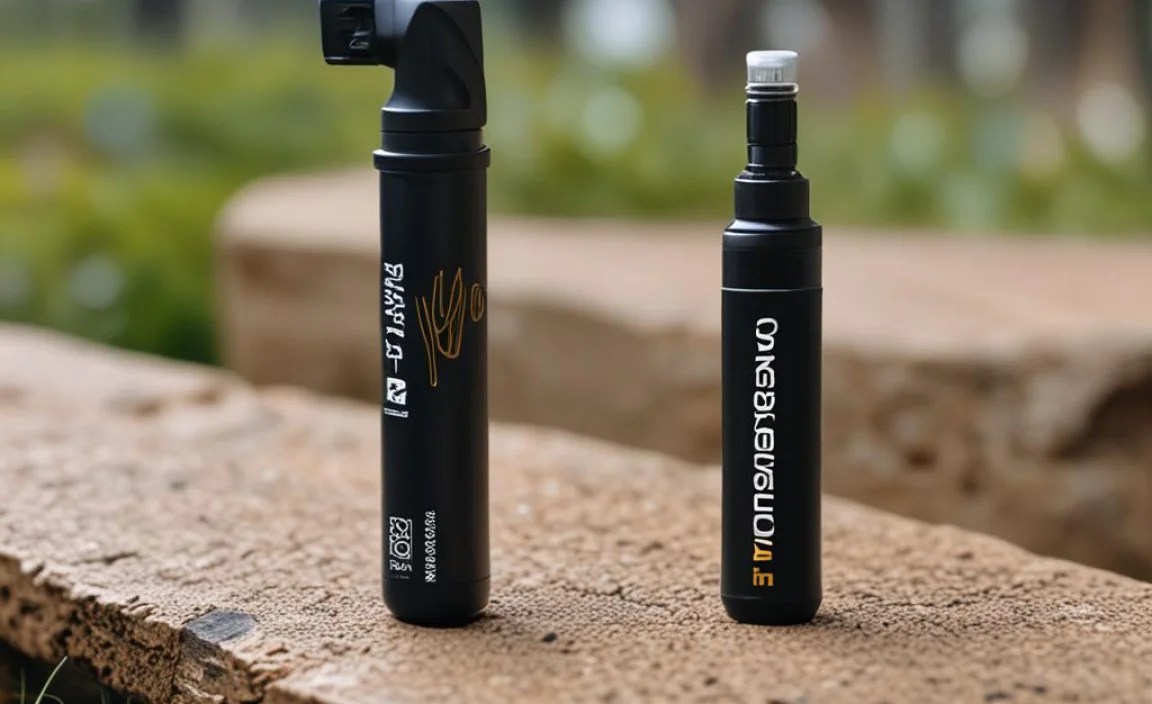
Here’s how to use the Topeak Nano Shock Pump to adjust your suspension pressure:
- Locate the Valve: Find the Schrader valve on your fork or shock. It usually has a small cap covering it.
- Remove the Valve Cap: Unscrew the valve cap and set it aside in a safe place.
- Attach the Pump Head: Carefully thread the pump head onto the valve. Make sure it’s snug to prevent air leaks.
- Check the Initial Pressure: The gauge will show the current pressure in your suspension.
- Pump to the Desired Pressure: Gently pump the handle until you reach your target pressure. Keep an eye on the gauge.
- Fine-Tune with the Bleed Valve: If you overshoot the pressure, use the bleed valve to release small amounts of air until you reach the correct setting.
- Detach the Pump Head: Unscrew the pump head carefully to minimize air loss.
- Replace the Valve Cap: Screw the valve cap back on to protect the valve from dirt and debris.
Detailed Steps with Visual Aids
Let’s break down each step with a little more detail.
- Locate the Valve: This is usually on the top of your fork leg or on the body of your rear shock. It looks just like the valve on your car tires, but smaller.
- Remove the Valve Cap: These caps are easily lost, so make sure you put it somewhere safe.
- Attach the Pump Head: Thread the pump head on carefully. You’ll know it’s secure when you stop hearing air escaping.
- Check the Initial Pressure: This is a good way to see where your suspension is currently set.
- Pump to the Desired Pressure: Pump smoothly and deliberately. Don’t rush, as the gauge will be more accurate if you pump slowly.
- Fine-Tune with the Bleed Valve: Press the bleed valve gently to release air in small bursts. This is where you can really dial in your suspension.
- Detach the Pump Head: Unscrew the pump head quickly but carefully. Some air loss is normal, but try to minimize it.
- Replace the Valve Cap: This protects the valve from dirt and damage, which could cause leaks.
Troubleshooting Common Issues

Even with the best instructions, sometimes things don’t go as planned. Here are some common problems and how to fix them:
- Air Leakage: If you hear air escaping when attaching the pump, make sure the pump head is screwed on tightly. If it still leaks, the pump head seal may be damaged and need replacement.
- Incorrect Pressure Reading: Ensure the pump head is fully engaged with the valve. A faulty gauge may also cause incorrect readings; consider having it checked or replaced.
- Difficulty Pumping: If the pump feels hard to push, you may be exceeding the pump’s pressure limit. Check your suspension’s maximum pressure rating.
Troubleshooting Table
| Issue | Possible Cause | Solution |
|---|---|---|
| Air Leakage | Loose pump head, damaged seal | Tighten pump head, replace seal |
| Incorrect Pressure Reading | Poor valve engagement, faulty gauge | Ensure secure connection, check/replace gauge |
| Difficulty Pumping | Exceeding pump limit | Check suspension’s maximum pressure rating |
Tips for Accurate Pressure Readings
Getting the right pressure is crucial for optimal suspension performance. Here are some tips to ensure accurate readings:
- Pump Slowly: Pumping too quickly can cause inaccurate readings.
- Check Multiple Times: After pumping, detach and reattach the pump to confirm the pressure.
- Consider Ambient Temperature: Air pressure changes with temperature. Check your pressure before each ride, especially in varying conditions.
- Use a Reliable Gauge: If you suspect your pump’s gauge is inaccurate, compare it with another gauge to verify.
Maintaining Your Topeak Nano Shock Pump
Proper maintenance will extend the life of your pump and ensure accurate performance.
- Clean the Pump Head: Regularly clean the pump head with a clean cloth to remove dirt and debris.
- Lubricate the Piston: Occasionally apply a small amount of silicone-based lubricant to the pump piston to keep it moving smoothly.
- Store Properly: Store the pump in a clean, dry place to prevent corrosion and damage.
Maintenance Schedule
| Task | Frequency | Notes |
|---|---|---|
| Clean Pump Head | After each use | Use a clean, dry cloth |
| Lubricate Piston | Every 3 months | Use silicone-based lubricant |
| Inspect for Damage | Every month | Check for cracks, leaks, or worn parts |
Understanding Suspension Settings
Adjusting your suspension isn’t just about pressure; it’s about understanding how that pressure affects your ride. Factors like rider weight, riding style, and terrain all play a role.
- Sag: Sag is the amount your suspension compresses when you sit on your bike. It’s a crucial starting point for setting up your suspension. A good starting point is around 20-25% of total travel for forks and 25-30% for shocks.
- Rebound: Rebound controls how quickly your suspension returns to its extended position after compression. Too fast, and your bike will feel bouncy. Too slow, and it will pack up on repeated bumps.
- Compression: Compression controls how easily your suspension compresses. More compression damping makes your suspension feel firmer and more efficient for climbing, while less damping makes it more plush for descending.
Finding Your Optimal Settings
The best way to find your optimal suspension settings is to experiment. Start with the recommended pressure for your weight, then adjust from there based on how the bike feels on the trail. Make small adjustments and pay attention to how they affect the ride.
- Start with Sag: Set your sag first, as it affects all other settings.
- Adjust Rebound: Find a setting that feels controlled but not too slow.
- Fine-Tune Compression: Use compression to fine-tune the feel of your suspension for different types of terrain.
Alternative Shock Pumps
While the Topeak Nano Shock Pump is a great option, other pumps on the market may better suit your needs.
- Lezyne Digital Shock Drive: Features a digital gauge for precise pressure readings.
- RockShox High Pressure Shock Pump: A reliable and durable pump designed for high-pressure suspension systems.
- SKS Suspension Air Pump: Offers a comfortable ergonomic handle and a precise pressure gauge.
Comparison Table
| Pump | Gauge Type | Max Pressure | Key Features |
|---|---|---|---|
| Topeak Nano Shock Pump | Analog | 300 psi | Compact and lightweight |
| Lezyne Digital Shock Drive | Digital | 350 psi | Precise digital gauge |
| RockShox High Pressure Shock Pump | Analog | 300 psi | Durable construction |
Safety Considerations
Working with pressurized systems requires caution.
- Never Exceed Max Pressure: Always stay within the recommended pressure range for your suspension components.
- Wear Eye Protection: Protect your eyes from potential air blasts or debris.
- Inspect Equipment: Regularly check your pump and suspension for any signs of damage or wear.
Understanding Suspension Tuning
Tuning your suspension is a crucial aspect of optimizing your bike’s performance and ensuring a comfortable and controlled ride. It involves adjusting various settings such as air pressure, rebound, and compression to match your riding style, terrain, and weight. Let’s dive deeper into the importance of suspension tuning and how it can enhance your overall cycling experience.
- Improved Comfort: Properly tuned suspension absorbs bumps and vibrations, reducing fatigue and making your ride more enjoyable.
- Enhanced Control: Fine-tuning your suspension allows for better traction and stability, especially on rough terrain.
- Increased Efficiency: Optimizing your suspension settings ensures that your energy is used efficiently, whether you’re climbing or descending.
FAQ: Topeak Nano Shock Pump
-
Q: What is the maximum pressure I can pump with the Topeak Nano Shock Pump?
A: The Topeak Nano Shock Pump can reach up to 300 PSI (20.7 bar), which is suitable for most air suspension systems.
-
Q: How do I know what pressure to put in my suspension?
A: Check the manufacturer’s recommendations, usually found on a sticker on your fork or shock. You can also find charts online based on your weight.
-
Q: What is the bleed valve for?
A: The bleed valve allows you to release small amounts of air to fine-tune the pressure in your suspension.
-
Q: Can I use this pump for my tires?
A: While technically possible, it’s not recommended. Shock pumps have a small volume, so it would take a very long time to inflate a tire. Use a dedicated tire pump instead.
-
Q: How often should I check my suspension pressure?
A: It’s a good idea to check your suspension pressure before each ride, especially if you notice a change in performance.
-
Q: What if the pump head won’t come off the valve?
A: Gently wiggle the pump head while unscrewing it. If it’s stuck, try applying a small amount of lubricant to the valve.
-
Q: Can I replace parts on the Topeak Nano Shock Pump?
A: Yes, Topeak offers replacement parts for the Nano Shock Pump, such as seals and pump heads. Check their website or your local bike shop.
Conclusion
The Topeak Nano Shock Pump is a fantastic tool for any cyclist looking to fine-tune their air suspension. Its compact size and precise gauge make it easy to adjust your suspension on the go, ensuring optimal performance and comfort. By following these steps and tips, you’ll be able to dial in your suspension like a pro, enhancing your riding experience and confidence on the trail. Remember to always prioritize safety and consult your suspension manufacturer’s recommendations for the best results. Now get out there and enjoy the ride!


