
Easy: How to Adjust Suspension Pressure Using a Shock Pump

Do you like riding your bike? Does it feel bumpy sometimes? You might need to adjust your bike’s suspension. Suspension helps your bike handle bumps. Knowing how to adjust suspension pressure using a shock pump can make your rides smoother. Let’s learn how!
Key Takeaways
- Using a shock pump helps fine-tune your bike’s suspension for better control.
- Always check your bike’s manual for the recommended suspension pressure.
- Adjusting suspension pressure improves comfort and performance on trails.
- A shock pump lets you add or release air with precision.
- Learning how to adjust suspension pressure using a shock pump is easy.
How to Adjust Suspension Pressure Using a Pump

Have you ever bounced on a trampoline? Bike suspension is kind of like that! It soaks up bumps. This keeps you comfortable. It also helps you stay in control. Knowing how to adjust suspension pressure using a shock pump is super important. A shock pump is a special tool. It adds or removes air from your bike’s shocks. The air pressure affects how soft or firm your suspension feels. Too little air, and your suspension bottoms out. Too much air, and your ride feels harsh. Finding the right balance makes biking more fun. Always check your bike’s manual first. It tells you the right pressure for your weight and riding style. Make small changes. Test your bike after each adjustment. You will feel the difference!
- Find your bike’s suspension valve.
- Attach the shock pump securely.
- Check the current pressure reading.
- Add or release air slowly.
- Recheck the pressure after each adjustment.
Adjusting suspension pressure might seem tricky. But it gets easier with practice. Think of it like tuning a musical instrument. Small changes make a big difference. The goal is to match the suspension to your weight and the type of riding you do. If you ride mostly smooth trails, you might want a firmer suspension. If you ride rough trails, a softer suspension is better. Don’t be afraid to experiment. Just remember to make small adjustments. Always check the pressure readings. Keep a record of your settings. This helps you find the perfect setup. How to adjust suspension pressure using a shock pump can change your riding experience.
Fun Fact or Stat: Studies show that properly adjusted suspension can improve a mountain biker’s speed by up to 15%!
Why Is Suspension Pressure Important?
Imagine riding a bike with flat tires. It would be bumpy and hard to control. Suspension pressure is similar to tire pressure. It affects how your bike handles. When the pressure is right, your suspension works best. It absorbs bumps and keeps your tires on the ground. This gives you more control. If the pressure is too low, the suspension squishes too much. It can “bottom out” on big hits. If the pressure is too high, the suspension is too stiff. It doesn’t absorb bumps well. Finding the right suspension pressure makes a big difference. It helps you ride faster, smoother, and with more confidence.
How Does a Shock Pump Work?
Ever used a tire pump? A shock pump is similar. But it’s more precise. It has a special gauge. This shows the exact pressure in your suspension. When you attach the pump, it seals tightly. This prevents air from leaking out. The gauge lets you see the current pressure. You can then add or release air as needed. Shock pumps have a two-stage system. One stage fills the shock. The other stage allows for fine adjustments. This helps you get the perfect pressure. Remember to disconnect the pump carefully. Some air might escape when you remove it. But don’t worry, it’s usually a small amount.
What Happens If Pressure Is Wrong?
Riding with the wrong suspension pressure can cause problems. Too little pressure makes your suspension too soft. It can bottom out on big bumps. This can damage your suspension. It can also make your bike hard to control. Too much pressure makes your suspension too stiff. It won’t absorb bumps well. This makes the ride uncomfortable. It can also cause your tires to lose traction. This means you might slip or slide. Adjusting suspension pressure correctly is important. It keeps you safe and comfortable. It also protects your bike.
Understanding Your Bike’s Suspension

Your bike’s suspension is like a superhero. It protects you from rough terrain. It has springs and dampers inside. These work together to absorb bumps. The spring supports your weight. The damper controls how fast the suspension moves. Different bikes have different types of suspension. Some bikes have front suspension only. These are called hardtails. Other bikes have both front and rear suspension. These are called full-suspension bikes. How to adjust suspension pressure using a shock pump depends on the type of suspension. Always check your bike’s manual. It will tell you what type of suspension you have. It will also give you the recommended pressure settings.
- Learn about different types of suspension forks.
- Understand the role of the rear shock.
- Recognize the difference between air and coil springs.
- Know what “travel” means for your suspension.
- Identify the adjustment knobs on your suspension.
Understanding your bike’s suspension is key to getting the most out of it. Think of your suspension as a team working together. The spring is like a strong player. It supports your weight and absorbs big hits. The damper is like a smart coach. It controls how the spring moves. Together, they keep you balanced and in control. The “travel” of your suspension is how much it can move. More travel is better for bigger bumps. Less travel is better for smoother trails. Learning how to adjust suspension pressure using a shock pump is like training your suspension team. It helps them work together to give you the best ride.
Fun Fact or Stat: The first suspension forks on mountain bikes appeared in the late 1980s, revolutionizing off-road riding!
What is Suspension Sag?
Have you ever sat on a bike and watched it sink a little? That’s called “sag.” Sag is how much your suspension compresses when you sit on the bike. It’s important to set the sag correctly. Too little sag, and your suspension will be too stiff. Too much sag, and your suspension will bottom out easily. To measure sag, you need a friend. Have them hold the bike while you sit on it in your normal riding position. Measure how much the suspension compresses. Compare this measurement to the recommended sag in your bike’s manual. How to adjust suspension pressure using a shock pump will affect the sag. Add air to reduce sag. Release air to increase sag.
Air vs. Coil Suspension
There are two main types of suspension: air and coil. Air suspension uses air pressure to support your weight. Coil suspension uses a metal spring. Air suspension is lighter than coil suspension. It’s also easier to adjust. You can change the air pressure with a shock pump. Coil suspension is more consistent. It feels the same on every ride. It’s also more durable. It doesn’t lose air over time. How to adjust suspension pressure using a shock pump only applies to air suspension. Coil suspension requires different adjustments.
Finding the Right Settings
Finding the right suspension settings takes time and practice. Start with the recommended settings in your bike’s manual. Then, experiment with small changes. Ride your bike on different types of terrain. Pay attention to how the suspension feels. Does it feel too stiff? Does it bottom out easily? Adjusting suspension pressure is just one part of the equation. You can also adjust the rebound and compression damping. Rebound controls how fast the suspension returns after a bump. Compression controls how much force it takes to compress the suspension. Learning how to adjust all these settings will help you dial in your suspension perfectly.
Tools You Need for Suspension Adjustment

To adjust your bike’s suspension, you’ll need a few tools. The most important tool is a shock pump. A shock pump is a special pump. It’s designed for adjusting suspension pressure. It has a gauge that shows the pressure. It also has a special valve. This prevents air from leaking out. You’ll also need a rag. This is to wipe off any dirt or grease. A tape measure is helpful. This is for measuring sag. Finally, you’ll need your bike’s manual. This will tell you the recommended pressure settings. Knowing how to adjust suspension pressure using a shock pump is easier with the right tools.
- Gather a high-quality shock pump.
- Keep a rag handy for cleaning.
- Have a tape measure ready for sag measurements.
- Refer to your bike’s manual for specifications.
- Consider a notebook for recording settings.
Having the right tools makes adjusting suspension pressure much easier. A good shock pump is an investment. It will last for years. It will also give you accurate pressure readings. A rag is important for keeping things clean. Dirt and grease can damage your suspension. A tape measure helps you set the sag correctly. Your bike’s manual is your best friend. It has all the information you need. A notebook is helpful for keeping track of your settings. You can write down the date, the pressure, and how the bike felt. This helps you remember what works best for you. How to adjust suspension pressure using a shock pump becomes more efficient with a well-equipped toolkit.
Fun Fact or Stat: Some professional mountain bike teams use digital suspension analyzers to fine-tune their riders’ suspension settings with incredible precision!
Choosing the Right Shock Pump
Not all shock pumps are created equal. Some are better than others. Look for a shock pump with a clear gauge. The gauge should be easy to read. It should also be accurate. The pump should have a long hose. This makes it easier to reach the suspension valve. The pump should also have a bleed valve. This allows you to release small amounts of air. This helps you fine-tune the pressure. A good shock pump is an investment. It will make adjusting suspension pressure easier and more accurate.
Maintaining Your Tools
Like any tool, your shock pump needs to be maintained. Keep it clean and dry. Store it in a safe place. Check the hose for cracks or leaks. If the gauge is not accurate, replace the pump. A well-maintained shock pump will last longer. It will also give you more accurate readings. Adjusting suspension pressure is easier with a reliable tool.
Alternatives to Shock Pumps
While a shock pump is the best tool for adjusting suspension pressure, there are alternatives. Some people use a regular tire pump. However, this is not recommended. Tire pumps are not as accurate. They can also damage the suspension valve. Another alternative is to have a bike shop adjust your suspension. This is a good option if you’re not comfortable doing it yourself. However, it can be expensive. Learning how to adjust suspension pressure using a shock pump is the best option for most riders.
Step-by-Step Guide to Adjusting Pressure

Ready to learn how to adjust suspension pressure using a shock pump? Here’s a step-by-step guide. First, find the suspension valve on your bike. It’s usually on the top of the fork or the rear shock. Remove the valve cap. Attach the shock pump to the valve. Make sure it’s securely attached. Read the pressure on the gauge. If the pressure is too low, add air by pumping. If the pressure is too high, release air using the bleed valve. Check the pressure again. Repeat until you reach the desired pressure. Remove the shock pump carefully. Replace the valve cap. Go for a ride and test your suspension. Make adjustments as needed.
- Locate the suspension valve on your fork or shock.
- Attach the shock pump securely.
- Read the current pressure on the gauge.
- Add or release air in small increments.
- Detach the pump and replace the valve cap.
- Test the suspension on a short ride.
Following these steps will help you adjust suspension pressure like a pro. Remember to always start with the recommended pressure in your bike’s manual. Make small adjustments. Test your bike after each adjustment. Keep a record of your settings. This will help you find the perfect setup. How to adjust suspension pressure using a shock pump becomes second nature with practice. Don’t be afraid to experiment. The more you ride and adjust your suspension, the better you’ll understand how it works. This will make you a faster, smoother, and more confident rider.
Fun Fact or Stat: Some high-end suspension systems can be electronically adjusted on the fly, allowing riders to change settings while riding!
Preparing Your Bike
Before you start adjusting suspension pressure, it’s important to prepare your bike. Clean the suspension valves. This will prevent dirt from getting into the system. Check the condition of your tires. Make sure they are properly inflated. Loosen any bolts that might interfere with the suspension. This will allow the suspension to move freely. Finally, make sure you have enough space to work. A clean, well-lit area is ideal. Preparing your bike properly will make the adjustment process easier and safer.
Finding the Right Pressure
Finding the right suspension pressure is a process of trial and error. Start with the recommended pressure in your bike’s manual. Then, ride your bike on different types of terrain. Pay attention to how the suspension feels. If it feels too stiff, release some air. If it bottoms out easily, add some air. Make small adjustments. Test your bike after each adjustment. Keep a record of your settings. Over time, you’ll develop a feel for what works best for you. Adjusting suspension pressure is a personal thing. What works for one rider might not work for another.
Testing Your Adjustments
The final step in adjusting suspension pressure is to test your adjustments. Go for a ride on your favorite trail. Pay attention to how the suspension feels. Does it feel smoother? Does it handle bumps better? Does it give you more control? If you’re not happy with the results, make further adjustments. Remember to make small changes. Test your bike after each adjustment. With practice, you’ll be able to dial in your suspension perfectly. How to adjust suspension pressure using a shock pump is a valuable skill for any cyclist.
Common Mistakes to Avoid
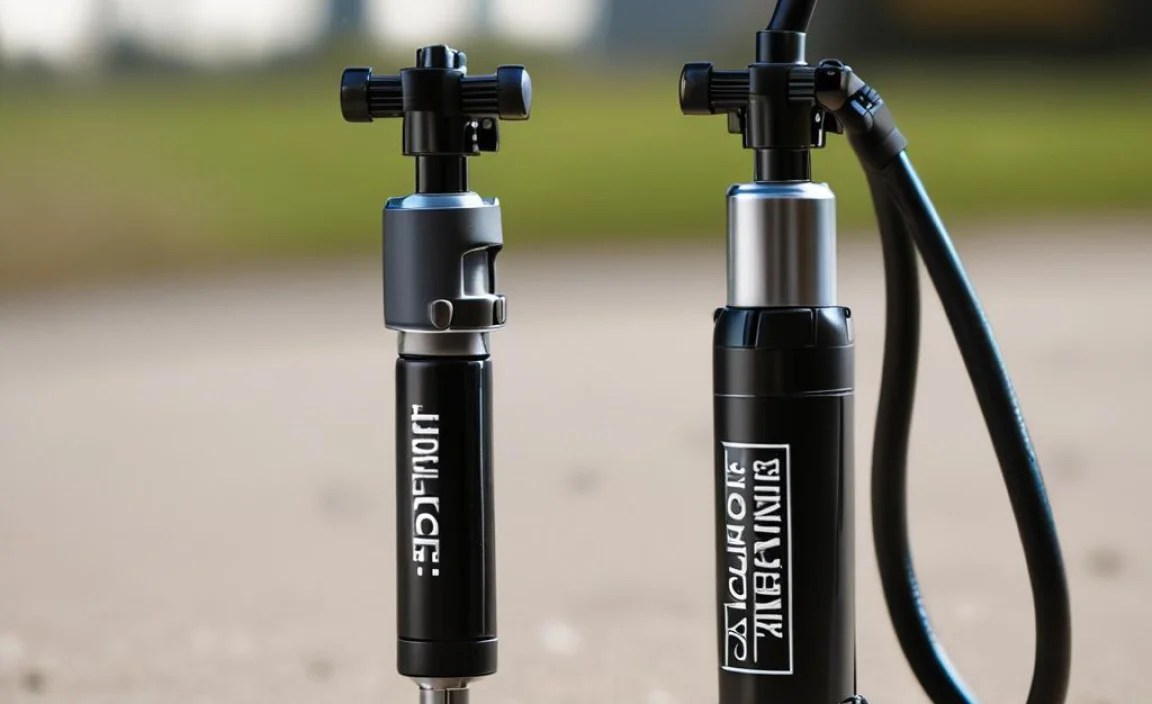
Even experienced cyclists make mistakes when adjusting suspension pressure. One common mistake is over-inflating the suspension. This can damage the seals and make the ride uncomfortable. Another mistake is under-inflating the suspension. This can cause the suspension to bottom out. It can also make the bike handle poorly. Another mistake is not using a shock pump. A regular tire pump is not accurate enough. It can also damage the suspension valve. Finally, some people forget to check the pressure regularly. Suspension pressure can change over time. It’s important to check it before each ride. Avoiding these mistakes will help you get the most out of your suspension.
- Avoid over-inflating the suspension.
- Don’t under-inflate the suspension.
- Always use a shock pump.
- Check the pressure regularly.
- Don’t ignore the bike’s manual.
Learning from the mistakes of others can save you time and frustration. Over-inflating your suspension can feel like riding a brick. Under-inflating it can feel like riding a pogo stick. A shock pump is essential for accurate adjustments. Checking your pressure regularly ensures consistent performance. Your bike’s manual is a valuable resource. It contains important information about your suspension. How to adjust suspension pressure using a shock pump is a skill that requires attention to detail. Avoiding these common mistakes will help you become a suspension expert.
Fun Fact or Stat: Many professional riders check and adjust their suspension pressure before every single race run to ensure optimal performance!
Ignoring the Bike’s Manual
Your bike’s manual is a treasure trove of information. It contains everything you need to know about your bike. This includes the recommended suspension pressure. Ignoring the manual is a big mistake. The manual is written by the people who designed and built your bike. They know what settings work best. Following their recommendations will help you get the most out of your suspension. It will also help you avoid damaging your bike.
Using the Wrong Pump
Using the wrong pump can be a costly mistake. A regular tire pump is not designed for suspension. It can damage the suspension valve. It’s also not accurate enough. A shock pump is the only tool you should use for adjusting suspension pressure. It’s designed specifically for this purpose. It will give you accurate readings. It will also protect your suspension valve.
Forgetting to Bleed Air
Sometimes, you need to release a small amount of air to fine-tune the pressure. This is where the bleed valve on your shock pump comes in handy. Forgetting to bleed air can result in over-inflation. This can make the ride uncomfortable. It can also damage the suspension. The bleed valve allows you to release air in small increments. This helps you achieve the perfect suspension pressure.
Advanced Suspension Tuning Tips
Once you’ve mastered the basics of how to adjust suspension pressure using a shock pump, you can move on to more advanced techniques. This includes adjusting the rebound and compression damping. Rebound damping controls how fast the suspension returns after a bump. Compression damping controls how much force it takes to compress the suspension. Adjusting these settings can fine-tune your suspension for different types of terrain. It can also improve your bike’s handling. Learning these advanced techniques takes time and practice. But it’s worth the effort. It will make you a better rider.
| Adjustment | Effect | When to Use |
|---|---|---|
| Increase Pressure | Stiffer suspension, less sag | Smooth trails, heavier riders |
| Decrease Pressure | Softer suspension, more sag | Rough trails, lighter riders |
| Increase Rebound Damping | Slower rebound | Bumpy trails, less bounce |
| Decrease Rebound Damping | Faster rebound | Smooth trails, more pop |
These advanced techniques can take your riding to the next level. Think of your suspension as a complex system. Each setting affects the others. Adjusting suspension pressure is just the first step. Rebound damping controls how quickly the suspension returns to its original position. Too much rebound damping can make the suspension feel sluggish. Too little rebound damping can make the bike feel bouncy. Compression damping controls how much force it takes to compress the suspension. Too much compression damping can make the ride harsh. Too little compression damping can cause the suspension to bottom out easily. Learning how to adjust suspension pressure using a shock pump in combination with these other settings will unlock your bike’s full potential.
Fun Fact or Stat: Some professional downhill racers spend hours testing different suspension setups on the same section of track to find the perfect balance for their riding style and the course conditions!
Adjusting Rebound Damping
Rebound damping is often overlooked, but it’s crucial for good handling. Too much rebound damping can make the suspension feel packed down. Too little rebound damping can make the bike feel like a pogo stick. The goal is to find a balance. The suspension should return quickly enough to absorb the next bump. But not so quickly that it throws you off balance. Adjusting suspension pressure and rebound damping together will improve your bike’s performance.
Compression Damping Explained
Compression damping controls how much force it takes to compress the suspension. There are usually two types of compression damping: low-speed and high-speed. Low-speed compression damping affects how the suspension feels on smooth terrain. High-speed compression damping affects how the suspension feels on big hits. Adjusting suspension pressure and compression damping will help you fine-tune your ride.
When to Seek Professional Help
Sometimes, suspension problems are beyond the scope of a simple adjustment. If you’re not comfortable working on your suspension, or if you’re experiencing persistent problems, it’s best to seek professional help. A qualified mechanic can diagnose and repair any issues. They can also help you dial in your suspension for your weight and riding style. How to adjust suspension pressure using a shock pump is a valuable skill. But it’s not a substitute for professional service.
Summary
Understanding how to adjust suspension pressure using a shock pump is important for a smoother and more controlled ride. A shock pump helps you add or remove air from your bike’s suspension. This lets you fine-tune it to your weight and the trails you ride. Remember to check your bike’s manual for recommended pressure settings. Start with small adjustments and test your bike after each change. Learning to adjust rebound and compression damping can further improve your suspension’s performance. With practice, you’ll be able to dial in your suspension for any terrain.
Conclusion
Adjusting suspension pressure is a key skill for any cyclist. It improves comfort, control, and performance. A shock pump is your best friend for this task. Remember to start with the recommended settings. Make small changes, and test your bike after each adjustment. Learning how to adjust suspension pressure using a shock pump will make your rides more enjoyable.
Frequently Asked Questions
Question No 1: What is a shock pump and why do I need one?
Answer: A shock pump is a special type of pump. It’s made for adjusting the air pressure in your bike’s suspension. Regular tire pumps don’t work well because they aren’t accurate enough for the small adjustments needed. A shock pump has a gauge that shows you the exact pressure. This lets you add or remove air with precision. If you want to fine-tune your suspension for better performance and comfort, a shock pump is essential. It allows you to learn how to adjust suspension pressure using a shock pump effectively. Using the correct tool ensures you don’t damage your suspension.
Question No 2: How do I know what pressure to put in my suspension?
Answer: The best place to start is your bike’s manual. It will have recommended pressure settings for your weight. You can also find charts online from your suspension manufacturer. These charts give you a range of pressures to try based on your weight. Remember, these are just starting points. You might need to adjust the pressure based on your riding style and the type of trails you ride. After learning how to adjust suspension pressure using a shock pump, test your bike on a familiar trail to see how it feels. Adjust as needed until you find the sweet spot.
Question No 3: Can I use a regular tire pump to adjust my suspension pressure?
Answer: No, you should not use a regular tire pump. Tire pumps are not designed for the high pressures and small volumes required for suspension. They also lack the precise gauge needed to make accurate adjustments. Using a tire pump can damage your suspension valve. It can also give you inaccurate pressure readings. This can lead to poor performance and even damage to your suspension components. Always use a shock pump when adjusting suspension pressure. It’s the right tool for the job and will protect your investment.
Question No 4: What is sag and why is it important?
Answer: Sag is how much your suspension compresses when you sit on your bike. It’s important because it ensures your suspension is working in the right range. If you have too little sag, your suspension will be too stiff and won’t absorb bumps well. If you have too much sag, your suspension will bottom out easily. Setting the correct sag is the first step in dialing in your suspension. It provides a baseline for further adjustments. How to adjust suspension pressure using a shock pump directly impacts sag. Add air to reduce sag, and release air to increase it.
Question No 5: How often should I check and adjust my suspension pressure?
Answer: It’s a good idea to check your suspension pressure before each ride, especially if you’re going on a long or challenging ride. Air can leak out of your suspension over time, so it’s important to make sure it’s at the correct pressure. You should also check your pressure after making any significant changes to your bike, such as adding or removing weight. Regular checks will ensure your suspension is always performing at its best. This will help you learn how to adjust suspension pressure using a shock pump becomes a routine part of your bike maintenance.
Question No 6: What are rebound and compression damping, and how do I adjust them?
Answer: Rebound damping controls how quickly your suspension returns after absorbing a bump. Compression damping controls how much force it takes to compress your suspension. Most suspension forks and shocks have adjustable rebound and compression damping. The adjusters are usually small knobs or dials. Start by setting them to the middle position. Then, experiment with small changes. Rebound damping that is too slow makes the bike feel packed down. Compression damping that is too stiff makes the ride harsh. Understanding these settings and how to adjust suspension pressure using a shock pump will help you fine-tune your ride.


