
How to Set Sag with a Shock Pump: Easy Guide

Have you ever seen a mountain biker fly over bumps? Their bike seems to float. That’s because of something called suspension. Suspension helps the bike handle rough trails. But how do they make it so smooth? One key thing is setting the sag. You can learn how to set sag with a shock pump.
Setting sag helps your bike work its best. It makes riding more fun and comfy. Let’s find out how it works!
Key Takeaways
- Setting sag correctly improves your bike’s performance and comfort.
- A shock pump is needed to adjust the air pressure in your suspension.
- To set sag, measure how much your suspension compresses with your weight.
- The right sag amount depends on your bike and riding style.
- Learning how to set sag with a shock pump is easy with practice.
Understanding How To Set Sag With A Shock Pump

Before we start, let’s understand what sag means. Sag is how much your bike’s suspension compresses when you sit on it. It’s like the suspension saying “hello” to your weight. If there’s not enough sag, the ride feels bumpy. Too much sag, and the bike feels wobbly. A shock pump is a special tool. It lets you add or remove air from your suspension. The air pressure affects the sag. The goal is to get the right amount of sag. This makes the bike absorb bumps well. Learning how to set sag with a shock pump helps you fine-tune your ride. It makes mountain biking much more enjoyable. It’s like giving your bike a custom fit!
- Sag is how much the suspension compresses.
- A shock pump adjusts air pressure.
- Proper sag improves comfort.
- Too much or too little sag hurts performance.
- Finding the right sag is key.
Think of your bike’s suspension as a spring. When you sit on the bike, the spring compresses. Sag is how much it compresses. If the spring is too stiff (not enough sag), you’ll feel every bump. If it’s too soft (too much sag), the bike will sink too much. This makes it hard to pedal and handle. How to set sag with a shock pump involves adding or removing air. More air makes the spring stiffer. Less air makes it softer. By adjusting the air, you can find the perfect balance. This balance makes your bike feel smooth and controlled. It’s like Goldilocks and the Three Bears. Not too hard, not too soft, but just right!
Fun Fact or Stat: Pro mountain bikers adjust their sag before every race!
Why Is Sag So Important?
Have you ever ridden a bike with flat tires? It feels slow and bumpy. The right sag is like having perfectly inflated tires. It makes the bike roll smoothly over bumps. Sag helps the suspension absorb shocks. This keeps your tires on the ground. More tire contact means better control. You can turn and brake easier. With the correct sag, the bike feels more stable. It also climbs hills better. Too much sag can make the bike feel sluggish. It can also cause the pedals to hit the ground. Adjusting sag is like giving your bike a superpower. It helps you ride faster, smoother, and with more confidence. So, is your sag set correctly?
What Happens With Wrong Sag?
Imagine riding a pogo stick. That’s what it feels like with too little sag. Every bump sends you flying. On the other hand, too much sag is like riding a lowrider car. The bike bottoms out on every bump. This feels harsh and uncontrolled. Wrong sag can also damage your suspension. It puts extra stress on the parts. Over time, this can lead to expensive repairs. Getting the sag right protects your bike. It also protects you from a rough ride. It’s like wearing the right shoes for a race. They help you perform your best and avoid injuries. So, take the time to adjust your sag.
How Does Sag Affect Handling?
Picture yourself driving a car with flat tires. It would be hard to steer and control. The same is true for your bike’s suspension. Sag affects how the bike handles turns. Too little sag can make the bike feel twitchy. It can bounce off rocks and roots. Too much sag can make the bike feel slow and unresponsive. It can also make it harder to lean into turns. The right sag gives you more control. You can carve through turns with confidence. It’s like having power steering on your bike. You can easily navigate any trail. How to set sag with a shock pump is key to great handling.
Fun Fact or Stat: Most mountain bikes have between 20% and 35% sag!
Tools Needed To Set Sag Correctly
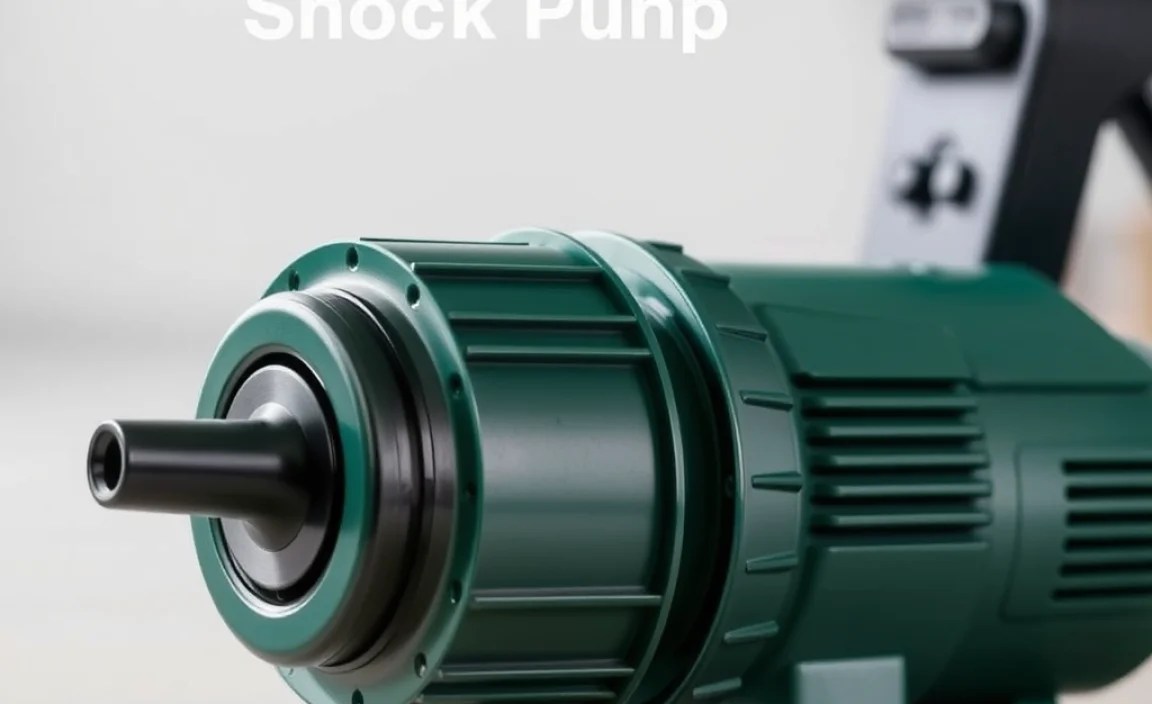
To set sag, you don’t need many tools. The most important tool is a shock pump. This is a special pump for bike suspension. It has a gauge that shows the air pressure. You’ll also need a ruler or measuring tape. This helps you measure how much the suspension compresses. A friend can be helpful too. They can hold the bike while you sit on it. Some bikes have sag indicators on the suspension. These make measuring sag easier. A pen and paper are useful for writing down measurements. With these tools, how to set sag with a shock pump becomes much easier. You’ll be able to dial in your suspension in no time.
- A shock pump is essential for adjusting air pressure.
- A ruler or tape measure is needed for measuring sag.
- A friend can help hold the bike steady.
- Sag indicators can simplify the process.
- Pen and paper help record measurements.
- A clean rag is useful for wiping the shock.
Think of a shock pump as a tiny air compressor for your bike. It lets you add small amounts of air. This makes it easy to fine-tune the pressure. Regular tire pumps don’t work well for suspension. They add too much air at once. A ruler or tape measure helps you see how much the suspension moves. You need to measure the total travel of the shock. Then, you measure how much it compresses with your weight on the bike. This difference is the sag. Having a friend hold the bike keeps it steady. This makes it easier to get accurate measurements.
Fun Fact or Stat: Shock pumps can measure air pressure in PSI or BAR!
What Makes A Good Shock Pump?
Have you ever tried using a cheap tool that broke right away? A good shock pump is worth the investment. Look for a pump with a clear gauge. This makes it easy to read the pressure. A swivel head can help you reach the valve. A bleed button lets you release small amounts of air. This is important for fine-tuning. A good pump should also be durable. It should last for many years of use. Some pumps have digital gauges. These are very accurate. But they can be more expensive. A good shock pump makes how to set sag with a shock pump easier.
How Accurate Do I Need To Be?
Imagine trying to bake a cake without measuring the ingredients. It probably wouldn’t turn out very well. The same is true for setting sag. Accuracy is important. But you don’t need to be perfect. Aim for within a few millimeters of your target sag. Use a good ruler or tape measure. Make sure you are measuring from the right points. Don’t round your measurements too much. Small changes in air pressure can make a big difference. With practice, you’ll get better at measuring accurately. How to set sag with a shock pump requires attention to detail.
Can I Use A Regular Tire Pump?
Have you ever tried using the wrong tool for a job? It can be frustrating and even dangerous. A regular tire pump is not designed for suspension. It adds too much air too quickly. It’s hard to control the pressure. You could easily over-inflate your suspension. This could damage it. A shock pump is designed for the job. It adds air slowly and precisely. It also has a gauge to show the pressure. Using the right tool makes how to set sag with a shock pump safe and easy. It also protects your bike.
Fun Fact or Stat: Some shock pumps have a two-stage system for faster inflation!
Step-By-Step Guide: How To Set Sag With A Shock Pump

Now, let’s get to the actual steps. First, find out the total travel of your suspension. This is how far the suspension can move. It’s usually listed in the bike’s manual. Next, put a zip tie around the suspension shaft. This will help you measure the sag. Now, get on your bike in your normal riding gear. Sit in a comfortable position. Have a friend hold the bike steady. After you get off, measure how far the zip tie moved. This is your sag measurement. Compare this to the recommended sag for your bike. If the sag is too little, let some air out with the shock pump. If it’s too much, add some air. Repeat until you get the right sag. Learning how to set sag with a shock pump takes practice.
| Step | Action | Tool |
|---|---|---|
| 1 | Find total suspension travel | Bike manual |
| 2 | Attach zip tie | Zip tie |
| 3 | Sit on the bike | None |
| 4 | Measure sag | Ruler |
| 5 | Adjust air pressure | Shock pump |
- Find the total travel of your suspension.
- Attach a zip tie to the suspension shaft.
- Sit on the bike in your riding gear.
- Measure how far the zip tie moved.
- Adjust air pressure with a shock pump.
- Repeat until the sag is correct.
Think of setting sag as tuning a musical instrument. You need to make small adjustments to get the right sound. Start by finding the recommended sag for your bike. This is usually a percentage of the total travel. For example, if your suspension has 100mm of travel, 20% sag would be 20mm. Use the shock pump to add or remove air in small increments. After each adjustment, sit on the bike and measure the sag again. It may take a few tries to get it just right. But the effort is worth it. A properly set sag makes a huge difference in your bike’s performance. It’s like finding the perfect note on your guitar.
Fun Fact or Stat: Some bikes have markings on the shock to show the correct sag!
What Is “Total Travel”?
Imagine a ruler. The total travel is like the whole length of the ruler. It’s the maximum distance your suspension can move. You can find this number in your bike’s manual. It’s usually measured in millimeters (mm). Knowing the total travel is important. It helps you calculate the correct sag. For example, if your suspension has 150mm of travel, and you want 25% sag, you would aim for 37.5mm of sag. The total travel is like the foundation for setting up your suspension. Without it, you can’t accurately adjust the sag. How to set sag with a shock pump depends on knowing the total travel.
Where Should I Measure From?
Have you ever tried to measure something but started in the wrong place? It’s important to measure from the right points. On the suspension, there are usually two marks. One is on the stationary part of the shock. The other is on the moving part. Measure the distance between these marks when the suspension is fully extended. This is the total travel. Then, measure the distance between the marks when you’re sitting on the bike. The difference between these two measurements is the sag. Make sure you are measuring straight and accurately. How to set sag with a shock pump requires precise measurements.
How Often Should I Check Sag?
Imagine your bike tires slowly losing air. You need to check them regularly. The same is true for your suspension. Air pressure can change over time. Temperature changes can also affect the pressure. It’s a good idea to check your sag before each ride. Especially if you haven’t ridden in a while. If you notice a change in your bike’s handling, check the sag. Small adjustments can make a big difference. Checking your sag regularly keeps your bike performing its best. How to set sag with a shock pump is an ongoing process.
Fun Fact or Stat: Air pressure in suspension can change with altitude!
Understanding Sag Percentage For Your Bike

Different bikes need different sag percentages. A downhill bike needs more sag. This helps it absorb big hits. A cross-country bike needs less sag. This makes it pedal more efficiently. Your bike’s manual should recommend a sag percentage. If not, a good starting point is 20-25% for cross-country. For trail bikes, 25-30% is common. Downhill bikes often use 30-35% sag. Experiment to find what feels best for you. Consider the type of riding you do. If you ride mostly smooth trails, use less sag. If you ride rough trails, use more sag. Learning how to set sag with a shock pump involves finding the right percentage.
- Downhill bikes need more sag.
- Cross-country bikes need less sag.
- Check your bike’s manual for recommendations.
- Experiment to find what feels best.
- Consider the type of riding you do.
- Adjust sag based on trail conditions.
Think of sag percentage as the recipe for your suspension. Just like a recipe, the right percentage depends on the ingredients. In this case, the ingredients are your bike, your weight, and the type of trails you ride. If you’re a heavier rider, you may need more air pressure to achieve the same sag percentage. If you’re a lighter rider, you may need less air pressure. The sag percentage is a starting point. You can fine-tune it based on your personal preferences. How to set sag with a shock pump is about finding the perfect recipe for your ride.
Fun Fact or Stat: Some riders use different sag percentages for different races!
What If I Don’t Know The Percentage?
Have you ever tried to cook without a recipe? It can be tricky. If you don’t know the recommended sag percentage, don’t worry. There are still ways to find a good setting. Start with a common range like 25%. Ride the bike and see how it feels. If it feels too harsh, add more air. If it feels too soft, let some air out. Pay attention to how the bike handles different types of terrain. Experiment until you find a setting that feels comfortable and controlled. How to set sag with a shock pump is about finding what works for you.
How Does Weight Affect Sag?
Imagine putting a heavy backpack on your bike. It would compress the suspension more. Your weight affects how much the suspension compresses. Heavier riders need more air pressure to achieve the same sag. Lighter riders need less air pressure. Always set your sag with your riding gear on. This includes your helmet, shoes, and backpack. If you change your weight significantly, you’ll need to re-adjust the sag. Weight is a key factor in how to set sag with a shock pump.
Can I Change The Percentage Later?
Have you ever fine-tuned the settings on your video game? You can do the same with your suspension. You are not locked into one sag percentage. You can always change it later. Experiment with different settings to see what feels best. Pay attention to how the bike handles in different situations. Don’t be afraid to try something new. How to set sag with a shock pump is an ongoing process of experimentation and adjustment.
Fun Fact or Stat: Some riders adjust sag based on the weather conditions!
Fine-Tuning Your Ride After Setting Sag

Setting sag is just the first step. After setting sag, ride your bike on your favorite trails. Pay attention to how it feels. Does it feel smooth and controlled? Or does it feel harsh or wobbly? If it feels harsh, try letting a little air out of the suspension. If it feels wobbly, try adding a little air. You can also adjust other settings on your suspension. These include rebound and compression damping. These settings affect how the suspension reacts to bumps. Experiment with different settings to find what feels best for you. Fine-tuning your ride is key to getting the most out of your suspension. How to set sag with a shock pump is the foundation for this.
- Ride your bike on your favorite trails.
- Pay attention to how it feels.
- Adjust air pressure as needed.
- Experiment with rebound and compression damping.
- Find what feels best for you.
- Keep notes on your settings.
Think of fine-tuning your suspension as adjusting the volume on a stereo. You want to find the perfect balance between bass and treble. Rebound damping controls how quickly the suspension returns after a bump. Too little rebound damping and the bike will feel bouncy. Too much rebound damping and the bike will feel harsh. Compression damping controls how much the suspension resists compression. Too little compression damping and the bike will bottom out easily. Too much compression damping and the bike will feel stiff. By adjusting these settings, you can dial in your ride for maximum performance. How to set sag with a shock pump sets the stage for these adjustments.
Fun Fact or Stat: Some suspension systems have separate adjustments for high-speed and low-speed compression!
What Is Rebound Damping?
Imagine bouncing a basketball. Rebound damping is like controlling how high it bounces. It controls how quickly the suspension returns after compressing. Too little rebound and the bike bounces too much. Too much rebound and the bike packs up. Packing up means the suspension doesn’t return fast enough. This makes the bike feel harsh. Adjust the rebound until the bike feels smooth and controlled. Rebound damping is a key part of fine-tuning your suspension. After mastering how to set sag with a shock pump, rebound is next.
What Is Compression Damping?
Have you ever pushed down on a spring? Compression damping is like controlling how easily it compresses. It controls how much the suspension resists being compressed. Too little compression and the suspension bottoms out easily. Too much compression and the suspension feels stiff. Adjust the compression until the bike feels supportive but not harsh. Compression damping helps your bike handle big hits and smooth out rough trails. Adjusting compression is an advanced tuning skill. It builds on the basics of how to set sag with a shock pump.
When Should I Adjust Settings?
Imagine changing the channels on your TV. You do it when you want to watch something different. You should adjust your suspension settings when you ride different trails. Or when you change your riding style. If you’re riding smooth trails, you might want firmer settings. If you’re riding rough trails, you might want softer settings. Experiment with different settings to see what feels best. Don’t be afraid to make changes. How to set sag with a shock pump is just the beginning.
Fun Fact or Stat: Some riders adjust their suspension based on the weather!
Common Mistakes When Setting Sag
Setting sag can be tricky. One common mistake is not using a shock pump. A regular tire pump won’t work. Another mistake is not measuring accurately. Use a ruler and measure from the correct points. Some people forget to wear their riding gear. This can affect the sag measurement. Another mistake is not sitting on the bike correctly. Sit in a neutral riding position. Have a friend hold the bike steady. Don’t bounce or move around. Finally, some people don’t experiment enough. Try different sag percentages to find what works best. Avoiding these mistakes will help you set your sag correctly. It makes learning how to set sag with a shock pump easier.
- Not using a shock pump.
- Not measuring accurately.
- Forgetting to wear riding gear.
- Not sitting on the bike correctly.
- Not experimenting enough.
- Ignoring the bike’s manual.
Think of setting sag as following a recipe. If you skip a step or use the wrong ingredients, the dish won’t turn out right. The same is true for sag. If you don’t use a shock pump, you won’t be able to adjust the air pressure accurately. If you don’t measure correctly, you won’t know how much sag you have. If you don’t wear your riding gear, your weight will be off. If you don’t sit on the bike correctly, the sag measurement will be wrong. If you don’t experiment, you won’t find the best setting for you. So, pay attention to the details and follow the steps carefully.
Fun Fact or Stat: Some riders use a special sag meter to measure sag more accurately!
Why Is A Shock Pump Needed?
Have you ever tried tightening a small screw with a big wrench? It doesn’t work very well. A regular tire pump is like a big wrench. It adds too much air at once. A shock pump is like a small screwdriver. It lets you make small adjustments. It also has a gauge to show the pressure. This is important for setting sag accurately. Using a shock pump makes how to set sag with a shock pump much easier and safer.
What If I Don’t Wear Riding Gear?
Imagine weighing yourself without your clothes on. You would weigh less than you actually do. Your riding gear adds weight. This affects how much the suspension compresses. Always wear your helmet, shoes, and backpack when setting sag. This ensures that the measurement is accurate. Wearing your gear is a simple but important step in how to set sag with a shock pump.
Why Is Experimentation Important?
Have you ever tried different flavors of ice cream? You experiment to find your favorite. The same is true for sag. The recommended sag percentage is just a starting point. You can experiment with different settings to see what feels best. Don’t be afraid to try something new. You might be surprised at what you discover. Experimentation is key to finding the perfect sag for your riding style. It’s the final step in mastering how to set sag with a shock pump.
Fun Fact or Stat: Some riders change their sag based on the type of tires they are using!
Summary
Setting sag is a key part of mountain bike setup. It helps your suspension work its best. You need a shock pump, a ruler, and a friend. First, find the total travel of your suspension. Then, put a zip tie on the shock. Sit on the bike and measure how much the suspension compresses. Adjust the air pressure with the shock pump until you get the right sag. Remember to use the right sag percentage for your bike. Don’t forget to wear your riding gear.
After setting sag, ride your bike and fine-tune the settings. Pay attention to how it feels on the trail. Adjust rebound and compression damping as needed. Avoid common mistakes like not using a shock pump or not measuring accurately. With practice, you’ll be able to dial in your suspension for maximum performance. Learning how to set sag with a shock pump makes riding more fun!
Conclusion
Setting sag might seem tricky at first. But it is a simple skill. You can learn how to set sag with a shock pump with practice. It makes a big difference in your bike’s performance. The right sag makes your ride smoother and more controlled. You will be able to tackle any trail with confidence. So, grab your shock pump and get started. Your bike will thank you!
Frequently Asked Questions
Question No 1: What is sag, and why is it important?
Answer: Sag is how much your bike’s suspension compresses when you sit on it. It is important because it allows the suspension to absorb bumps and keep your tires on the ground. This improves your bike’s handling and makes for a smoother, more comfortable ride. Without the right sag, your bike will feel harsh and uncontrolled. Learning how to set sag with a shock pump ensures you get the most out of your suspension. It optimizes your bike’s performance on the trails and enhances your overall riding experience, contributing to better control and comfort.
Question No 2: What tools do I need to set sag?
Answer: You need a few essential tools to set sag correctly. The most important tool is a shock pump. This is a special pump designed for bike suspension. It has a gauge to show the air pressure. You’ll also need a ruler or measuring tape to measure how much the suspension compresses. A friend can be helpful to hold the bike steady while you sit on it. Some bikes have sag indicators on the suspension. These can make measuring sag easier. With these tools, you can easily adjust your suspension.
Question No 3: How do I use a shock pump?
Answer: A shock pump is easy to use. First, find the valve on your suspension. It looks like a tire valve. Remove the valve cap. Then, screw the shock pump onto the valve. Make sure it is tight. Otherwise, air will leak out. Look at the gauge on the pump. It shows the air pressure. To add air, pump the handle. To release air, press the bleed button. This lets you fine-tune the pressure. Once you have the right pressure, unscrew the pump. Replace the valve cap. Always be careful not to over-inflate the suspension.
Question No 4: How do I know what sag percentage to use?
Answer: The best way to find the right sag percentage is to check your bike’s manual. It usually recommends a sag percentage. If you don’t have the manual, a good starting point is 20-25% for cross-country bikes. For trail bikes, 25-30% is common. Downhill bikes often use 30-35% sag. You can also experiment to find what feels best for you. Consider the type of riding you do. If you ride mostly smooth trails, use less sag. If you ride rough trails, use more sag. Learning how to set sag with a shock pump includes finding the right percentage for your needs.
Question No 5: What if I don’t have a friend to help me?
Answer: It’s helpful to have a friend hold the bike steady. But you can set sag by yourself. Find a wall or a tree to lean against. This will keep the bike upright. You can also use a bike stand. Get on the bike carefully. Try to sit in a natural riding position. It might take a few tries to get it right. But with practice, you can set sag by yourself. The key is to be patient and take your time. Mastering how to set sag with a shock pump solo is possible with a little extra effort and technique.
Question No 6: How often should I check and adjust my sag?
Answer: You should check your sag regularly. It’s a good idea to check it before each ride. Especially if you haven’t ridden in a while. Air pressure can change over time. Temperature changes can also affect the pressure. If you notice a change in your bike’s handling, check the sag. Small adjustments can make a big difference. Checking your sag regularly keeps your bike performing its best. Make it a habit to ensure optimal performance. If you change your weight, you’ll need to re-adjust the sag. Learning how to set sag with a shock pump is an ongoing part of bike maintenance.


