
How to Test Gauge Against Car Pressure Gauge: Easy?

Have you ever wondered if your car tires have the right amount of air? It is important to check them. Under-inflated or over-inflated tires can be dangerous. You can use a tire pressure gauge to check. But, how to test gauge against car pressure gauge to make sure it is correct? Let’s learn how to do that simply and safely.
Checking your tire pressure is like giving your car a checkup. It helps keep you safe on the road. Plus, it can save you money on gas. So, let’s find out how to make sure your tire gauge is working right!
Key Takeaways
- Always check your tire pressure gauge for accuracy to ensure safe driving.
- You can compare your gauge with other gauges to see if they match.
- Knowing how to test gauge against car pressure gauge helps maintain your car.
- Regular tire checks can save money by improving gas mileage.
- Testing your tire gauge is easy and keeps your tires in good shape.
How To Test Gauge Against Car Gauge: Overview

Making sure your tire pressure gauge is accurate is very important. It can help keep you safe on the road. When your tires have the right amount of air, your car drives better. It also saves you money on gas. But, how to test gauge against car pressure gauge to know it is working correctly? You can start by comparing your gauge with another one. If they show the same pressure, your gauge is likely good. If they show different pressures, one of them might be wrong. You can also take your car to a mechanic. They have tools to check your gauge. Keeping your tires at the right pressure makes your car safer. It also helps your tires last longer. So, checking your gauge is a smart thing to do. It helps you take care of your car and stay safe.
- Check your gauge regularly.
- Compare it with another gauge.
- Ask a mechanic for help.
- Keep your tires at the right pressure.
- Drive safely and save money.
Keeping your tires inflated correctly is super important. It’s not just about making your car ride smoothly. It’s also about safety. When your tires are properly inflated, your car handles better. This means you can stop faster and avoid accidents. Also, correct tire pressure helps your tires last longer. If your tires are over-inflated or under-inflated, they can wear out unevenly. This means you’ll have to replace them sooner. So, taking a few minutes each month to check your tire pressure can save you money in the long run. It also helps protect you and your family while you’re on the road. Knowing how to test gauge against car pressure gauge ensures you get accurate readings every time, making your car maintenance more reliable.
Fun Fact or Stat: Did you know that under-inflated tires can decrease fuel efficiency by up to 3%? This means you use more gas!
Why Accuracy Is Important?
Have you ever ridden a bike with flat tires? It’s hard to pedal, right? The same thing happens with your car. When your tires don’t have enough air, your car has to work harder. This uses more gas. Also, it can be dangerous. If your tires are too low, they can get too hot and even blow out! That’s why it’s important to know how to test gauge against car pressure gauge. Making sure your tire gauge is accurate helps you avoid these problems. When your tires have the right amount of air, your car runs smoothly. You save money on gas, and you stay safe on the road. So, checking your tire pressure regularly is a simple way to take care of your car and yourself.
Different Types Of Tire Gauges
Imagine you have a box of crayons. Some are short, some are long, and some are twistable. Tire gauges are similar! There are different types, and each works a little differently. There are stick gauges that pop out to show the pressure. There are digital gauges that show the pressure on a screen. And there are dial gauges that have a needle that points to the pressure. Knowing which type you have is the first step. This will help you understand how to test gauge against car pressure gauge correctly. Each type has its own way of showing you if your tires are properly inflated. So, learning about the different types can make checking your tire pressure easier and more accurate.
When To Test Your Tire Gauge
Let’s say you are baking a cake. You would not wait until it is burnt to check it, right? The same goes for your tire gauge. You should test it regularly. A good time to test it is when you change your oil. Or, you can test it every time you check your tire pressure. This way, you know it is always working right. Knowing how to test gauge against car pressure gauge helps you catch any problems early. If you find out your gauge is not accurate, you can replace it. This keeps you safe on the road. So, make testing your tire gauge part of your regular car care routine.
Gathering Tools For Testing Tire Gauges

To check if your tire gauge is working right, you need a few things. First, you need your tire pressure gauge. This is the tool you use to check the air in your tires. You also need another tire pressure gauge. This second gauge will help you compare the readings. You can use a friend’s gauge or buy a new one. It is good to have a known accurate gauge. You might also want to have a notepad and pen. This way, you can write down the readings from each gauge. Knowing how to test gauge against car pressure gauge involves comparing the readings. If the readings are different, one of the gauges might be wrong. Having the right tools makes it easier to check your gauge.
- Gather your tire pressure gauge.
- Find another tire pressure gauge for comparison.
- Get a notepad and pen.
- Make sure you have a tire with known pressure.
- Find a quiet place to do your testing.
Having the right tools is like being a detective. You need the right equipment to solve the case. In this case, the case is making sure your tire gauge is accurate. Without the right tools, it is hard to know if your gauge is working right. Comparing your gauge to another one is the best way to check it. If you don’t have another gauge, you can buy one at an auto parts store. Just make sure the new gauge is known to be accurate. Also, having a notepad and pen helps you keep track of the readings. This way, you can easily compare the numbers and see if there is a problem. Knowing how to test gauge against car pressure gauge becomes much simpler with the right tools at your fingertips.
Fun Fact or Stat: Many professional mechanics use digital tire pressure gauges because they are often more accurate than traditional stick gauges.
Finding A Reliable Second Gauge
Imagine you are trying to measure how tall you are. Would you use a broken ruler? No way! You need a good ruler to get the right measurement. The same goes for checking your tire gauge. You need a reliable second gauge to compare it with. This second gauge should be one that you trust. Maybe it is a new gauge from a store. Or maybe it is a gauge that a mechanic uses. The important thing is that you know it is accurate. When you know how to test gauge against car pressure gauge, you start with a dependable comparison tool. This makes your test much more accurate. So, finding a reliable second gauge is the first step to making sure your tire gauge is working right.
Preparing Your Testing Area
Think of your testing area like a science lab. You want it to be clean and organized. This will help you focus on the task. Find a flat surface where you can easily work. Make sure there is enough light so you can see the readings on the gauges. Also, try to find a place where you won’t be disturbed. This will help you concentrate and avoid mistakes. Knowing how to test gauge against car pressure gauge requires paying attention to detail. A good testing area helps you do that. So, take a few minutes to prepare your space before you start. This will make the testing process smoother and more accurate.
Understanding Tire Pressure Readings
Reading a tire gauge can seem like reading a secret code. But it is actually quite simple! Tire pressure is measured in pounds per square inch, or PSI. Your car’s recommended tire pressure is usually found on a sticker inside the driver’s side door. It might also be in your car’s owner’s manual. Knowing this number is important. It tells you how much air should be in your tires. When you check your tire pressure, you want the gauge to show the recommended PSI. If it is too high or too low, you need to add or release air. Understanding how to test gauge against car pressure gauge also means understanding what the readings mean. This helps you keep your tires properly inflated and safe.
Step-by-step: Comparing Gauge Readings

Now, let’s get to the fun part! To test your tire gauge, you need to compare it with another gauge. First, find your car’s recommended tire pressure. This number is usually on a sticker in the driver’s side door. Next, check your tire pressure with both gauges. Make sure to press each gauge firmly on the tire valve. Write down the readings from both gauges. Now, compare the numbers. Are they the same? If they are, your gauge is likely accurate. If they are different, your gauge might be off. Knowing how to test gauge against car pressure gauge involves careful comparison. Repeat this process on all four tires. This will give you a good idea of how accurate your gauge is.
| Tire | Recommended PSI | Gauge 1 Reading | Gauge 2 Reading |
|---|---|---|---|
| Front Left | 32 | 32 | 31 |
| Front Right | 32 | 33 | 32 |
| Rear Left | 30 | 30 | 29 |
| Rear Right | 30 | 31 | 30 |
Comparing gauge readings is like being a judge in a contest. You have to look at the results from each gauge and decide if they are close enough. If the readings are only off by one or two PSI, that is usually okay. But if they are off by more than that, your gauge might need to be replaced. Remember, accuracy is important for safety. When your tires have the right amount of air, your car handles better. This helps you avoid accidents. Also, correct tire pressure helps your tires last longer. So, taking the time to compare gauge readings is a smart way to take care of your car. Knowing how to test gauge against car pressure gauge helps you be a responsible car owner.
Fun Fact or Stat: Tire pressure changes with temperature. For every 10 degrees Fahrenheit change, tire pressure changes by about 1 PSI.
- Find your car’s recommended tire pressure.
- Check tire pressure with both gauges.
- Write down the readings from each gauge.
- Compare the numbers carefully.
- Repeat on all four tires.
Recording Initial Readings
Imagine you are keeping score in a game. You need to write down the points each team scores. This helps you know who is winning. The same goes for checking your tire pressure. You need to write down the readings from each gauge. This helps you compare them accurately. Use your notepad and pen to record the PSI from each gauge for each tire. Be sure to label each reading so you know which gauge it came from. When you know how to test gauge against car pressure gauge, recording readings is a key step. This helps you see if there is a problem with your gauge. So, take a few minutes to write down the numbers. It will make the comparison process much easier.
Performing Multiple Tests
Think of it like trying to throw a ball into a basket. You would not just try once, right? You would try several times to see how good you are. The same goes for checking your tire gauge. You should not just check it once. You should check it several times. This will help you see if the readings are consistent. Check each tire multiple times with both gauges. Write down the readings each time. Then, compare the numbers. If the readings are always different, your gauge might be off. Knowing how to test gauge against car pressure gauge means doing multiple tests. This gives you more confidence in your results. So, take the time to check your gauge several times. It will help you get a more accurate picture.
Analyzing The Results
Imagine you are a detective solving a mystery. You have gathered all the clues. Now, you need to put them together to figure out what happened. The same goes for checking your tire gauge. You have taken all the readings. Now, you need to analyze them to see if your gauge is accurate. Look at the numbers you wrote down. Are the readings from both gauges close? If they are, your gauge is likely working well. If they are very different, your gauge might need to be replaced. Knowing how to test gauge against car pressure gauge means understanding how to analyze the results. This helps you make a smart decision about your gauge. So, take some time to look at the numbers and figure out what they mean.
Understanding Acceptable Variance
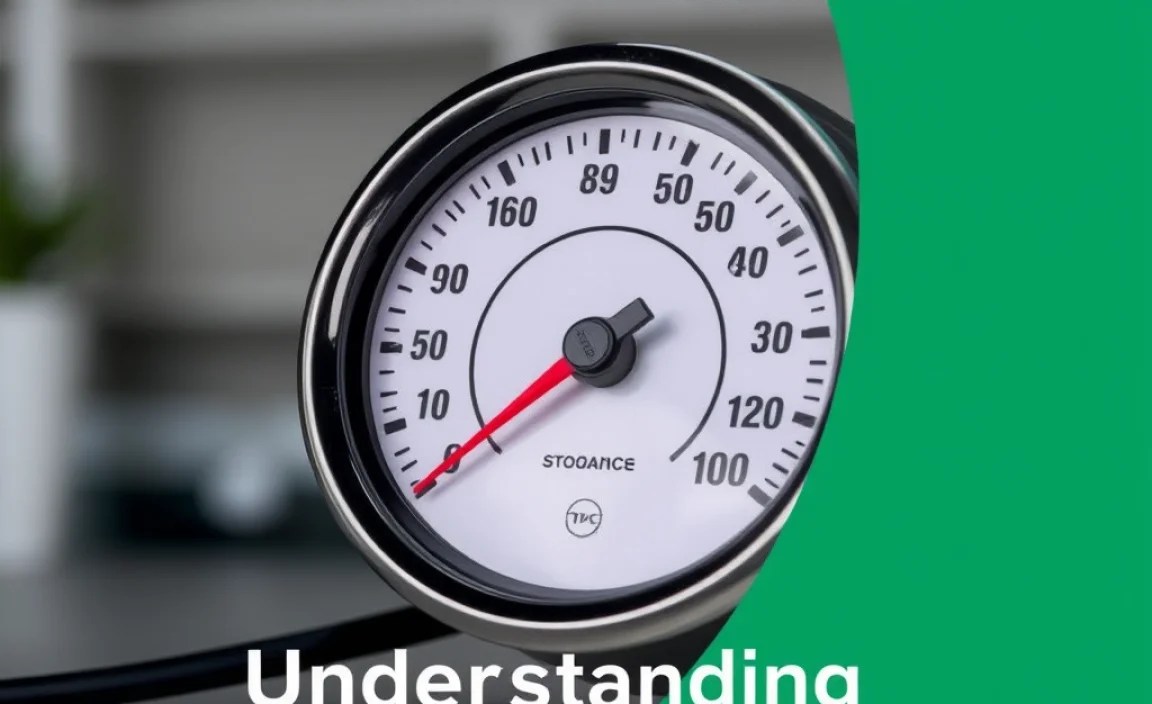
When you compare your tire gauge with another one, the readings might not be exactly the same. That is okay! There is usually some acceptable variance. This means a small difference in the numbers is normal. For example, if one gauge reads 32 PSI and the other reads 31 PSI, that is probably fine. But if one gauge reads 32 PSI and the other reads 28 PSI, that is a problem. Knowing how to test gauge against car pressure gauge includes understanding how much difference is acceptable. Generally, a variance of 1-2 PSI is considered normal. Anything more than that might mean your gauge is not accurate. It is important to know this so you can keep your tires properly inflated.
- A small difference in readings is normal.
- 1-2 PSI variance is usually acceptable.
- Larger variances indicate a problem.
- Check for consistent differences.
- Replace your gauge if needed.
Understanding acceptable variance is like knowing the rules of a game. You need to know what is allowed and what is not. In this case, you need to know how much difference is okay between the readings of two tire gauges. If the difference is small, you don’t need to worry. But if the difference is large, you need to take action. This might mean replacing your tire gauge. It is important to keep your tires properly inflated for safety. So, understanding acceptable variance is a key part of knowing how to test gauge against car pressure gauge. It helps you make sure your tires are always at the right pressure.
Fun Fact or Stat: The accuracy of a tire pressure gauge can be affected by altitude. Gauges may read slightly differently at higher altitudes.
What Is Considered A Normal Range?
Imagine you are trying to hit a target with a dart. You would not expect to hit the exact center every time, right? Sometimes you will be a little off. The same goes for tire pressure gauges. A normal range of variance is usually 1-2 PSI. This means if your car needs 32 PSI, a reading of 31 or 33 is probably okay. But anything outside that range might be a problem. Knowing how to test gauge against car pressure gauge means understanding what a normal range is. This helps you decide if your gauge is accurate enough to use. So, remember that a little bit of difference is okay, but too much is a warning sign.
Factors Affecting Gauge Accuracy
Think of your tire gauge like a delicate instrument. It can be affected by different things. For example, if you drop your gauge, it might not be accurate anymore. Also, extreme temperatures can affect the readings. If it is very hot or very cold, your gauge might not work as well. That’s why understanding how to test gauge against car pressure gauge becomes even more important. Make sure to handle your gauge with care. Keep it in a safe place when you are not using it. And try to avoid using it in extreme temperatures. This will help keep your gauge accurate for longer.
When To Replace Your Gauge
Let’s say your shoes have a hole in them. You would probably get new shoes, right? The same goes for your tire gauge. If your gauge is not accurate, you need to replace it. How do you know when it is time to replace it? If the readings are consistently off by more than 2 PSI, it is time for a new gauge. Also, if your gauge is damaged, you should replace it. Knowing how to test gauge against car pressure gauge helps you know when it is time for a new one. A new gauge will help you keep your tires properly inflated. This will keep you safe on the road.
Maintaining Your Tire Pressure Gauge

Taking care of your tire pressure gauge is important. It helps it last longer and stay accurate. One simple thing you can do is store it in a safe place. Keep it away from extreme temperatures and moisture. Also, handle it gently. Dropping it can damage the gauge. Clean it regularly with a soft cloth. This will remove any dirt or debris. Knowing how to test gauge against car pressure gauge starts with proper maintenance. This ensures your gauge is always ready when you need it. By taking good care of your gauge, you can keep your tires properly inflated and stay safe on the road.
- Store your gauge in a safe place.
- Handle it gently to avoid damage.
- Clean it regularly with a soft cloth.
- Avoid extreme temperatures and moisture.
- Check it regularly for accuracy.
Maintaining your tire pressure gauge is like taking care of your favorite toy. You want it to last a long time, so you treat it with care. Storing your gauge in a safe place is important. This prevents it from getting damaged. Handling it gently also helps. Avoid dropping it or throwing it around. Cleaning it regularly keeps it in good working order. Also, avoiding extreme temperatures and moisture helps prevent damage. Knowing how to test gauge against car pressure gauge includes knowing how to maintain it. This ensures it is always accurate and ready to use.
Fun Fact or Stat: Some high-end tire pressure gauges come with calibration certificates, ensuring their accuracy from the factory.
Proper Storage Techniques
Imagine you have a delicate flower. You would not just leave it out in the sun, right? You would put it in a safe place where it can stay healthy. The same goes for your tire gauge. You need to store it properly to keep it accurate. Keep it in a case or a drawer where it won’t get bumped around. Avoid leaving it in your car, especially in hot or cold weather. Knowing how to test gauge against car pressure gauge also means knowing how to store it. Proper storage will help your gauge last longer and stay accurate.
Cleaning Your Gauge Regularly
Think of your tire gauge like your glasses. If they are dirty, you can’t see clearly. The same goes for your gauge. If it is dirty, it might not give you accurate readings. Clean your gauge regularly with a soft cloth. This will remove any dirt or dust. Avoid using water or chemicals, as they can damage the gauge. Knowing how to test gauge against car pressure gauge includes keeping it clean. A clean gauge is more likely to be accurate. So, take a few minutes to wipe it down regularly.
Avoiding Common Mistakes
Let’s say you are trying to build a tower with blocks. You would not put the big blocks on top, right? That would make the tower fall down. The same goes for using your tire gauge. There are some common mistakes you should avoid. One mistake is not pressing the gauge firmly on the tire valve. Another mistake is not reading the gauge at eye level. Knowing how to test gauge against car pressure gauge means avoiding these mistakes. This will help you get accurate readings every time. So, be careful and pay attention when you are checking your tire pressure.
When Professional Help Is Needed
Sometimes, you might need help from a professional. If you are not sure how to test your tire gauge, ask a mechanic. They have special tools to check the accuracy of your gauge. Also, if you have trouble reading your tire gauge, a mechanic can help. They can show you how to read it correctly. Knowing how to test gauge against car pressure gauge is important, but sometimes expert help is best. If you are still unsure after testing your gauge, it is always a good idea to get a professional opinion. This will help keep you safe on the road.
- Ask a mechanic for help if unsure.
- Mechanics have tools to check accuracy.
- Get help if you can’t read the gauge.
- Professional opinion ensures safety.
- Don’t hesitate to seek expert advice.
Knowing when to seek professional help is like knowing when to call a doctor. If you are feeling sick, you might try to take care of yourself at home. But if you are not getting better, you need to see a doctor. The same goes for your tire gauge. If you are not sure how to test it, or if you are having trouble reading it, you need to ask a mechanic. Mechanics have the right tools and knowledge to help you. Knowing how to test gauge against car pressure gauge is important, but it is not always enough. Sometimes you need expert help to make sure everything is working right.
Fun Fact or Stat: Some tire shops offer free tire pressure checks and can also verify the accuracy of your personal gauge.
Recognizing Limitations Of DIY Testing
Imagine you are trying to fix a broken computer. You might be able to do some simple things, like restart it. But if it is a complicated problem, you need to take it to a professional. The same goes for testing your tire gauge. You can do some simple tests at home, like comparing it to another gauge. But if you are not sure if it is accurate, you need to get professional help. Knowing how to test gauge against car pressure gauge has its limits. A professional can use special tools to check the accuracy of your gauge and make sure it is working right.
Benefits Of Professional Calibration Services
Think of professional calibration services like getting your eyes checked. An eye doctor can use special equipment to make sure your vision is perfect. The same goes for your tire gauge. A professional calibration service can use special tools to make sure your gauge is accurate. They can also adjust your gauge if it is not working right. Knowing how to test gauge against car pressure gauge is useful, but professional calibration is even better. It ensures that your gauge is always giving you the correct readings.
Finding A Qualified Mechanic
Let’s say you are trying to find a good pizza place. You would ask your friends for recommendations, right? The same goes for finding a qualified mechanic. You can ask your friends or family for recommendations. You can also look online for reviews of local mechanics. Make sure to choose a mechanic who is experienced and trustworthy. Knowing how to test gauge against car pressure gauge is helpful, but a good mechanic can do even more. They can help you keep your car in top condition and ensure your safety on the road.
Summary
Checking your tire pressure is very important for safety and saving money. Knowing how to test gauge against car pressure gauge helps you make sure your tires are properly inflated. Comparing your gauge with another one is a good way to check its accuracy. A small difference in readings is usually okay, but a large difference means your gauge might need to be replaced. Taking care of your gauge by storing it properly and cleaning it regularly will help it last longer. If you are not sure how to test your gauge or if you have any problems, ask a mechanic for help. Keeping your tires properly inflated will help you stay safe on the road and save money on gas.
Conclusion
Checking your tire pressure is a simple way to keep you safe and save money. Make sure your tire pressure gauge is accurate. Knowing how to test gauge against car pressure gauge can help. Compare your gauge with another one. Take care of your gauge. If you are not sure, ask a mechanic. Keep your tires properly inflated for a safer ride.
Frequently Asked Questions
Question No 1: How often should I check my tire pressure?
Answer: You should check your tire pressure at least once a month. It is also a good idea to check it before going on a long trip. Tire pressure can change with the weather. So, check it more often in the winter and summer. Keeping your tires properly inflated is important for safety. It also helps you save money on gas. Using a reliable tire pressure gauge is key. Knowing how to test gauge against car pressure gauge ensures you always get accurate readings. This helps you maintain your tires properly.
Question No 2: What is the correct tire pressure for my car?
Answer: The correct tire pressure for your car is usually found on a sticker in the driver’s side door. It might also be in your car’s owner’s manual. Do not use the tire pressure listed on the tire itself. That number is the maximum pressure the tire can hold. Always use the pressure recommended by your car’s manufacturer. Keeping your tires at the right pressure helps your car handle better. It also helps your tires last longer. Knowing how to test gauge against car pressure gauge helps you maintain the correct pressure.
Question No 3: What do I do if my tire pressure is too high?
Answer: If your tire pressure is too high, you need to release some air. You can do this by pressing the metal pin in the center of the tire valve. Use your tire pressure gauge to check the pressure as you release air. Stop when you reach the correct pressure. Over-inflated tires can be dangerous. They can cause your car to handle poorly. They can also cause your tires to wear out unevenly. So, it is important to keep your tires at the right pressure. Knowing how to test gauge against car pressure gauge helps you avoid over-inflation.
Question No 4: What do I do if my tire pressure is too low?
Answer: If your tire pressure is too low, you need to add air. You can do this at a gas station or with an air compressor. Use your tire pressure gauge to check the pressure as you add air. Stop when you reach the correct pressure. Under-inflated tires can be dangerous. They can cause your car to use more gas. They can also cause your tires to wear out unevenly. So, it is important to keep your tires at the right pressure. Testing your tire gauge ensures accurate readings.
Question No 5: How do I know if my tire pressure gauge is accurate?
Answer: You can check the accuracy of your tire pressure gauge by comparing it with another gauge. Check the pressure in your tires with both gauges. If the readings are the same, your gauge is likely accurate. If the readings are different, one of the gauges might be wrong. You can also take your car to a mechanic. They have tools to check your gauge. If your gauge is not accurate, replace it. Knowing how to test gauge against car pressure gauge is important for safety.
Question No 6: Can temperature affect my tire pressure?
Answer: Yes, temperature can affect your tire pressure. When the temperature goes down, your tire pressure will also go down. When the temperature goes up, your tire pressure will also go up. That is why it is important to check your tire pressure regularly. Especially in the winter and summer. Adjust your tire pressure as needed to keep it at the correct level. How to test gauge against car pressure gauge remains the same regardless of temperature, but the readings will vary. Knowing this helps you maintain your tires properly.


