
Pro Bike Tool Mini Pump: Your Easy Inflation Fix

Quick Summary: A pro bike tool mini pump is your best friend for on-the-go tire inflation. To use one effectively, securely attach the pump head to your tire valve, engage the locking lever (if present), and pump steadily using your body weight. Check tire pressure frequently, and remember to carry it on every ride for quick fixes!
Flat tires always seem to happen at the worst times, right? You’re miles from home, enjoying a great ride, and then *psssshhh* – that dreaded sound. A mini pump is your first line of defense, but using it correctly can be tricky. Many cyclists struggle with getting enough pressure or properly attaching the pump head. Don’t worry! This guide will walk you through how to use a pro bike tool mini pump like a pro, getting you back on the road quickly and easily. We’ll cover everything from choosing the right pump to mastering the pumping technique.
Choosing the Right Pro Bike Tool Mini Pump

Not all mini pumps are created equal. Picking the right one for your needs is the first step. Here’s what to consider:
Pump Type
- Hand Pumps: Compact and lightweight, perfect for carrying on rides.
- Hybrid Pumps: Combine hand pump with CO2 inflator for faster inflation.
Valve Compatibility
Make sure the pump head works with your bike’s valves. The two main types are:
- Presta: Narrow valve with a locking nut, common on road bikes.
- Schrader: Wider valve, like those on car tires, often found on mountain and hybrid bikes.
Some pumps have dual heads or adapters to work with both valve types.
Pressure Rating (PSI)
Consider the maximum pressure your tires require. Road bikes often need higher pressures (100+ PSI) than mountain bikes (30-50 PSI). Choose a pump with a suitable PSI rating.
Size and Weight
A smaller, lighter pump is easier to carry. Look for pumps that fit easily in your jersey pocket or attach securely to your bike frame.
Material and Durability
Look for pumps made from durable materials like aluminum alloy. A robust pump will withstand the rigors of regular use and last longer.
Features
- Pressure Gauge: Helps you inflate tires to the correct pressure.
- Extendable Hose: Makes it easier to reach the valve and reduces stress on the valve stem.
- Mounting Bracket: Allows you to attach the pump to your bike frame.
Essential Features to Look For

When selecting a pro bike tool mini pump, focus on these key features:
- High Volume vs. High Pressure: High-volume pumps move more air per stroke, ideal for mountain bike tires. High-pressure pumps are designed for road bike tires needing higher PSI.
- Ergonomic Handle: A comfortable handle reduces hand fatigue during pumping.
- Secure Locking Mechanism: Ensures a tight seal on the valve to prevent air leakage.
- Dust Cover: Protects the pump head from dirt and debris.
Step-by-Step Guide to Using a Pro Bike Tool Mini Pump

Follow these steps to inflate your tires quickly and efficiently:
Step 1: Prepare Your Bike and Pump
- Remove the Pump: Take the mini pump from its storage location (jersey pocket, saddlebag, or frame mount).
- Inspect the Pump: Check the pump for any damage or debris in the pump head.
- Prepare the Valve: For Presta valves, unscrew the valve nut. For Schrader valves, remove the valve cap.
Step 2: Attach the Pump Head to the Valve
- Position the Pump Head: Align the pump head with the valve. Some pumps have separate openings for Presta and Schrader valves.
- Engage the Locking Lever (If Applicable): Many pumps have a lever that locks the pump head onto the valve. Open the lever before attaching, then close it to secure the connection.
- Ensure a Secure Fit: Make sure the pump head is firmly attached to the valve to prevent air leakage.
Step 3: Inflate the Tire
- Position Yourself: Place the tire valve at the bottom of the wheel, near the ground. This provides stability and leverage.
- Start Pumping: Grip the pump handle firmly with both hands. Use your body weight to push down on the pump.
- Maintain a Steady Rhythm: Pump smoothly and consistently. Avoid jerky motions.
- Check Tire Pressure: Periodically check the tire pressure by squeezing the tire or using a pressure gauge (if your pump has one).
- Continue Pumping: Continue pumping until you reach the desired tire pressure.
Step 4: Detach the Pump and Secure the Valve
- Open the Locking Lever (If Applicable): If your pump has a locking lever, open it to release the pump head.
- Detach the Pump Head: Carefully remove the pump head from the valve.
- Close the Valve: For Presta valves, tighten the valve nut. For Schrader valves, replace the valve cap.
- Store the Pump: Return the mini pump to its storage location.
Troubleshooting Common Issues
Sometimes, things don’t go as planned. Here’s how to handle common problems:
- Air Leaking: Ensure the pump head is securely attached to the valve. Check the O-rings in the pump head for damage.
- Difficulty Pumping: Make sure the pump is properly lubricated. Check for any obstructions in the pump.
- Valve Damage: If the valve is damaged, you may need to replace the inner tube.
- Not Reaching Desired Pressure: Mini pumps require more effort than floor pumps. Be patient and persistent. Consider using a CO2 inflator for faster inflation.
Tips for Efficient Pumping
Maximize your pumping efficiency with these tips:
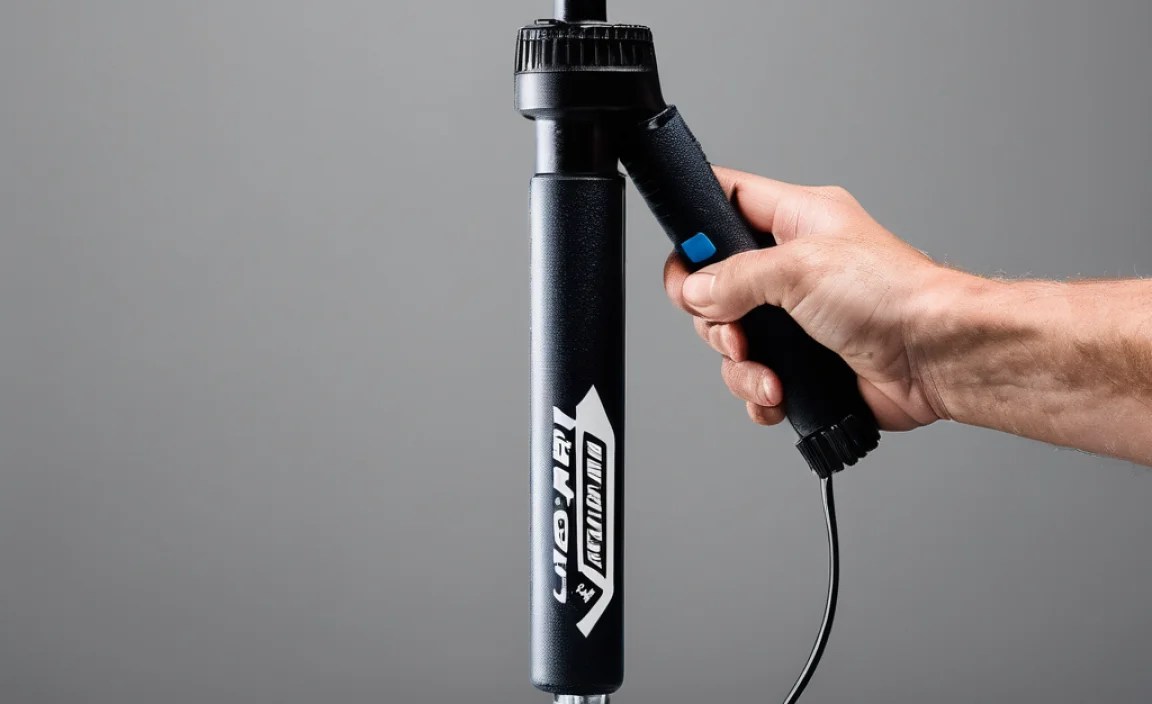
- Use Your Body Weight: Lean over the pump and use your body weight to generate more force.
- Keep Your Arms Straight: This helps transfer more power to the pump.
- Pump in Short Bursts: Avoid long, continuous strokes, which can cause fatigue.
- Lubricate the Pump: Regularly lubricate the pump piston with a silicone-based lubricant.
Maintaining Your Pro Bike Tool Mini Pump
Regular maintenance will keep your mini pump in top condition:
- Clean the Pump: Wipe down the pump with a damp cloth after each use.
- Lubricate the Piston: Apply a few drops of silicone-based lubricant to the piston every few months.
- Check the O-Rings: Inspect the O-rings in the pump head for wear and tear. Replace them as needed.
- Store Properly: Store the pump in a dry place to prevent corrosion.
Pro Bike Tool Mini Pump Recommendations
Here are some top-rated mini pumps to consider:
| Pump Name | Valve Compatibility | Max PSI | Features |
|---|---|---|---|
| Lezyne Road Drive | Presta | 160 | Lightweight, efficient |
| Topeak RaceRocket HP | Presta/Schrader | 160 | Compact, high-pressure |
| Crankbrothers Sterling LG | Presta/Schrader | 100 | High-volume, easy to use |
| Blackburn Core Mini-Pump | Presta/Schrader | 120 | Durable, affordable |
Comparing Mini Pumps vs. CO2 Inflators
Both mini pumps and CO2 inflators have their pros and cons:
| Feature | Mini Pump | CO2 Inflator |
|---|---|---|
| Speed | Slower | Faster |
| Reliability | More reliable (no cartridges needed) | Requires CO2 cartridges |
| Cost | Lower (initial cost) | Higher (ongoing cost of cartridges) |
| Environmental Impact | Lower | Higher (cartridges are single-use) |
| Ease of Use | Requires physical effort | Easier, less effort |
Additional Tools and Accessories
Enhance your flat-fixing kit with these items:
- Tire Levers: Help remove the tire from the rim.
- Multi-Tool: Includes essential tools like Allen wrenches and screwdrivers.
- Patch Kit: For repairing small punctures.
- Spare Inner Tube: A must-have for quick replacements.
- Saddlebag or Backpack: To carry your tools and accessories.
Tips for Preventing Flat Tires
Prevention is always better than cure. Here are some tips to minimize your chances of getting a flat:
- Maintain Proper Tire Pressure: Check your tire pressure before each ride.
- Inspect Your Tires Regularly: Look for cuts, embedded glass, or other debris.
- Use Tire Liners: These provide an extra layer of protection against punctures.
- Choose the Right Tires: Select tires that are appropriate for the terrain you’ll be riding on.
- Avoid Riding Through Debris: Steer clear of glass, potholes, and other hazards.
Safety Considerations
Always prioritize safety when fixing a flat tire:
- Pull Over to a Safe Location: Get off the road or trail to avoid traffic.
- Wear Gloves: Protect your hands from dirt and grease.
- Be Aware of Your Surroundings: Watch out for cars, pedestrians, and other hazards.
- Carry a Cell Phone: In case you need to call for help.
FAQ About Pro Bike Tool Mini Pumps
Q: How do I know what PSI to inflate my tires to?
A: Check the sidewall of your tire. It will list the recommended PSI range. Use a pump with a gauge for accuracy.
Q: Can I use a mini pump for tubeless tires?
A: Yes, but it might be challenging to seat the bead initially. A high-volume pump or CO2 inflator is often preferred for tubeless setups.
Q: My pump head won’t attach to the valve. What should I do?
A: Make sure you’re using the correct opening for your valve type (Presta or Schrader). Check for any debris in the pump head. Ensure the valve core is tightened.
Q: How often should I lubricate my mini pump?
A: Lubricate the pump piston every few months, or more frequently if you use the pump often.
Q: What’s the difference between a high-volume and a high-pressure pump?
A: High-volume pumps move more air per stroke, ideal for mountain bike tires. High-pressure pumps are designed for road bike tires needing higher PSI.
Q: My mini pump doesn’t have a gauge. How can I tell if my tire is properly inflated?
A: Squeeze the tire. It should feel firm but not rock hard. If you’re unsure, it’s best to invest in a pump with a gauge or carry a separate pressure gauge.
Q: Can I use a car tire pump on my bike?
A: Yes, if you have a Schrader valve. However, car tire pumps are often bulky and can overinflate bike tires easily. Use short bursts and check the pressure frequently.
Conclusion
Mastering the use of a pro bike tool mini pump is a crucial skill for any cyclist. By choosing the right pump, following the step-by-step instructions, and practicing regularly, you’ll be able to quickly and confidently fix flat tires on the road. Remember to maintain your pump, carry essential accessories, and prioritize safety. With a little practice, you’ll be back in the saddle in no time, enjoying your ride without the fear of being stranded by a flat tire. So, get out there, explore, and ride with confidence!


