
How to Use Mini Pump for BMX Tires: Easy Guide

**Quick Summary:** Using a mini pump for your BMX tires is straightforward! Connect the pump head securely to the valve (either Schrader or Presta). Lock the lever if your pump has one. Then, pump steadily until you reach your desired tire pressure, usually between 40-60 PSI. Check the pressure with a gauge for accuracy.
Hey, Raymond Ammons here from BicyclePumper.com. Ever been stuck with a flat BMX tire and only a mini pump? It can feel like a workout before the real ride even begins. Many riders struggle to get their tires properly inflated with these compact pumps, but don’t worry! It’s totally doable with the right technique.
In this guide, I’ll walk you through a simple, step-by-step method to efficiently inflate your BMX tires using a mini pump. We’ll cover everything from choosing the right pump to mastering the pumping motion. Get ready to conquer those flats and get back to riding!
Choosing the Right Mini Pump for Your BMX

Not all mini pumps are created equal. For BMX tires, which typically require higher pressures, you’ll want to choose a pump designed for the task. Here’s what to look for:
Key Features to Consider
- Pressure Rating: Ensure the pump can reach at least 80 PSI (pounds per square inch). Many BMX tires are inflated between 40-60 PSI, but having extra capacity is helpful.
- Valve Compatibility: Most mini pumps are compatible with both Schrader and Presta valves. Some have dual heads, while others require disassembly and reassembly to switch between valve types. Make sure it matches your BMX tire valves.
- Pump Length and Volume: Longer pumps generally move more air per stroke, making inflation faster. Look for a pump that balances portability with pumping efficiency.
- Build Quality: A durable pump will last longer and withstand the rigors of roadside repairs. Look for pumps with aluminum alloy barrels and sturdy construction.
- Gauge (Optional): Some mini pumps come with built-in gauges. While these can be useful, they are often less accurate than standalone pressure gauges.
Recommended Mini Pumps for BMX Tires
Here are a few mini pumps that are well-suited for inflating BMX tires:
| Pump Model | Pressure Rating (PSI) | Valve Compatibility | Key Features |
|---|---|---|---|
| Lezyne Road Drive | 160 | Presta/Schrader (reversible) | High-pressure, lightweight, efficient |
| Topeak RaceRocket HP | 120 | Presta/Schrader (SmartHead ThreadLock) | Compact, high-pressure, easy to use |
| Crankbrothers Sterling LG | 100 | Presta/Schrader (reversible) | Larger volume, faster inflation |
| Park Tool PMP-4 | 100 | Presta/Schrader | Durable, reliable, good value |
Understanding BMX Tire Valves

BMX bikes typically use one of two types of valves: Schrader or Presta. Knowing which one you have is crucial for proper inflation.
Schrader Valves
Schrader valves are the same type found on car tires. They are wider and sturdier than Presta valves. To inflate a Schrader valve, simply remove the valve cap and attach the pump head directly.
Presta Valves
Presta valves are narrower and typically found on higher-end bikes. Before inflating a Presta valve, you need to unscrew the small nut at the top of the valve. After inflating, remember to screw the nut back down to prevent air from leaking out.
| Valve Type | Appearance | Pros | Cons |
|---|---|---|---|
| Schrader | Wider, sturdier | Common, easy to use, durable | Less precise pressure control, can be bulky |
| Presta | Narrower, with a locking nut | More precise pressure control, lighter | More fragile, requires unlocking before inflation |
Step-by-Step Guide: Inflating Your BMX Tires with a Mini Pump

Now, let’s get down to the nitty-gritty. Follow these steps to inflate your BMX tires using a mini pump:
1. Prepare Your Bike and Pump
- Position Your Bike: Place your bike on a stable surface. If you have a bike stand, now is the time to use it. Otherwise, lean it against a wall or sturdy object.
- Inspect the Tire: Check the tire for any visible damage, such as cuts or embedded objects. Remove any debris before inflating.
- Prepare the Pump: Make sure your mini pump is in good working condition. Check the pump head for any cracks or damage. If it’s a reversible head, ensure it’s set to the correct valve type (Schrader or Presta).
2. Connect the Pump to the Valve
For Schrader Valves:
- Remove the valve cap by twisting it counterclockwise. Store it in a safe place so you don’t lose it.
- Press the pump head firmly onto the valve. Ensure it’s a tight seal to prevent air leakage.
- If your pump has a locking lever, flip it to secure the connection.
For Presta Valves:
- Remove the valve cap by twisting it counterclockwise. Store it safely.
- Unscrew the small nut at the top of the valve by twisting it counterclockwise.
- Press the pump head onto the valve. Make sure it’s a tight seal.
- Flip the locking lever (if your pump has one) to secure the connection.
3. Inflate the Tire
- Position Yourself: Stand with your feet shoulder-width apart and your body weight balanced.
- Grip the Pump: Hold the pump handle firmly with both hands.
- Pump Steadily: Use a smooth, consistent motion to pump air into the tire. Push down on the handle with your body weight, rather than just using your arms.
- Listen and Feel: Pay attention to the sound and feel of the pump. If you hear air leaking, check the connection between the pump head and the valve.
- Take Breaks: Mini pumps require more effort than floor pumps. Take breaks as needed to avoid fatigue.
4. Check the Tire Pressure
- Use a Pressure Gauge: The most accurate way to check tire pressure is with a standalone pressure gauge. Digital gauges are generally more precise than analog gauges.
- Target Pressure: Refer to the sidewall of your BMX tire for the recommended pressure range. A typical range is between 40-60 PSI, but this can vary depending on the tire and your riding style.
- Adjust as Needed: If the pressure is too low, continue pumping. If it’s too high, carefully release some air by pressing the valve core (for Schrader valves) or briefly unscrewing the Presta valve nut.
5. Disconnect the Pump and Secure the Valve
For Schrader Valves:
- Flip the locking lever (if applicable) to release the pump head.
- Carefully remove the pump head from the valve.
- Replace the valve cap by twisting it clockwise until it’s snug.
For Presta Valves:
- Flip the locking lever (if applicable) to release the pump head.
- Carefully remove the pump head from the valve.
- Screw the nut at the top of the valve clockwise until it’s snug.
- Replace the valve cap by twisting it clockwise until it’s snug.
Tips for Efficient Pumping
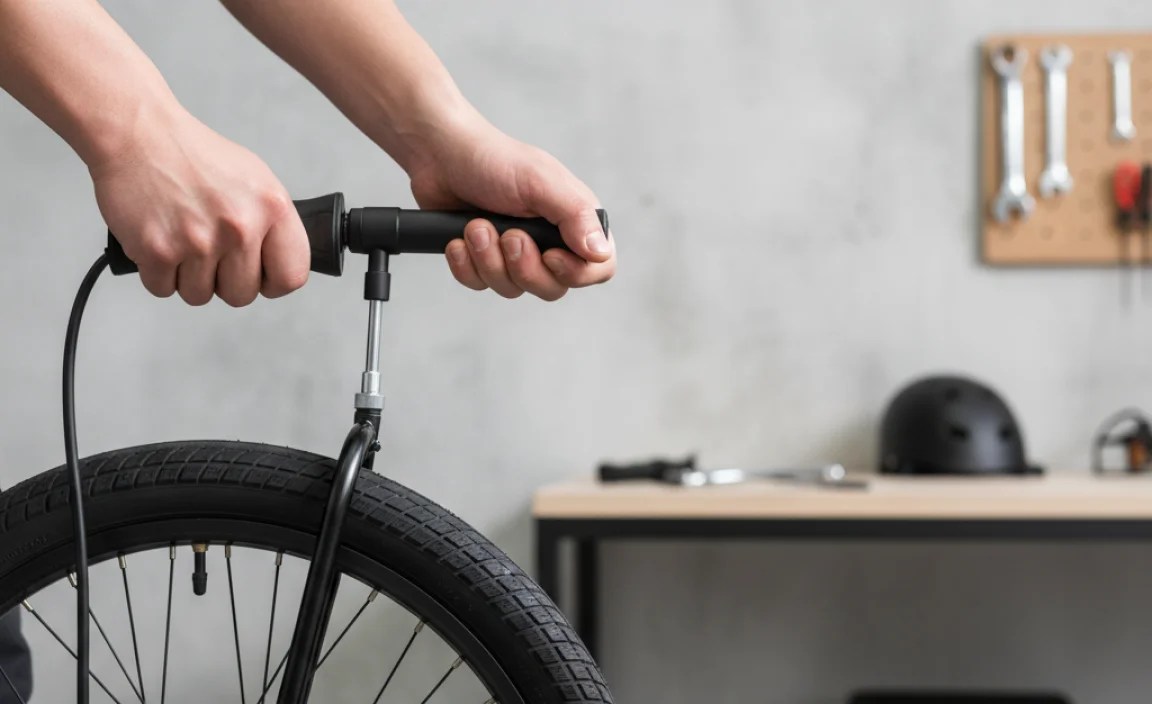
Using a mini pump can be tiring, but these tips will help you pump more efficiently:
- Use Your Body Weight: Instead of relying solely on your arm strength, use your body weight to push down on the pump handle. This will generate more force and reduce fatigue.
- Maintain a Smooth Motion: Avoid jerky or erratic movements. A smooth, consistent pumping motion is more efficient and less likely to damage the pump or valve.
- Keep the Pump Clean: Regularly clean your mini pump to remove dirt and debris. This will help maintain its performance and prolong its lifespan.
- Lubricate the Piston: Apply a small amount of silicone-based lubricant to the pump piston occasionally to keep it moving smoothly.
- Practice Makes Perfect: The more you use your mini pump, the better you’ll become at inflating your tires quickly and efficiently.
Troubleshooting Common Issues
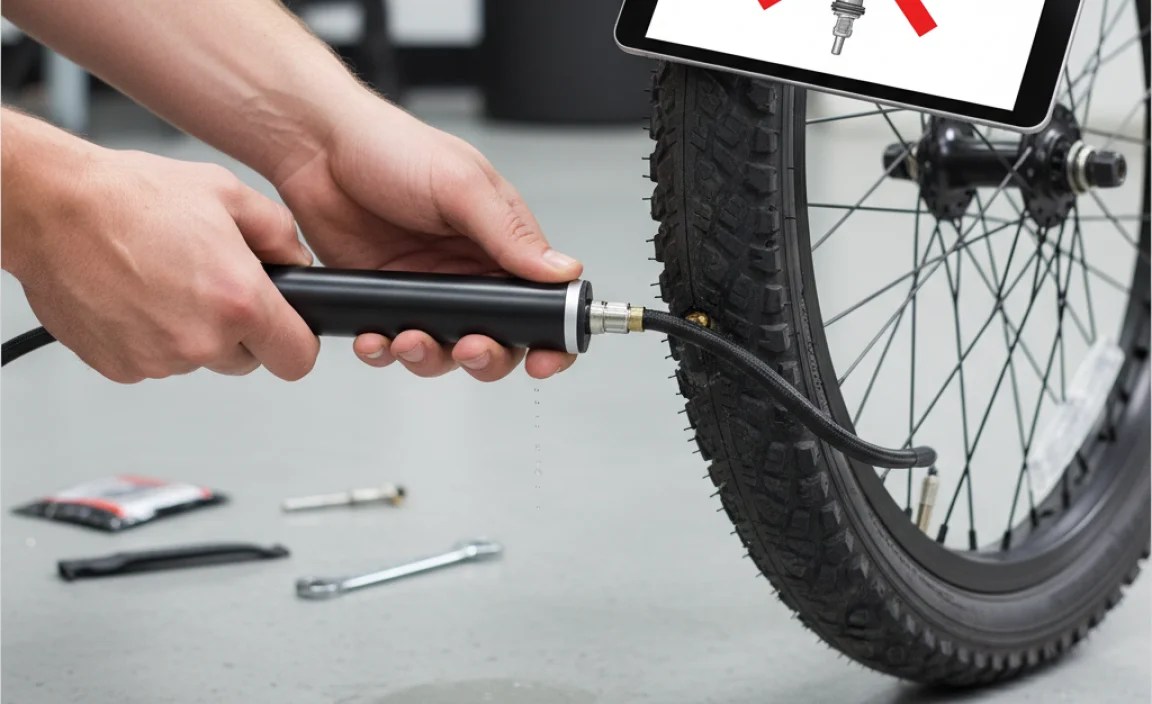
Even with the best technique, you might encounter some issues while using a mini pump. Here are some common problems and how to solve them:
| Problem | Possible Cause | Solution |
|---|---|---|
| Air Leaking | Loose pump head connection | Ensure the pump head is securely attached to the valve. Flip the locking lever (if applicable). |
| Pump Not Pushing Air | Valve not open (Presta), pump head not aligned | For Presta, unscrew the valve nut. Check pump head alignment with the valve. |
| Difficulty Pumping | Dry pump piston | Lubricate the pump piston with silicone-based lubricant. |
| Valve Damage | Over-tightening (Presta), bent valve core | Replace the valve or tube. Be gentle when tightening Presta valve nuts. |
Maintaining Your Mini Pump
A little maintenance goes a long way in keeping your mini pump in top condition. Here are some tips:
- Clean Regularly: Wipe down the pump with a damp cloth after each use to remove dirt and grime.
- Lubricate: Apply a small amount of silicone-based lubricant to the piston and other moving parts every few months.
- Store Properly: Store your mini pump in a dry place, away from direct sunlight and extreme temperatures.
- Inspect Regularly: Check the pump head, hose, and other components for signs of wear and tear. Replace any damaged parts promptly.
Alternative Inflation Methods
While a mini pump is a great tool for roadside repairs, there are other options for inflating your BMX tires at home or in the shop:
- Floor Pump: A floor pump is much more efficient than a mini pump and is ideal for inflating tires at home. They provide more leverage and typically have built-in pressure gauges.
- CO2 Inflator: CO2 inflators use cartridges of compressed carbon dioxide to quickly inflate tires. They are lightweight and convenient, but you’ll need to carry extra cartridges.
- Air Compressor: An air compressor can quickly inflate tires to the desired pressure. This is a good option if you have access to one, but it’s not portable.
FAQ: Mini Pumps for BMX Tires
Can I use any mini pump for my BMX tires?
Not all mini pumps are suitable for BMX tires. Look for a pump that can reach at least 80 PSI, as BMX tires typically require higher pressures than road bike tires.
How do I know what pressure to inflate my BMX tires to?
Check the sidewall of your tire for the recommended pressure range. This is usually printed in PSI (pounds per square inch). A typical range for BMX tires is between 40-60 PSI.
What’s the difference between Schrader and Presta valves?
Schrader valves are wider and sturdier, similar to those found on car tires. Presta valves are narrower and have a locking nut at the top. Most BMX bikes use Schrader valves, but some higher-end models may use Presta valves.
Why is it so hard to pump with a mini pump?
Mini pumps are designed for portability, not efficiency. They have small barrels, which means you need to pump more strokes to inflate the tire. Use your body weight to push down on the handle and take breaks as needed.
How accurate are the gauges on mini pumps?
The gauges on mini pumps are often less accurate than standalone pressure gauges. For precise pressure readings, use a separate digital or analog pressure gauge.
What should I do if air is leaking while I’m pumping?
Check the connection between the pump head and the valve. Make sure it’s a tight seal and that the locking lever (if applicable) is engaged. If the leak persists, the valve or pump head may be damaged.
How often should I maintain my mini pump?
Clean your mini pump after each use and lubricate the piston every few months. Regularly inspect the pump head and hose for signs of wear and tear. Store the pump in a dry place to prevent corrosion.
Conclusion
Inflating your BMX tires with a mini pump might take a bit of effort, but with the right technique and a suitable pump, you can get the job done. Remember to choose a pump with a high enough pressure rating, properly connect the pump head to the valve, and use smooth, consistent pumping motions. Always check the tire pressure with a gauge for accuracy. With a little practice, you’ll be back on the track or street in no time, shredding with confidence. Keep those tires pumped and happy riding from BicyclePumper.com!


