
How to Remove Stuck Piston From Hand Pump: Easy Fix

Quick Summary: A stuck piston in your hand pump is frustrating, but fixable! First, try applying penetrating oil around the piston. Let it sit for a few hours. Then, gently try to move the piston with pliers, protecting it with a cloth. If it’s still stuck, use heat from a hairdryer to expand the pump body. Patience and persistence are key!
Is your trusty hand pump refusing to pump air because the piston is stuck? Don’t worry, you’re not alone! This is a common problem for cyclists, especially if the pump hasn’t been used in a while. A stuck piston can happen due to dried-up grease, corrosion, or debris. The good news is, you can usually fix it yourself with a few simple tools and a bit of patience. We’ll walk you through a step-by-step guide to get your pump working like new again. Let’s get that piston moving!
Tools You’ll Need
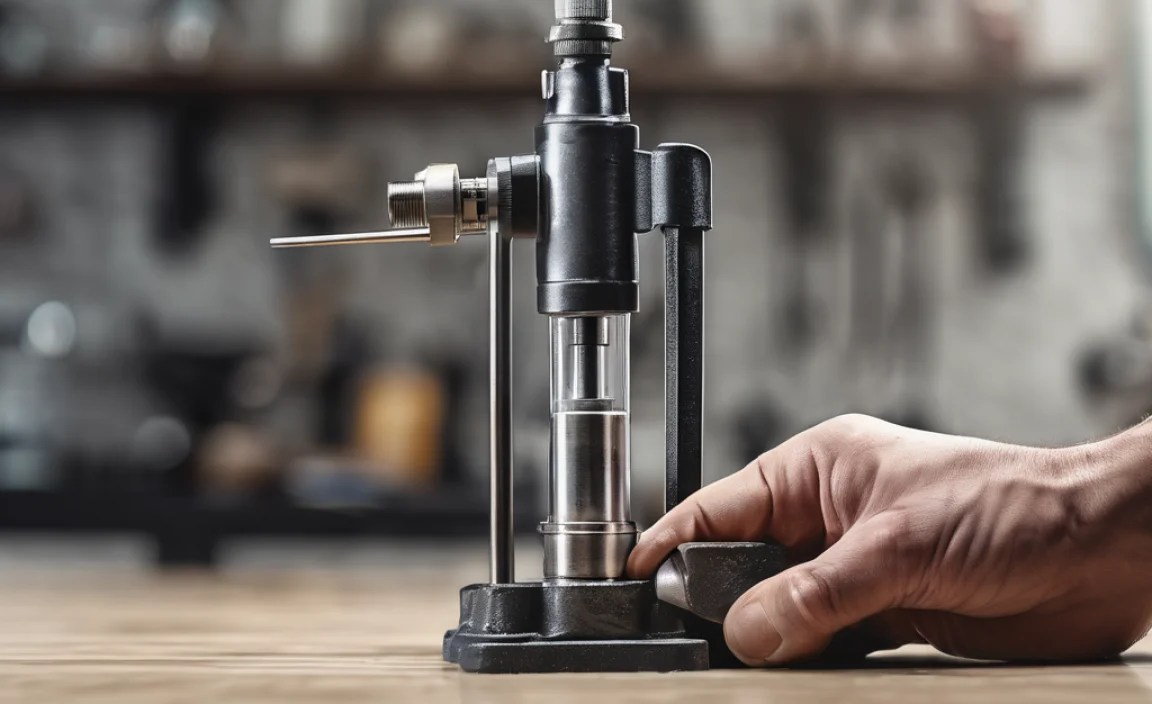
Before you start, gather these tools. Having everything ready will make the job easier.
- Penetrating Oil: Like WD-40 or Liquid Wrench.
- Soft Cloth or Rag: To protect the piston and pump.
- Pliers: For gently gripping the piston rod.
- Hair Dryer: To apply gentle heat.
- Grease: To lubricate the piston after removal.
- Safety Glasses: To protect your eyes.
- Gloves: To protect your hands.
Step-by-Step Guide to Removing a Stuck Piston

Follow these steps carefully to safely remove the stuck piston from your hand pump.
Step 1: Prepare the Pump
Before you start, make sure your pump is clean. Wipe off any dirt or debris from the outside. This will prevent anything from getting inside and causing more problems.
Step 2: Apply Penetrating Oil
This is often the most crucial step. Penetrating oil helps to loosen the corrosion and dried grease that’s causing the piston to stick.
- Locate the Piston Rod: Find where the piston rod enters the pump body.
- Apply the Oil: Spray penetrating oil around the piston rod where it enters the pump body.
- Let it Soak: Let the oil sit for at least a few hours, or even overnight. This gives it time to work its way into the tight spaces. Reapply the oil every few hours if possible.
Step 3: Gently Try to Move the Piston
After letting the oil soak, try to gently move the piston. Never force it, as this could damage the pump.
- Protect the Piston Rod: Wrap a soft cloth around the piston rod. This will protect it from scratches and damage from the pliers.
- Grip with Pliers: Gently grip the piston rod with pliers.
- Try to Rotate: Try to rotate the piston rod back and forth. Don’t apply too much force. The goal is to break the seal of the corrosion or dried grease.
- Try to Pull: Gently try to pull the piston rod out of the pump. Again, don’t force it.
Step 4: Apply Heat (If Needed)
If the piston is still stuck, applying gentle heat can help. Heat expands the metal in the pump body, which can loosen the piston.
- Use a Hair Dryer: A hair dryer is perfect for this. Avoid using a heat gun or open flame, as these can damage the pump.
- Heat the Pump Body: Heat the area around the piston for a few minutes.
- Try Again: After heating, try steps 3 again – gently rotating and pulling the piston.
Step 5: Repeat and Be Patient
Removing a stuck piston often takes time and patience. Repeat steps 2-4 several times. Keep applying penetrating oil and gently trying to move the piston. Don’t get discouraged if it doesn’t come out right away.
Step 6: Disassemble the Pump (If Necessary)
If the piston still won’t budge, you may need to disassemble the pump. This will give you better access to the piston and allow you to apply more penetrating oil.
- Consult the Manual: If you have the pump’s manual, consult it for disassembly instructions.
- Remove End Caps: Most hand pumps have end caps that can be unscrewed or removed with a screwdriver.
- Expose the Piston: Once the end caps are removed, you should be able to see more of the piston and pump mechanism.
- Apply More Oil: Apply penetrating oil directly to the piston and inside the pump cylinder.
- Try to Push: Use a dowel or similar tool to gently push the piston from the opposite end.
Step 7: Clean and Lubricate
Once you’ve removed the piston, it’s important to clean everything thoroughly and apply fresh grease.
- Clean the Piston: Clean the piston with a clean cloth to remove any old grease, dirt, or corrosion.
- Clean the Cylinder: Clean the inside of the pump cylinder with a cloth. You can use a solvent like mineral spirits if necessary, but make sure to remove all traces of the solvent before reassembling.
- Apply Fresh Grease: Apply a thin layer of grease to the piston and the inside of the cylinder. Use a grease that’s specifically designed for bicycle components.
Step 8: Reassemble the Pump
Now, put everything back together.
- Insert the Piston: Carefully insert the piston back into the cylinder.
- Reattach End Caps: Reattach the end caps and tighten them securely.
- Test the Pump: Test the pump to make sure it’s working properly. It should now pump air smoothly and easily.
Troubleshooting Tips
Sometimes, even after following these steps, you might still encounter problems. Here are a few troubleshooting tips:
- Piston Still Stuck: If the piston is still stuck after repeated attempts, consider taking the pump to a bike shop. They may have specialized tools or techniques to remove it.
- Pump Leaks Air: If the pump leaks air after reassembly, check the O-rings on the piston. They may be worn or damaged and need to be replaced.
- Pump Feels Rough: If the pump feels rough or difficult to use, make sure you’ve applied enough grease. You may also need to clean the cylinder more thoroughly.
Preventing Future Problems
The best way to deal with a stuck piston is to prevent it from happening in the first place. Here are a few tips:
- Regular Maintenance: Regularly clean and lubricate your pump. This will keep the piston moving smoothly and prevent corrosion.
- Proper Storage: Store your pump in a dry place. This will prevent moisture from getting inside and causing corrosion.
- Use Regularly: Use your pump regularly. This will keep the piston moving and prevent it from sticking.
Different Types of Hand Pumps and Their Pistons

Hand pumps come in various designs, and the piston mechanism can differ slightly. Understanding the type of pump you have can help in the removal process.
Floor Pumps
Floor pumps are the most common type for home use. They typically have a long cylinder and a T-handle for easy pumping. The piston is usually located inside the cylinder and is connected to the handle via a rod.
Mini Pumps
Mini pumps are small and portable, designed for on-the-go use. They often have a shorter cylinder and a smaller handle. The piston mechanism is similar to floor pumps, but everything is more compact.
Frame-Mounted Pumps
Frame-mounted pumps attach directly to the bike frame. They’re convenient for carrying with you, but they may not be as efficient as floor pumps or mini pumps. The piston mechanism is usually simpler, with a direct connection between the handle and the piston.
| Pump Type | Piston Location | Typical Features |
|---|---|---|
| Floor Pump | Inside Cylinder | Long cylinder, T-handle, efficient |
| Mini Pump | Inside Cylinder | Compact, portable, less efficient |
| Frame-Mounted Pump | Inside Cylinder | Attaches to frame, convenient, simpler mechanism |
Choosing the Right Grease for Your Pump
Using the right grease is crucial for keeping your pump working smoothly. Here’s what to look for:
- Bike-Specific Grease: Use a grease that’s specifically designed for bicycle components. These greases are formulated to withstand the conditions that bike parts are exposed to, such as moisture and temperature changes.
- Lithium Grease: Lithium grease is a good all-purpose grease that’s suitable for many bike applications, including pump pistons.
- Silicone Grease: Silicone grease is another good option, especially for rubber or plastic parts. It won’t damage these materials like some other greases can.
- Avoid Petroleum-Based Greases: Avoid using petroleum-based greases on rubber or plastic parts, as they can cause them to swell or degrade.
Understanding Pump Anatomy: A Quick Guide
Knowing the different parts of your hand pump can help you diagnose and fix problems more easily. Here’s a quick overview of the key components:
- Cylinder: The main body of the pump, where the piston moves.
- Piston: The part that moves inside the cylinder to create pressure.
- Piston Rod: The rod that connects the piston to the handle.
- Handle: The part you grip to operate the pump.
- O-Rings: Rubber rings that seal the piston and prevent air leaks.
- Check Valve: A one-way valve that allows air to flow into the tire but not back out.
- Hose: The flexible tube that connects the pump to the tire valve.
- Valve Connector: The part that attaches to the tire valve (Presta or Schrader).
Alternatives to DIY: When to Call a Professional
While many stuck piston issues can be resolved at home, there are times when seeking professional help is the best course of action.
- Severe Damage: If the pump cylinder is cracked or severely corroded, it may be beyond repair.
- Specialized Tools Needed: Some pumps require specialized tools for disassembly or repair.
- Lack of Experience: If you’re not comfortable working on mechanical devices, it’s best to take the pump to a bike shop.
- Cost vs. Replacement: Consider the cost of repair versus the cost of a new pump. In some cases, it may be more economical to simply replace the pump.
Safety First: Important Precautions
Working with tools and mechanical devices can be hazardous if you’re not careful. Always follow these safety precautions:
- Wear Safety Glasses: Protect your eyes from flying debris.
- Wear Gloves: Protect your hands from grease, oil, and sharp edges.
- Work in a Well-Ventilated Area: When using solvents or penetrating oils, work in a well-ventilated area to avoid inhaling fumes.
- Unplug Electrical Devices: When using a hair dryer, make sure it’s unplugged when not in use.
- Don’t Force It: Never force any parts. If something doesn’t want to move, stop and reassess the situation.
Hand Pump Brands and Models Known for Durability
Investing in a high-quality hand pump can reduce the likelihood of encountering issues like stuck pistons. Here are some brands and models known for their durability and reliability:
- Lezyne: Lezyne pumps are known for their high-quality construction and innovative designs.
- Topeak: Topeak offers a wide range of pumps to suit different needs and budgets.
- Silca: Silca pumps are legendary for their durability and performance.
- Park Tool: Park Tool pumps are built to withstand the rigors of professional use.
- Blackburn: Blackburn pumps offer a good balance of quality and affordability.
External Resources for Bike Pump Maintenance
For more in-depth information on bike pump maintenance, check out these external resources:
- Park Tool Repair Help: Offers detailed guides and videos on bike repair and maintenance.
- BikeRadar’s Guide to Bike Pumps: Provides reviews and comparisons of different bike pumps.
- REI Expert Advice on Bike Maintenance: Offers tips and advice on various aspects of bike maintenance.
FAQ: Removing a Stuck Piston from a Hand Pump
Why does my bike pump piston get stuck?
Bike pump pistons get stuck due to dried grease, corrosion, or debris buildup inside the cylinder. Regular cleaning and lubrication can prevent this.
Can I use any oil to loosen the piston?
It’s best to use penetrating oil like WD-40 or Liquid Wrench. These oils are designed to seep into tight spaces and loosen corrosion. Avoid using cooking oils, as they can become sticky over time.
How long should I let the penetrating oil soak?
Let the penetrating oil soak for at least a few hours, or even overnight. The longer it soaks, the better chance it has of loosening the piston. Reapply the oil every few hours if possible.
What if the piston is still stuck after applying heat?
If the piston is still stuck after applying heat, try repeating the process several times. You can also try disassembling the pump to get better access to the piston. If all else fails, consider taking the pump to a bike shop.
Can I use a hammer to force the piston out?
No, never use a hammer to force the piston out. This can damage the pump and potentially injure yourself. Always use gentle methods and be patient.
How often should I lubricate my bike pump?
Lubricate your bike pump every few months, or whenever you notice it becoming difficult to use. Regular lubrication will keep the piston moving smoothly and prevent it from sticking.
What type of grease should I use to lubricate the piston?
Use a grease that’s specifically designed for bicycle components, such as lithium grease or silicone grease. Avoid using petroleum-based greases on rubber or plastic parts.
Conclusion
Removing a stuck piston from your hand pump might seem daunting at first, but with the right tools, patience, and these step-by-step instructions, you can get your pump working like new again. Remember to always prioritize safety, use gentle methods, and don’t be afraid to seek professional help if needed. Regular maintenance and proper storage are key to preventing future problems. Now get out there and enjoy the ride, knowing your trusty pump is ready to keep your tires inflated!


