
How to Fix Hand Pump Not Working? Easy Guide!

Having trouble with your bike pump? Don’t worry! Most hand pump problems are easy to fix. Start by checking the valve connection, looking for leaks, and making sure the pump is clean. With a few simple steps, you can usually get your pump working like new again and get back on the road!
There’s nothing more frustrating than getting ready for a ride, only to find your trusty hand pump isn’t working. Whether it’s struggling to inflate your tires or not pumping air at all, a faulty pump can quickly derail your cycling plans. But don’t worry, you don’t need to run to the bike shop just yet!
Most hand pump issues are simple to diagnose and fix with basic tools and a little know-how. This guide will walk you through common problems, from loose connections to worn-out parts, and provide step-by-step solutions to get your pump back in action. Let’s get started and get you back on your bike!
Common Reasons Your Hand Pump Isn’t Working

Before we dive into the solutions, let’s identify the usual suspects behind a malfunctioning hand pump. Knowing the cause is half the battle!
- Loose Valve Connection: The pump head might not be properly attached to the tire valve.
- Worn-Out Seals: The internal seals that create pressure can dry out or crack over time.
- Clogged Filter: Dirt and debris can block the air intake, reducing pumping efficiency.
- Damaged Hose: Cracks or leaks in the hose will prevent pressure from building.
- Incorrect Valve Type: Using the wrong setting for Presta or Schrader valves.
Tools You’ll Need
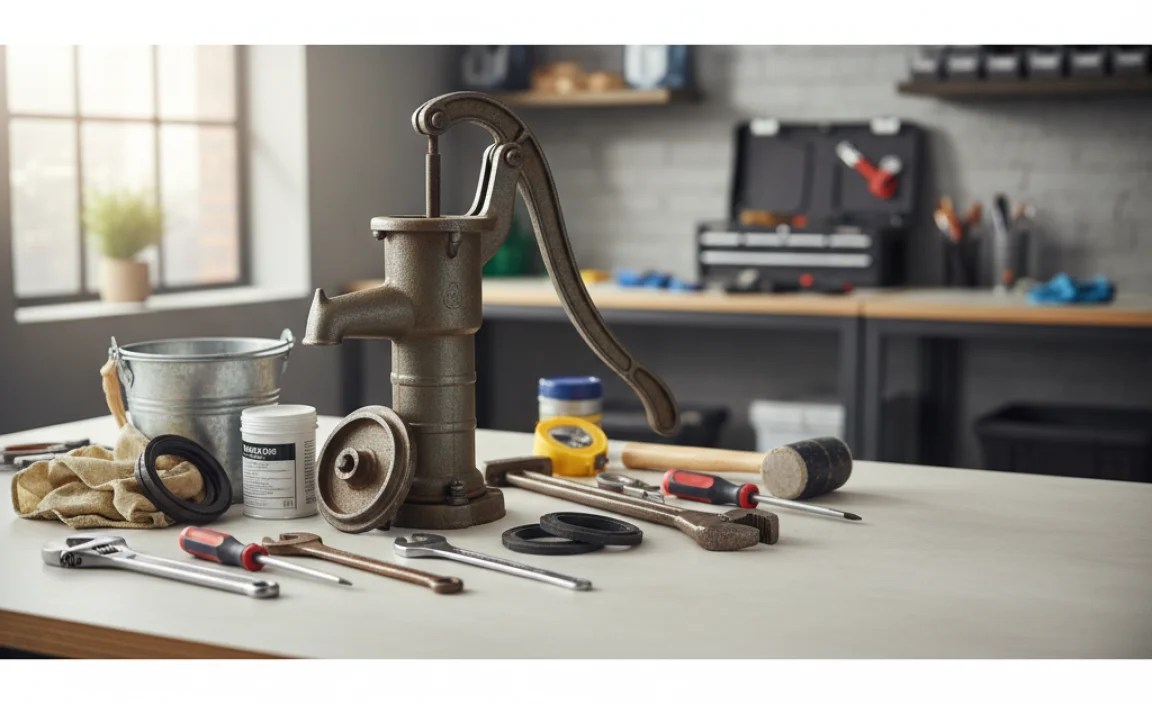
Having the right tools on hand will make the repair process much smoother. Here’s a basic list:
- Multi-tool or Allen Wrench Set: For disassembling the pump.
- Small Screwdriver Set: For adjusting or removing small parts.
- Pliers: For gripping and tightening components.
- Silicone Grease or Lubricant: To lubricate seals and moving parts.
- Clean Rags: For wiping away dirt and grime.
- Spare Parts (if needed): Replacement seals, hoses, or valve adapters.
Step-by-Step Guide to Fixing Your Hand Pump

Now, let’s get down to the nitty-gritty. Follow these steps to diagnose and repair your hand pump.
1. Check the Valve Connection
A loose or incorrect valve connection is often the simplest and most common issue.
- Inspect the Connection: Make sure the pump head is securely attached to the tire valve (Presta or Schrader).
- Tighten the Lever: If your pump has a lever, ensure it’s fully engaged to create a tight seal.
- Test for Leaks: Listen for hissing sounds around the valve. If you hear air escaping, readjust the pump head and try again.
- Valve Type: Ensure the pump head is set to the correct valve type (Presta or Schrader). Many pumps have a switch or reversible parts for different valves.
2. Inspect and Clean the Pump Head
Sometimes, the pump head itself is the problem. Dirt and debris can accumulate and prevent a good seal.
- Remove the Pump Head: Detach the pump head from the hose (if possible) or the pump body.
- Clean the Internal Parts: Use a clean rag to wipe away any dirt or grime inside the pump head.
- Check the Rubber Seal: Look for cracks, tears, or wear on the rubber seal. Replace if necessary.
- Reassemble: Put the pump head back together and test the connection again.
3. Check the Hose for Leaks
A damaged hose can leak air, making it impossible to inflate your tires properly.
- Visually Inspect the Hose: Look for cracks, kinks, or punctures along the entire length of the hose.
- Flex the Hose: Gently bend the hose to check for hidden cracks that open up when flexed.
- Listen for Hissing: With the pump connected to a tire, listen for air escaping from the hose.
- Replace the Hose: If you find any damage, replace the hose with a new one. You can often find replacement hoses online or at your local bike shop.
4. Inspect and Lubricate the Piston
The piston is the heart of the pump, and it needs to move smoothly to create pressure. Over time, the seals can dry out, causing friction and reducing efficiency.
- Disassemble the Pump: Carefully take apart the pump body to access the piston. Refer to your pump’s manual or online resources for specific instructions.
- Inspect the Piston Seal: Examine the rubber or plastic seal around the piston for wear, cracks, or damage.
- Clean the Piston and Cylinder: Wipe away any dirt or old grease from the piston and the inside of the cylinder.
- Lubricate the Seal: Apply a small amount of silicone grease or lubricant to the piston seal. This will help it move smoothly and create a better seal.
- Reassemble the Pump: Carefully put the pump back together, making sure all parts are properly aligned.
5. Check and Clean the Air Filter
Many hand pumps have a small air filter to prevent dirt and debris from entering the pump. A clogged filter can restrict airflow and reduce pumping efficiency.
- Locate the Air Filter: The filter is usually located near the air intake on the pump body. It may be a small foam or mesh screen.
- Remove the Filter: Carefully remove the filter from the pump.
- Clean the Filter: Wash the filter with mild soap and water, or use compressed air to blow away any dirt.
- Reinstall the Filter: Make sure the filter is completely dry before reinstalling it in the pump.
6. Check Valve Core
Sometimes the issue isn’t the pump itself, but the valve core on your bike’s inner tube. Valve cores can become loose or corroded, leading to leaks.
- Gather Tools: You’ll need a valve core tool. These are inexpensive and available at most bike shops.
- Tighten or Replace: Use the tool to tighten the valve core. If it’s damaged, replace it with a new one.
Troubleshooting Table
Here’s a quick reference table to help you diagnose and fix common hand pump problems:
| Problem | Possible Cause | Solution |
|---|---|---|
| Pump won’t inflate tire | Loose valve connection | Ensure pump head is securely attached to valve. Tighten lever. |
| Air leaking around valve | Worn-out seal in pump head | Replace the rubber seal in the pump head. |
| Pump is hard to push | Dry piston seal | Lubricate the piston seal with silicone grease. |
| Pump isn’t building pressure | Damaged hose | Replace the hose. |
| Pump is making strange noises | Clogged air filter | Clean or replace the air filter. |
| Valve stem leaking after inflation | Loose/damaged valve core | Tighten or replace valve core. |
Maintenance Tips to Keep Your Hand Pump Working

Preventative maintenance is key to keeping your hand pump in good working condition. Here are some tips to extend the life of your pump:
- Regular Cleaning: Wipe down your pump after each use to remove dirt and grime.
- Lubrication: Periodically lubricate the piston seal with silicone grease.
- Storage: Store your pump in a dry place to prevent corrosion and damage.
- Check for Wear: Regularly inspect the hose, seals, and other parts for wear and tear. Replace them as needed.
When to Consider Buying a New Pump
While most hand pump problems can be fixed, there comes a time when it’s more cost-effective to buy a new pump. Here are some signs that it might be time for an upgrade:
- Extensive Damage: If the pump body is cracked or severely damaged, it’s probably not worth repairing.
- Multiple Issues: If you’re experiencing multiple problems at once, such as a damaged hose, worn-out seals, and a clogged filter, it might be time to replace the pump.
- Age: If your pump is very old and has seen a lot of use, the internal parts may be too worn to be effectively repaired.
- Cost: If the cost of replacement parts and repairs is approaching the price of a new pump, it’s usually better to buy a new one.
Types of Bike Pumps: A Quick Guide
When it’s time to buy a new pump, you’ll encounter several types. Here’s a breakdown:
- Hand Pumps: Compact and portable, perfect for on-the-go inflation.
- Floor Pumps: Offer more leverage and volume, ideal for home use.
- Mini Pumps: Extremely compact for emergency inflation during rides.
- CO2 Inflators: Use cartridges for rapid inflation, great for racing.
Each type serves different needs, so consider your riding style and where you’ll be using the pump most.
Hand Pump vs. Floor Pump: Which is Right for You?
Choosing between a hand pump and a floor pump depends on your needs and preferences.
| Feature | Hand Pump | Floor Pump |
|---|---|---|
| Portability | Excellent | Limited |
| Inflation Speed | Slower | Faster |
| Effort Required | More | Less |
| Accuracy | Lower | Higher (often includes a gauge) |
| Best Use | On-the-go repairs | Home maintenance |
If you need a pump for emergency repairs on the road, a hand pump is the way to go. But for regular maintenance at home, a floor pump is more efficient and easier to use.
Recommended Hand Pump Brands
When shopping for a new hand pump, consider these reputable brands known for quality and durability:
- Lezyne: Known for their high-quality construction and innovative designs.
- Topeak: Offers a wide range of pumps for different needs and budgets.
- Park Tool: A trusted brand among professional mechanics, known for their durable and reliable tools.
- Blackburn: Offers reliable pumps with a focus on user-friendly features.
FAQ: Hand Pump Troubleshooting
Why is my hand pump so hard to push?
A hand pump that’s hard to push usually indicates a dry piston seal. Disassemble the pump, clean the piston and cylinder, and apply a small amount of silicone grease to the seal.
How do I know if my pump head is compatible with my valve?
Most pumps are designed to work with both Presta and Schrader valves. Check the pump head for a switch or reversible parts that allow you to switch between valve types. Make sure the pump head is set to the correct valve type before inflating.
What should I do if my hand pump hose is cracked?
If your hand pump hose is cracked, it needs to be replaced. You can usually find replacement hoses online or at your local bike shop. Replacing the hose is a simple repair that can significantly improve your pump’s performance.
How often should I lubricate my hand pump?
You should lubricate your hand pump every few months, or whenever you notice it becoming harder to push. Regular lubrication will help keep the piston seal in good condition and extend the life of your pump.
Can I use any type of grease on my hand pump?
It’s best to use silicone grease or lubricant on your hand pump. Other types of grease can damage the rubber or plastic seals. Silicone grease is readily available at most bike shops and hardware stores.
My pump works, but it takes a long time to inflate my tires. What could be the issue?
Slow inflation can be due to a few factors: a partially clogged air filter, a slightly loose valve connection, or a worn piston seal. Check and clean the air filter, ensure a tight valve connection, and lubricate the piston seal.
How do I prevent my pump from freezing in cold weather?
In cold weather, moisture inside the pump can freeze and cause it to malfunction. Store your pump indoors when not in use. Before using it in cold conditions, try to warm it up slightly. You can also use a lubricant that’s specifically designed for cold weather.
Conclusion
Fixing a hand pump that’s not working can seem daunting, but with a little patience and these step-by-step instructions, you can usually get it back in working order. Remember to check the simple things first, like the valve connection and the pump head, before diving into more complex repairs. Regular maintenance and proper storage will also help extend the life of your pump.
By following these tips, you’ll be able to keep your tires properly inflated and enjoy worry-free rides. Happy cycling!


