
How to Use Double-Action Hand Pump: Easy Guide

Quick Summary: Using a double-action hand pump is easy! Just connect the pump head firmly to your tire valve (Presta or Schrader), lock it in place, and pump. A double-action pump inflates on both the push and pull, so you’ll reach your desired tire pressure much faster. Always check your tire’s recommended PSI and use the pump’s gauge to avoid overinflation.
Ever struggled with a bike pump that seems to take forever to inflate your tires? You’re not alone! Many cyclists find traditional pumps inefficient. A double-action hand pump can change that. These pumps deliver air on both the upstroke and downstroke, cutting your pumping time in half. This means less effort and more time enjoying your ride.
In this guide, I’ll walk you through the simple steps to use a double-action hand pump effectively. We’ll cover everything from choosing the right pump head to reaching the perfect tire pressure. Get ready to say goodbye to frustrating pump sessions and hello to smooth, efficient inflation!
Understanding Double-Action Hand Pumps

Before diving into the “how-to,” let’s understand what makes double-action pumps special. Unlike single-action pumps that only push air on one stroke, double-action pumps deliver air with every push and pull. This significantly reduces the time and effort needed to inflate your tires, especially for high-volume tires on mountain bikes or wider road tires.
Key Features of a Double-Action Pump
- Dual Inflation: Inflates on both the upstroke and downstroke.
- Pressure Gauge: Built-in gauge to monitor tire pressure accurately.
- Valve Compatibility: Adaptable to both Presta and Schrader valves.
- Ergonomic Handle: Designed for comfort and efficient pumping.
- Durable Construction: Made from robust materials for long-lasting use.
Types of Double-Action Hand Pumps
Double-action hand pumps come in various sizes and designs. Some are compact for portability, while others are larger for greater efficiency. Here’s a quick look at common types:
- Mini Double-Action Pumps: Compact and lightweight, ideal for carrying on rides.
- Mid-Size Double-Action Pumps: A balance of portability and pumping power.
- Full-Size Double-Action Pumps: Designed for home use, offering maximum efficiency and stability.
Step-by-Step Guide: How to Use a Double-Action Hand Pump

Ready to inflate your tires like a pro? Follow these simple steps to get the most out of your double-action hand pump.
Step 1: Prepare Your Bike and Pump
Before you start pumping, make sure your bike is stable and the tire valve is accessible. Here’s how:
- Position Your Bike: Place your bike on a flat, stable surface. If possible, use a bike stand for added stability.
- Locate the Tire Valve: Find the valve on your tire. Remove the valve cap and set it aside in a safe place.
- Prepare the Pump: Ensure your double-action pump is ready for use. Check that the hose is properly connected and the pump head is clean.
Step 2: Connect the Pump Head to the Valve
Connecting the pump head correctly is crucial for an airtight seal. Here’s how to do it for both Presta and Schrader valves:
For Presta Valves:
- Unscrew the Valve Nut: Gently unscrew the small nut at the top of the Presta valve.
- Press the Valve Core: Lightly press the valve core to ensure it’s not stuck. This helps with airflow.
- Attach the Pump Head: Place the pump head over the valve and push it on firmly. Make sure it’s fully seated to create a good seal.
- Lock the Lever: If your pump has a locking lever, engage it to secure the pump head to the valve.
For Schrader Valves:
- Remove the Valve Cap: Unscrew the valve cap from the Schrader valve.
- Attach the Pump Head: Push the pump head straight onto the valve. It should fit snugly.
- Lock the Lever: Engage the locking lever on the pump head to secure it to the valve.
Step 3: Start Pumping
Now that the pump is connected, it’s time to start inflating your tire. Remember, double-action pumps inflate on both the upstroke and downstroke, so use smooth, consistent motions.
- Grip the Pump Handle: Hold the pump handle firmly with both hands.
- Position Your Body: Place one foot on the base of the pump to stabilize it.
- Begin Pumping: Use a smooth, steady motion to push down and pull up on the handle. You should feel air being pumped into the tire on both strokes.
- Monitor the Pressure Gauge: Keep an eye on the pressure gauge as you pump. Watch the needle climb towards your desired PSI (pounds per square inch).
Step 4: Inflate to the Correct Pressure
Achieving the correct tire pressure is essential for optimal performance and safety. Check the sidewall of your tire for the recommended PSI range. This is usually printed clearly on the tire.
- Find the Recommended PSI: Look for the PSI range on your tire’s sidewall (e.g., “50-75 PSI”).
- Inflate Within the Range: Pump until the gauge reads within the recommended range. For road bikes, aim for the higher end of the range; for mountain bikes, you might prefer the lower end for better traction.
- Avoid Overinflation: Do not exceed the maximum PSI listed on the tire. Overinflating can cause blowouts.
Step 5: Disconnect the Pump and Secure the Valve
Once you’ve reached the correct pressure, carefully disconnect the pump and secure the valve.
- Disengage the Locking Lever: If your pump has a locking lever, disengage it.
- Remove the Pump Head: Gently pull the pump head straight off the valve.
- Close the Presta Valve: If you have a Presta valve, screw the valve nut back down until it’s snug (but not too tight).
- Replace the Valve Cap: Screw the valve cap back onto the valve. This helps keep dirt and debris out.
Tips for Efficient Pumping
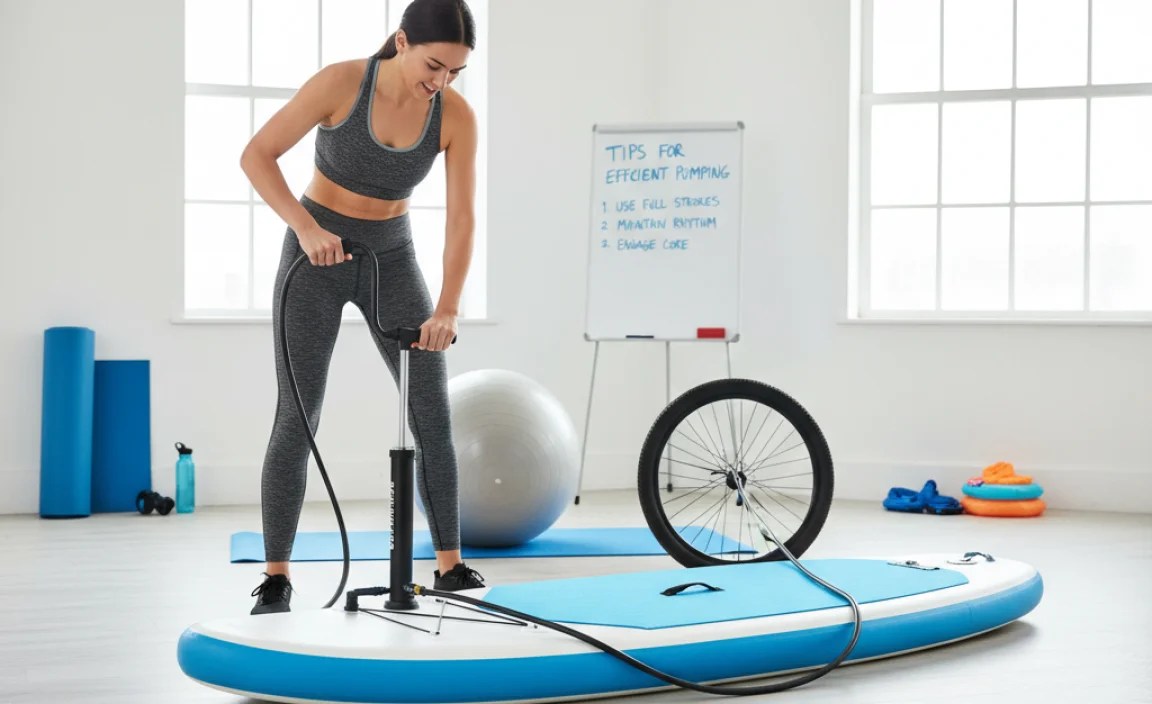
Want to pump like a pro? Here are some tips to maximize your efficiency and prolong the life of your pump.
- Use Smooth, Consistent Strokes: Avoid jerky motions. Smooth, steady strokes are more efficient and less tiring.
- Maintain the Pump: Regularly clean and lubricate your pump to keep it in good working condition.
- Check for Leaks: Listen for air leaks around the pump head and valve. If you hear a leak, readjust the connection or replace worn parts.
- Store the Pump Properly: Store your pump in a dry, clean place to prevent rust and damage.
- Use a Floor Pump for Home: While double-action hand pumps are great for portability, consider using a floor pump for faster and easier inflation at home.
Troubleshooting Common Issues
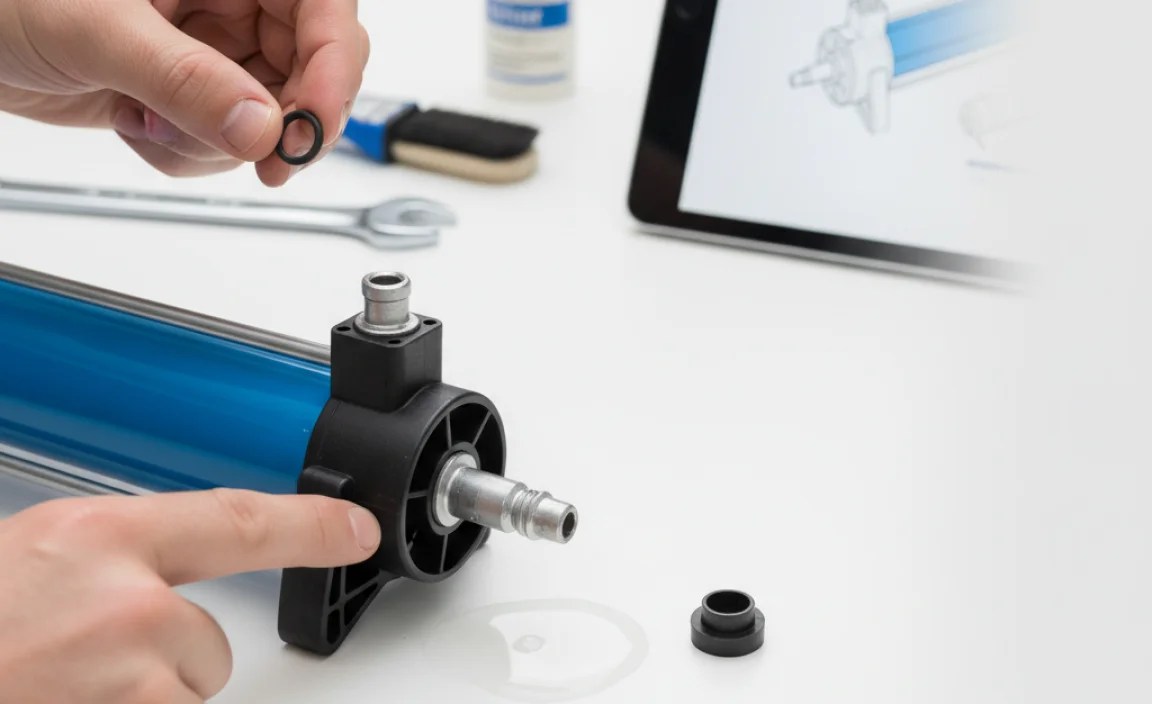
Even with the best technique, you might encounter some issues. Here’s how to troubleshoot common problems.
| Issue | Possible Cause | Solution |
|---|---|---|
| Pump won’t attach to valve | Incorrect pump head setting | Ensure the pump head is set to the correct valve type (Presta or Schrader). |
| Air leaking while pumping | Poor seal between pump head and valve | Readjust the pump head, tighten the locking lever, or check for worn rubber seals. |
| Difficult to pump | Dry or damaged pump components | Lubricate the pump’s internal parts or replace worn components. |
| Pressure gauge not working | Faulty gauge | Replace the pressure gauge or use a separate gauge to check tire pressure. |
| Tire not inflating | Valve core stuck or damaged | Press the valve core to loosen it, or replace the valve core if damaged. |
Choosing the Right Double-Action Hand Pump

With so many options available, selecting the right double-action hand pump can be overwhelming. Consider these factors to make the best choice for your needs.
Factors to Consider
- Size and Portability: If you plan to carry the pump on rides, opt for a compact, lightweight model.
- Pumping Efficiency: Look for pumps with high volume output for faster inflation.
- Gauge Accuracy: A reliable pressure gauge is crucial for achieving the correct tire pressure.
- Durability: Choose a pump made from high-quality materials that can withstand regular use.
- Valve Compatibility: Ensure the pump is compatible with both Presta and Schrader valves, or choose one that matches your bike’s valves.
- Ergonomics: Consider the handle design and overall comfort of the pump.
Recommended Double-Action Hand Pumps
Here are a few top-rated double-action hand pumps to consider:
- Lezyne Micro Floor Drive HP: Compact and efficient with a built-in foot peg for stability.
- Topeak Mini Morph: A versatile mini pump with a fold-out foot pad and gauge.
- Blackburn Mammoth 2FL: High-volume pump designed for mountain bike tires.
- Pro Bike Tool Mini Bike Pump: Lightweight and reliable with both Presta and Schrader compatibility.
Double-Action vs. Single-Action Pumps
What’s the real difference between double-action and single-action pumps? Let’s break it down.
| Feature | Double-Action Pump | Single-Action Pump |
|---|---|---|
| Inflation | Inflates on both upstroke and downstroke | Inflates on either upstroke or downstroke |
| Efficiency | More efficient, faster inflation | Less efficient, slower inflation |
| Effort Required | Less effort per PSI | More effort per PSI |
| Price | Generally more expensive | Generally less expensive |
| Best Use | Ideal for frequent use and high-volume tires | Suitable for occasional use and smaller tires |
FAQ: Using Double-Action Hand Pumps
What is a double-action hand pump?
A double-action hand pump inflates tires on both the push and pull of the handle, making it faster and more efficient than a single-action pump.
Can I use a double-action pump on both Presta and Schrader valves?
Yes, most double-action pumps come with a pump head that can be adjusted to fit both Presta and Schrader valves. Check your pump’s instructions for how to switch between valve types.
How do I know what PSI to inflate my tires to?
The recommended PSI (pounds per square inch) range is usually printed on the sidewall of your tire. Inflate your tires within this range for optimal performance and safety.
What should I do if air is leaking while I pump?
Check the connection between the pump head and the valve. Make sure it’s secure and properly aligned. If the leaking persists, the rubber seals inside the pump head may be worn and need replacement.
How often should I maintain my double-action hand pump?
Regular maintenance, such as cleaning and lubricating the pump, can extend its lifespan. Do this every few months or as needed, especially if you use the pump frequently.
Is it safe to inflate my tires to the maximum PSI listed?
While it’s generally safe to inflate to the maximum PSI, consider your riding conditions. Higher pressure is good for smooth roads, while lower pressure provides better traction on rough terrain. Never exceed the maximum PSI to avoid blowouts.
What are the benefits of using a double-action pump over other types?
Double-action pumps are more efficient, require less effort, and inflate tires faster compared to single-action pumps. They are also more portable than floor pumps, making them a great choice for cyclists on the go.
Conclusion
Mastering the use of a double-action hand pump is a game-changer for any cyclist. By following these simple steps and tips, you’ll be able to inflate your tires quickly and efficiently, ensuring a smooth and safe ride every time. Remember to choose the right pump for your needs, maintain it regularly, and always check your tire pressure before hitting the road or trail.
Now that you’re equipped with the knowledge to use a double-action hand pump like a pro, go ahead and keep your tires perfectly inflated and enjoy the ride! Whether you’re a seasoned cyclist or just starting out, having the right tools and know-how can make all the difference.


