
How to Pump Water From Deep Well Manually: Easy Guide

Quick Summary: Pumping water from a deep well manually involves using a hand pump specifically designed for deep wells. You’ll need to prime the pump, create suction, and use a lever or handle to draw water up from the well. Regular maintenance ensures the pump works efficiently and provides a reliable water source when electricity isn’t available.
Have you ever needed water from a well but had no electricity to run a pump? It’s a common problem, especially in rural areas or during power outages. Luckily, you can still get water using a manual hand pump designed for deep wells. It might seem a little old-fashioned, but it’s a reliable way to access water. This guide walks you through the process, step-by-step, so you can pump water from your deep well manually with confidence. We’ll cover everything from priming the pump to troubleshooting common issues.
Understanding Manual Deep Well Pumps

Manual deep well pumps are designed to draw water from wells that are too deep for a shallow well pump. These pumps use a piston and cylinder system to create suction, lifting water from depths often exceeding 25 feet. Understanding how these pumps work is essential for effective operation and maintenance.
Types of Manual Deep Well Pumps
There are a few different designs of manual deep well pumps, each with its own advantages:
- Piston Pumps: These are the most common type. A piston moves up and down inside a cylinder, creating suction to draw water up the well.
- Diaphragm Pumps: These pumps use a flexible diaphragm to displace water. They are less common for deep wells but can be more resistant to clogging.
- Lever-Action Pumps: These pumps use a lever to operate the piston, making it easier to pump water from deeper wells.
Key Components of a Deep Well Hand Pump
Knowing the parts of your pump helps with both operation and repair. Here’s a breakdown:
- Pump Cylinder: The main body of the pump where the piston moves.
- Piston: The moving part inside the cylinder that creates suction.
- Check Valves: These valves ensure water only flows in one direction, preventing backflow.
- Drop Pipe: The pipe that extends down into the well, bringing water up to the pump.
- Pump Head: The top part of the pump where the water is discharged.
- Handle or Lever: The part you operate to move the piston.
Tools and Materials You’ll Need

Before you start, gather all the necessary tools and materials. Having everything on hand will make the process smoother and more efficient.
- Manual Deep Well Pump: Make sure it’s designed for the depth of your well.
- Pipe Wrench: For tightening and loosening pipe fittings.
- Adjustable Wrench: Useful for various nuts and bolts.
- Teflon Tape: To seal pipe threads and prevent leaks.
- Bucket: To catch the water.
- Clean Water: For priming the pump.
- Gloves: To protect your hands.
- Safety Glasses: To protect your eyes.
Step-by-Step Guide: Pumping Water Manually
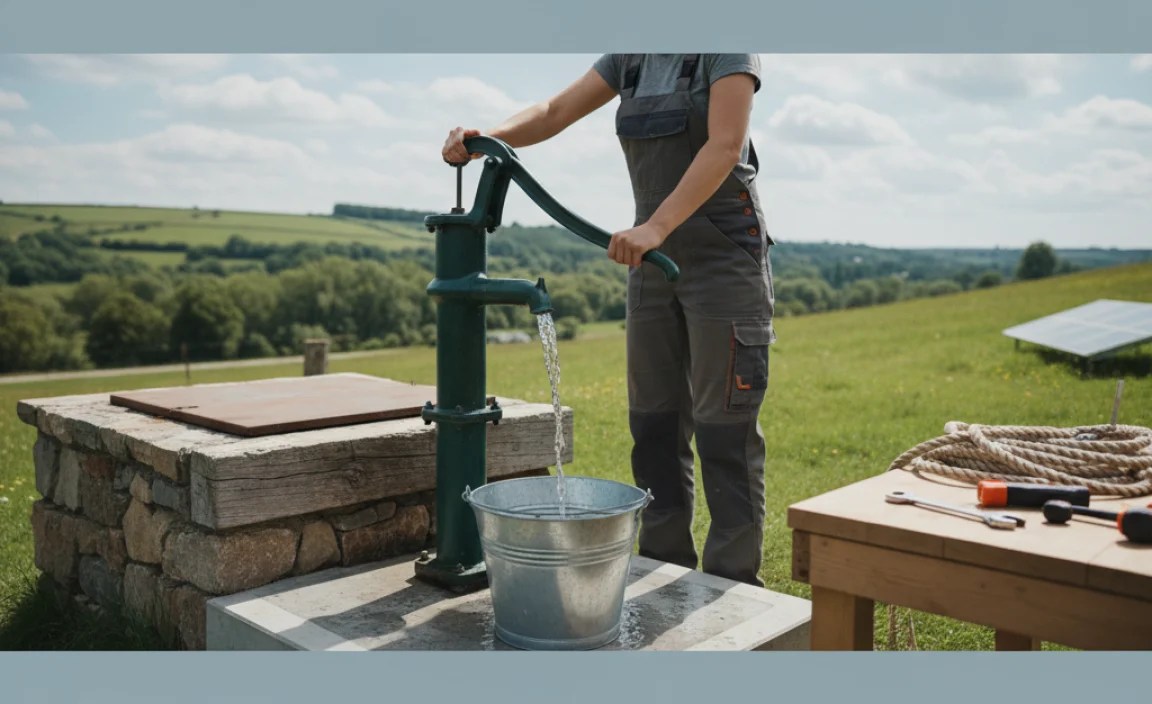
Now, let’s get to the actual process of pumping water. Follow these steps carefully for the best results.
Step 1: Inspect the Pump
Before you start pumping, check the pump for any signs of damage or wear. Look for cracks in the cylinder, leaks around the fittings, and any other issues that might prevent the pump from working correctly.
Step 2: Priming the Pump
Priming the pump is essential to create the initial suction needed to draw water up from the well. Here’s how to do it:
- Locate the Priming Port: This is usually a small opening at the top of the pump cylinder.
- Remove the Priming Plug: Unscrew the plug using a wrench or your fingers.
- Pour Water into the Port: Slowly pour clean water into the priming port until the cylinder is full.
- Replace the Priming Plug: Screw the plug back in tightly.
Why is priming important? Priming fills the pump cylinder with water, which helps create a vacuum when the piston moves. This vacuum is what pulls water up from the well. Without priming, the pump won’t be able to draw water effectively.
Step 3: Operating the Pump
Now that the pump is primed, you can start pumping water.
- Position Yourself Comfortably: Stand in a comfortable position with a firm grip on the handle or lever.
- Begin Pumping: Start moving the handle up and down in a smooth, steady motion.
- Wait for the Water: It may take a few minutes for the water to start flowing. Be patient and continue pumping.
- Adjust Your Pumping Speed: Once the water starts flowing, adjust your pumping speed to maintain a steady stream.
Step 4: Maintaining a Steady Flow
To keep the water flowing consistently, maintain a steady pumping rhythm. Avoid jerky or erratic movements, which can disrupt the suction and reduce the flow rate.
Step 5: Post-Pumping Procedures
After you’re done pumping water, there are a few things you should do to maintain the pump and ensure it’s ready for the next use.
- Drain the Pump: If you live in an area with freezing temperatures, drain the pump to prevent damage from ice expansion.
- Clean the Pump: Wipe down the pump with a clean cloth to remove any dirt or debris.
- Store the Pump Properly: If you’re not using the pump for an extended period, store it in a dry, protected location.
Troubleshooting Common Issues
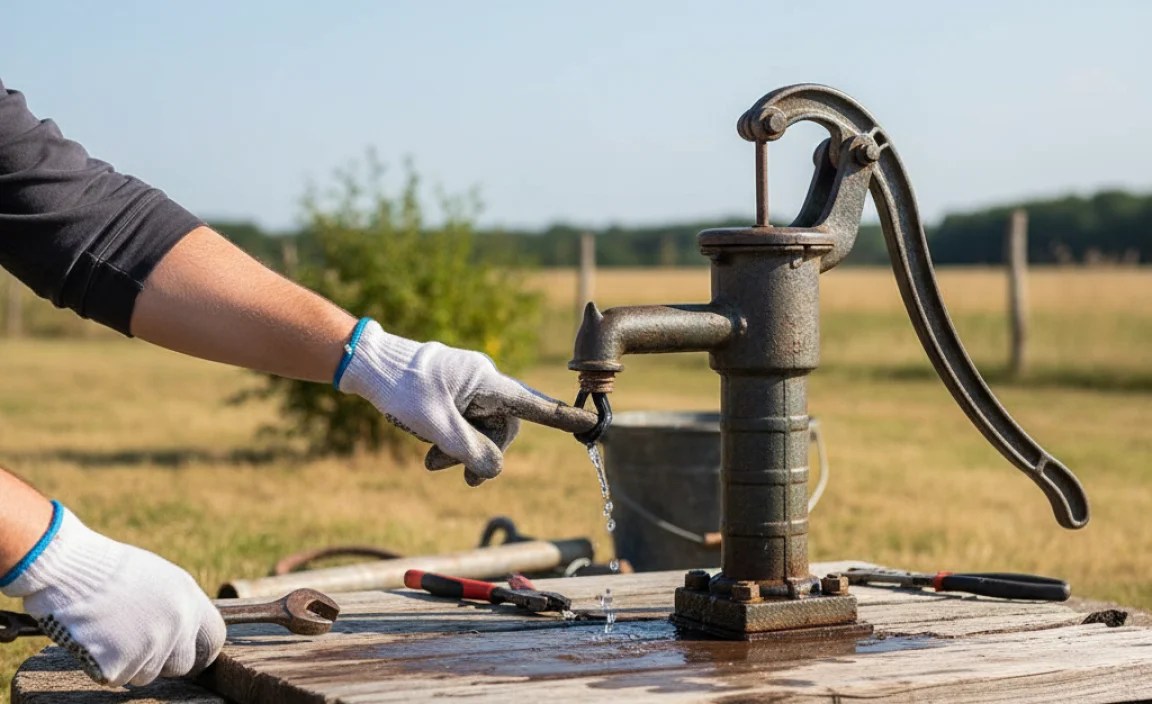
Even with proper operation, you might encounter some common issues. Here’s how to troubleshoot them.
Problem: Pump Not Drawing Water
Possible Causes:
- Pump Not Primed: Make sure the pump is properly primed.
- Check Valve Issues: Check valves may be stuck or damaged.
- Leaks in the System: Look for leaks in the pipes or fittings.
- Clogged Intake: The intake at the bottom of the well may be clogged.
Solutions:
- Reprime the Pump: Repeat the priming process.
- Inspect Check Valves: Clean or replace the check valves.
- Repair Leaks: Tighten or replace leaky fittings and pipes.
- Clean the Intake: Remove the pump and clean the intake screen.
Problem: Low Water Flow
Possible Causes:
- Air Leaks: Air entering the system can reduce water flow.
- Partially Clogged Intake: A partially clogged intake can restrict water flow.
- Worn Piston or Cylinder: Worn parts can reduce the pump’s efficiency.
Solutions:
- Check for Air Leaks: Tighten all fittings and connections.
- Clean the Intake: Remove and clean the intake screen.
- Replace Worn Parts: Replace the piston or cylinder if they are worn.
Problem: Pump Handle Hard to Move
Possible Causes:
- Lack of Lubrication: The pump may need lubrication.
- Corrosion: Corrosion can make the pump parts stick.
- Debris in the Cylinder: Debris can interfere with the piston’s movement.
Solutions:
- Lubricate the Pump: Apply a food-grade lubricant to the moving parts.
- Clean the Pump: Disassemble the pump and clean all the parts.
- Remove Debris: Remove any debris from the cylinder.
Maintaining Your Manual Deep Well Pump

Regular maintenance is crucial for keeping your manual deep well pump in good working condition. Here are some tips:
- Regular Cleaning: Clean the pump regularly to remove dirt and debris.
- Lubrication: Lubricate the moving parts to reduce friction and wear.
- Inspect Check Valves: Check the check valves regularly and replace them if they are worn or damaged.
- Protect from Freezing: In cold climates, protect the pump from freezing temperatures by draining it or insulating it.
Advantages and Disadvantages of Manual Deep Well Pumps
Before relying solely on a manual deep well pump, consider the pros and cons.
Advantages
- Reliability: Manual pumps work even without electricity.
- Cost-Effective: They have lower operating costs compared to electric pumps.
- Simple to Operate: They are easy to use and maintain.
- Environmentally Friendly: They don’t require electricity, reducing your carbon footprint.
Disadvantages
- Physical Effort: Pumping water manually requires physical effort.
- Lower Flow Rate: Manual pumps have a lower flow rate compared to electric pumps.
- Depth Limitations: They may not be suitable for very deep wells.
Table: Comparing Manual vs. Electric Deep Well Pumps
| Feature | Manual Deep Well Pump | Electric Deep Well Pump |
|---|---|---|
| Power Source | Manual Labor | Electricity |
| Reliability | High (independent of electricity) | Dependent on electricity |
| Operating Cost | Low | High (electricity consumption) |
| Flow Rate | Lower | Higher |
| Maintenance | Simple | More complex |
| Environmental Impact | Low | Higher |
Choosing the Right Manual Deep Well Pump
Selecting the right pump depends on your specific needs and well conditions. Here are some factors to consider:
- Well Depth: Choose a pump that is designed for the depth of your well.
- Water Demand: Consider how much water you need and choose a pump with an appropriate flow rate.
- Pump Material: Look for pumps made from durable, corrosion-resistant materials like stainless steel.
- Ease of Use: Choose a pump that is easy to operate and maintain.
Safety Precautions
When working with a manual deep well pump, it’s important to take certain safety precautions.
- Wear Gloves: Protect your hands from dirt, debris, and sharp edges.
- Wear Safety Glasses: Protect your eyes from splashes and debris.
- Use Proper Tools: Use the right tools for the job to avoid injury.
- Lift Properly: When lifting heavy parts, use proper lifting techniques to avoid back strain.
- Disconnect Power: If your pump is connected to an electrical system, disconnect the power before performing any maintenance or repairs.
FAQ: Manual Deep Well Pumps
Q: How deep can a manual well pump draw water from?
A manual deep well pump can typically draw water from depths of 25 feet or more, depending on the specific pump design and well conditions.
Q: How do I prime a manual deep well pump?
To prime the pump, locate the priming port, remove the plug, and pour clean water into the port until the cylinder is full. Then, replace the plug tightly.
Q: What should I do if my manual well pump stops working?
First, check if the pump is properly primed. Then, inspect the check valves, look for leaks, and clean the intake screen. If the problem persists, consult a professional.
Q: Can I use a manual well pump in freezing temperatures?
Yes, but you need to take precautions to prevent damage from freezing. Drain the pump after each use or insulate it to protect it from the cold.
Q: How often should I maintain my manual well pump?
You should clean and lubricate your manual well pump at least once a year. Regularly inspect the check valves and other components for wear and damage.
Q: Are manual well pumps reliable?
Yes, manual well pumps are very reliable, especially in situations where electricity is not available. They are simple to operate and maintain, making them a dependable water source.
Q: What type of lubricant should I use on my manual well pump?
Use a food-grade lubricant to ensure that the water remains safe for consumption. Avoid using petroleum-based lubricants, as they can contaminate the water.
Conclusion
Pumping water from a deep well manually is a valuable skill, providing a reliable water source even when electricity isn’t available. By understanding the components of a manual deep well pump, following the proper steps for priming and operation, and performing regular maintenance, you can ensure your pump works efficiently for years to come. While it requires some physical effort, the reliability and cost-effectiveness of a manual pump make it a worthwhile investment for anyone looking for a dependable water solution. So, grab your tools, follow these steps, and enjoy the satisfaction of drawing fresh water from your well!


