
How to Pump Hybrid Bike Tyres Manually: Easy Guide

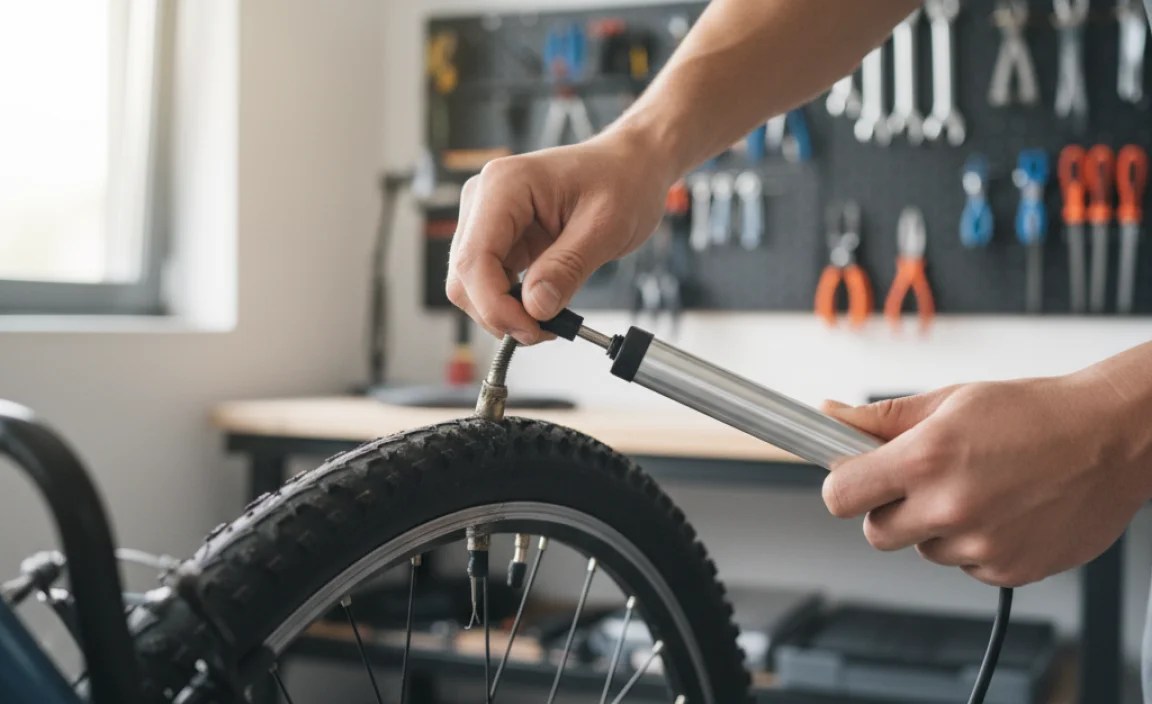
To pump hybrid bike tires manually, first, find the recommended PSI on the tire’s sidewall. Then, attach your pump’s head securely to the valve (Presta or Schrader). Use a steady motion to inflate the tire to the correct pressure, checking with a pressure gauge. Proper inflation ensures a smooth, safe ride!
Do your hybrid bike tires feel a little soft? Are you struggling to get them pumped up just right? You’re not alone! Many cyclists find tire inflation a bit tricky at first. Under-inflated tires can make riding harder and increase the risk of flats. Over-inflated tires can lead to a bumpy, uncomfortable ride. Don’t worry! This guide will walk you through the simple steps to manually pump your hybrid bike tires with confidence. Soon, you’ll be enjoying smoother, faster, and safer rides. Let’s get started!
Understanding Your Hybrid Bike Tires and Valves

Before you grab your pump, it’s important to understand a few basics about your hybrid bike tires and the valves they use. Knowing this will make the pumping process much easier and prevent any frustrating mishaps.
Identifying Your Tire Type and Size
Hybrid bike tires come in various sizes and types, each designed for different riding conditions. Knowing your tire size is crucial for proper inflation.
- Tire Size: Look for a number on the tire sidewall, such as “700x35c” or “26×1.95”. The first number is the diameter of the tire (700mm or 26 inches), and the second is the width (35mm or 1.95 inches).
- Tire Type: Hybrid bikes typically use either smooth or slightly treaded tires. Smooth tires are great for roads, while treaded tires offer better grip on gravel or dirt paths.
Understanding PSI (Pounds per Square Inch)
PSI is the unit of measurement for tire pressure. The correct PSI for your tires is crucial for optimal performance, comfort, and safety. It’s usually printed on the tire sidewall.
- Importance of Correct PSI: Under-inflated tires can cause sluggish handling, increase the risk of pinch flats, and wear out faster. Over-inflated tires can lead to a harsh ride and reduce grip.
- Finding the Recommended PSI: Look for a range like “50-80 PSI” printed on the tire sidewall. This is the recommended pressure range for your tire.
Identifying Your Valve Type: Presta vs. Schrader
Hybrid bikes use two main types of valves: Presta and Schrader. Each requires a slightly different pumping technique.
- Presta Valves: These are narrower and have a small nut at the top that needs to be unscrewed before inflation. They are commonly found on higher-end hybrid bikes.
- Schrader Valves: These are wider and similar to those found on car tires. They have a spring-loaded pin in the center. Most entry-level and mid-range hybrid bikes will use Schrader valves.
Here’s a quick comparison table:
| Feature | Presta Valve | Schrader Valve |
|---|---|---|
| Width | Narrow | Wide |
| Locking Mechanism | Nut at the top | Spring-loaded pin |
| Common Usage | Higher-end bikes | Entry-level/mid-range bikes |
| Pumping | Requires unscrewing the nut | No need to unscrew anything |
Gathering Your Tools and Equipment

Before you start pumping, make sure you have everything you need. Having the right tools will make the process smoother and more efficient.
Essential Tools
- Hand Pump or Floor Pump: A hand pump is portable and great for on-the-go inflation. A floor pump is more efficient and easier to use for inflating tires at home.
- Pressure Gauge: A pressure gauge is essential for accurately measuring tire pressure. Some pumps have a built-in gauge, while others require a separate gauge.
- Valve Adapters (if needed): Some pumps only work with one type of valve. If your pump doesn’t match your valve type, you’ll need an adapter.
- Rag or Cloth: Use a rag to wipe off any dirt or grime from the valve before pumping.
Choosing the Right Pump
There are many different types of pumps available, each with its own pros and cons. Here’s a quick guide to help you choose the right one:
Floor Pumps
Floor pumps are the most efficient way to inflate your tires at home. They have a large barrel and a footplate for stability, making it easier to reach higher pressures.
- Pros:
- Efficient and easy to use
- Built-in pressure gauge
- Stable and durable
- Cons:
- Not portable
- More expensive than hand pumps
Hand Pumps
Hand pumps are compact and portable, making them ideal for carrying on rides. However, they require more effort to use and may not be able to reach high pressures.
- Pros:
- Portable and lightweight
- Affordable
- Cons:
- Requires more effort
- May not reach high pressures
- Can be difficult to use accurately
CO2 Inflators
CO2 inflators use cartridges of compressed carbon dioxide to quickly inflate tires. They are great for emergency situations on the road, but they can be expensive and wasteful.
- Pros:
- Very fast inflation
- Compact and lightweight
- Cons:
- Requires CO2 cartridges
- Can be expensive
- Not environmentally friendly
Step-by-Step Guide to Pumping Your Hybrid Bike Tires Manually

Now that you have your tools and understand the basics, let’s get to the actual pumping process. Follow these steps carefully to ensure proper inflation.
Step 1: Preparing the Valve
Before attaching the pump, prepare the valve based on its type.
- For Presta Valves:
- Remove the valve cap.
- Unscrew the small nut at the top of the valve.
- Tap the valve tip to release a small amount of air. This ensures the valve isn’t stuck.
- For Schrader Valves:
- Remove the valve cap.
- No further preparation is needed.
Step 2: Attaching the Pump Head
Properly attaching the pump head is crucial for a secure seal and efficient inflation.
- Position the Pump Head: Place the pump head over the valve. Make sure it’s aligned straight.
- Engage the Locking Mechanism: Most pump heads have a lever or locking mechanism. Engage it to secure the pump head to the valve. You should feel a snug fit.
- Check the Seal: Ensure there are no air leaks around the pump head. If you hear hissing, readjust the pump head and try again.
Step 3: Pumping the Tire
Now it’s time to start pumping. Use a steady, consistent motion to inflate the tire.
- Start Pumping: If using a floor pump, place your feet on the footplate and use your arms to push the handle down. If using a hand pump, hold the pump firmly and use a back-and-forth motion.
- Maintain a Steady Pace: Avoid jerky movements. A smooth, consistent pace will make the process easier and more efficient.
- Monitor the Pressure: If your pump has a built-in gauge, keep an eye on the pressure as you pump. If not, stop periodically to check the pressure with a separate gauge.
Step 4: Checking the Tire Pressure
It’s important to check the tire pressure regularly to avoid over- or under-inflation.
- Use a Pressure Gauge: If you don’t have a built-in gauge, use a separate pressure gauge to check the pressure.
- Compare to Recommended PSI: Compare the reading on the gauge to the recommended PSI range printed on the tire sidewall.
- Adjust as Needed: If the pressure is too low, continue pumping. If it’s too high, gently release some air by pressing the valve core (for Schrader valves) or the valve tip (for Presta valves).
Step 5: Detaching the Pump Head and Securing the Valve
Once the tire is properly inflated, detach the pump head and secure the valve.
- Disengage the Locking Mechanism: Release the lever or locking mechanism on the pump head.
- Carefully Remove the Pump Head: Pull the pump head straight off the valve.
- For Presta Valves: Screw the small nut at the top of the valve back on.
- Replace the Valve Cap: Put the valve cap back on to protect the valve from dirt and debris.
Troubleshooting Common Issues
Sometimes, you might encounter problems while pumping your tires. Here are some common issues and how to fix them.
Air Leaking Around the Pump Head
If you hear air hissing around the pump head, it means the seal isn’t tight enough.
- Solution:
- Readjust the pump head and make sure it’s properly aligned.
- Check the locking mechanism to ensure it’s fully engaged.
- If the pump head is worn out, consider replacing it.
Difficulty Attaching the Pump Head
Sometimes, it can be difficult to attach the pump head to the valve.
- Solution:
- Make sure the pump head is compatible with your valve type (Presta or Schrader).
- Check for any dirt or debris on the valve or pump head and clean it off.
- Try lubricating the valve with a small amount of silicone grease.
Tire Not Inflating
If the tire isn’t inflating, there could be several reasons.
- Solution:
- Make sure the valve is open (for Presta valves, the nut should be unscrewed).
- Check for any punctures or damage to the tire.
- Ensure the pump is working properly and that there are no leaks in the hose or pump head.
Valve Stem Bending or Breaking
This is more common with Presta valves, which are more delicate.
- Solution:
- Be gentle when attaching and detaching the pump head.
- Avoid bending the valve stem.
- If the valve stem is damaged, you may need to replace the inner tube.
Maintaining Your Tires for Optimal Performance

Proper tire maintenance is essential for a smooth and safe ride. Here are some tips to keep your tires in top condition.
Regularly Checking Tire Pressure
Check your tire pressure before every ride, or at least once a week. This will help you maintain the correct pressure and avoid flats.
Inspecting Tires for Wear and Damage
Regularly inspect your tires for cuts, cracks, and bulges. Replace your tires if you notice any significant damage.
Cleaning Your Tires
Keep your tires clean by wiping them down with a damp cloth. This will remove dirt and debris that can cause wear and tear.
Storing Your Bike Properly
Store your bike in a cool, dry place away from direct sunlight. This will help prevent the tires from drying out and cracking.
FAQ: Pumping Hybrid Bike Tires Manually
Here are some frequently asked questions about pumping hybrid bike tires manually.
What PSI should my hybrid bike tires be?
The recommended PSI is usually printed on the tire sidewall. Look for a range like “50-80 PSI.” Inflate your tires within this range based on your weight and riding conditions.
How often should I pump my hybrid bike tires?
Ideally, you should check and pump your tires before every ride, or at least once a week. Tires lose pressure over time, so regular inflation is important.
Can I use a car tire pump on my hybrid bike?
Yes, if your bike has Schrader valves. However, car tire pumps can be difficult to use accurately on bike tires, so it’s best to use a bike-specific pump with a pressure gauge.
What’s the difference between Presta and Schrader valves?
Presta valves are narrower and have a small nut at the top that needs to be unscrewed before inflation. Schrader valves are wider and similar to those found on car tires, with a spring-loaded pin in the center.
Why is my tire pressure lower than it should be?
Tires naturally lose pressure over time due to air permeation. Temperature changes can also affect tire pressure. Check for leaks or punctures if the pressure drops rapidly.
What happens if I over-inflate my tires?
Over-inflating your tires can lead to a harsh, uncomfortable ride and reduce grip. It can also increase the risk of tire blowouts, especially on rough roads.
Can I use a hand pump to inflate my tires to a high PSI?
Yes, but it will require more effort. Hand pumps are best for topping off pressure or for emergency situations on the road. A floor pump is more efficient for reaching higher pressures.
Conclusion
Pumping your hybrid bike tires manually might seem daunting at first, but with the right tools and techniques, it’s a simple and essential part of bike maintenance. By understanding your tire type, valve type, and recommended PSI, you can ensure a smooth, safe, and enjoyable ride every time. Remember to check your tire pressure regularly, inspect your tires for wear and damage, and address any issues promptly. With a little practice, you’ll become a pro at keeping your tires properly inflated and ready for adventure!


