
How to Install Bicycle Hand Pump Mount: Easy Guide

Quick Summary
Installing a bicycle hand pump mount is easy! First, gather your tools: the pump mount, Allen wrench, and possibly some frame protection tape. Next, position the mount on your bike frame, usually along a tube. Secure the mount using the provided straps or bolts, making sure it’s snug but not overtightened. Finally, test the pump’s fit and stability. Now you’re ready to ride, knowing your pump is always within reach!
Ever been stuck on the road with a flat tire and no pump? It’s a cyclist’s worst nightmare! A bicycle hand pump is your best friend in these situations, but carrying it can be a pain. That’s where a pump mount comes in handy. It securely attaches your pump to your bike frame, so it’s always there when you need it. Installing one might seem tricky, but trust me, it’s a simple task that anyone can do.
In this guide, I’ll walk you through the process step-by-step. We’ll cover everything from choosing the right mount to securing it properly. By the end, you’ll be able to install your pump mount with confidence and hit the road worry-free. Let’s get started!
Choosing the Right Bicycle Hand Pump Mount

Before you start wrenching, it’s important to choose the right pump mount. Not all mounts are created equal, and the best one for you will depend on your pump, your bike frame, and your personal preferences.
Types of Pump Mounts
There are a few different types of pump mounts available:
- Frame-Mounted: These mounts attach directly to your bike frame, usually using bolts or straps. They’re the most common type and offer a secure fit.
- Bottle Cage Mounts: Some mounts attach to your water bottle cage bolts, providing a convenient and discreet solution.
- Under-the-Seat Mounts: These mounts attach to the rails of your saddle, keeping your pump out of the way.
Factors to Consider
When choosing a pump mount, keep these factors in mind:
- Pump Size: Make sure the mount is compatible with the size and shape of your hand pump. Some are adjustable, while others are designed for specific models.
- Bike Frame: Consider the shape and size of your bike frame tubes. Some mounts are better suited for certain frame designs.
- Material: Look for a mount made from durable materials like plastic, aluminum, or carbon fiber.
- Attachment Method: Decide whether you prefer a bolt-on or strap-on mount. Bolt-on mounts are more secure, while strap-on mounts are more versatile.
Tools and Materials You’ll Need

Before you start the installation process, gather the necessary tools and materials. Here’s a list of what you’ll need:
- Bicycle Hand Pump Mount: Choose the right type for your pump and bike.
- Allen Wrench Set: You’ll need the correct size Allen wrench to tighten the bolts on the mount. A set ensures you have the right size.
- Screwdriver (if needed): Some mounts use screws instead of Allen bolts.
- Frame Protection Tape (optional): This tape protects your bike frame from scratches and scuffs caused by the mount.
- Scissors or Utility Knife (optional): To cut the frame protection tape.
- Clean Rag: To clean the area on your bike frame where you’ll be installing the mount.
- Measuring Tape or Ruler (optional): To help you position the mount accurately.
Step-by-Step Guide: Installing Your Bicycle Hand Pump Mount

Now that you have your mount and tools ready, let’s get to the installation process. Follow these steps carefully for a secure and reliable installation.
Step 1: Prepare Your Bike Frame
First, clean the area on your bike frame where you’ll be installing the mount. Use a clean rag to wipe away any dirt, grease, or grime. This will ensure a good grip between the mount and the frame.
If you’re using frame protection tape, now’s the time to apply it. Cut a piece of tape that’s slightly larger than the area covered by the mount. Peel off the backing and carefully apply the tape to the frame, smoothing out any air bubbles.
Step 2: Position the Pump Mount
Decide where you want to position the pump mount on your bike frame. Common locations include:
- Down Tube: The tube that runs from the head tube to the bottom bracket.
- Seat Tube: The tube that runs from the saddle to the bottom bracket.
- Top Tube: The tube that runs from the head tube to the seat tube.
Consider these factors when choosing a location:
- Accessibility: Make sure the pump is easy to reach while riding.
- Clearance: Ensure the pump doesn’t interfere with your legs or other bike components.
- Aesthetics: Choose a location that looks good and doesn’t detract from the overall appearance of your bike.
Once you’ve chosen a location, hold the pump mount in place and check the fit. Make sure it sits flush against the frame and doesn’t interfere with anything.
Step 3: Attach the Pump Mount
The attachment method will vary depending on the type of pump mount you have. Here are the most common methods:
Bolt-On Mounts
- Align the mount with the bolt holes on your bike frame (usually water bottle cage mounts).
- Insert the bolts through the mount and into the frame.
- Use an Allen wrench to tighten the bolts, alternating between them to ensure even pressure.
- Don’t overtighten the bolts, as this could damage the frame.
Strap-On Mounts
- Wrap the straps around the frame tube and through the slots on the mount.
- Pull the straps tight, making sure the mount is secure.
- If the straps are too long, trim them with scissors or a utility knife.
Step 4: Secure the Pump
Now that the mount is attached to your bike frame, it’s time to secure the pump. Most pump mounts have a clip or strap that holds the pump in place.
- Slide the pump into the mount, making sure it clicks or snaps into place.
- If the mount has a strap, wrap it around the pump and secure it.
- Give the pump a gentle tug to make sure it’s securely attached.
Step 5: Test and Adjust
Before you hit the road, take your bike for a short test ride to make sure the pump mount is secure and doesn’t interfere with your riding. Pay attention to these things:
- Stability: Does the pump stay securely in the mount, even on bumpy roads?
- Clearance: Does the pump rub against your legs or other bike components?
- Accessibility: Can you easily reach the pump while riding?
If you notice any issues, make adjustments as needed. You may need to reposition the mount, tighten the bolts or straps, or trim the straps if they’re too long.
Troubleshooting Common Issues
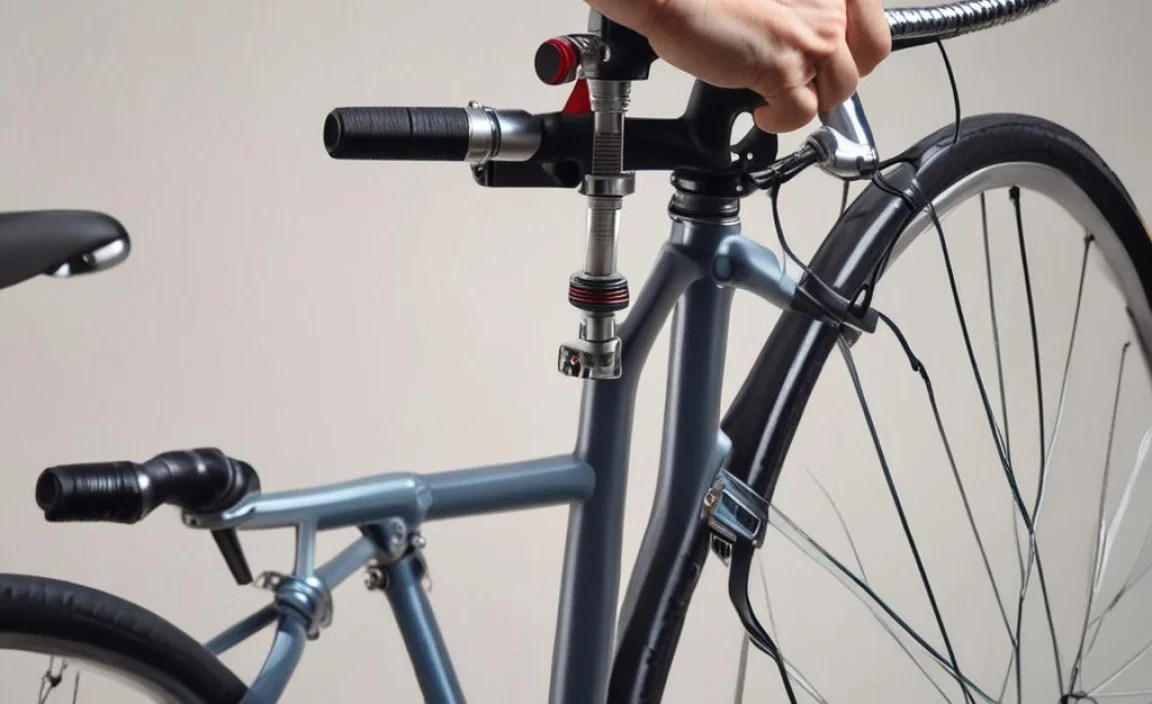
Sometimes, things don’t go exactly as planned. Here are some common issues you might encounter when installing a bicycle hand pump mount, along with troubleshooting tips.
Mount Doesn’t Fit
Problem: The pump mount doesn’t fit your pump or your bike frame.
Solution: Double-check the compatibility of the mount with your pump and frame. If necessary, try a different type of mount or a different location on your frame.
Mount is Loose
Problem: The pump mount keeps coming loose, even after tightening the bolts or straps.
Solution: Make sure you’re using the correct size Allen wrench or screwdriver. If the bolts are stripped, replace them. For strap-on mounts, try using a stronger type of strap.
Pump Rattles
Problem: The pump rattles inside the mount while riding.
Solution: Make sure the pump is securely clipped or strapped into the mount. If necessary, add some padding to the mount to reduce vibration.
Frame Damage
Problem: The mount is scratching or scuffing your bike frame.
Solution: Use frame protection tape to protect your frame from damage. Make sure the mount is properly aligned and doesn’t rub against the frame.
Maintenance and Care
To keep your bicycle hand pump mount in good condition, follow these maintenance and care tips:
- Regular Cleaning: Clean the mount regularly with a damp cloth to remove dirt and grime.
- Check for Damage: Inspect the mount for cracks, breaks, or other damage. Replace it if necessary.
- Tighten Bolts/Straps: Periodically check the bolts or straps to make sure they’re tight.
- Lubricate Moving Parts: If the mount has any moving parts, lubricate them with a light oil to keep them working smoothly.
Pump Mount Options Table
Here’s a table with some pump mount options.
| Mount Type | Pros | Cons | Best For |
|---|---|---|---|
| Frame-Mounted | Secure, stable, easy to access | Can be bulky, may require drilling | Everyday riders, commuters |
| Bottle Cage Mount | Discreet, convenient, no drilling required | May interfere with bottle cage, less secure | Road cyclists, minimalist riders |
| Under-the-Seat Mount | Out of the way, aerodynamic, doesn’t require frame space | Can be difficult to access, may interfere with saddle bag | Racers, triathletes |
Bolt vs. Strap Mounts
Here’s a detailed comparison of bolt and strap mounting options.
| Feature | Bolt Mounts | Strap Mounts |
|---|---|---|
| Security | More secure, less likely to come loose | Less secure, can slip or move |
| Installation | Requires bolt holes on frame, can be more difficult | Easy to install on any frame tube |
| Versatility | Limited to frames with bolt holes | Can be used on a variety of frame shapes and sizes |
| Aesthetics | Clean look, integrates well with frame | Can look bulky or out of place |
| Adjustability | Less adjustable, fixed position | More adjustable, can be repositioned easily |
Other Mounting Locations Considerations
Exploring different mounting locations can optimize your bike’s setup for convenience and aerodynamics. Here are several alternative spots to consider:
- Fork Mount: Attaching a pump to the fork can keep it out of the way and improve aerodynamics.
- Hidden in Frame: Some high-end bikes have storage compartments inside the frame, perfect for stashing a mini-pump.
- Handlebar Mount: While less common, mounting a pump to the handlebars can provide quick access.
- Inside a Pannier: If you use panniers, you can store your pump inside one of the bags.
External Resources for Bike Maintenance
For more in-depth information on bike maintenance, check out these resources:
- REI Expert Advice on Bike Repair: A comprehensive guide to bike maintenance and repair.
- Park Tool’s Repair Help: Detailed tutorials and videos on various bike repair tasks.
- Bicycle Tutor: Step-by-step instructions and videos for bike maintenance.
FAQ: Installing Bicycle Hand Pump Mount
Got questions? Here are some frequently asked questions about installing bicycle hand pump mounts.
1. Can I install a pump mount on a carbon fiber frame?
Yes, but be very careful not to overtighten the bolts. Use a torque wrench to ensure you’re not exceeding the recommended torque for your frame. It’s also a good idea to use frame protection tape to prevent scratches.
2. What size Allen wrench do I need?
It depends on the bolts used on your pump mount. Most mounts use a 4mm or 5mm Allen wrench. Check the instructions that came with your mount to be sure.
3. Can I install a pump mount on a mountain bike?
Yes, but consider the location carefully. Choose a spot that’s out of the way and won’t get damaged by rocks or branches. A frame-mounted or under-the-seat mount is usually a good choice.
4. What if my bike doesn’t have water bottle cage mounts?
You can use a strap-on mount or a mount that attaches to the seat post. There are also adapters available that allow you to add water bottle cage mounts to your frame.
5. How tight should I tighten the bolts?
Tighten the bolts until they’re snug, but don’t overtighten them. Overtightening can damage the frame or strip the bolts. If you have a torque wrench, use it to tighten the bolts to the recommended torque.
6. Can I use a pump mount with any type of pump?
No, make sure the pump mount is compatible with the size and shape of your pump. Some mounts are adjustable, while others are designed for specific models.
7. What is frame protection tape and do I really need it?
Frame protection tape is a clear, adhesive tape that protects your bike frame from scratches and scuffs. It’s especially useful for protecting the frame from the pump mount rubbing against it. While not essential, it’s a good idea to use it to keep your frame looking its best.
Conclusion
Installing a bicycle hand pump mount is a simple yet essential task for any cyclist. By following these steps, you can ensure your pump is always within reach, ready to tackle any flat tire emergencies. Remember to choose the right mount, gather your tools, and take your time during the installation process. With a little bit of effort, you’ll be able to ride with confidence, knowing you’re prepared for anything the road throws your way.
So, grab your tools, choose your mount, and get ready to hit the road! Happy cycling!


