
Will a Bad Thermostat Cause Short Cycling on a Heat Pump?

Quick Summary: Yes, a faulty thermostat can absolutely cause short cycling in your heat pump. A thermostat that isn’t reading the temperature correctly or is malfunctioning can send incorrect signals to your heat pump, causing it to turn on and off too frequently. This not only reduces efficiency but can also damage your heat pump over time. Replacing or recalibrating the thermostat is often a simple fix.
Is your heat pump turning on and off way too often? It’s frustrating, right? This is called short cycling, and it can make your home uncomfortable and run up your energy bills. One common culprit behind this issue is a bad thermostat. A thermostat is like the brain of your heating and cooling system. When it goes wrong, it can send all sorts of confusing signals to your heat pump. Luckily, diagnosing and fixing a thermostat problem is often straightforward. Let’s dive into how a bad thermostat can lead to short cycling and what you can do about it!
Understanding Short Cycling in Heat Pumps

Short cycling happens when your heat pump turns on and off more frequently than it should. Instead of running in longer, more efficient cycles, it starts and stops rapidly. This puts extra strain on the components, wastes energy, and can reduce the lifespan of your heat pump.
Why Short Cycling is Bad News
- Reduced Efficiency: Short cycles don’t allow the heat pump to reach its optimal operating temperature, wasting energy.
- Increased Wear and Tear: Frequent starts and stops put stress on the compressor and other parts.
- Uneven Heating/Cooling: Your home won’t be heated or cooled evenly, leading to uncomfortable temperature fluctuations.
- Higher Energy Bills: Wasted energy translates directly into higher monthly costs.
How a Thermostat Influences Heat Pump Operation

The thermostat’s job is to monitor the temperature in your home and tell the heat pump when to turn on or off to maintain the set temperature. It acts as the control center, ensuring your heat pump operates efficiently and effectively.
The Thermostat’s Role
- Temperature Sensing: The thermostat continuously measures the ambient temperature.
- Signal Sending: When the temperature deviates from the setpoint, the thermostat sends a signal to the heat pump.
- On/Off Control: The signal tells the heat pump to either start heating/cooling or to stop.
The Link Between a Bad Thermostat and Short Cycling

When a thermostat malfunctions, it can send incorrect signals to the heat pump, leading to short cycling. Here’s how:
- Inaccurate Temperature Readings: If the thermostat reads the temperature incorrectly (e.g., thinks it’s warmer than it is), it might shut off the heat pump too soon.
- Faulty Wiring: Loose or damaged wiring can cause intermittent signals, leading to erratic on/off behavior.
- Calibration Issues: A thermostat that’s out of calibration might not accurately reflect the actual room temperature.
- Internal Component Failure: Over time, internal components can fail, causing the thermostat to send incorrect or inconsistent signals.
Diagnosing Thermostat Problems
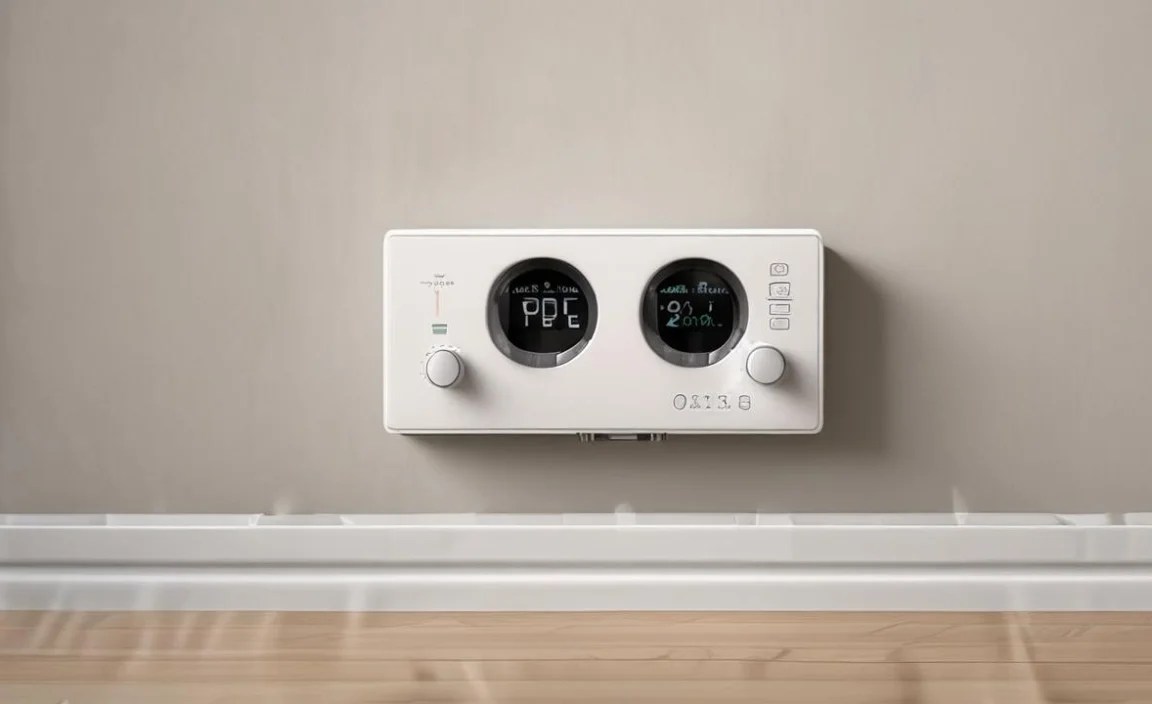
Before assuming the thermostat is the issue, it’s good to rule out other potential causes of short cycling, such as a dirty air filter, refrigerant leaks, or a malfunctioning compressor. However, if you suspect the thermostat, here’s how to investigate:
Steps to Diagnose a Thermostat Problem
- Check the Batteries: If your thermostat uses batteries, make sure they’re fresh. Low batteries can cause erratic behavior.
- Inspect the Wiring: Look for loose connections or damaged wires. Tighten any loose connections and replace damaged wires.
- Clean the Thermostat: Dust and debris can interfere with the thermostat’s sensors. Gently clean the thermostat with a soft brush or cloth.
- Check the Location: Ensure the thermostat is not located near a heat source (like a lamp or sunny window) or in a drafty area. These conditions can affect its accuracy.
- Test the Thermostat: Use a multimeter to test the thermostat’s continuity. This can help determine if the thermostat is sending the correct signals.
Testing a Thermostat with a Multimeter

Using a multimeter is a great way to determine if your thermostat is functioning correctly. Here’s a step-by-step guide:
- Turn off the Power: Always turn off the power to your HVAC system at the breaker box before working on the thermostat. Safety first!
- Remove the Thermostat Cover: Carefully remove the cover to expose the wiring terminals.
- Identify the Wires: Note the wiring configuration. Common wires include R (power), W (heat), Y (cool), and G (fan).
- Set the Multimeter: Set your multimeter to the continuity setting (usually indicated by a sound wave symbol).
- Test for Continuity:
- Heating Mode: Disconnect the R and W wires. Place one multimeter probe on the R wire terminal and the other on the W wire terminal. Turn up the thermostat. The multimeter should show continuity (beep or read close to 0 ohms). If not, the thermostat isn’t signaling for heat.
- Cooling Mode: Disconnect the R and Y wires. Place one multimeter probe on the R wire terminal and the other on the Y wire terminal. Turn down the thermostat. The multimeter should show continuity. If not, the thermostat isn’t signaling for cooling.
- Reconnect the Wires: Once testing is complete, reconnect the wires exactly as they were before.
- Restore Power: Turn the power back on at the breaker box.
Fixing Thermostat Problems
Once you’ve identified that the thermostat is the problem, you have a few options for fixing it:
Solutions for a Faulty Thermostat
- Replace the Batteries: If low batteries are the issue, simply replace them with new ones.
- Tighten Wiring Connections: If you find loose wiring, tighten the connections with a screwdriver.
- Recalibrate the Thermostat: Some thermostats can be recalibrated. Consult the manufacturer’s instructions for how to do this.
- Replace the Thermostat: If the thermostat is old or damaged, it might be best to replace it. Modern smart thermostats offer many benefits, such as remote control and energy monitoring.
Recalibrating a Thermostat
If your thermostat is consistently off by a few degrees, recalibration might be the answer. Here’s how to do it:
- Consult the Manual: Find your thermostat’s manual. The recalibration process varies by model.
- Access Calibration Settings:
- Digital Thermostats: Often, you can access calibration settings through the menu. Look for options like “Calibration,” “Offset,” or “Temperature Adjustment.”
- Mechanical Thermostats: These might have a small adjustment screw behind the cover.
- Adjust the Temperature: Use a reliable thermometer to compare the actual room temperature with the thermostat reading. Adjust the thermostat to match the actual temperature. For example, if the thermometer reads 70°F and the thermostat reads 68°F, adjust the thermostat up by 2 degrees.
- Test and Fine-Tune: Monitor the thermostat over the next few hours to ensure it’s maintaining the correct temperature. Make further adjustments as needed.
Choosing a New Thermostat
If you decide to replace your thermostat, you’ll find a wide range of options available. Here’s a quick guide to help you choose:
- Basic Digital Thermostats: These are simple to use and offer basic temperature control.
- Programmable Thermostats: These allow you to set different temperatures for different times of the day, saving energy.
- Smart Thermostats: These connect to your Wi-Fi network and can be controlled remotely via a smartphone app. They also offer advanced features like energy monitoring and learning capabilities.
Smart Thermostat Advantages
Smart thermostats offer several advantages over traditional models:
- Remote Control: Adjust the temperature from anywhere using your smartphone.
- Energy Monitoring: Track your energy usage and identify ways to save money.
- Learning Capabilities: Some smart thermostats learn your habits and automatically adjust the temperature to maximize comfort and efficiency.
- Integration: Many smart thermostats can integrate with other smart home devices, such as smart lights and voice assistants.
Installation Tips for a New Thermostat
Installing a new thermostat is usually a straightforward DIY project. However, it’s essential to follow the instructions carefully and take necessary safety precautions.
Step-by-Step Installation Guide
- Turn off the Power: As always, turn off the power to your HVAC system at the breaker box.
- Remove the Old Thermostat: Carefully remove the old thermostat from the wall.
- Label the Wires: Before disconnecting any wires, label them with masking tape and a marker. Note which wire goes to which terminal.
- Disconnect the Wires: Disconnect the wires from the old thermostat.
- Mount the New Thermostat: Mount the new thermostat to the wall.
- Connect the Wires: Connect the wires to the corresponding terminals on the new thermostat, matching the labels you made earlier.
- Attach the Cover: Attach the thermostat cover.
- Turn on the Power: Turn the power back on at the breaker box.
- Test the Thermostat: Test the new thermostat to ensure it’s working correctly.
Preventative Maintenance for Your Thermostat
Regular maintenance can help prevent thermostat problems and ensure your heat pump operates efficiently.
Tips for Thermostat Maintenance
- Clean Regularly: Dust the thermostat regularly with a soft brush or cloth.
- Check Batteries: Replace the batteries in battery-powered thermostats annually.
- Inspect Wiring: Periodically inspect the wiring for loose connections or damage.
- Monitor Performance: Pay attention to how your heat pump is operating. If you notice any signs of short cycling or inconsistent temperatures, investigate promptly.
Troubleshooting Common Thermostat Issues
Even with regular maintenance, thermostat problems can still arise. Here are some common issues and how to troubleshoot them:
| Issue | Possible Cause | Solution |
|---|---|---|
| Thermostat not responding | Dead batteries, power outage, wiring issue | Replace batteries, check power supply, inspect wiring |
| Inaccurate temperature readings | Poor location, calibration issue, faulty sensor | Relocate thermostat, recalibrate, replace thermostat |
| Heat/AC not turning on | Wiring issue, tripped breaker, faulty thermostat | Inspect wiring, check breaker, replace thermostat |
| Short cycling | Faulty thermostat, dirty air filter, refrigerant leak | Troubleshoot thermostat, replace air filter, call HVAC technician |
Other Potential Causes of Short Cycling
While a bad thermostat is a common cause of short cycling, it’s not the only possibility. Here are some other factors to consider:
- Dirty Air Filter: A clogged air filter restricts airflow, causing the heat pump to overheat and shut down prematurely.
- Refrigerant Leaks: Low refrigerant levels can cause the heat pump to cycle on and off rapidly.
- Oversized Heat Pump: If your heat pump is too large for your home, it might heat or cool the space too quickly, leading to short cycles.
- Faulty Compressor: A malfunctioning compressor can also cause short cycling.
When to Call a Professional
While many thermostat issues can be resolved with DIY solutions, some problems require professional assistance. It’s best to call an HVAC technician if:
- You’re not comfortable working with electrical wiring.
- You suspect a refrigerant leak.
- The compressor is malfunctioning.
- You’ve tried troubleshooting the thermostat and the problem persists.
Conclusion
A bad thermostat can indeed cause short cycling in your heat pump, leading to inefficiency, increased wear and tear, and higher energy bills. By understanding how a thermostat works, diagnosing potential issues, and taking steps to fix or replace it, you can ensure your heat pump operates efficiently and keeps your home comfortable. Remember to perform regular maintenance, and don’t hesitate to call a professional if you encounter complex problems. With a little attention and care, you can keep your heat pump running smoothly for years to come!
FAQ About Thermostats and Heat Pumps
Here are some frequently asked questions about thermostats and heat pumps:
- Q: How often should I replace my thermostat?
- A: A good quality thermostat can last for 10 years or more. However, if you experience frequent problems or if your thermostat is outdated, it’s a good idea to replace it.
- Q: Can a dirty air filter cause short cycling?
- A: Yes, a dirty air filter restricts airflow, causing the heat pump to overheat and shut down prematurely. Replace your air filter regularly to prevent this.
- Q: What is a smart thermostat?
- A: A smart thermostat is a thermostat that connects to your Wi-Fi network and can be controlled remotely via a smartphone app. It offers advanced features like energy monitoring and learning capabilities.
- Q: How do I know if my thermostat is calibrated correctly?
- A: Compare the thermostat reading with a reliable thermometer. If there’s a significant difference, you may need to recalibrate the thermostat.
- Q: Can I install a new thermostat myself?
- A: Yes, installing a new thermostat is usually a straightforward DIY project. However, it’s essential to follow the instructions carefully and take necessary safety precautions.
- Q: What are the benefits of a programmable thermostat?
- A: Programmable thermostats allow you to set different temperatures for different times of the day, saving energy and reducing your energy bills.
- Q: Why is my heat pump turning on and off so frequently?
- A: Frequent on-and-off cycling, known as short cycling, can be caused by a faulty thermostat, dirty air filter, refrigerant leaks, or an oversized heat pump.


