
Why Is Cycling Bad for Your Bike Pump? Understanding the Risks and How to Protect Your Gear

Cycling can put extra strain on your bike pump, especially if you’re not careful. Overuse, improper technique, and neglecting maintenance can lead to damage. But don’t worry! With the right knowledge and a few simple steps, you can keep your pump in top shape and avoid costly repairs.
Hey there, cycling friends! Raymond Ammons here, from BicyclePumper.com. We all know the frustration of a flat tire, and a reliable bike pump is our best friend in those moments. But have you ever wondered if all that pumping is actually *bad* for your pump? It’s a valid question! Like any tool, bike pumps can suffer wear and tear. In this guide, we’ll explore the common issues and give you easy-to-follow tips to extend the life of your pump. Let’s get pumping… responsibly!
Understanding the Risks: How Cycling Impacts Your Bike Pump

Cycling itself isn’t “bad” for your pump, but *how* you cycle and *how* you maintain your pump can make a big difference. Let’s dive into the factors that can lead to pump problems.
1. Overuse and High-Pressure Pumping
The more you use your pump, especially for high-pressure tires (like those on road bikes), the more wear and tear it experiences. Think of it like this: every pump stroke puts stress on the internal components.
Here’s why high pressure is a key factor:
- Increased Friction: Pumping to high pressures creates more friction inside the pump cylinder and seals.
- Heat Buildup: Friction generates heat, which can degrade rubber seals and O-rings over time.
- Strain on Components: High pressure puts a significant strain on the pump’s piston, rod, and handle.
2. Improper Technique and Force
Using the wrong pumping technique can also damage your pump. Here are some common mistakes:
- Jerky Motions: Avoid quick, jerky pumping motions. These put sudden stress on the pump’s internal parts.
- Excessive Force: Don’t force the handle down if you meet resistance. This can bend or break components.
- Incorrect Valve Attachment: Improperly attaching the pump head to the valve can damage both the pump and the valve.
3. Environmental Factors and Storage
Where and how you store your pump matters. Exposure to the elements can cause corrosion and damage.
- Moisture: Humidity and rain can cause rust and corrosion, especially on metal parts.
- Dust and Dirt: Dirt can get inside the pump cylinder, acting as an abrasive and damaging the seals.
- Extreme Temperatures: Extreme heat or cold can degrade rubber and plastic components.
4. Lack of Maintenance and Cleaning
Neglecting regular maintenance is a surefire way to shorten the life of your bike pump. Here’s what can happen:
- Dried-Out Seals: Rubber seals need lubrication to stay flexible and airtight. Without it, they can crack and leak.
- Clogged Valves: Dirt and debris can clog the pump’s valves, reducing its efficiency.
- Corrosion: Untreated rust and corrosion can weaken the pump’s structure and cause it to fail.
Protecting Your Pump: A Step-by-Step Guide

Now that we know the risks, let’s talk about how to protect your bike pump and keep it working smoothly for years to come. These steps are easy to follow and will make a big difference.
Step 1: Choose the Right Pump for Your Needs
Selecting the right type of pump is crucial. Different pumps are designed for different purposes. Here’s a quick overview:
- Floor Pumps: These are great for home use and offer high volume and pressure. They’re ideal for inflating tires quickly and easily.
- Mini Pumps: These are portable and designed for on-the-go repairs. They’re smaller and lighter but require more effort to inflate tires.
- CO2 Inflators: These use compressed CO2 cartridges for rapid inflation. They’re great for emergencies but can be costly in the long run.
- Electric Pumps: Battery-powered, these offer convenience and consistent pressure, suitable for various tire types.
Consider these factors when choosing a pump:
- Tire Type: Road bikes require high-pressure pumps, while mountain bikes need high-volume pumps.
- Frequency of Use: If you ride frequently, invest in a durable, high-quality pump.
- Portability: If you need a pump for emergencies, choose a mini pump or CO2 inflator.
Step 2: Use Proper Pumping Technique
Using the correct pumping technique can significantly reduce wear and tear on your pump.
- Secure the Pump Head: Make sure the pump head is securely attached to the valve. A loose connection can damage both the pump and the valve.
- Use Smooth, Steady Strokes: Avoid jerky, rapid pumping motions. Use smooth, full strokes to minimize stress on the pump.
- Engage Your Body Weight: Use your body weight to assist with pumping, especially at higher pressures. This reduces the strain on your arms and the pump.
- Avoid Over-Pumping: Don’t exceed the recommended tire pressure. Over-inflating can damage your tires and put unnecessary stress on the pump.
Step 3: Regular Cleaning and Maintenance
Regular cleaning and maintenance are essential for keeping your pump in good working order.
- Clean the Pump Exterior: Wipe down the pump with a damp cloth to remove dirt and grime.
- Lubricate the Piston and Seals: Apply a small amount of silicone grease or pump oil to the piston and seals. This keeps them lubricated and prevents them from drying out.
- Check and Replace O-Rings: Inspect the O-rings for cracks or damage. Replace them as needed.
- Clean the Valve Connector: Periodically clean the valve connector to remove dirt and debris.
Here’s a simple maintenance schedule:
| Frequency | Task | Description |
|---|---|---|
| Monthly | Exterior Cleaning | Wipe down the pump with a damp cloth. |
| Every 3 Months | Lubrication | Apply silicone grease to the piston and seals. |
| Annually | O-Ring Inspection | Check and replace O-rings as needed. |
Step 4: Proper Storage Practices
Storing your pump properly can protect it from the elements and extend its lifespan.
- Store Indoors: Keep your pump indoors, away from direct sunlight, moisture, and extreme temperatures.
- Use a Protective Case: If you have a mini pump, store it in a protective case to prevent damage.
- Avoid Storing in Dusty Areas: Keep your pump away from dusty areas to prevent dirt from getting inside.
Step 5: Watch Out for Common Warning Signs
Being aware of the warning signs of pump problems can help you address issues before they become major.
- Loss of Pressure: If your pump is losing pressure, it could be a sign of a leaky seal or a clogged valve.
- Difficulty Pumping: If it’s becoming harder to pump, the piston may need lubrication or the O-rings may need replacing.
- Unusual Noises: Grinding or squeaking noises can indicate internal damage or lack of lubrication.
- Visible Damage: Cracks, bends, or corrosion are clear signs that your pump needs repair or replacement.
Choosing the Right Lubricants and Cleaning Products

Using the right products for cleaning and lubricating your pump is essential. Here are some recommendations:
- Silicone Grease: This is a great lubricant for rubber seals and O-rings. It’s non-toxic and won’t damage rubber components.
- Pump Oil: Some manufacturers recommend using pump oil for specific pump models. Check the manufacturer’s instructions.
- Mild Soap and Water: For cleaning the pump exterior, use a mild soap and water solution. Avoid harsh chemicals that can damage the finish.
- Isopropyl Alcohol: For cleaning the valve connector, use isopropyl alcohol to remove dirt and debris.
Important Note: Avoid using petroleum-based lubricants, as they can damage rubber seals and O-rings.
Troubleshooting Common Pump Problems
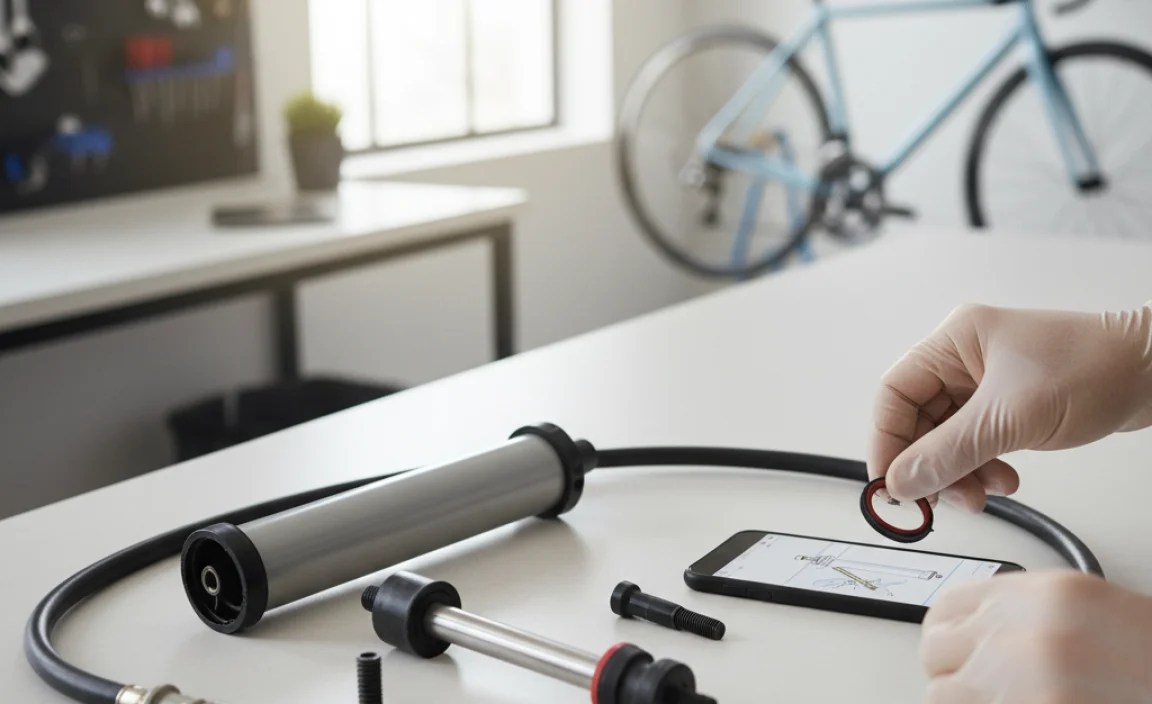
Even with the best care, pump problems can still occur. Here are some common issues and how to fix them.
| Problem | Possible Cause | Solution |
|---|---|---|
| Pump loses pressure | Leaky seal or O-ring | Replace the seal or O-ring. |
| Difficult to pump | Lack of lubrication | Lubricate the piston and seals. |
| Valve connector won’t attach | Dirt or debris in the connector | Clean the valve connector with isopropyl alcohol. |
| Handle won’t move | Internal damage | Inspect the pump for broken parts. Repair or replace as needed. |
DIY Repairs vs. Professional Service
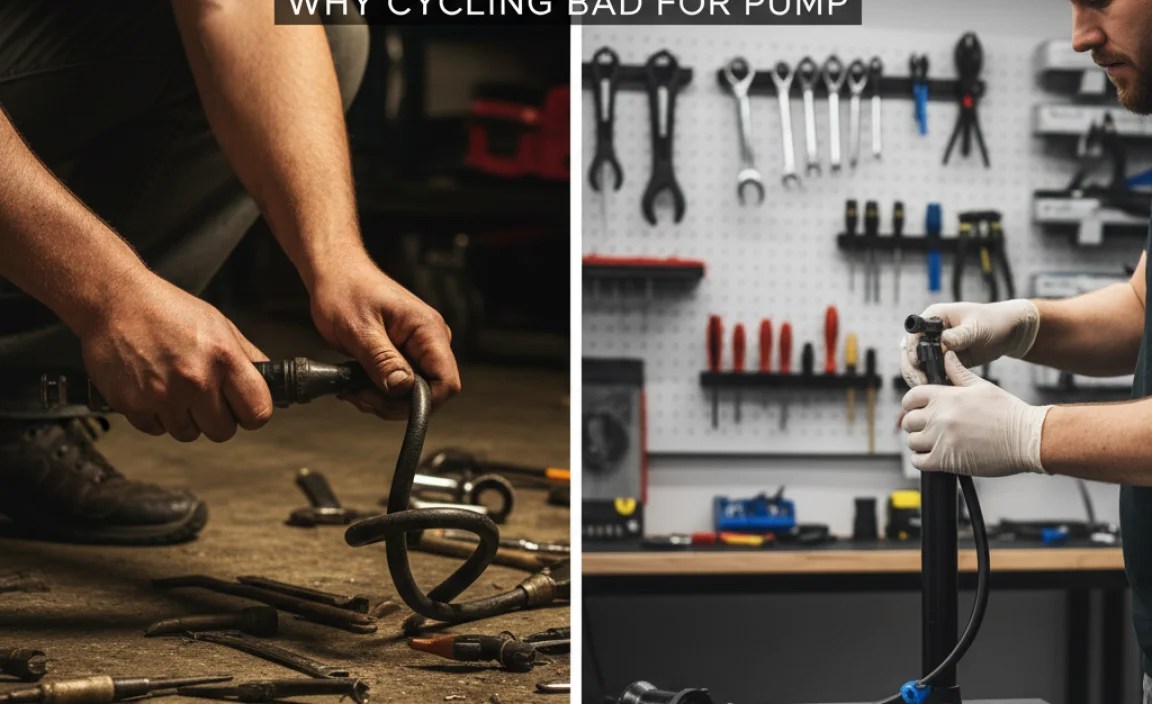
Some pump problems can be easily fixed at home, while others may require professional service. Here’s a general guideline:
- DIY Repairs: Replacing O-rings, lubricating the piston, and cleaning the valve connector are tasks you can easily do at home.
- Professional Service: If your pump has internal damage, such as a bent piston rod or a cracked cylinder, it’s best to take it to a bike shop for repair.
When to Replace Your Bike Pump
Even with proper care, bike pumps eventually wear out and need to be replaced. Here are some signs that it’s time for a new pump:
- Frequent Breakdowns: If your pump is constantly breaking down, it’s probably time to replace it.
- Significant Loss of Pressure: If your pump can no longer inflate tires to the desired pressure, it’s time for a new one.
- Visible Damage: If your pump has significant cracks, bends, or corrosion, it’s time to replace it.
Investing in a high-quality bike pump can save you money in the long run. Look for pumps with durable construction and replaceable parts.
The Best Bike Pumps for Longevity
Here are a few bike pumps known for their durability and long lifespan. These are reliable choices that will serve you well for years with proper care.
- Lezyne Floor Drive: Known for its robust construction and precise inflation.
- Topeak JoeBlow Sport III: A durable and reliable floor pump suitable for various tire types.
- Park Tool PFP-5: A high-quality pump designed for frequent use and long-lasting performance.
- Silca Pista: A premium pump known for its exceptional durability and performance. Silca is known for making high-end pumps.
FAQ: Common Questions About Bike Pump Maintenance
Q: How often should I lubricate my bike pump?
A: You should lubricate your bike pump every 3 months, or more often if you use it frequently.
Q: What type of lubricant should I use on my bike pump?
A: Use silicone grease or pump oil. Avoid petroleum-based lubricants, as they can damage rubber seals.
Q: How do I clean the valve connector on my bike pump?
A: Use isopropyl alcohol to remove dirt and debris from the valve connector.
Q: Can I use a car tire inflator on my bike tires?
A: While you *can* use a car tire inflator in a pinch, it’s not recommended. Car inflators often deliver too much pressure too quickly, which can damage your bike tires. Bike pumps are designed to provide the right amount of pressure for bike tires.
Q: How do I know if my pump’s O-rings need to be replaced?
A: If your pump is losing pressure or if the O-rings are cracked or damaged, it’s time to replace them.
Q: Is it worth it to repair a bike pump, or should I just buy a new one?
A: It depends on the problem. Simple repairs like replacing O-rings are worth doing. But if your pump has major internal damage, it may be more cost-effective to buy a new one.
Q: How do I prevent my mini pump from breaking during a ride?
A: Store your mini pump in a protective case to prevent damage. Also, make sure the pump head is securely attached to the valve before pumping.
Conclusion: Keep Your Pump Pumping!
So, is cycling “bad” for your bike pump? Not necessarily! By understanding the risks and following these simple maintenance steps, you can significantly extend the life of your pump and keep it working smoothly for years to come. Remember to choose the right pump, use proper technique, clean and lubricate it regularly, store it properly, and watch out for warning signs. With a little bit of care, your bike pump will be your trusty companion on all your cycling adventures. Happy pumping!
“`


