
What Does the Cycle Mean on the Spectra Pump? A Simple Guide

Quick Summary: The “cycle” setting on your Spectra breast pump controls the speed at which the pump pulls. A higher cycle number means more sucks per minute, which can help some moms express milk faster. Finding the right cycle setting, along with the right vacuum strength, is key for comfortable and efficient pumping.
Figuring out all the settings on your breast pump can feel like learning a new language! You’re busy enough as it is, and the last thing you need is confusion about how to use your pump effectively. Many moms find themselves wondering about the “cycle” setting on their Spectra pump. What does it actually do, and how should you adjust it? Don’t worry, you’re not alone! This guide will break down what the cycle setting means, how to use it, and how to find the settings that work best for you. We’ll cover everything step-by-step so you can feel confident and comfortable every time you pump. Let’s get started!
Understanding the Spectra Pump Cycle Setting
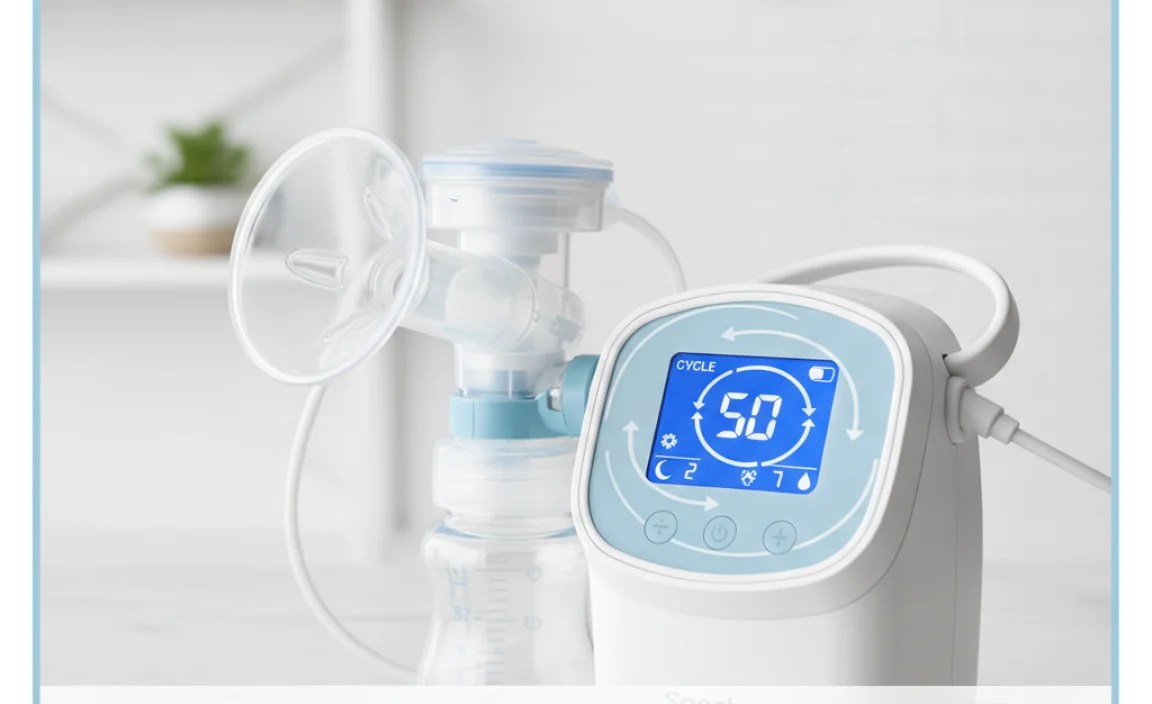
The “cycle” setting on your Spectra breast pump refers to the number of suction cycles per minute. Think of it as the speed of the pump. Each cycle involves the pump creating a vacuum to draw milk, then releasing it. A higher cycle number means the pump is completing more of these suction-and-release cycles in a minute.
Why is the Cycle Setting Important?
The cycle setting, along with the vacuum (suction) setting, plays a big role in how efficiently and comfortably you can express milk. Adjusting these settings allows you to mimic your baby’s natural nursing patterns more closely, which can stimulate milk flow and help you empty your breasts effectively.
Let-Down Mode vs. Expression Mode
Spectra pumps typically have two main modes: let-down (massage) mode and expression mode. Let-down mode is designed to stimulate your milk ejection reflex (let-down), while expression mode is for actively expressing milk.
- Let-Down (Massage) Mode: This mode usually has a higher cycle speed and lower vacuum strength to mimic the quick, gentle sucking of a baby at the beginning of a feeding.
- Expression Mode: This mode allows you to adjust both the cycle speed and vacuum strength to find the most effective and comfortable settings for milk expression.
How to Adjust the Cycle Setting on Your Spectra Pump

Adjusting the cycle setting is straightforward. Here’s a step-by-step guide:
- Turn on Your Pump: Start by turning on your Spectra breast pump.
- Select Expression Mode: Press the mode button to switch to expression mode (usually indicated by a wavy line or droplet symbol).
- Adjust the Cycle Speed: Use the cycle adjustment buttons (usually “+” and “-” symbols) to increase or decrease the cycle speed. The cycle speed is typically displayed on the pump’s screen.
- Adjust the Vacuum Strength: Independently adjust the vacuum strength to find a comfortable level. It’s best to start low and gradually increase the suction until you find what works best for you.
- Observe Your Milk Flow and Comfort: Pay attention to how your body responds. Are you expressing milk efficiently? Are you feeling any discomfort? Adjust the cycle speed and vacuum strength as needed.
Finding Your Ideal Settings
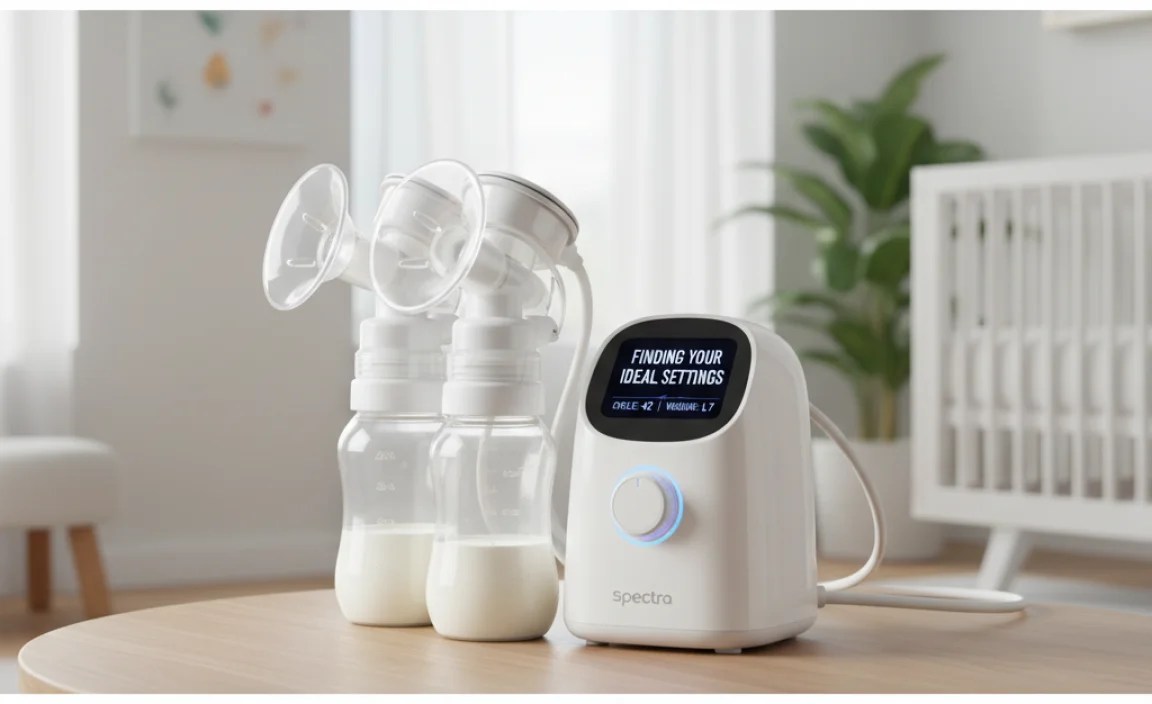
Every woman is different, so finding the perfect cycle and vacuum settings can take some experimentation. Here are some tips to help you discover what works best for you:
- Start with the Default Settings: Begin with the default settings recommended in your pump’s manual.
- Adjust Gradually: Make small adjustments to the cycle speed and vacuum strength, one at a time. This will help you pinpoint which changes are most effective.
- Listen to Your Body: Pay attention to how your breasts feel. Pumping should not be painful. If you experience discomfort, reduce the vacuum strength or cycle speed.
- Watch Your Milk Flow: Observe how quickly and easily your milk is flowing. If the flow is slow, try increasing the cycle speed or vacuum strength. If the flow is too forceful or causing discomfort, reduce the settings.
- Experiment at Different Times of Day: Your milk supply and sensitivity can vary throughout the day. Experiment with different settings during different pumping sessions to find what works best at each time.
Troubleshooting Common Issues
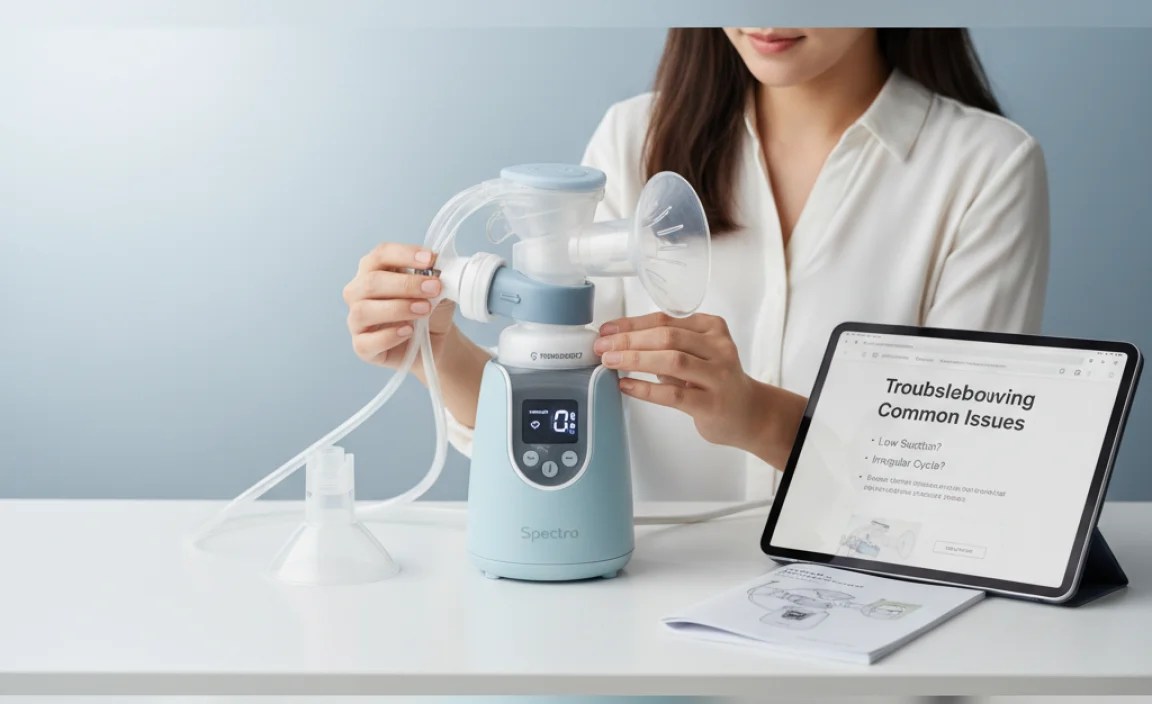
Sometimes, even with the right settings, you might encounter issues. Here are some common problems and how to address them:
- Low Milk Output:
- Check Your Pump Parts: Ensure all parts are properly assembled and that there are no cracks or damage. Replace parts as needed.
- Adjust Settings: Try increasing both the cycle speed and vacuum strength.
- Ensure Proper Flange Size: Using the wrong flange size can significantly impact milk output. Make sure your flange fits correctly.
Medela offers a guide on proper flange sizing. - Try Hands-On Pumping: Combining hand expression with pumping can help stimulate milk flow.
- Pain or Discomfort:
- Reduce Vacuum Strength: Lower the vacuum strength immediately if you feel pain.
- Check Flange Fit: An improperly sized flange can cause friction and discomfort.
- Use Lanolin or Nipple Cream: Apply lanolin or nipple cream to soothe irritated nipples.
- Take Breaks: If pumping is consistently painful, take a break and consult with a lactation consultant.
- Pump Not Cycling Properly:
- Check Tubing: Make sure the tubing is securely connected and free of kinks or obstructions.
- Check Pump Settings: Ensure you are in the correct mode (expression mode) and that the cycle speed is appropriately adjusted.
- Contact Customer Support: If the pump is still not cycling correctly, contact Spectra customer support for assistance.
Spectra Pump Settings Table
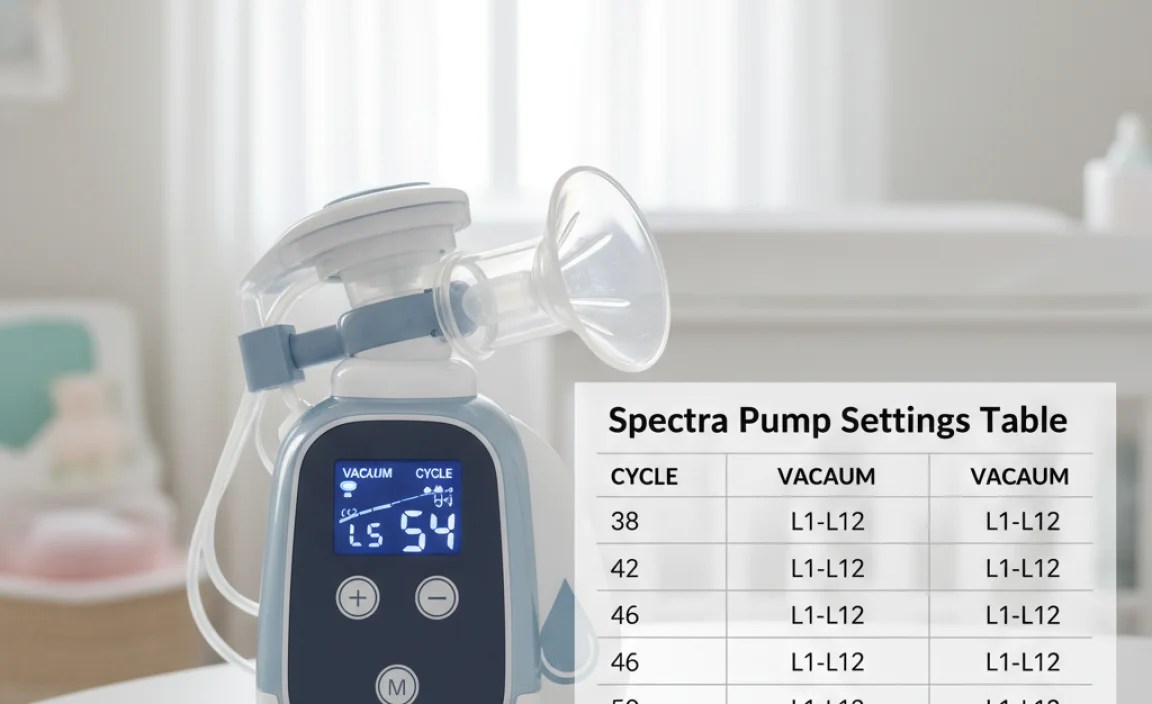
Here’s a quick reference table to help you understand the relationship between cycle speed, vacuum strength, and their effects:
| Setting | Effect | When to Use |
|---|---|---|
| High Cycle Speed | More sucks per minute, stimulates let-down | During let-down mode, to initiate milk flow |
| Low Cycle Speed | Fewer sucks per minute, gentler expression | When milk is already flowing, for comfortable expression |
| High Vacuum Strength | Stronger suction, more milk expressed | When milk flow is slow, to increase milk output |
| Low Vacuum Strength | Gentler suction, more comfortable pumping | When nipples are sensitive, to prevent pain |
Benefits of Understanding Your Spectra Pump Settings
Taking the time to understand and adjust your Spectra pump settings can offer several benefits:
- Increased Milk Output: Finding the right settings can help you express more milk in less time.
- Improved Comfort: Pumping should not be painful. Adjusting the settings ensures a comfortable experience.
- Efficient Pumping Sessions: With optimized settings, you can empty your breasts more effectively, which can help maintain your milk supply.
- Reduced Pumping Time: By finding the most efficient settings, you can shorten your pumping sessions, freeing up more time for other activities.
- Personalized Experience: Every woman is different. Understanding the settings allows you to tailor the pumping experience to your specific needs and preferences.
Maximizing Your Pumping Sessions
Beyond adjusting the cycle setting, here are some additional tips to help you maximize your pumping sessions:
- Create a Relaxing Environment: Find a quiet, comfortable space where you can relax. Stress can inhibit milk flow.
- Stay Hydrated: Drink plenty of water throughout the day to support milk production.
- Massage Your Breasts: Gently massage your breasts before and during pumping to stimulate milk flow.
- Look at Pictures or Videos of Your Baby: Seeing or hearing your baby can help trigger the let-down reflex.
- Establish a Consistent Pumping Schedule: Pumping at regular intervals can help maintain a consistent milk supply.
- Use a Hands-Free Pumping Bra: A hands-free pumping bra allows you to multitask while pumping.
Choosing the Right Flange Size
Using the correct flange size is crucial for comfortable and efficient pumping. An improperly sized flange can cause pain, reduce milk output, and even damage your nipples. Here’s how to determine the right flange size:
- Measure Your Nipple Diameter: Use a ruler or measuring tool to measure the diameter of your nipple (not the areola). Do this after a pumping session when your nipple is slightly swollen.
- Add a Few Millimeters: Add 2-4 mm to the nipple diameter to determine the appropriate flange size.
- Observe During Pumping: Watch your nipple during pumping. It should move freely in the flange tunnel without rubbing or feeling constricted.
Signs of an Incorrect Flange Size:
- Pain or Discomfort: If you experience pain or discomfort during pumping, the flange may be too small.
- Nipple Rubbing: If your nipple rubs against the sides of the flange tunnel, the flange is too small.
- Excessive Areola Being Pulled In: If a large portion of your areola is being pulled into the flange tunnel, the flange may be too large.
- Swelling or Blisters: Swelling or blisters on your nipple can indicate an improperly sized flange.
Spectra Pump Maintenance and Care
Proper maintenance and care are essential to keep your Spectra pump functioning efficiently and hygienically. Here are some tips:
- Clean After Each Use: Disassemble and wash all pump parts that come into contact with breast milk after each use. Use warm, soapy water and a clean brush.
- Sanitize Regularly: Sanitize pump parts at least once a day, especially if your baby is premature or has a compromised immune system. You can sanitize by boiling, steaming, or using a microwave sanitizing bag.
- Replace Parts as Needed: Replace pump parts such as valves, membranes, and tubing regularly. These parts can wear out over time, affecting pump performance. Spectra recommends replacing these parts every 3-6 months, depending on usage.
- Check for Damage: Inspect pump parts regularly for cracks, tears, or other damage. Replace any damaged parts immediately.
- Store Properly: Store your pump and its parts in a clean, dry place when not in use.
Comparing Spectra Pumps
Spectra offers several different breast pump models, each with its own features and benefits. Here’s a brief comparison of some popular models:
| Model | Key Features | Pros | Cons |
|---|---|---|---|
| Spectra S1 Plus | Rechargeable battery, quiet operation, massage mode | Portable, convenient for on-the-go pumping, quiet | More expensive than some other models |
| Spectra S2 Plus | Quiet operation, massage mode | Affordable, effective for milk expression | Requires plugging into an outlet |
| Spectra 9 Plus | Compact, lightweight, rechargeable battery | Portable, discreet, easy to use | Lower suction strength compared to S1/S2 |
| Spectra Synergy Gold | Customizable settings, independent vacuum control | Highly customizable, efficient milk expression | More complex to use, higher price point |
External Resources for Breastfeeding and Pumping
For additional information and support, consider exploring these resources:
- La Leche League International: A non-profit organization that provides breastfeeding support and information. La Leche League International
- KellyMom: A website offering evidence-based information on breastfeeding and parenting. KellyMom
- International Lactation Consultant Association (ILCA): A professional organization for lactation consultants. ILCA
- World Health Organization (WHO): Information and recommendations on breastfeeding. WHO Breastfeeding
FAQ: Understanding Spectra Pump Settings
Here are some frequently asked questions about understanding and using the cycle setting on your Spectra breast pump:
What does the cycle setting actually do?
The cycle setting controls how many times the pump suctions and releases per minute. Higher cycle means faster pumping.
What is the difference between cycle and vacuum settings?
Cycle is the speed of the pump, while vacuum is the strength of the suction. Both work together for efficient pumping.
How do I know what cycle setting is right for me?
Start with default settings and adjust gradually. Listen to your body and watch your milk flow. Pumping should be comfortable, not painful.
Can the wrong cycle setting hurt my nipples?
Yes, too high a vacuum with a high cycle can cause pain. Adjust the settings to find a comfortable balance.
Should I change the cycle setting during a pumping session?
Yes, you can start with a higher cycle to stimulate let-down, then switch to a lower cycle for comfortable expression.
What if I’m not getting enough milk even with adjustments?
Check your flange size, ensure proper pump assembly, and consider consulting a lactation consultant.
How often should I replace my Spectra pump parts?
Replace valves and membranes every 3-6 months, or sooner if you notice decreased pump performance.
Conclusion
Understanding the cycle setting on your Spectra pump is a key step towards a more comfortable and efficient pumping experience. By experimenting with different settings and paying attention to your body’s cues, you can find the perfect combination for optimal milk expression. Remember, every woman is different, so what works for one mom may not work for another. Be patient with yourself, and don’t hesitate to seek guidance from lactation consultants or other healthcare professionals. With the right knowledge and adjustments, you can make pumping a more pleasant and productive part of your breastfeeding journey. Happy pumping!
“`


