
Parts of Cycle Pump: Easy Fix Guide

Quick Summary:
Understanding the parts of your cycle pump is key to keeping your tires inflated and your rides smooth. A typical cycle pump includes a handle, barrel, base, hose, pump head (with valve connectors), piston, and pressure gauge. Knowing these parts helps you maintain your pump and troubleshoot any issues, ensuring it’s always ready for your next adventure.
Ever struggled with a flat tire and a pump that just won’t cooperate? It’s a common frustration for cyclists, and often, the problem isn’t a broken pump, but a lack of understanding of how it works. Knowing the different parts of your cycle pump empowers you to maintain it, fix minor issues, and choose the right pump for your needs.
In this guide, we’ll break down each part of a cycle pump, explaining its function and how it contributes to the overall pumping process. By the end, you’ll be a pump pro, ready to tackle any inflation challenge. Let’s get started!
Understanding the Anatomy of a Cycle Pump

A cycle pump might seem like a simple device, but it’s made up of several key components that work together to inflate your tires efficiently. Let’s take a closer look at each part:
1. Handle
The handle is what you grip to operate the pump. It’s usually made of plastic, wood, or metal, and its design impacts comfort and leverage. A wider, ergonomic handle can make pumping easier, especially at higher pressures.
2. Barrel
The barrel is the main body of the pump, a cylinder in which the piston moves. It’s typically made of steel or aluminum. The barrel’s diameter and length influence the amount of air pumped with each stroke. A larger barrel moves more air but requires more effort.
3. Base
The base provides stability while you’re pumping. It’s usually made of steel, aluminum, or durable plastic. A wide, sturdy base prevents the pump from tipping over, especially when you’re applying a lot of force.
4. Hose
The hose connects the pump to the tire valve. It’s made of flexible rubber or plastic and needs to be durable enough to withstand high pressure. Some hoses can swivel, making it easier to reach the valve without bending or straining.
5. Pump Head
The pump head is the part that attaches to the tire valve. It contains the valve connectors, which need to be compatible with both Presta and Schrader valves. Some pump heads have a lever or locking mechanism to ensure a secure seal.
Valve Connectors
Valve connectors are the small openings in the pump head that fit onto the tire valves. Most modern pumps have dual connectors or a switchable head to accommodate both Presta and Schrader valves.
- Presta Valve Connector: Smaller and narrower, designed for Presta valves found on many road and high-performance bikes.
- Schrader Valve Connector: Wider and more robust, designed for Schrader valves, which are common on mountain bikes and car tires.
6. Piston
The piston is a crucial part inside the barrel that moves up and down to compress air. It’s usually made of plastic or metal and has a rubber or plastic seal to prevent air leakage. A well-maintained piston ensures efficient pumping.
7. Pressure Gauge
The pressure gauge displays the current tire pressure in PSI (pounds per square inch) or bar. It helps you inflate your tires to the correct pressure for optimal performance and safety. Analog gauges are common, but digital gauges offer more precise readings.
Types of Cycle Pumps and Their Key Parts
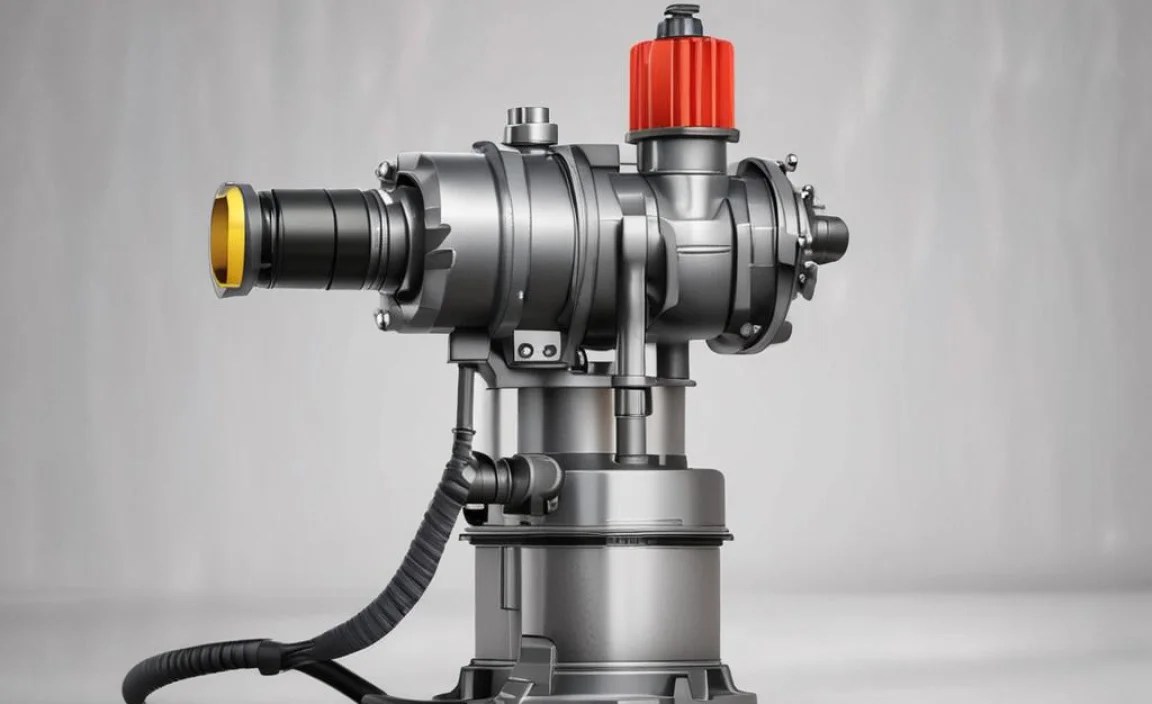
Cycle pumps come in various types, each with its own advantages and specific parts. Here’s a breakdown of the most common types:
1. Floor Pumps (Track Pumps)
Floor pumps are designed for home use and offer the most efficient way to inflate tires. They have a large barrel, a stable base, and a comfortable handle for easy pumping.
- Key Parts: Handle, barrel, base, hose, pump head, piston, pressure gauge.
- Pros: High volume, easy to use, accurate pressure readings.
- Cons: Bulky, not portable.
2. Hand Pumps
Hand pumps are portable and designed for on-the-go inflation. They’re smaller and lighter than floor pumps, making them ideal for carrying on rides.
- Key Parts: Handle, barrel, hose (often integrated), pump head, piston.
- Pros: Portable, lightweight.
- Cons: Lower volume, requires more effort, less accurate pressure readings.
3. CO2 Inflators
CO2 inflators use compressed carbon dioxide cartridges to quickly inflate tires. They’re popular among racers and cyclists who need a fast and lightweight solution.
- Key Parts: CO2 cartridge, inflator head, valve connector.
- Pros: Extremely fast inflation, lightweight.
- Cons: Single-use cartridges, can be wasteful, no pressure gauge.
4. Mini Pumps
Mini pumps are a compact version of hand pumps, designed to be as small and lightweight as possible. They’re perfect for cyclists who prioritize minimal bulk.
- Key Parts: Handle, barrel, pump head, piston.
- Pros: Very portable, lightweight.
- Cons: Low volume, requires significant effort, often lack a pressure gauge.
5. Electric Pumps
Electric pumps offer an automated solution to inflating tires, requiring minimal physical effort. They are powered by batteries and often feature digital displays for precise pressure control.
- Key Parts: Motor, Battery, Digital Display, Hose, Pump Head.
- Pros: Effortless inflation, precise pressure control.
- Cons: Requires charging, can be heavier than manual pumps.
Material Matters: Pump Parts Deep Dive
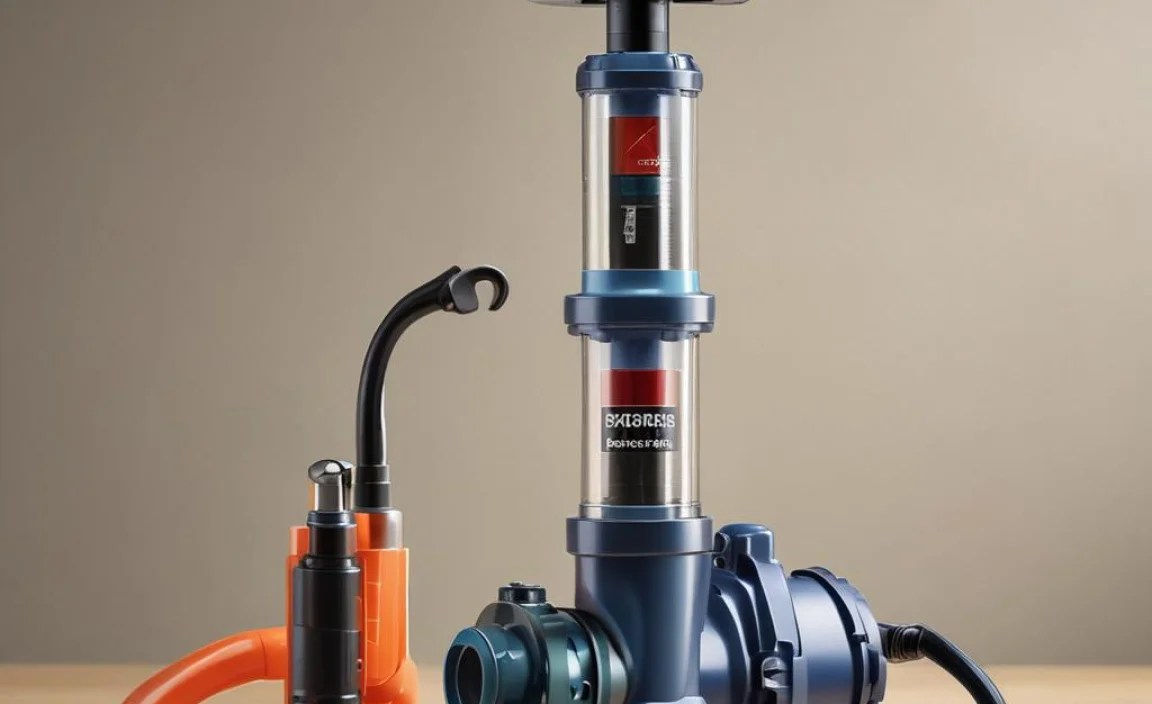
The materials used in constructing a cycle pump significantly impact its durability, efficiency, and overall performance. Let’s explore the common materials used for each part:
1. Barrels: Aluminum vs. Steel
The barrel material affects the pump’s weight and heat dissipation. Aluminum barrels are lighter and dissipate heat more effectively, while steel barrels are more durable and cost-effective.
| Material | Pros | Cons |
|---|---|---|
| Aluminum | Lightweight, good heat dissipation | More expensive, can be less durable than steel |
| Steel | Durable, cost-effective | Heavier, less efficient heat dissipation |
2. Bases: Steel, Aluminum, and Plastic
The base material determines the pump’s stability and weight. Steel bases are the sturdiest but heaviest, aluminum offers a balance of weight and durability, and plastic is the lightest but least stable.
| Material | Pros | Cons |
|---|---|---|
| Steel | Very stable, durable | Heavy |
| Aluminum | Good stability, lightweight | More expensive than plastic |
| Plastic | Lightweight, cost-effective | Less stable, can be less durable |
3. Handles: Wood, Plastic, and Ergonomic Grips
The handle material affects comfort and grip. Wooden handles are classic and comfortable, plastic handles are lightweight and durable, and ergonomic grips provide enhanced comfort and control.
- Wood: Comfortable, classic look, can be affected by moisture.
- Plastic: Durable, lightweight, can be less comfortable.
- Ergonomic Grips: Enhanced comfort, better grip, often made of rubber or foam.
4. Hoses: Rubber vs. Reinforced Plastic
The hose material affects flexibility and durability. Rubber hoses are flexible but can degrade over time, while reinforced plastic hoses are more durable and resistant to kinking.
- Rubber: Flexible, can crack or dry out over time.
- Reinforced Plastic: More durable, resistant to kinking, can be less flexible.
Step-by-Step: Maintaining Your Cycle Pump
Regular maintenance keeps your cycle pump in top condition, ensuring it’s ready when you need it. Here’s a step-by-step guide:
1. Cleaning the Pump
Dust and dirt can accumulate inside the pump, affecting its performance. Clean the pump regularly to remove any debris.
- Disassemble the Pump: Carefully take apart the pump, separating the handle, barrel, and base.
- Clean the Parts: Wipe down each part with a clean, damp cloth. Use a mild detergent if necessary.
- Clean the Piston: Pay special attention to the piston, as it’s crucial for sealing. Clean it thoroughly and inspect it for wear.
- Reassemble the Pump: Put the pump back together, ensuring all parts are securely connected.
2. Lubricating the Piston
The piston needs to be properly lubricated to move smoothly inside the barrel. Use a silicone-based lubricant for best results. Lithium grease is another excellent option. Be sure to apply the grease sparingly and evenly.
- Apply Lubricant: Apply a small amount of lubricant to the piston seal.
- Distribute the Lubricant: Move the piston up and down inside the barrel to distribute the lubricant evenly.
- Wipe Away Excess: Wipe away any excess lubricant to prevent dirt from accumulating.
3. Checking the Hose and Pump Head
The hose and pump head are prone to wear and tear. Inspect them regularly for cracks, leaks, or damage.
- Inspect the Hose: Check the hose for cracks, kinks, or leaks. Replace it if necessary.
- Inspect the Pump Head: Examine the valve connectors for damage or wear. Ensure they’re clean and free of debris.
- Test the Seal: Attach the pump head to a tire valve and test the seal. If it leaks, try tightening the connection or replacing the valve connector.
4. Calibrating the Pressure Gauge
An accurate pressure gauge is essential for proper tire inflation. Calibrate it regularly to ensure it’s providing accurate readings.
- Compare with Another Gauge: Use a separate, reliable pressure gauge to check the reading on your pump’s gauge.
- Adjust if Necessary: If the readings differ, adjust the pump’s gauge according to the manufacturer’s instructions. Some gauges have a calibration screw that can be adjusted.
Troubleshooting Common Pump Problems
Even with regular maintenance, you might encounter issues with your cycle pump. Here’s how to troubleshoot some common problems:
1. Pump Won’t Inflate
If the pump isn’t inflating the tire, check the following:
- Valve Connection: Ensure the pump head is securely attached to the tire valve.
- Valve Type: Make sure you’re using the correct valve connector for the tire valve (Presta or Schrader).
- Piston Seal: Check the piston seal for damage or wear. Replace it if necessary.
- Hose Leaks: Inspect the hose for leaks or cracks. Replace it if needed.
2. Pump Leaks Air
If the pump is leaking air, check the following:
- Valve Connection: Ensure the pump head is securely attached to the tire valve.
- Hose Connection: Check the connection between the hose and the pump body. Tighten it if necessary.
- Piston Seal: Inspect the piston seal for damage or wear. Replace it if needed.
3. Pressure Gauge Inaccurate
If the pressure gauge is providing inaccurate readings, try the following:
- Calibration: Calibrate the gauge using a separate, reliable pressure gauge.
- Gauge Damage: Check the gauge for physical damage. Replace it if necessary.
4. Handle is Hard to Push
If the handle is difficult to push, it usually indicates friction or a lack of lubrication within the pump’s internal components.
- Lubricate the Piston: Apply a small amount of silicone-based lubricant to the piston seal to reduce friction.
- Check for Debris: Disassemble the pump and clean any dirt or debris from the barrel and piston.
5. Hose Kinking or Cracking
A kinked or cracked hose can severely impact the pump’s efficiency and performance. Regular inspection and timely replacement are crucial.
- Inspect the Hose Regularly: Check for any signs of wear, cracks, or kinks.
- Replace if Necessary: Replace the hose immediately if you notice any damage to prevent air leaks or complete failure.
Choosing the Right Cycle Pump for Your Needs
With so many cycle pumps on the market, it’s essential to choose the right one for your needs. Consider the following factors:
1. Type of Bike
The type of bike you ride influences the type of pump you need. Road bikes typically use Presta valves, while mountain bikes often use Schrader valves. Ensure the pump you choose is compatible with your bike’s valves.
2. Frequency of Use
If you ride frequently, invest in a high-quality floor pump for efficient and accurate inflation. If you only ride occasionally, a hand pump or mini pump might suffice.
3. Portability
If you need a pump for on-the-go inflation, choose a hand pump, mini pump, or CO2 inflator. These pumps are lightweight and easy to carry on rides.
4. Budget
Cycle pumps range in price from affordable hand pumps to high-end floor pumps. Set a budget and choose a pump that offers the best value for your money.
FAQ: Cycle Pump Parts and Maintenance
1. What is the difference between Presta and Schrader valves?
Presta valves are narrow and have a locking nut at the tip, common on road bikes. Schrader valves are wider, like those on car tires, and are often found on mountain bikes and hybrid bikes.
2. How often should I lubricate my cycle pump?
Lubricate your cycle pump every few months, or whenever you notice the handle becoming harder to push. Regular lubrication keeps the piston moving smoothly and prevents wear.
3. Can I use a car tire pump on my bicycle?
Yes, if your bike has Schrader valves. However, car tire pumps often deliver too much air pressure for bicycle tires, so be careful not to overinflate. A dedicated bike pump is generally more precise.
4. What does PSI mean on a pressure gauge?
PSI stands for pounds per square inch, a unit of pressure measurement. It indicates the amount of air pressure inside your tire. Proper PSI is crucial for optimal performance and preventing flats.
5. How do I know if my pump head is compatible with both Presta and Schrader valves?
Many modern pumps have dual pump heads or a switchable head. Look for two separate openings or a lever that allows you to switch between Presta and Schrader valve settings.
6. What type of lubricant should I use on my cycle pump?
Use a silicone-based lubricant or lithium grease for best results. These lubricants are safe for rubber and plastic parts and won’t attract dirt.
7. Why is my tire pressure decreasing even though I just pumped it up?
This could be due to a slow leak in the tire, a faulty valve, or temperature changes. Check the tire for punctures, ensure the valve is properly tightened, and monitor the pressure regularly.
Conclusion
Understanding the parts of your cycle pump and how they work together empowers you to maintain your pump and troubleshoot any issues. By following the tips and steps outlined in this guide, you can keep your pump in top condition and ensure it’s always ready for your next ride. Whether you’re a seasoned cyclist or just starting out, knowing your pump is a crucial part of bike maintenance. Now, go forth and pump with confidence!


