
Easy: How to Mount Racing Number Panel via Mount on MTB

Have you ever seen a cool mountain bike race? Do you notice the numbers on the front of the bikes? These numbers help people know who is racing. But how to mount racing number panel via mount on MTB? It’s easier than you think! Let’s learn how to do it. It makes your bike look super cool and official.
Racing number plates are important for races. They show who you are. Mounting them right keeps them safe. It also makes sure everyone can see them clearly. Let’s explore how to get your number plate ready.
Getting ready for a race is exciting. You check your bike. You make sure your helmet fits. Adding your number plate is the last step. It means you are ready to ride. So let’s learn how!
Key Takeaways
- The right mount keeps your number plate secure during tough rides.
- Proper placement ensures your number is visible to race officials.
- You can use zip ties or special mounts for easy attachment.
- Knowing how to mount racing number panel via mount on MTB is essential for races.
- Follow these steps for a professional and functional setup.
Understanding Number Plate Mount Options for MTB

Choosing the right mount is important. It keeps your number plate safe. It also makes it easy to see. There are many types of mounts you can use. Some are simple zip ties. Others are special mounts made for bikes. Zip ties are cheap and easy. They work well for many bikes. Special mounts look nicer. They can also be stronger. Think about what kind of riding you do. This will help you pick the best mount. A good mount will keep your number plate from falling off. It will also make your bike look good. Picking the right one is the first step.
- Zip ties are easy to use and affordable.
- Special mounts offer a cleaner and more secure look.
- Consider the type of riding you’ll be doing.
- Think about how easy the mount is to install.
- Choose a mount that fits your bike’s frame.
Think about where you ride. If you ride on bumpy trails, you need a strong mount. A weak mount might break. This could make you lose your number plate. If you only ride on smooth paths, a simple mount might be fine. Also, think about how often you race. If you race a lot, a special mount might be worth it. It will last longer and look better. Zip ties are good for one-time races. They are easy to cut off after the race. But for regular races, a better mount is a good idea. Take your time to pick the right one. It will make your race day better.
Fun Fact or Stat: Did you know that professional racers often use custom-made mounts? These mounts are designed to be super light and strong. They can cost a lot of money, but they help the racers go faster!
What are the Benefits of Specific Mounts?
Have you ever wondered why some racers use fancy mounts? They aren’t just for looks! Specific mounts offer many benefits. They can be stronger than zip ties. They can also fit your bike better. Some mounts are made to reduce vibration. This keeps your number plate from shaking. Other mounts are adjustable. You can move your number plate to the best spot. This makes it easier to see. Think about what you need from a mount. Do you need it to be super strong? Do you need it to be easy to adjust? The right mount can make a big difference in your race.
How Do Mounts Affect Aerodynamics?
Did you know that even small things can affect how fast you go? This is called aerodynamics. The shape of your number plate and mount can change how the air flows around you. Some mounts are designed to be more aerodynamic. They help you go faster by reducing drag. This might not matter much for casual races. But for serious racers, it can make a difference. Look for mounts that are smooth and streamlined. These will help you cut through the air. Remember, every little bit helps when you’re trying to win!
How to Choose the Right Size Mount for Your Bike?
Picking the right size mount is important. A mount that is too big will be loose. It might move around while you ride. A mount that is too small won’t fit at all. The best way to find the right size is to measure your bike. Look at the part of the frame where you will put the mount. Measure the diameter of the tube. Then, find a mount that fits that size. Some mounts come with different size adapters. These can help you fit the mount to different bikes. Always check the size before you buy a mount. This will save you time and trouble.
Step-by-Step Guide: Attaching Number Plate with Zip Ties

Using zip ties is a simple way to attach your number plate. First, you need to get some zip ties. Make sure they are strong enough to hold the plate. Place the number plate where you want it on your bike. Now, thread the zip ties through the holes in the plate. Wrap the zip ties around your bike’s frame. Pull the zip ties tight. Make sure the plate is secure. Cut off the extra parts of the zip ties. Be careful not to scratch your bike. This method is easy and quick. It’s great for races where you only need a number plate once.
- Gather strong zip ties and your number plate.
- Position the number plate on your bike’s frame.
- Thread zip ties through the plate’s holes.
- Wrap zip ties around the frame and tighten.
- Cut off excess zip tie length carefully.
- Check that the plate is securely attached.
When using zip ties, think about where you put them. Avoid cables or moving parts. You don’t want the zip ties to get in the way. Also, make sure the number plate is easy to see. It should not be blocked by anything. If you are using colored zip ties, pick a color that matches your bike. This will make it look nicer. After the race, cut the zip ties carefully. Don’t pull too hard, or you might scratch your bike. Zip ties are a good choice for a quick and easy setup. Just be sure to do it right.
Fun Fact or Stat: Zip ties were invented in the 1950s. They were first used to bundle wires in airplanes. Now, they are used for almost everything!
Where is the Best Place to Position the Plate?
Have you ever wondered where the best place is to put your number plate? It needs to be easy to see. Race officials need to read it quickly. Usually, the front of your bike is the best spot. You can put it on the handlebars or the front fork. Make sure it doesn’t block your view. Also, make sure it doesn’t hit your front tire. Try different spots to see what works best. The goal is to make it easy to see and safe for you to ride.
How Tight Should the Zip Ties Be?
Zip ties need to be tight, but not too tight! If they are too loose, the number plate will move around. This can be annoying and hard to see. If they are too tight, they can damage your bike. They might even break. The best way is to tighten them until they are snug. The number plate should not move easily. But you should still be able to wiggle it a little bit. Check the zip ties during the race. Make sure they are still tight. If not, you can always tighten them more.
How to Remove Zip Ties Without Damaging Your Bike?
Removing zip ties can be tricky. You don’t want to scratch your bike. The best tool to use is a pair of wire cutters. Slide the cutters under the zip tie. Be careful not to touch your bike’s frame. Cut the zip tie. Then, pull the two pieces apart. If you don’t have wire cutters, you can use scissors. But be very careful! Scissors can slip easily. Always cut away from your bike. This will help you avoid scratches. Taking your time is the best way to protect your bike.
Using Specialized Mounting Brackets on Your MTB
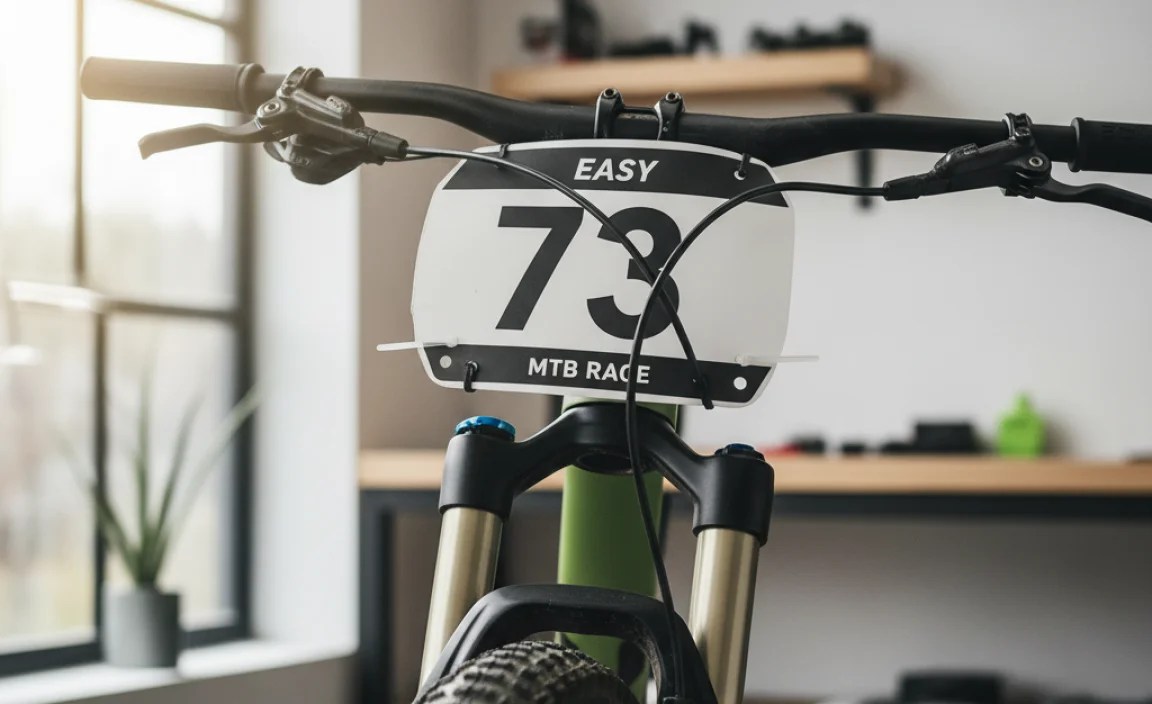
Specialized mounting brackets are a great option. They offer a more secure and cleaner look. These brackets are made to fit specific bikes. They attach to the frame with screws or clamps. They hold the number plate firmly in place. This is important for rough trails. A good bracket will keep your plate from shaking. It will also make it easy to see. Some brackets are adjustable. This lets you change the angle of the plate. This can help reduce glare from the sun. Using a specialized bracket is a good choice. It makes your bike look professional. It also keeps your number plate safe.
- Specialized brackets offer a secure attachment.
- They often provide a cleaner, more professional look.
- Some brackets are adjustable for better visibility.
- These brackets are designed for specific bike models.
- Screws or clamps are used for secure mounting.
- They help reduce shaking on rough trails.
When choosing a mounting bracket, think about the material. Some brackets are made of plastic. Others are made of metal. Metal brackets are stronger. They can handle more abuse. But they can also be heavier. Plastic brackets are lighter. But they might break more easily. Consider where you ride. If you ride in rocky areas, get a metal bracket. If you ride on smooth trails, plastic might be fine. Also, check the size of the bracket. Make sure it fits your number plate. A bracket that is too small or too big won’t work well. Take your time to find the right one. It will make your race day better.
Fun Fact or Stat: Some professional mountain bike teams use 3D-printed mounting brackets. These brackets are custom-made to fit their bikes perfectly. They are also very lightweight!
What Materials are Best for Mounting Brackets?
Have you ever wondered what the best material is for a mounting bracket? It needs to be strong. It also needs to be light. Metal brackets are usually made of aluminum. Aluminum is strong and light. It can handle a lot of stress. Plastic brackets are often made of nylon. Nylon is also strong and light. It is also resistant to weather. The best material depends on what you need. If you need the strongest bracket, choose aluminum. If you need a light and weather-resistant bracket, choose nylon.
How Do You Install a Bracket Correctly?
Installing a bracket correctly is important. If you don’t install it right, it might fall off. First, read the instructions that came with the bracket. Find the right spot on your bike to attach it. Use the screws or clamps that came with the bracket. Tighten them until the bracket is secure. Don’t over-tighten them. This can damage your bike. Check the bracket before each race. Make sure it is still tight. If not, tighten it again. A properly installed bracket will keep your number plate safe.
What Tools Do You Need for Installation?
To install a mounting bracket, you will need a few tools. First, you will need a screwdriver or wrench. This depends on the type of screws or clamps the bracket uses. You might also need a measuring tape. This will help you find the right spot to put the bracket. A level can also be helpful. This will make sure the bracket is straight. Finally, you might need a drill. This is only if you need to make new holes in your bike. Make sure you know how to use these tools safely. If you don’t, ask an adult for help.
Ensuring Number Plate Visibility for Race Officials

Making sure your number plate is easy to see is key. Race officials need to see it quickly. This helps them keep track of the race. The best way to make your plate visible is to put it in a good spot. The front of your bike is usually the best. Also, make sure the plate is clean. Mud and dirt can make it hard to read. Use a bright color for your number. This will make it stand out. Finally, check the angle of the plate. Make sure it is facing the right way. A visible number plate helps everyone have a better race.
| Factor | Importance | How to Improve |
|---|---|---|
| Placement | High | Mount on front of bike, avoid obstructions. |
| Cleanliness | Medium | Wipe off mud and dirt before the race. |
| Number Color | High | Use a bright, contrasting color. |
| Angle | Medium | Adjust the plate for best viewing angle. |
- Place the number plate in a visible location.
- Keep the number plate clean and free of mud.
- Use bright, contrasting colors for the numbers.
- Adjust the angle of the plate for best visibility.
- Check visibility from different angles.
Think about the weather. If it is sunny, glare can make it hard to see the plate. Adjust the angle to reduce glare. If it is raining, mud can splash on the plate. Use a mudguard to keep the plate clean. Also, tell your friends to check your plate. Ask them if they can read it easily. Their feedback can help you make it better. Remember, a visible number plate is important for a fair race. It helps officials keep track of everyone. So take the time to make sure it is easy to see.
Fun Fact or Stat: Some races use electronic number plates. These plates have a small chip that sends a signal to the race officials. This makes it even easier to keep track of the racers!
How Does Sunlight Affect Visibility?
Have you ever tried to read something in bright sunlight? It can be hard! Sunlight can cause glare. Glare makes it difficult to see your number plate. To fix this, try angling the plate down. This will reduce the amount of sunlight that reflects off it. You can also use a matte finish plate. Matte finishes don’t reflect as much light. Check your plate in the sun before the race. Make sure it is easy to read. A little adjustment can make a big difference.
What Colors Are Easiest to See?
Some colors are easier to see than others. Bright colors stand out. Dark colors fade into the background. The best colors for your number are bright and bold. Think about using white numbers on a black plate. Or black numbers on a white plate. These colors have a lot of contrast. This makes them easy to read from far away. Avoid using colors that are too similar. For example, don’t use light blue numbers on a dark blue plate. This will make it hard to see your number.
How Often Should You Clean the Plate During a Race?
During a race, your number plate can get dirty quickly. Mud, dirt, and water can splash on it. This can make it hard to read. If you notice your plate is dirty, clean it right away. You can use a cloth or your glove. Just wipe off the dirt. Some racers carry a small bottle of water. They use it to rinse off their plate. Check your plate after each lap. This will help you keep it clean. A clean plate is a visible plate.
Troubleshooting Common Number Plate Problems
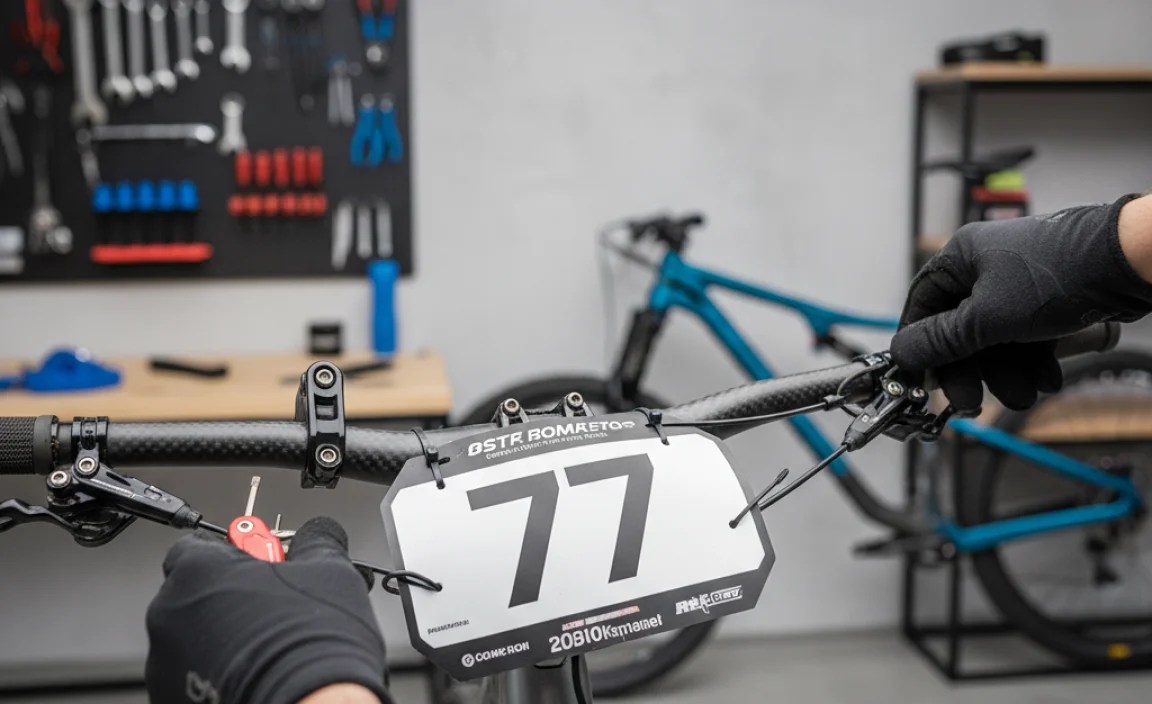
Sometimes, things go wrong with your number plate. It might come loose during the race. It might get bent or broken. It’s good to know how to fix these problems. If your plate comes loose, stop and tighten it. If it is bent, try to straighten it. If it is broken, you might need to replace it. Carry extra zip ties or a spare bracket. This will help you fix problems quickly. Also, check your plate before each race. Make sure it is in good condition. Fixing problems early can save you time and trouble later.
- Carry extra zip ties for quick fixes.
- Inspect your plate for damage before each race.
- Know how to tighten the plate during a race.
- Consider bringing a spare number plate.
- Learn how to straighten a bent plate.
Think about what could go wrong. If you ride in muddy conditions, your plate might get covered in mud. Use a mudguard to protect it. If you crash often, your plate might break easily. Get a stronger plate or bracket. Also, ask other racers for advice. They might have tips for fixing common problems. The more you know, the better prepared you will be. Being ready for problems will make your race day less stressful.
Fun Fact or Stat: Some racers use clear tape to protect their number plates. The tape keeps the plate clean and prevents scratches. It’s a simple trick that can make a big difference!
What to Do if the Plate Comes Loose During a Race?
Oh no! Your number plate came loose during a race. What should you do? First, find a safe place to stop. Get off the trail so you don’t block other racers. Check the zip ties or bracket. Are they broken? If so, use your spare zip ties to fix it. If the bracket is broken, you might need to remove the plate. If the plate is still attached, tighten it. Make sure it is secure before you start riding again. Stopping to fix it is better than losing it completely.
How to Prevent the Plate from Cracking or Breaking?
Cracked or broken number plates are no fun. They can be hard to read. They can also look bad. To prevent this, get a strong plate. Some plates are made of thicker plastic. These are less likely to break. Also, use a good mounting system. A secure mount will keep the plate from shaking. This reduces the stress on the plate. Finally, be careful when you crash. Try to protect your plate. A little care can keep your plate in good shape.
How to Handle Mud and Debris on the Plate?
Mud and debris can make your number plate hard to read. The best way to handle this is to clean it. If you have a water bottle, use it to rinse off the plate. If not, use your glove or a cloth. Wipe off the mud and debris. You can also use a mudguard. This will keep mud from splashing on the plate. Check your plate often during the race. Clean it whenever it gets dirty. A clean plate is a visible plate.
Maintaining Your MTB Number Plate and Mount
Taking care of your number plate and mount is important. It will make them last longer. After each race, clean the plate and mount. Remove any mud or dirt. Check the mount for damage. Tighten any loose screws or clamps. Store the plate and mount in a safe place. This will protect them from damage. Also, replace the zip ties regularly. They can weaken over time. A little maintenance will keep your number plate looking good. It will also make sure it is ready for the next race.
- Clean the plate and mount after each race.
- Check for damage and tighten loose parts.
- Store the plate and mount in a safe place.
- Replace zip ties regularly to maintain security.
- Inspect the mount for wear and tear.
Think about the conditions you ride in. If you ride in wet conditions, rust can be a problem. Use a rust-resistant mount. If you ride in hot conditions, the plastic can fade. Store the plate in a cool place. Also, be careful when washing your bike. Don’t spray water directly on the plate. This can damage the numbers. A little care will keep your number plate and mount in good shape. This will save you money in the long run.
Fun Fact or Stat: Some racers use special cleaning products to keep their number plates looking new. These products remove dirt and grime without damaging the numbers.
How Often Should You Inspect the Mount?
You should inspect your mount often. Check it before each race. Look for loose screws or clamps. Also, look for cracks or breaks. If you find any problems, fix them right away. A loose mount can cause your number plate to fall off. A broken mount can be dangerous. It’s better to be safe than sorry. Take a few minutes to check your mount. It could save you a lot of trouble.
What Cleaning Products Are Safe to Use?
When cleaning your number plate, use safe products. Avoid harsh chemicals. These can damage the numbers. Mild soap and water are usually the best choice. Use a soft cloth to wipe the plate. Don’t use anything abrasive. This can scratch the surface. You can also use a plastic cleaner. This will help remove dirt and grime. Always test the cleaner on a small area first. This will make sure it doesn’t damage the plate. A little care will keep your number plate looking new.
How to Store the Plate and Mount Properly?
Storing your number plate and mount properly is important. It will protect them from damage. Find a safe place to keep them. A toolbox or a drawer is a good choice. Avoid storing them in direct sunlight. The sun can fade the colors. Also, keep them away from moisture. Moisture can cause rust. If you are storing them for a long time, wrap them in a cloth. This will protect them from scratches. A little care will keep your number plate and mount in good condition.
Summary
Learning how to mount racing number panel via mount on MTB is important for any young racer. Choosing the right mount, whether zip ties or specialized brackets, ensures your number plate stays secure. Proper placement guarantees visibility for race officials. Regular maintenance keeps your equipment in top shape. By following these steps, you’ll be ready to race with confidence. Remember, a well-mounted number plate not only looks professional but also ensures you’re easily identifiable on the track.
Conclusion
Knowing how to properly attach your number plate is a key part of preparing for a mountain bike race. You can use zip ties for a quick fix. You can also use a special mount for a more secure fit. Always make sure your number is easy to see. Taking the time to learn how to mount racing number panel via mount on MTB will make your race day better. You will be ready to ride with confidence.
Frequently Asked Questions
Question No 1: Why is it important to mount a racing number panel on my MTB?
Answer: Mounting a racing number panel is super important for a few reasons. First, it lets race officials know who you are. This helps them keep track of the race results. Second, it can help other racers identify you on the course. This is especially important in big races with lots of people. Finally, how to mount racing number panel via mount on MTB correctly makes you look professional. It shows that you are serious about racing. So, it’s not just about following the rules; it’s about being part of the racing community.
Question No 2: What are the different types of mounts I can use for my number panel?
Answer: There are a few main types of mounts you can use for your number panel. The simplest are zip ties. These are cheap and easy to use. You just thread them through the holes in the plate and around your bike frame. Another option is specialized mounting brackets. These are designed to fit specific bikes and offer a cleaner, more secure look. Some brackets are adjustable, so you can change the angle of the plate. Finally, some racers use Velcro straps. These are easy to attach and remove, but they might not be as secure as zip ties or brackets.
Question No 3: Where is the best place to position my number plate on my mountain bike?
Answer: The best place to put your number plate is where it’s easy to see. Usually, this is on the front of your bike. You can attach it to the handlebars or the front fork. Make sure it doesn’t block your view or hit your front tire. The key is to find a spot where race officials can read it quickly. Also, consider the sun. If the plate is angled wrong, the sun can make it hard to read. Try different spots and angles until you find what works best. Remember, visibility is the most important thing.
Question No 4: How do I ensure my number plate is visible to race officials?
Answer: Making sure your number plate is visible is super important. First, keep it clean. Mud and dirt can make it hard to read. Wipe it off before each race. Second, use bright colors for your numbers. This will make them stand out. Third, adjust the angle of the plate. Make sure it faces the race officials. Fourth, avoid putting anything in front of the plate. For example, don’t let your cables block it. By following these tips, you can make sure your number is easy to see.
Question No 5: What should I do if my number plate comes loose during a race?
Answer: If your number plate comes loose during a race, don’t panic! Find a safe place to stop. Get off the trail so you don’t block other racers. Check the zip ties or bracket. Are they broken? If so, use your spare zip ties to fix it. If the bracket is broken, you might need to remove the plate. If the plate is still attached, tighten it. Make sure it is secure before you start riding again. Stopping to fix it is better than losing it completely. That’s an important part of how to mount racing number panel via mount on MTB.
Question No 6: How do I maintain my MTB number plate and mount to keep them in good condition?
Answer: Taking care of your number plate and mount is easy. After each race, clean them. Remove any mud or dirt. Check the mount for damage. Tighten any loose screws or clamps. Store the plate and mount in a safe place. This will protect them from damage. Also, replace the zip ties regularly. They can weaken over time. A little maintenance will keep your number plate looking good. It will also make sure it is ready for the next race. Knowing this part of how to mount racing number panel via mount on MTB keeps you prepared.


