
How to Fix Mount That Loosens After Ride in Hot Sun?

Have you ever been on a bike ride? Did your bike’s mount come loose? It can be super annoying. Especially on a hot day. The sun can make things expand. This can cause mounts to loosen. Let’s learn how to fix mount that loosens after ride in hot sun.
Have you ever wondered why this happens? Heat changes things. It can affect the parts on your bike. This article will help you understand. You will learn easy ways to fix it. You can keep riding safely.
So, how can you stop this from happening? What tools do you need? Keep reading to find out. We will make sure your bike is ready for any sunny day. Let’s get started and learn together!
Key Takeaways
- Always check your bike mounts before and after each ride for safety.
- Use thread locker on screws to prevent loosening from heat and vibration.
- Regularly tighten screws and bolts on mounts, especially after riding in hot sun.
- Consider using rubber washers to absorb vibrations and prevent mounts from loosening.
- Knowing how to fix mount that loosens after ride in hot sun keeps you safe.
Understanding Why Mounts Loosen

Have you ever noticed things get bigger in the heat? This is called thermal expansion. When the sun heats up your bike mount, the metal expands. This tiny change can loosen screws. Think of it like this: your clothes feel tighter on a hot day. The same thing happens to your bike parts. Vibration also plays a big role. When you ride, your bike shakes. These vibrations can make screws come loose over time. It’s like shaking a soda bottle; things get unsettled. So, heat and vibration work together. They can make your bike mounts wobbly. This is why it is important to check your bike often. Make sure everything is tight. This helps you stay safe while riding. It’s all about understanding how things change in the sun and with movement.
- Heat makes metal expand.
- Vibrations loosen screws.
- Check your bike often.
- Tighten screws regularly.
- Stay safe while riding.
Knowing why mounts loosen helps you fix them. Think about a loose tooth. Wiggling it makes it looser. Vibration does the same to screws. The sun’s heat makes the metal around the screw expand. When it cools, it shrinks back. This constant change can make the screw lose its grip. Using the right tools matters too. A good screwdriver or wrench can make a big difference. Always use the right size. This prevents damage to the screw or mount. Also, consider where you store your bike. Keeping it out of direct sunlight can help. Understanding these things makes fixing mounts easier. It also helps you prevent problems before they start. Regular checks and the right tools are key.
Fun Fact or Stat: Did you know that metal can expand up to 0.000013 inches per inch for every degree Fahrenheit increase in temperature? That might not sound like much, but it adds up!
How Does Heat Affect Metal Mounts?
Imagine you have a metal ruler. You leave it in the sun. It gets a little bit longer. That is what happens to your bike mounts. Heat makes the metal expand. This expansion can create tiny gaps. Screws can then loosen in these gaps. This is especially true for mounts made of different metals. Different metals expand at different rates. This can cause even more loosening. Think of it like mixing oil and water. They don’t stay together well. It is important to know what your mounts are made of. This helps you choose the right tools and methods to keep them tight. Heat is a sneaky problem. But understanding it helps you keep your bike safe.
Why Do Vibrations Cause Screws to Loosen?
Have you ever tried to build something with LEGOs? If the pieces aren’t connected well, they fall apart when you shake it. That’s similar to what happens to screws on a bike mount. Vibrations from riding cause the screws to wiggle. Over time, this wiggling makes them loosen. It’s like a tiny dance of loosening. The more you ride, the more the screws dance. Using thread locker can help. It’s like glue for screws. It keeps them from wiggling loose. Also, check your screws regularly. Tighten them when needed. This keeps your bike safe and your ride smooth. Vibration is a powerful force. But you can beat it with a little care.
What Role Does Material Play in Mount Loosening?
Imagine building a tower out of blocks. Some blocks are smooth, and some are rough. The smooth blocks slide off easily, but the rough blocks stick together better. The same is true for the materials used in bike mounts. Some metals are softer than others. Softer metals can wear down faster. This can cause the mount to loosen. Also, the type of metal affects how it expands and contracts with heat. Using the right materials can make a big difference. Stronger metals and rubber washers can help keep mounts tight. Think about what your mount is made of. This helps you choose the best way to keep it secure. Material matters a lot!
Checking Your Mounts Regularly
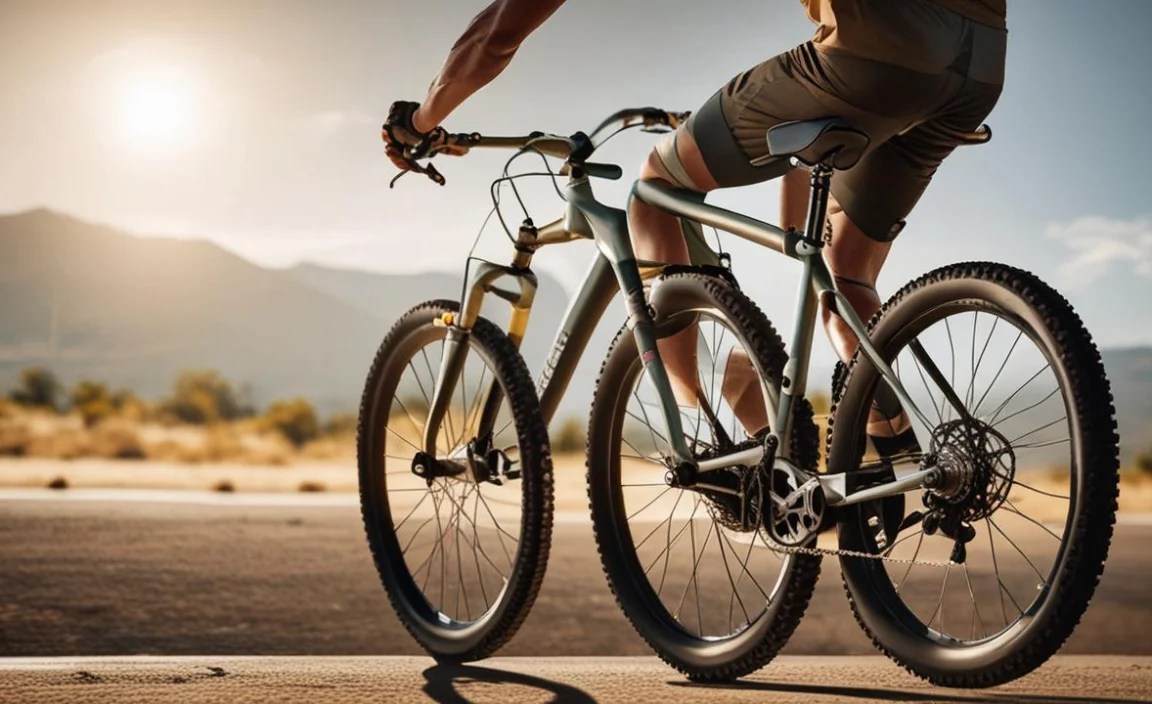
Checking your bike mounts regularly is like brushing your teeth. You do it to prevent problems. Before each ride, give your mounts a quick look. Make sure nothing is loose or wobbly. Use a wrench or screwdriver to tighten any loose screws. After a ride, check them again. Pay special attention after riding in the heat. The sun can really loosen things up. If you notice any damage, fix it right away. Don’t wait until it gets worse. Regular checks can save you from accidents. They also help your bike parts last longer. Think of it as giving your bike a little love. A little check-up goes a long way. It keeps you safe and your bike happy.
- Check mounts before each ride.
- Check mounts after each ride.
- Tighten loose screws.
- Look for damage.
- Fix problems right away.
- Keep your bike safe.
Regular checks are super important. Imagine your bike is a car. You wouldn’t drive a car without checking the tires, right? Your bike mounts are just as important. They hold things like your water bottle, phone, or lights. If these things fall off, it could be dangerous. Think about riding down a bumpy road. A loose mount could cause a crash. By checking your mounts, you prevent these things from happening. It only takes a few minutes. Use a checklist to make it easier. Go through each mount one by one. Make sure everything is tight and secure. This simple habit keeps you safe and makes riding more fun. So, make checking your mounts part of your routine.
Fun Fact or Stat: Studies show that regular bike maintenance can reduce accidents by up to 30%! That’s a big difference!
What Tools Do You Need for Regular Checks?
Imagine you are a detective. You need the right tools to solve a case. For bike mounts, you need a few simple tools. A screwdriver is a must-have. Make sure you have different sizes. A wrench is also useful. Again, different sizes are important. A torque wrench is great for tightening screws just right. It prevents you from over-tightening them. A small flashlight helps you see in dark places. A rag is useful for cleaning dirt and grease. With these tools, you can easily check and fix your mounts. They are like your detective kit for bike safety. Keep them handy in your garage or bike bag.
How Often Should You Check Your Mounts?
Think of your bike like a pet. You need to care for it regularly. Checking your mounts is part of that care. You should check them before and after every ride. This is especially important for long rides. Also, check them after riding on rough roads. These roads can really shake things up. A quick check only takes a few minutes. It can save you from a lot of trouble. If you ride every day, check them daily. If you ride once a week, check them weekly. Make it a habit. Your bike will thank you. And you’ll be safer on the road.
What Are Signs of a Loose Mount?
Imagine your bike is talking to you. It can’t speak, but it can show you signs. A loose mount might wobble. It might make a rattling noise. You might see the screw is sticking out. The mount might move when you touch it. These are all signs that something is wrong. Pay attention to these signs. Don’t ignore them. If you see any of these signs, stop riding. Check the mount right away. Tighten the screws or fix the problem. Ignoring these signs could lead to an accident. Your bike is telling you something. Listen to it!
Using Thread Locker Effectively
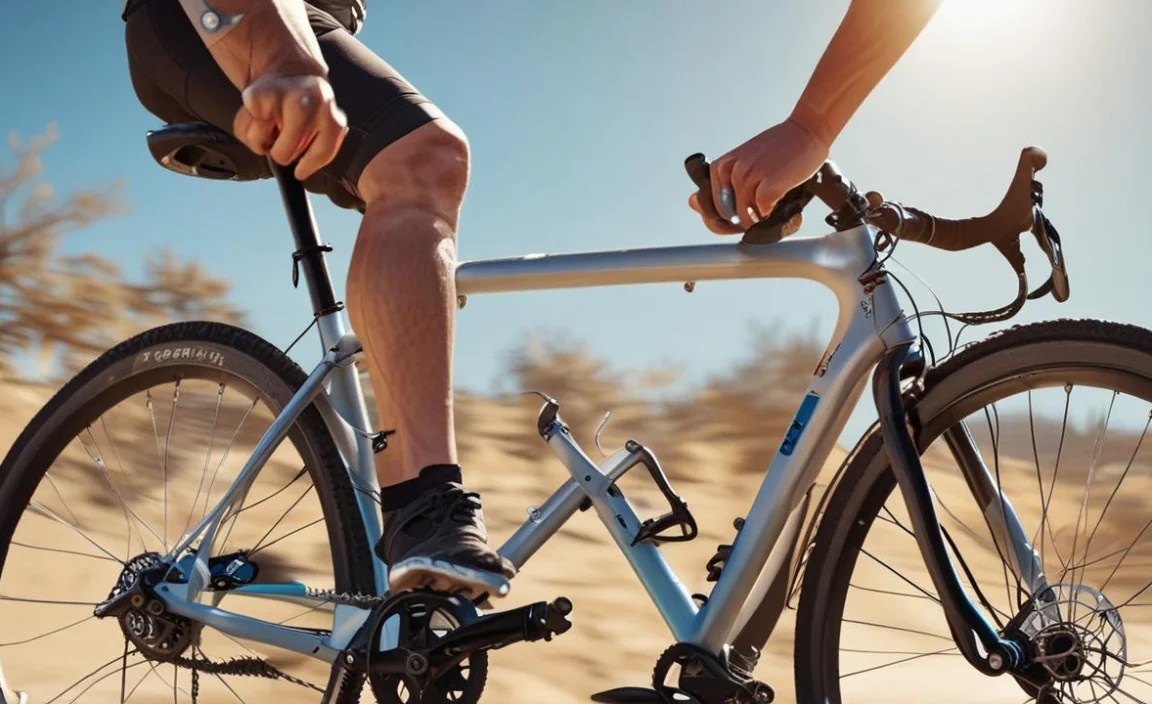
Thread locker is like a superhero for your screws. It’s a special glue that keeps them from loosening. It fills the tiny gaps between the screw and the mount. This makes it harder for the screw to wiggle loose. There are different types of thread locker. Some are stronger than others. For bike mounts, you usually need a medium-strength one. To use it, clean the screw and the hole first. Then, put a small drop of thread locker on the screw. Tighten the screw as usual. Let it dry for the time listed on the bottle. Now your screw is locked in place. It’s much less likely to loosen from heat or vibration. Thread locker is a simple but powerful tool.
- Use a medium-strength thread locker.
- Clean the screw and hole first.
- Apply a small drop.
- Tighten the screw.
- Let it dry completely.
- Thread locker keeps screws tight.
Using thread locker is like adding an extra layer of safety. Think of it as wearing a helmet while biking. It protects you from potential harm. When you apply thread locker, make sure you don’t use too much. A small drop is enough. Too much can make it hard to remove the screw later. Also, be careful not to get it on your skin. It can be sticky and hard to wash off. If you do get it on your skin, wash it with soap and water right away. Always read the instructions on the bottle. Different brands might have different drying times. Using thread locker correctly can save you a lot of trouble. It’s a simple step that makes a big difference.
Fun Fact or Stat: Thread locker was invented in 1953 by Professor Vernon Krieble. He called it “Loctite.”
What Types of Thread Locker Are Best for Bikes?
Imagine you are choosing the right tool for a job. You wouldn’t use a hammer to tighten a screw, right? The same goes for thread locker. There are different types for different jobs. For bikes, you want a medium-strength thread locker. This type is usually blue. It holds screws tight, but you can still remove them if needed. A high-strength thread locker is usually red. It’s very strong and can be hard to remove. You don’t usually need this for bike mounts. A low-strength thread locker is usually purple. It’s for small screws that you need to remove often. Choose the blue one for most bike mount screws. It’s the perfect balance of strength and removability.
How Do You Apply Thread Locker Correctly?
Think of applying thread locker like frosting a cake. You want to spread it evenly and not use too much. First, clean the screw and the hole. Use a rag to wipe away any dirt or grease. Then, shake the bottle of thread locker. Put a small drop on the screw threads. Make sure it covers all the threads. Don’t put it on the head of the screw. Then, tighten the screw into the hole. Tighten it to the right tightness. Let it dry for the recommended time. Usually, it takes about 24 hours to fully dry. Now your screw is locked in place. You did a great job!
How Do You Remove Screws with Thread Locker?
Imagine you need to take apart something you glued together. It can be tricky, right? Removing screws with thread locker is similar. First, use the right size screwdriver or wrench. Make sure it fits snugly. Then, apply steady pressure. Don’t try to force it. If the screw is stuck, try heating it up. Use a heat gun or a soldering iron. Heat can soften the thread locker. Then, try turning the screw again. If it still won’t budge, you might need to use a screw extractor. This is a special tool that helps remove stuck screws. Be patient and careful. You don’t want to damage the screw or the mount.
Using Rubber Washers for Vibration Dampening

Rubber washers are like tiny shock absorbers for your bike mounts. They sit between the mount and the frame. They help absorb vibrations. This prevents the screws from loosening. Rubber is a soft material. It cushions the mount and reduces the impact of bumps. When you ride on a bumpy road, the rubber washers compress. This keeps the mount from shaking too much. Using rubber washers is a simple way to protect your bike. They are cheap and easy to install. Just put them on the screws before you tighten the mount. They can make a big difference in keeping your mounts secure.
- Rubber washers absorb vibrations.
- They cushion the mount.
- They prevent screws from loosening.
- They are cheap and easy to install.
- Put them on the screws before tightening.
Rubber washers are like little pillows for your bike mounts. Think about how a pillow makes your bed more comfortable. Rubber washers do the same for your bike. They make the ride smoother and quieter. When you choose rubber washers, make sure they are the right size. They should fit snugly around the screws. Also, choose washers made of good quality rubber. Cheap rubber can crack or wear out quickly. You can find rubber washers at most hardware stores. They come in different sizes and thicknesses. Experiment to find the best ones for your bike. They are a small investment that can save you a lot of trouble in the long run. They help keep your bike mounts secure and your ride enjoyable.
Fun Fact or Stat: The first rubber washer was patented in 1867 by John A. Rawson!
What Size Rubber Washers Should You Use?
Imagine you are buying shoes. You wouldn’t buy shoes that are too big or too small, right? The same goes for rubber washers. You need to choose the right size. The washer should fit snugly around the screw. It should also be thick enough to absorb vibrations. Measure the diameter of the screw. Then, choose a washer with a slightly smaller inner diameter. This will make sure it fits tightly. Also, consider the thickness of the washer. A thicker washer will absorb more vibrations. But it might also make the mount stick out more. Experiment to find the best size for your bike. A good fit is key.
How Do You Install Rubber Washers Correctly?
Think of installing rubber washers like building a sandwich. You need to put the ingredients in the right order. First, put the screw through the mount. Then, slide the rubber washer onto the screw. Make sure it sits snugly against the mount. Then, put the screw into the frame. Tighten the screw as usual. Don’t over-tighten it. The rubber washer should compress slightly. This will help absorb vibrations. Check the mount after a few rides. Make sure the washer is still in place. If it has moved, adjust it. Installing rubber washers is easy. Just follow these simple steps.
What Are the Benefits of Using Rubber Washers?
Imagine you are riding your bike on a bumpy road. Without rubber washers, your mounts would shake a lot. This could loosen the screws and cause the mount to break. Rubber washers help prevent this. They absorb the vibrations and keep the mount stable. This makes your ride smoother and safer. They also protect the frame of your bike. The rubber cushions the mount and prevents it from scratching the frame. Rubber washers are a simple and effective way to improve your bike. They are a small investment that can make a big difference.
Choosing the Right Mount Materials

The material of your bike mount matters a lot. Some materials are stronger than others. Some are better at handling heat. Aluminum is a popular choice. It’s lightweight and strong. It also resists corrosion. Steel is another good option. It’s very strong and durable. But it can rust if not treated properly. Plastic mounts are cheaper. But they are not as strong as metal mounts. They can also crack in the heat. When choosing a mount, think about what you will be carrying. A heavy water bottle needs a strong mount. A light bell can use a plastic mount. Choose the right material for the job. This will help keep your bike safe and your gear secure.
- Aluminum is lightweight and strong.
- Steel is very strong and durable.
- Plastic mounts are cheaper but weaker.
- Choose the right material for the job.
- Consider the weight of what you’re carrying.
Choosing the right mount material is like choosing the right ingredients for a recipe. If you use the wrong ingredients, the dish won’t turn out well. The same is true for bike mounts. If you choose the wrong material, the mount might break or loosen. Think about where you will be riding. If you ride in hot weather, choose a material that can handle heat. If you ride on rough roads, choose a strong material. Also, consider the weight of your gear. A heavy load needs a stronger mount. Do some research before you buy a mount. Read reviews and compare different materials. This will help you choose the best mount for your needs. A little research can save you a lot of trouble.
Fun Fact or Stat: Aluminum is the most abundant metal in the Earth’s crust!
What Are the Pros and Cons of Aluminum Mounts?
Imagine you are choosing a bike frame. Aluminum is a popular choice. It’s lightweight and strong. The same is true for bike mounts. Aluminum mounts are light, so they don’t add much weight to your bike. They are also strong enough to hold most gear. Aluminum resists corrosion, so it won’t rust easily. But aluminum is not as strong as steel. It can bend or break under heavy loads. Aluminum is also more expensive than plastic. So, aluminum mounts are a good choice for most riders. They offer a good balance of weight, strength, and durability.
What Are the Pros and Cons of Steel Mounts?
Think of steel as the workhorse of bike materials. It’s strong and reliable. Steel mounts are very strong. They can handle heavy loads without bending or breaking. Steel is also cheaper than aluminum. But steel is heavier than aluminum. It can add noticeable weight to your bike. Steel can also rust if not treated properly. So, steel mounts need to be painted or coated. They are a good choice for riders who need a very strong mount. But be prepared for the extra weight.
What Are the Pros and Cons of Plastic Mounts?
Imagine you are buying a toy. Plastic toys are often cheaper than metal toys. The same is true for bike mounts. Plastic mounts are the cheapest option. They are also very lightweight. But plastic is not as strong as metal. Plastic mounts can break easily, especially in the heat. They are not a good choice for carrying heavy loads. Plastic can also degrade over time. It can become brittle and crack. So, plastic mounts are best for light loads and casual riding. Don’t rely on them for serious use.
| Material | Pros | Cons |
|---|---|---|
| Aluminum | Lightweight, strong, resists corrosion | More expensive than plastic |
| Steel | Very strong, durable, cheaper than aluminum | Heavy, can rust |
| Plastic | Cheap, lightweight | Weak, can break in heat, degrades over time |
| Carbon Fiber | Extremely lightweight, very strong | Very expensive, can be brittle |
Proper Tightening Techniques
Tightening screws seems simple. But doing it right is important. Over-tightening can damage the screw or the mount. Under-tightening can let the screw loosen. Use the right size screwdriver or wrench. Make sure it fits snugly. Turn the screw until it is snug. Then, give it a little extra turn. A torque wrench is the best tool for this. It measures how much force you are using. Look up the recommended torque for your mount. Then, set the torque wrench to that setting. Tighten the screw until the wrench clicks. This means you have tightened it just right. Proper tightening keeps your mounts secure and prevents damage.
- Use the right size tool.
- Tighten until snug.
- Give it a little extra turn.
- Use a torque wrench.
- Follow recommended torque settings.
Proper tightening is like cooking a perfect meal. You need to follow the recipe and use the right amount of each ingredient. If you use too much salt, the dish will be too salty. If you don’t use enough salt, the dish will be bland. The same is true for tightening screws. If you over-tighten, you can strip the threads. This means the screw won’t hold anymore. If you under-tighten, the screw will loosen over time. A torque wrench is like a measuring cup for tightening screws. It helps you use the right amount of force. Always check the manufacturer’s recommendations for torque settings. This will help you avoid damage and keep your mounts secure. Proper tightening is a skill that takes practice. But it’s worth the effort.
Fun Fact or Stat: The term “torque” comes from the Latin word “torquere,” which means “to twist.”
Why Is Using a Torque Wrench Important?
Imagine you are building a house. You wouldn’t just guess how much weight each beam can hold, right? You would use precise measurements and calculations. A torque wrench is like a measuring tool for tightening screws. It tells you exactly how much force you are using. This prevents you from over-tightening or under-tightening. Over-tightening can damage the screw or the mount. Under-tightening can let the screw loosen. A torque wrench ensures that you tighten each screw to the right amount. This keeps your mounts secure and prevents damage. It’s a small investment that can save you a lot of trouble.
What Happens If You Over-Tighten a Screw?
Think of over-tightening a screw like blowing up a balloon too much. The balloon will pop, right? Over-tightening a screw can strip the threads. This means the threads inside the hole get damaged. The screw won’t hold anymore. It will just spin around and around. Over-tightening can also break the screw head. This makes it very hard to remove the screw. It can also damage the mount. So, be careful not to over-tighten screws. Use a torque wrench to avoid this problem.
What Happens If You Under-Tighten a Screw?
Imagine you are building a tower of blocks. If you don’t stack the blocks securely, the tower will fall down, right? Under-tightening a screw is like not stacking the blocks securely. The screw will loosen over time. This can cause the mount to wobble or fall off. It can also damage the threads. So, be sure to tighten screws enough. Use a torque wrench to make sure they are tight enough. But don’t over-tighten them!
Protecting Your Bike from the Sun
The sun can be tough on your bike. It can fade the paint. It can dry out the tires. And it can loosen your mounts. Parking your bike in the shade can help. If you can’t find shade, use a bike cover. This will protect it from the sun’s rays. Also, avoid leaving your bike in a hot car. The temperature inside a car can get very high. This can damage your bike parts. Regularly clean and lubricate your bike. This will help protect it from the elements. A little care can go a long way in keeping your bike in good condition.
- Park your bike in the shade.
- Use a bike cover.
- Avoid leaving your bike in a hot car.
- Regularly clean and lubricate your bike.
- Protect your bike from the sun’s rays.
Protecting your bike from the sun is like protecting your skin. You wouldn’t go outside without sunscreen, right? The sun can damage your skin. It can also damage your bike. The sun’s rays can fade the paint and dry out the rubber. This can make your bike look old and worn. It can also weaken the parts. A bike cover is like sunscreen for your bike. It protects it from the sun’s rays. Parking your bike in the shade is like wearing a hat. It provides extra protection. Taking care of your bike will help it last longer. It will also keep it looking good. A little effort can make a big difference.
Fun Fact or Stat: The sun’s rays can damage your bike even on cloudy days!
Why Is Sun Protection Important for Bikes?
Imagine you are leaving a toy in the sun. The color fades. The plastic gets brittle. The same thing happens to your bike. The sun can damage the paint, the rubber, and the plastic parts. It can also loosen the mounts. The heat makes the metal expand. This can cause the screws to loosen. Protecting your bike from the sun will help it last longer. It will also keep it looking good. A bike cover is a simple and effective way to protect your bike.
What Are the Best Ways to Provide Shade for Your Bike?
Think of finding shade for your bike like finding a cool spot on a hot day. You want to find a place that is out of the sun’s direct rays. Parking your bike under a tree is a great option. But be careful of falling branches or bird droppings. Parking your bike under a building overhang is another good option. You can also use a bike shelter. These are covered structures that protect bikes from the elements. If you can’t find any shade, use a bike cover. This will provide some protection from the sun.
How Does Heat Affect Different Bike Components?
Imagine you are leaving different things in the sun. Some things melt. Some things crack. Some things fade. The same is true for bike components. The paint can fade in the sun. The rubber tires can dry out and crack. The plastic parts can become brittle. The metal parts can expand and contract. This can loosen the mounts. Protecting your bike from the heat will help prevent these problems. Use a bike cover and park in the shade.
Summary
How to fix mount that loosens after ride in hot sun involves understanding thermal expansion. Heat causes metal to expand, loosening screws. Vibrations also contribute. Regular checks are key. Before and after each ride, inspect your mounts. Tighten any loose screws. Use thread locker to keep screws secure. Rubber washers help absorb vibrations. Choosing the right mount materials matters. Aluminum and steel are better than plastic. Proper tightening techniques are essential. A torque wrench helps avoid over-tightening. Protect your bike from the sun. Shade and bike covers prevent damage. These steps ensure your mounts stay secure.
Conclusion
Keeping your bike safe means taking care of the small things. Mounts can loosen after rides, especially in the heat. Understanding why this happens is the first step. Regular checks, the right tools, and proper techniques are important. Using thread locker and rubber washers can help. Protecting your bike from the sun also matters. By following these tips, you can learn how to fix mount that loosens after ride in hot sun. You can keep your bike safe and enjoy your rides.
Frequently Asked Questions
Question No 1: Why do my bike mounts keep loosening?
Answer: Bike mounts often loosen due to a few main reasons. The first is thermal expansion, where the metal expands in the heat of the sun. This expansion can create small gaps that loosen screws. Second, vibrations from riding on bumpy roads can also cause screws to wiggle loose over time. Finally, if the screws were not tightened properly in the first place, they are more likely to come loose. Regularly checking and tightening your mounts can help prevent this issue. Understanding these factors helps you know how to fix mount that loosens after ride in hot sun.
Question No 2: What tools do I need to fix loose bike mounts?
Answer: To fix loose bike mounts, you will need a few essential tools. A set of screwdrivers is important, with different sizes to fit various screws. A wrench set is also helpful for tightening bolts. A torque wrench is highly recommended, as it allows you to tighten screws to the correct specification, preventing over-tightening. Additionally, thread locker can be used to keep screws from loosening. Having these tools on hand will make it easier to maintain your bike mounts and ensure they stay secure. Also, make sure to have a clean rag to wipe off dirt.
Question No 3: How does thread locker help prevent mounts from loosening?
Answer: Thread locker is a special type of adhesive that helps prevent screws and bolts from loosening due to vibration and heat. When applied to the threads of a screw, it fills in the tiny gaps between the screw and the mount. This creates a stronger hold, making it much harder for the screw to wiggle loose. There are different strengths of thread locker, so it’s important to choose the right one for your needs. Using thread locker is a simple yet effective way to keep your bike mounts secure. Applying it correctly is key to ensuring long-lasting results and knowing how to fix mount that loosens after ride in hot sun.
Question No 4: Are rubber washers really effective in reducing vibration?
Answer: Yes, rubber washers are very effective in reducing vibration. Rubber is a flexible material that absorbs shocks and vibrations. When placed between the mount and the bike frame, the rubber washer acts as a cushion. It helps to dampen the vibrations, preventing them from reaching the screws. This, in turn, helps to keep the screws from loosening over time. Rubber washers are a simple and inexpensive way to improve the security of your bike mounts. They are a valuable addition to any bike maintenance routine. Properly installed, they significantly minimize the impact of rough terrains.
Question No 5: What type of bike mount material is the most durable?
Answer: The most durable bike mount materials are generally aluminum and steel. Aluminum is lightweight and resists corrosion, making it a good choice for many riders. Steel is even stronger and more durable but can be heavier and prone to rust if not properly treated. Plastic mounts are less durable and can crack or break under stress. Carbon fiber mounts are very lightweight and strong but are also expensive and can be brittle. The best material depends on your specific needs and riding conditions. Considering these factors helps when figuring out how to fix mount that loosens after ride in hot sun.
Question No 6: How can I protect my bike from the sun to prevent mounts from loosening?
Answer: Protecting your bike from the sun can help prevent mounts from loosening by reducing thermal expansion. The easiest way to do this is to store your bike in a shaded area, such as a garage or shed. If you must park your bike in the sun, use a bike cover to shield it from direct sunlight. Avoid leaving your bike in a hot car, as the temperature inside can rise quickly and cause damage. Regularly cleaning and lubricating your bike can also help protect it from the elements. By taking these precautions, you can minimize the effects of heat and keep your mounts secure and that is one of the best ways on how to fix mount that loosens after ride in hot sun.


