
How to Stop Chuck From Slipping Off Valve? Easy Fix!

Quick Summary: Tired of your pump chuck popping off the valve? You can fix that! First, make sure your chuck is compatible with your valve type (Presta or Schrader). Then, check for wear and tear on the chuck and valve. Apply firm, direct pressure while pumping, and consider using a chuck with a locking mechanism for a more secure fit. A little maintenance and the right technique will keep you pumping smoothly!
Have you ever been halfway through pumping up your bike tire, only to have the pump chuck slip off the valve? It’s frustrating! You lose air, your arms get tired, and you might even damage the valve. But don’t worry, this is a common problem with easy solutions. By understanding why it happens and taking a few simple steps, you can keep that chuck firmly in place and get back to enjoying your ride. We’ll explore valve compatibility, chuck maintenance, pumping techniques, and even upgrading your equipment.
Understanding Bike Tire Valves


Before we dive into fixing a slipping chuck, let’s quickly review the two main types of bike tire valves:
- Presta: These are narrow valves, often found on road bikes and high-performance tires. They have a small nut at the top that you need to unscrew before inflating.
- Schrader: These are wider valves, similar to those found on car tires. They have a spring-loaded pin in the center.
Using the wrong type of chuck for your valve is a surefire way to cause slippage and frustration.
Why Your Pump Chuck Might Be Slipping


Several factors can cause a pump chuck to slip off a valve. Here are some of the most common culprits:
- Incorrect Chuck Type: Using a Schrader chuck on a Presta valve (or vice versa) will lead to a poor seal and slippage.
- Worn-Out Chuck: Over time, the rubber or plastic components inside the chuck can wear down, reducing its grip.
- Damaged Valve: A bent or damaged valve stem can prevent the chuck from seating properly.
- Insufficient Pressure: Not pressing the chuck firmly enough onto the valve can cause it to pop off under pressure.
- Improper Angle: Holding the pump at an awkward angle can put stress on the connection and lead to slippage.
- High Tire Pressure: Attempting to inflate to a high pressure can exacerbate any existing issues with the chuck or valve.
Step-by-Step Guide to Preventing Chuck Slippage
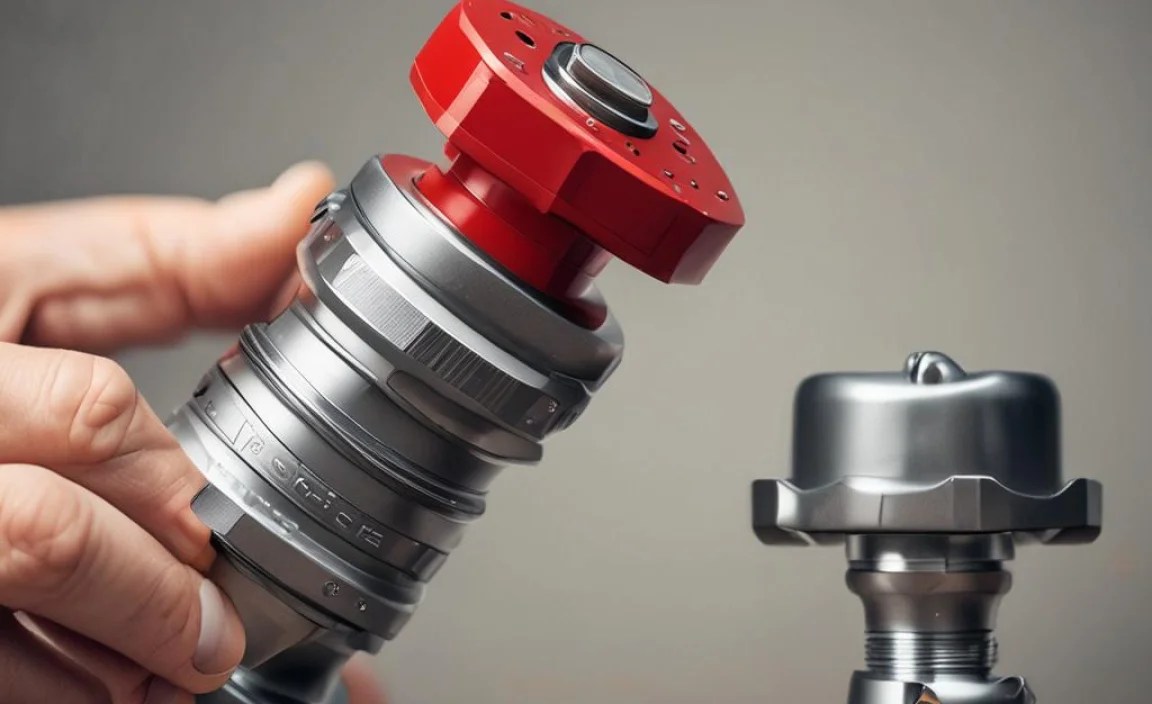
Now, let’s get into the solutions! Here’s a step-by-step guide to preventing your pump chuck from slipping off the valve:
Step 1: Verify Valve and Chuck Compatibility
This is the most basic, but also the most crucial step. Make sure you are using the correct type of chuck for your valve. Most pumps come with dual-head chucks that can accommodate both Presta and Schrader valves. Some have adapters that you can switch out.
How to Identify Valve Types:
- Presta: Narrow, with a small locking nut at the tip.
- Schrader: Wider, like a car tire valve.
Step 2: Inspect the Chuck and Valve for Damage
Carefully examine the chuck for any signs of wear and tear. Look for cracks, tears, or deformation in the rubber or plastic components. Also, check the valve stem for bends, dents, or other damage.
What to Look For:
- Chuck: Cracks, tears, loose parts.
- Valve: Bends, dents, leaks.
If you find any damage, replace the chuck or valve as needed. Replacement chucks are often available at bike shops or online retailers.
Step 3: Ensure a Secure Connection
When attaching the chuck to the valve, make sure it’s fully seated. Press the chuck straight onto the valve with firm, even pressure. Avoid angling the chuck, as this can create a weak connection.
Proper Connection Technique:
- Align the chuck with the valve.
- Press straight on with firm pressure.
- Ensure the chuck is fully seated.
Step 4: Use a Locking Chuck (Recommended)
Locking chucks provide a more secure connection than standard friction-fit chucks. These chucks have a lever or clamp that locks onto the valve, preventing slippage even at high pressures. They are a great upgrade if you frequently struggle with chuck slippage.
Benefits of Locking Chucks:
- More secure connection.
- Reduced slippage.
- Easier to use, especially at high pressures.
Consider a chuck like the Lezyne Dual Valve Head or similar models from Topeak or Blackburn. These are widely available and relatively inexpensive.
Step 5: Maintain Proper Pumping Technique
Your pumping technique can also affect chuck slippage. Use smooth, controlled strokes and avoid jerky or sudden movements. Keep the pump handle aligned with the valve to prevent stress on the connection.
Pumping Tips:
- Use smooth, controlled strokes.
- Keep the pump aligned with the valve.
- Avoid jerky movements.
Step 6: Adjust Tire Pressure Gradually
Instead of trying to inflate your tire to the desired pressure in one go, take it in stages. Inflate a little, check the pressure, and then inflate some more. This can help prevent the chuck from popping off due to excessive pressure buildup.
Gradual Inflation:
- Inflate a small amount.
- Check the pressure.
- Repeat until desired pressure is reached.
Step 7: Keep Your Valves Clean
Dirt and grime can build up on your valves, making it difficult for the chuck to seat properly. Periodically clean your valves with a damp cloth to remove any debris.
Cleaning Procedure:
- Dampen a clean cloth.
- Wipe down the valve stem.
- Ensure the valve is dry before inflating.
Troubleshooting Specific Issues
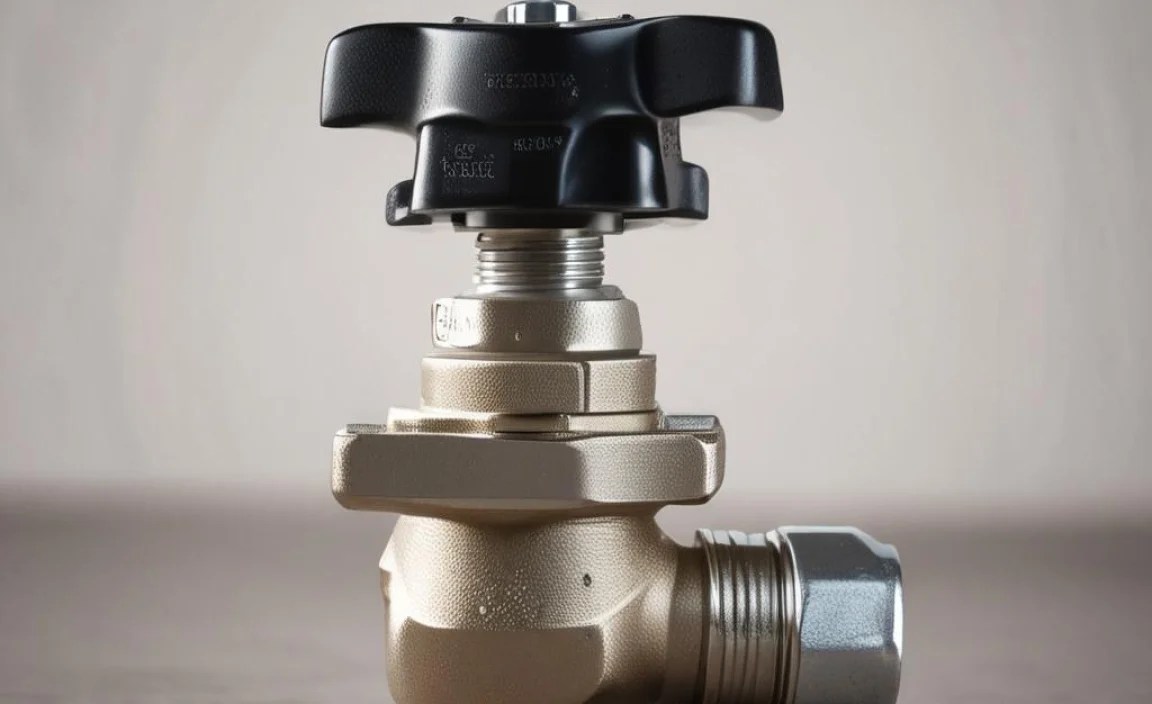
Sometimes, the general tips above aren’t enough to solve the problem. Here’s how to troubleshoot some specific issues:
Presta Valve Issues
- Bent Valve Core: If the Presta valve core is bent, it can be difficult to get a good seal. Try straightening it with pliers or replacing the valve core. You can buy valve core replacement tools and Presta valve cores online or at your local bike shop.
- Loose Valve Nut: Make sure the valve nut is tightened snugly (but not overtightened) against the rim. This helps to stabilize the valve and prevent it from moving around.
Schrader Valve Issues
- Sticking Valve Pin: If the Schrader valve pin is sticking, it can prevent the chuck from engaging properly. Try pressing the pin a few times to loosen it up. You can also use a valve core tool to remove the valve core and clean it.
- Deformed Valve Stem: A deformed Schrader valve stem can make it difficult to get a good seal. In this case, you’ll need to replace the inner tube or tire.
Recommended Tools and Products
Having the right tools and products can make a big difference in preventing chuck slippage. Here are some of my recommendations:
- High-Quality Bike Pump: A good bike pump with a secure chuck is essential. Look for pumps with locking chucks and durable construction. Brands like Lezyne, Topeak, and Park Tool are known for their quality.
- Valve Core Tool: This tool is used to remove and replace valve cores. It’s handy for cleaning or replacing damaged valve cores.
- Tire Pressure Gauge: A tire pressure gauge ensures you’re inflating your tires to the correct pressure. This prevents overinflation, which can contribute to chuck slippage.
- Replacement Chucks: Keep a spare chuck on hand in case yours breaks or wears out.
Pump Chuck Types: A Comparison
Choosing the right pump chuck can greatly reduce slippage. Here’s a comparison of common types:
| Chuck Type | Pros | Cons | Best For |
|---|---|---|---|
| Friction-Fit | Simple, inexpensive | Can slip easily, requires firm pressure | Low-pressure tires, occasional use |
| Lever-Lock | Secure, easy to use | More expensive, can damage valve if forced | High-pressure tires, frequent use |
| Thread-On | Very secure, minimal slippage | Slower to attach/detach, requires compatible valve | Tubeless setups, track pumps |
Valve Extenders: When and How to Use Them
Valve extenders are used when your rim is too deep for your valve stem to protrude enough for easy inflation. Here’s a quick guide:
- When to Use: Deep-section wheels (50mm+) often require valve extenders.
- Types: Threaded extenders screw onto the existing valve, while slip-on extenders slide over the valve.
- Installation: Follow the manufacturer’s instructions. Typically involves removing the valve core, attaching the extender, and re-installing the core.
Alternative Inflation Methods
If you’re still struggling with chuck slippage, or if you’re on the road without a pump, consider these alternative inflation methods:
- CO2 Inflators: CO2 inflators use cartridges of compressed carbon dioxide to quickly inflate tires. They’re lightweight and easy to carry, but they can be wasteful and require practice.
- Hand Pumps: Hand pumps are small and portable, but they can be tiring to use, especially for high-pressure tires.
- Bike Shop or Gas Station: If you’re near a bike shop or gas station, you can use their air compressor to inflate your tires.
Maintaining Your Bike Pump for Longevity
Proper maintenance will keep your bike pump working smoothly and prevent chuck slippage. Here are some tips:
- Clean the Chuck Regularly: Wipe down the chuck with a clean cloth to remove dirt and debris.
- Lubricate Moving Parts: Apply a small amount of lubricant to the pump’s moving parts to keep them working smoothly.
- Store Your Pump Properly: Store your pump in a dry place to prevent rust and corrosion.
- Replace Worn Parts: Replace any worn or damaged parts, such as the chuck, hose, or seals.
FAQ: Preventing Pump Chuck Slippage
Here are some frequently asked questions about preventing pump chuck slippage:
- Why does my pump chuck keep slipping off my Presta valve?
- This is often due to a bent valve core, a loose valve nut, or a worn-out chuck. Make sure the valve core is straight, the nut is snug, and the chuck is in good condition.
- Can I use a Schrader chuck on a Presta valve?
- No, Schrader and Presta valves are different sizes and require different chucks. Using the wrong chuck will result in a poor seal and slippage.
- What is a locking chuck and why should I use one?
- A locking chuck has a lever or clamp that secures it to the valve, preventing slippage. It’s especially useful for high-pressure tires.
- How often should I replace my pump chuck?
- This depends on how often you use your pump, but it’s a good idea to inspect the chuck regularly and replace it if you see any signs of wear or damage.
- What tire pressure is too high and can cause slippage?
- Check the recommended tire pressure range printed on the sidewall of your tire. Exceeding this pressure can increase the risk of slippage and even cause a blowout.
- Is it better to use a hand pump or a floor pump?
- Floor pumps are generally easier to use and provide more pressure than hand pumps. However, hand pumps are more portable and convenient for on-the-road repairs.
- How do valve extenders help with tire inflation?
- Valve extenders are used on deep-section wheels where the valve stem is too short to reach easily. They effectively lengthen the valve stem, making it easier to attach a pump chuck.
Conclusion
Dealing with a slipping pump chuck can be a real pain, but with the right knowledge and techniques, you can easily prevent it. Remember to use the correct chuck for your valve, inspect your equipment regularly, maintain proper pumping technique, and consider upgrading to a locking chuck for a more secure connection. By following these tips, you’ll be able to inflate your tires quickly and efficiently, so you can spend less time fussing with your pump and more time enjoying your ride. Now get out there and pump those tires with confidence!


