
How to Choose Handlebar Clamp Width for Bike Mount: Easy!

Have you ever wanted to add a cool bike mount to your handlebars? It is a great way to hold your phone or other gadgets. But wait, how do you know it will fit? Choosing the right handlebar clamp width is super important. Let’s learn how to make sure your mount fits just right!
Sometimes, things seem tricky at first. Don’t worry! We can figure out how to choose handlebar clamp width for bike mount together. It’s like finding the perfect puzzle piece. Let’s get started and make bike rides even better!
Key Takeaways
- Knowing your handlebar’s diameter is key to choosing the right clamp width.
- A wrong size clamp can damage your handlebars or the bike mount itself.
- Use a caliper or ruler to measure your handlebars accurately before buying.
- Consider using adapters or shims for minor size differences to make it work.
- Understanding how to choose handlebar clamp width for bike mount ensures a secure fit.
How To Measure Handlebar Diameter Correctly

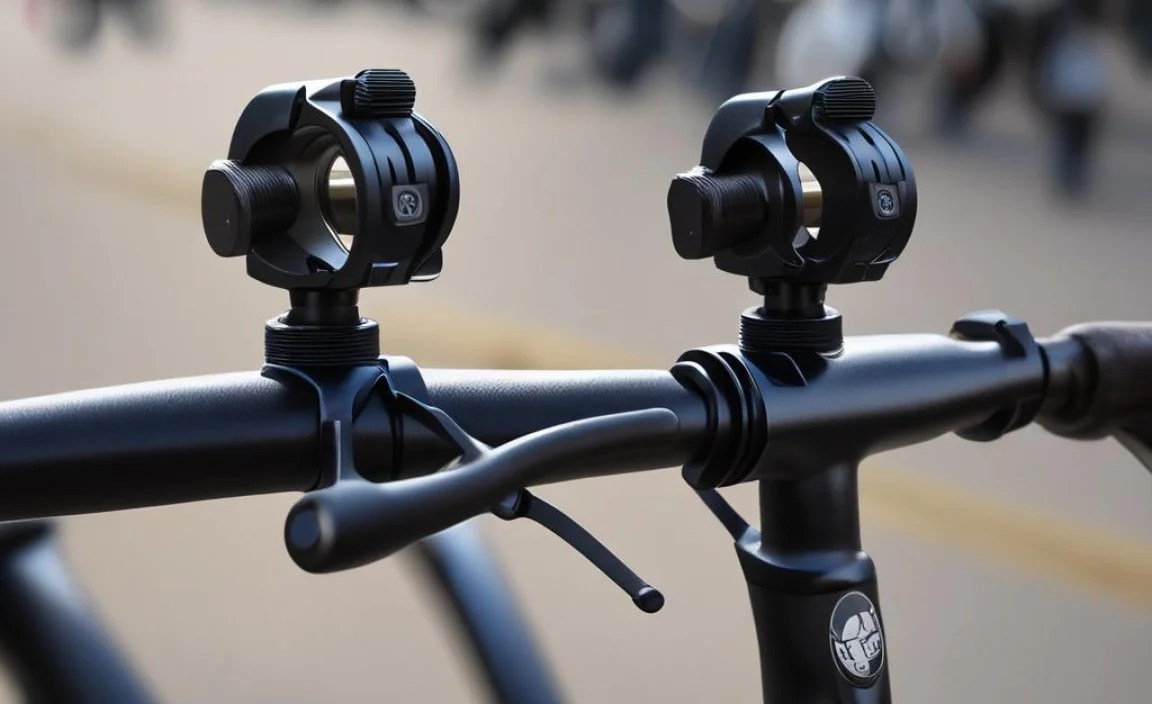
Measuring your handlebar’s diameter is the first step. This measurement tells you how to choose handlebar clamp width for bike mount. You’ll need a ruler or a caliper. A caliper gives you a more exact measurement. Place the caliper around the handlebar. Make sure you measure where you want to put the mount. Handlebars can change size in different spots. Write down the measurement in millimeters (mm). If you use a ruler, hold it across the handlebar. Look straight down to get the right number. Sometimes, handlebars have markings that tell you the size. Check near the center or ends of the bar. Knowing the diameter helps you pick a mount that fits perfectly. This keeps your mount safe and your rides fun.
- Use a caliper for the most accurate measurement.
- Measure the handlebar where you plan to attach the mount.
- Look for markings on the handlebars indicating the diameter.
- Convert inches to millimeters if needed (1 inch = 25.4 mm).
- Double-check your measurement to avoid mistakes.
Now that you have the diameter, you can find the right mount. Bike mounts come in different sizes. Common sizes include 22.2mm, 25.4mm, 31.8mm, and 35mm. Match your handlebar diameter to the mount’s clamp size. If your handlebar is 31.8mm, you need a mount that fits 31.8mm bars. Some mounts come with shims or adapters. These can make a slightly larger mount fit a smaller handlebar. Always check the product details before you buy. Getting the right size makes sure your mount is secure. This keeps your device safe while you ride. It also prevents damage to your handlebars. Remember, a good fit is a safe fit!
Why Is Accuracy Important?
Have you ever tried to wear shoes that are too big or too small? It is not comfortable, right? The same is true for bike mounts. If the clamp is too big, the mount will wobble. It might even fall off while you are riding! This could damage your device. If the clamp is too small, you won’t be able to attach it at all. Forcing it can damage your handlebars or the mount. Accuracy matters because it keeps everything safe and secure. A precise measurement ensures the mount fits snugly. It keeps your device in place, no matter how bumpy the ride. This makes your bike rides more enjoyable and worry-free.
What Tools Do I Need?
To measure your handlebar, you don’t need many tools. The most important tool is a caliper. A caliper is a special measuring tool. It has two arms that you can close around the handlebar. It shows you the exact distance between the arms. If you don’t have a caliper, a ruler will work too. A metal ruler is better than a plastic one. It is more accurate and won’t bend easily. You might also need a pen and paper. Use these to write down your measurements. Good lighting is also helpful. It makes it easier to see the numbers on the ruler or caliper. With these simple tools, you can measure your handlebar like a pro!
Where On The Handlebar Should I Measure?
Imagine you’re putting a sticker on your bike. You want to put it where everyone can see it, right? The same idea applies when measuring your handlebars. You should measure where you plan to attach the mount. Handlebars can have different diameters in different spots. The center is often thicker than the ends. Measure close to the stem if you want the mount there. Measure further out if you want it closer to the grips. Make sure the area is smooth and even. Avoid measuring over bumps or bends. This will give you a more accurate reading. Measuring in the right spot ensures the mount fits perfectly where you need it.
Fun Fact or Stat: Did you know that handlebar diameters are usually measured in millimeters? This helps ensure precise fitting of accessories like bike mounts!
Understanding Common Handlebar Clamp Sizes

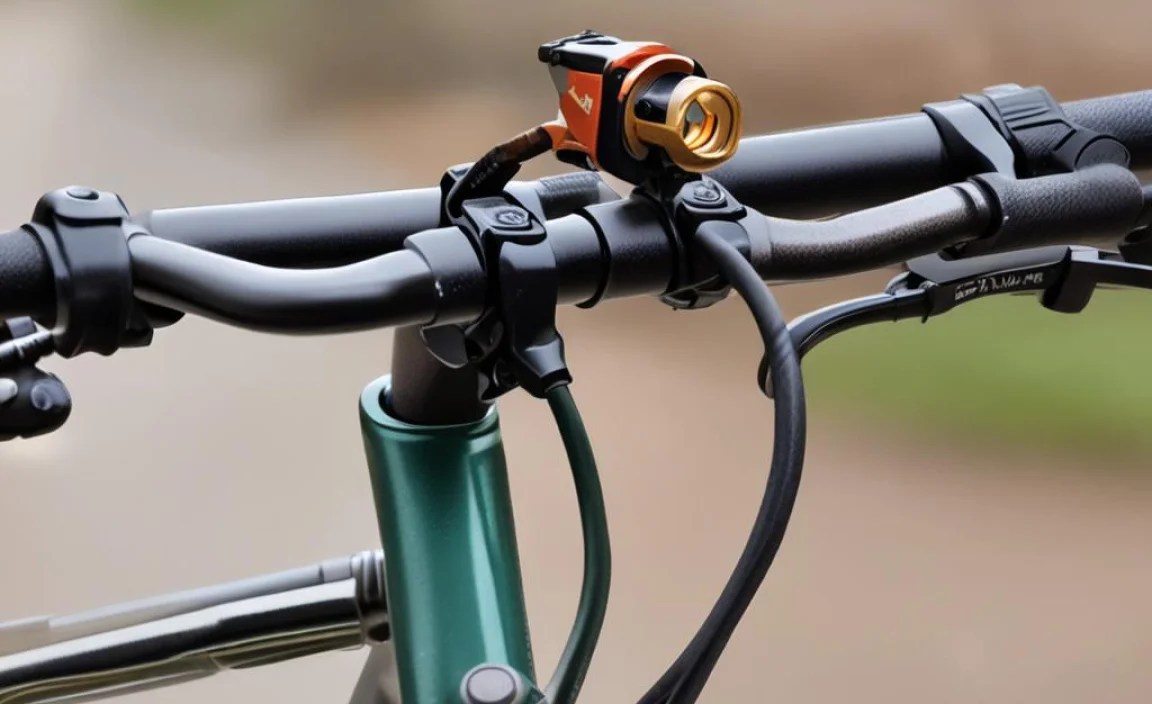
Understanding handlebar clamp sizes is like knowing your shoe size. It helps you find the right fit. Common sizes include 22.2mm, 25.4mm, 31.8mm, and 35mm. Mountain bikes often use 31.8mm or 35mm handlebars. Road bikes may use 25.4mm or 31.8mm bars. Older bikes might have 22.2mm handlebars. The size affects how to choose handlebar clamp width for bike mount. A 22.2mm mount won’t fit on a 31.8mm handlebar. Knowing these sizes makes shopping easier. You can quickly narrow down your options. Always check your handlebar’s diameter before buying a mount. This saves you time and trouble.
- 22.2mm is common on older bikes and some mountain bikes.
- 25.4mm is often found on older road bikes.
- 31.8mm is a standard size for both road and mountain bikes.
- 35mm is a newer, oversized standard for mountain bikes.
- Check the product specifications to confirm the clamp size.
Clamp size is very important for safety. A loose mount can be dangerous. It can cause your device to fall off. It can also distract you while riding. A tight mount is also bad. It can damage your handlebars. Over-tightening screws can crack the carbon fiber. Always use the correct size clamp. Follow the manufacturer’s instructions for installation. Use a torque wrench to tighten the screws properly. This prevents over-tightening. Taking these steps keeps you safe. It also protects your bike and devices.
What Are The Different Handlebar Materials?
Handlebars are made from different materials. The most common are aluminum and carbon fiber. Aluminum handlebars are strong and affordable. They are a good choice for most riders. Carbon fiber handlebars are lighter and stiffer. They can improve your bike’s performance. However, they are more expensive. The material affects how to choose handlebar clamp width for bike mount. Carbon fiber bars require more care. Over-tightening a clamp can damage them. Always use a torque wrench on carbon fiber. Follow the manufacturer’s instructions. No matter the material, make sure your mount fits well.
How Do Handlebar Materials Affect Clamp Choice?
Imagine you are holding a delicate glass. You would be very careful, right? Carbon fiber handlebars are like that delicate glass. They need special care when attaching a mount. Aluminum bars are more forgiving. They can handle a bit more pressure. But even with aluminum, you need to be careful. Over-tightening can still damage the bars. For carbon fiber, use a torque wrench. This tool measures how much force you are using. It prevents you from tightening the clamp too much. Also, use a mount with a smooth inner surface. This reduces the risk of scratching the carbon fiber.
Can I Use A Universal Mount?
Universal mounts sound like a great idea. They claim to fit any handlebar size. But do they really work? Some universal mounts are adjustable. They have parts that can be tightened or loosened. This allows them to fit different diameter bars. However, universal mounts are not always the best choice. They might not be as secure as a dedicated mount. They can also be bulkier and heavier. If you choose a universal mount, make sure it is high quality. Check reviews to see what other riders say. And always double-check the fit before you ride.
Fun Fact or Stat: Handlebar diameters have evolved over time to improve stiffness and reduce weight, leading to the variety of sizes we see today!
Using Shims And Adapters For A Perfect Fit

Sometimes, the mount size isn’t exactly what you need. This is where shims and adapters come in handy. Shims are small pieces of material. They fill the gap between the handlebar and the clamp. Adapters can change the size of the clamp opening. They allow you to use a smaller mount on a larger handlebar. Or a larger mount on a smaller handlebar. Knowing how to choose handlebar clamp width for bike mount includes knowing how to use these tools. Shims and adapters can be made of plastic, rubber, or metal. Choose the right material for your needs. Make sure the shim or adapter fits snugly. A loose shim can cause the mount to slip. Always follow the manufacturer’s instructions when using shims and adapters.
- Shims fill gaps between the handlebar and the clamp.
- Adapters change the size of the clamp opening.
- Choose shims and adapters made of durable materials.
- Ensure the shim or adapter fits snugly to prevent slipping.
- Follow the manufacturer’s instructions for proper installation.
Using shims and adapters is a great way to customize your fit. They can make a mount work on different bikes. They can also save you money. Instead of buying a new mount, you can use a shim or adapter. However, there are some things to keep in mind. Shims and adapters can add extra weight. They can also change the look of your bike. Make sure they are compatible with your mount and handlebars. Check them regularly for wear and tear. Replace them if they become damaged. With a little care, shims and adapters can help you achieve a perfect fit.
What Materials Are Shims Made Of?
Imagine you need to fix a wobbly table. You might use a piece of cardboard, right? Shims are similar. They fill in gaps to make things stable. Shims for bike mounts can be made of different materials. Plastic is a common choice. It is lightweight and doesn’t rust. Rubber is another option. It provides a good grip and absorbs vibrations. Metal shims are also available. They are more durable but can be heavier. The best material depends on your needs. Consider the weight, durability, and grip of the shim. Choose one that works well with your handlebar and mount.
How Do Adapters Work?
Adapters are like magic rings. They change the size of the mount’s opening. If your mount is too big, an adapter makes the opening smaller. If your mount is too small, an adapter makes it bigger. They usually have a sleeve that fits inside the mount. This sleeve has a different inner diameter. This changes the size of the opening. Adapters are great for using the same mount on different bikes. They save you from buying multiple mounts. Just make sure the adapter is compatible with your mount and handlebars.
Are Shims Safe?
Safety is always important when riding a bike. So, are shims safe to use? Yes, shims are generally safe if used correctly. Make sure the shim fits snugly. It should not move around when the mount is tightened. Use the correct size shim for your handlebar and mount. Over-tightening the mount can damage the shim or the handlebars. Check the shim regularly for wear and tear. Replace it if it becomes damaged. By following these tips, you can use shims safely and effectively.
Fun Fact or Stat: The use of shims and adapters can extend the life of your bike mounts, saving you money in the long run!
Avoiding Common Mistakes When Choosing Clamps

Choosing the right clamp can seem easy, but mistakes can happen. One common mistake is guessing the handlebar size. Always measure to be sure. Another mistake is ignoring the handlebar material. Carbon fiber needs special care. Over-tightening is a big problem. It can damage the handlebars or the mount. Not checking compatibility is also a mistake. Make sure the mount works with your device. Knowing how to choose handlebar clamp width for bike mount means avoiding these pitfalls. Always double-check everything before you buy. Read reviews from other riders. This helps you make the right choice.
- Guessing the handlebar size instead of measuring accurately.
- Ignoring the handlebar material (aluminum vs. carbon fiber).
- Over-tightening the clamp, which can damage the handlebars.
- Not checking compatibility with your device.
- Failing to read reviews from other riders.
Another common mistake is buying the cheapest mount. Cheap mounts may not be strong enough. They can break or slip while riding. This can damage your device. It can also be dangerous. Investing in a quality mount is worth it. A good mount will last longer. It will also keep your device safe. Pay attention to the reviews. See what other riders say about the mount. Look for mounts made from durable materials. Check the warranty. A good warranty shows that the company stands behind its product.
What Happens If I Over-Tighten The Clamp?
Imagine you are squeezing a balloon too hard. It might pop, right? Over-tightening a bike mount clamp is similar. It puts too much pressure on the handlebars. This can cause them to crack or break. This is especially true for carbon fiber handlebars. Over-tightening can also damage the mount itself. The screws can strip, or the clamp can bend. Always use a torque wrench to tighten the clamp. This tool measures how much force you are using. Follow the manufacturer’s instructions for the correct torque setting. This prevents over-tightening and keeps your handlebars safe.
Is It Safe To Use A Damaged Mount?
Would you wear a helmet with a crack in it? Probably not, because it wouldn’t protect you. A damaged bike mount is similar. It might not hold your device securely. It could break while you are riding. This could damage your device. It could also distract you and cause an accident. If your mount is damaged, replace it. Don’t try to fix it yourself. It is not worth the risk. A new mount is a small price to pay for your safety and peace of mind.
How Important Are Reviews?
Reviews are like advice from other riders. They can tell you a lot about a product. Read reviews before you buy a bike mount. See what other riders say about the quality, durability, and ease of use. Pay attention to both positive and negative reviews. Look for patterns. If many riders have the same problem, it is a red flag. Reviews can help you avoid making a mistake. They can also help you find a great mount that you will love.
Fun Fact or Stat: Reading online reviews can increase your chances of selecting a well-suited and reliable bike mount by up to 70%!
Installing Your Bike Mount Securely

Installing your bike mount the right way is important. First, read the instructions. Every mount is a little different. Make sure you have the right tools. You’ll probably need a screwdriver or Allen wrench. Clean the handlebars where you will put the mount. This helps the mount grip better. Position the mount where you want it. Tighten the screws gradually. Don’t tighten one screw all the way first. Alternate between the screws. This keeps the pressure even. Check that the mount is secure. It should not wobble or move. How to choose handlebar clamp width for bike mount matters, but so does how you install it.
| Step | Action | Tip |
|---|---|---|
| 1 | Read Instructions | Understand the specific steps for your mount. |
| 2 | Gather Tools | Have the correct screwdriver or Allen wrench ready. |
| 3 | Clean Handlebars | Remove dirt and grime for better grip. |
| 4 | Position Mount | Place the mount where you want it on the bars. |
| 5 | Tighten Screws | Alternate screws to ensure even pressure. |
After installing the mount, test it out. Put your device in the mount. Go for a short ride. Check that the mount stays secure. If it moves, tighten the screws a little more. Be careful not to over-tighten. If you are not sure how to install the mount, ask for help. A bike shop can install it for you. They can also make sure you have the right size clamp. Taking these steps ensures your mount is safe and secure. This protects your device and keeps you safe while riding.
What Tools Do I Need For Installation?
Imagine you are building a Lego set. You need the right pieces, right? Installing a bike mount is similar. You need the right tools. A screwdriver is often needed. Some mounts use Allen wrenches instead. These are small, L-shaped tools. You might also need a torque wrench. This tool measures how much force you are using. It is especially important for carbon fiber handlebars. A clean cloth can also be helpful. Use it to clean the handlebars before installing the mount. Having the right tools makes the job easier and safer.
How Tight Should The Screws Be?
Tightening the screws is like adding salt to your food. Too little, and it’s bland. Too much, and it’s ruined. The same is true for bike mount screws. Too loose, and the mount will wobble. Too tight, and you can damage the handlebars. The correct tightness is just right. Follow the manufacturer’s instructions for the torque setting. Use a torque wrench to measure the force. If you don’t have a torque wrench, tighten the screws until they are snug. Then, give them a little extra turn. Check the mount for movement. It should be secure but not over-tightened.
How Often Should I Check The Mount?
Think of your bike mount like your shoelaces. You check them before every ride, right? You should also check your bike mount regularly. Before each ride, make sure the mount is secure. Check the screws to see if they are loose. Look for any signs of damage. If you ride often, check the mount more frequently. Weather can also affect the mount. Rain and sun can cause parts to wear out faster. By checking the mount regularly, you can catch problems early. This keeps your device safe and prevents accidents.
Fun Fact or Stat: Regularly checking your bike mount can extend its lifespan by up to 50% and prevent unexpected device drops!
Maintaining Your Bike Mount For Longevity
Taking care of your bike mount keeps it working well. Clean it regularly with a damp cloth. Remove dirt and grime. Use mild soap if needed. Avoid harsh chemicals. They can damage the mount. Check the screws regularly. Tighten them if they are loose. Lubricate the moving parts. Use a silicone-based lubricant. This keeps them working smoothly. Store your bike in a dry place. This prevents rust and corrosion. Understanding how to choose handlebar clamp width for bike mount is just the start. Maintenance is also very important.
- Clean the mount regularly with a damp cloth.
- Check and tighten the screws periodically.
- Lubricate moving parts with silicone-based lubricant.
- Store your bike in a dry place to prevent rust.
- Inspect the mount for wear and tear regularly.
Inspect the mount for wear and tear. Look for cracks or broken parts. Replace damaged parts right away. If you ride in wet conditions, dry the mount after each ride. This prevents rust. If you store your bike for a long time, remove the mount. Store it in a safe place. Following these tips will help your bike mount last longer. This saves you money in the long run. It also keeps your device safe.
What Cleaning Products Should I Use?
Imagine you are washing your favorite toy. You would use gentle soap, right? The same is true for your bike mount. Avoid harsh chemicals. They can damage the plastic or metal. Use mild soap and water. A dish soap works well. Mix a small amount of soap with warm water. Use a soft cloth to clean the mount. Rinse it with clean water. Dry it thoroughly before using it. This keeps your mount clean and prevents damage.
How Do I Prevent Rust?
Rust is like a monster that eats metal. It can weaken your bike mount. To prevent rust, keep the mount dry. After riding in the rain, dry the mount with a towel. Store your bike in a dry place. If you live in a humid area, use a rust inhibitor. This is a special spray that protects metal from rust. Apply it to the metal parts of the mount. Check the mount regularly for signs of rust. If you see rust, remove it with a wire brush. Then, apply a rust inhibitor.
What Kind Of Lubricant Should I Use?
Lubricant is like oil for your bike mount. It keeps the moving parts working smoothly. Use a silicone-based lubricant. This type of lubricant is safe for plastic and metal. Avoid using oil-based lubricants. They can attract dirt and grime. Apply a small amount of lubricant to the moving parts. Wipe off any excess. This keeps your mount working like new.
Fun Fact or Stat: Regular maintenance can extend the life of your bike mount by several years!
Summary
Choosing the right bike mount can make rides more fun and convenient. Knowing how to choose handlebar clamp width for bike mount is the first step. Measure your handlebars carefully. Common sizes include 22.2mm, 25.4mm, 31.8mm, and 35mm. Use shims or adapters if needed. Avoid common mistakes like over-tightening the clamp. Install the mount securely, and check it regularly.
Maintaining your bike mount is also important. Clean it, check the screws, and lubricate the moving parts. By following these tips, you can ensure your mount lasts longer. This keeps your device safe and makes your rides more enjoyable. A well-chosen and well-maintained bike mount is a great addition to any bike.
Conclusion
Finding the perfect bike mount might seem tricky at first. However, you can get it right by following simple steps. Measure your handlebars carefully. Choose the right clamp size. Install the mount securely. Don’t forget to maintain it regularly. Understanding how to choose handlebar clamp width for bike mount ensures a safe and enjoyable biking experience.
Frequently Asked Questions
Question No 1: How do I know what size handlebar I have?
Answer: Knowing your handlebar size is super important. You can find out in a few easy ways. First, look for markings on your handlebars. Sometimes, the size is printed near the center or ends. If you don’t see any markings, grab a ruler or a caliper. A caliper is best for accuracy. Measure the diameter of your handlebars where you plan to attach the mount. Write down the measurement in millimeters. This measurement will help you choose the right size bike mount for your needs, so you know how to choose handlebar clamp width for bike mount.
Question No 2: What happens if my bike mount is too big?
Answer: If your bike mount is too big, it won’t fit snugly on your handlebars. This can cause the mount to wobble or slip while you’re riding. This is not only annoying, but it can also be dangerous. Your device could fall off and get damaged. To fix this, you can use shims. Shims are small pieces of material that fill the gap between the handlebar and the mount. They make the mount fit more tightly. Make sure the shims are made of durable material. Check them regularly for wear and tear. Using shims correctly will keep your device safe and secure.
Question No 3: Can I use a bike mount designed for a different handlebar size?
Answer: Using a bike mount designed for a different handlebar size is not ideal. It can be risky and may not work well. If the mount is too small, you won’t be able to attach it at all. Forcing it can damage your handlebars or the mount. If the mount is too big, it will be loose and unstable. However, you can sometimes make it work with adapters or shims. These can help bridge the size difference. But always make sure the fit is secure and safe before you ride. Make sure how to choose handlebar clamp width for bike mount is correctly adhered to.
Question No 4: What is the best material for a bike mount?
Answer: The best material for a bike mount depends on your needs and budget. Common materials include plastic, aluminum, and carbon fiber. Plastic mounts are lightweight and affordable. They are good for casual riders. Aluminum mounts are stronger and more durable. They are a good choice for more serious cyclists. Carbon fiber mounts are the lightest and stiffest. They are often used by racers. Consider the weight, strength, and price when choosing a material. A good quality mount will keep your device safe and secure. And knowing how to choose handlebar clamp width for bike mount is key.
Question No 5: How do I install a bike mount on carbon fiber handlebars?
Answer: Installing a bike mount on carbon fiber handlebars requires extra care. Carbon fiber is delicate and can be damaged easily. Use a torque wrench to tighten the screws. This tool measures how much force you are using. Follow the manufacturer’s instructions for the correct torque setting. Do not over-tighten the screws. This can crack the carbon fiber. Use a mount with a smooth inner surface. This reduces the risk of scratching the handlebars. Check the mount regularly for any signs of damage. Taking these steps will protect your carbon fiber handlebars. Remember, how to choose handlebar clamp width for bike mount is important, but so is proper installation.
Question No 6: How often should I replace my bike mount?
Answer: How often you replace your bike mount depends on how often you use it and the conditions you ride in. If you ride frequently or in harsh weather, you may need to replace it more often. Check the mount regularly for signs of wear and tear. Look for cracks, broken parts, or loose screws. If you see any of these, it’s time to replace the mount. A damaged mount can be dangerous and may not hold your device securely. Investing in a new mount is a small price to pay for your safety and peace of mind. Ensure you know how to choose handlebar clamp width for bike mount when you replace it.


