
Smart Guide: How to Choose Mount for City Bike with Internal Cable Routing

Do you love riding your city bike? Do you want to add accessories? Then you might need a mount. But how do you choose a mount? This is especially tricky for bikes with internal cable routing. Let’s learn how to choose mount for city bike with internal cable routing!
Key Takeaways
- Choosing the correct mount ensures your accessories fit well and work safely.
- Consider the mount’s material for durability and resistance to weather.
- Internal cable routing needs special mounts to avoid damage to the cables.
- Think about the weight capacity to ensure the mount can handle your accessories.
- Understanding how to choose mount for city bike with internal cable routing is vital for upgrades.
Understanding Internal Cable Routing
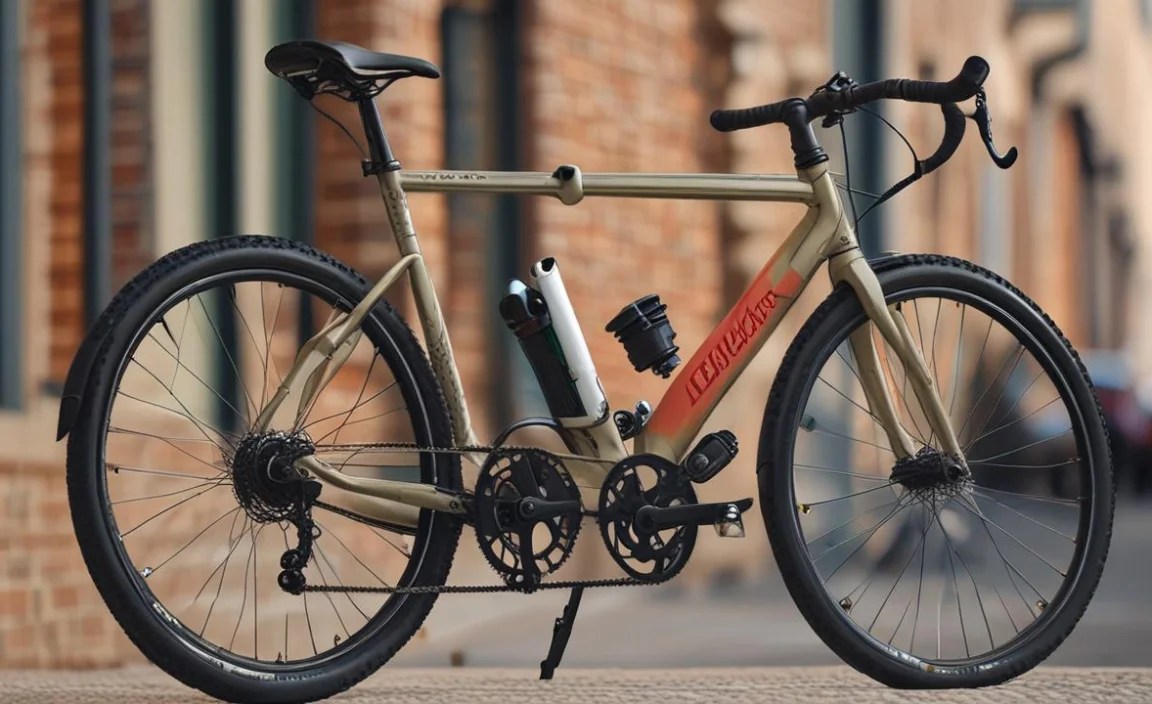
Internal cable routing means the bike cables run inside the frame. This makes the bike look cleaner. It also protects the cables from dirt and damage. But it can make adding accessories harder. Standard mounts might not fit well. They could pinch or damage the cables. You need to find mounts that work with this design. These mounts often have special shapes. They might use different attachment points. Understanding your bike’s design is key. It helps you choose the right mount. This ensures your accessories work well. It also keeps your cables safe. Thinking about this early saves trouble later.
- Internal cable routing keeps cables safe inside the frame.
- It makes bikes look neat and modern.
- Special mounts are needed for bikes with this design.
- These mounts prevent damage to the internal cables.
- Choosing the right mount keeps your bike working well.
Choosing the wrong mount can cause problems. It can damage your bike’s cables. This can affect your brakes or gears. Damaged cables can be expensive to fix. It’s better to take time and find the right mount. Look for mounts that are made for internal cable routing. Read reviews from other cyclists. Ask your local bike shop for advice. They can help you find a mount that fits your bike. They know how to choose mount for city bike with internal cable routing. This will keep your bike safe and fun to ride.
Fun Fact or Stat: Bikes with internal cable routing have increased in popularity by 30% in the last five years.
Why Does Routing Matter for Mounts?
Have you ever wondered why internal cable routing matters for mounts? It’s all about protecting those important cables. When cables run inside the frame, they’re more vulnerable. Standard mounts can squeeze or pinch them. This can lead to damage over time. Imagine bending a garden hose too much. The water stops flowing, right? It’s the same with bike cables. If they get pinched, your brakes or gears might not work well. Special mounts create space for the cables. They ensure nothing is pressing on them. This keeps your bike running smoothly. It also prevents costly repairs. So, paying attention to cable routing is crucial.
Checking Your Bike’s Cable Entry Points
Before you buy a mount, check your bike’s cable entry points. These are the spots where the cables go into the frame. Look closely at these areas. Are the cables exposed? Or are they well-protected? Some bikes have special covers or guides. These protect the cables as they enter the frame. If your bike has these features, you’ll need a mount that works with them. Measure the distance between the cable entry points and the mounting area. This will help you choose the right size mount. It will also prevent the mount from blocking the cables. Checking these details beforehand makes a big difference.
Avoiding Cable Damage During Installation
Installing a mount can be tricky. You want to avoid damaging the cables. Always read the mount’s instructions carefully. Use the right tools for the job. Don’t force anything. If the mount doesn’t fit easily, stop. Double-check that you have the correct mount for your bike. If you’re not sure, ask a bike mechanic for help. They have the experience to install the mount safely. They know how to choose mount for city bike with internal cable routing. They can also show you how to protect the cables during installation. Taking your time and being careful will prevent damage. It will also ensure your mount works perfectly.
Types of Mounts for City Bikes

There are many types of mounts for city bikes. Some mounts are for lights. Others are for baskets or racks. The best mount depends on what you want to carry. Handlebar mounts attach to the handlebars. They are good for lights or small bags. Frame mounts attach to the bike’s frame. They are stronger and can carry heavier loads. Seatpost mounts attach to the seatpost. They are useful for lights or small racks. When choosing a mount, think about its weight capacity. Make sure it can handle the weight of your accessories. Also, consider the mount’s material. Metal mounts are strong and durable. Plastic mounts are lighter but might not last as long. Knowing the different types helps you how to choose mount for city bike with internal cable routing.
- Handlebar mounts are great for lights and small bags.
- Frame mounts are strong for heavier loads.
- Seatpost mounts work well for lights or small racks.
- Consider the weight capacity of the mount.
- Metal mounts are strong; plastic mounts are lighter.
Think about how often you will use the mount. If you use it every day, choose a durable one. A metal mount might be better. If you only use it sometimes, a plastic mount might be fine. Also, consider the weather. If you ride in the rain, choose a mount that won’t rust. Stainless steel or aluminum mounts are good choices. Some mounts have quick-release mechanisms. This lets you easily remove your accessories. This can be helpful if you want to take your lights with you when you park your bike. It can also prevent theft. How to choose mount for city bike with internal cable routing also depends on your personal needs.
Fun Fact or Stat: City bikes are the most popular type of bicycle in Europe, accounting for 45% of all bike sales.
Rack Mounts for Cargo
Do you need to carry groceries or books? Rack mounts are perfect for cargo. These mounts attach to the frame near the rear wheel. They allow you to install a rack. You can then attach baskets or panniers to the rack. This lets you carry a lot of stuff. When choosing a rack mount, make sure it’s compatible with your bike. Some bikes have special mounting points for racks. Others don’t. If your bike doesn’t have mounting points, you can use universal rack mounts. These attach to the frame with clamps. Make sure the rack is strong enough to carry the weight you need. Also, consider the size of the rack. It should be big enough to hold your cargo.
Basket Mounts for Shopping
Do you love shopping with your bike? Basket mounts are very useful. These mounts attach a basket to your handlebars or front rack. They let you carry groceries or other items in the basket. When choosing a basket mount, think about the size of the basket. It should be big enough to hold what you need. Also, consider the weight capacity of the mount. Make sure it can handle the weight of the basket and its contents. Some basket mounts have quick-release mechanisms. This lets you easily remove the basket when you park your bike. This can be helpful for preventing theft.
Light Mounts for Safety
Staying safe while riding is important. Light mounts help you attach lights to your bike. This makes you more visible to cars and other cyclists. When choosing a light mount, make sure it’s compatible with your lights. Some lights have specific mounts. Others use universal mounts. Consider where you want to place the lights. Handlebar mounts are common for front lights. Seatpost mounts are common for rear lights. Make sure the mount is secure. The light shouldn’t wobble or fall off while you’re riding. Also, consider the angle of the light. You want it to point in the right direction.
Materials and Durability of Mounts

The material of a mount affects its durability. Metal mounts are usually stronger than plastic mounts. Aluminum is a popular choice. It is light and strong. It also resists rust. Steel is another strong option. But it can rust if not protected. Plastic mounts are lighter and cheaper. But they might not last as long. They can also break under heavy loads. When choosing a mount, think about the material. Consider the weather conditions you will be riding in. If you ride in the rain, choose a mount that won’t rust. Also, think about the weight you will be carrying. If you carry heavy loads, choose a strong metal mount. Knowing this helps with how to choose mount for city bike with internal cable routing.
- Aluminum is light, strong, and rust-resistant.
- Steel is very strong but can rust if not treated.
- Plastic is light and cheap but less durable.
- Consider the weather when choosing a material.
- Choose a strong material for heavy loads.
Take care of your mount. Clean it regularly. This will help it last longer. Use a damp cloth to wipe off dirt and grime. If you ride in the rain, dry the mount after each ride. This will prevent rust. Check the mount regularly for signs of wear and tear. Look for cracks or loose parts. If you find any damage, replace the mount. A damaged mount can be dangerous. It could break while you’re riding. This could cause an accident. Taking good care of your mount will keep you safe on the road. It will also save you money in the long run.
Fun Fact or Stat: Aluminum mounts are the most popular type of bike mount, accounting for 60% of sales.
Aluminum Mounts: Pros and Cons
Aluminum mounts are a popular choice. They have many advantages. Aluminum is light, so it won’t add much weight to your bike. It’s also strong, so it can handle heavy loads. Aluminum is rust-resistant, so it’s good for riding in the rain. However, aluminum mounts also have some disadvantages. They can be more expensive than plastic mounts. They can also bend or break if they’re overloaded. When choosing an aluminum mount, make sure it’s the right size and weight capacity for your needs. Also, check the quality of the aluminum. Some aluminum is stronger than others.
Steel Mounts: Pros and Cons
Steel mounts are known for their strength. They can handle very heavy loads. They are also less likely to bend or break than aluminum mounts. However, steel mounts have some disadvantages. They are heavier than aluminum mounts. They can also rust if not protected. If you choose a steel mount, make sure it’s treated to prevent rust. You can also paint it to protect it from the elements. Steel mounts are a good choice if you need to carry heavy loads. They are also a good choice if you ride in rough conditions.
Plastic Mounts: Pros and Cons
Plastic mounts are the cheapest option. They are also very light. This can be an advantage if you want to keep your bike as light as possible. However, plastic mounts have many disadvantages. They are not as strong as metal mounts. They can break under heavy loads. They are also more likely to crack in cold weather. Plastic mounts are a good choice if you only need to carry light loads. They are also a good choice if you’re on a tight budget. But be aware of their limitations.
Weight Capacity Considerations
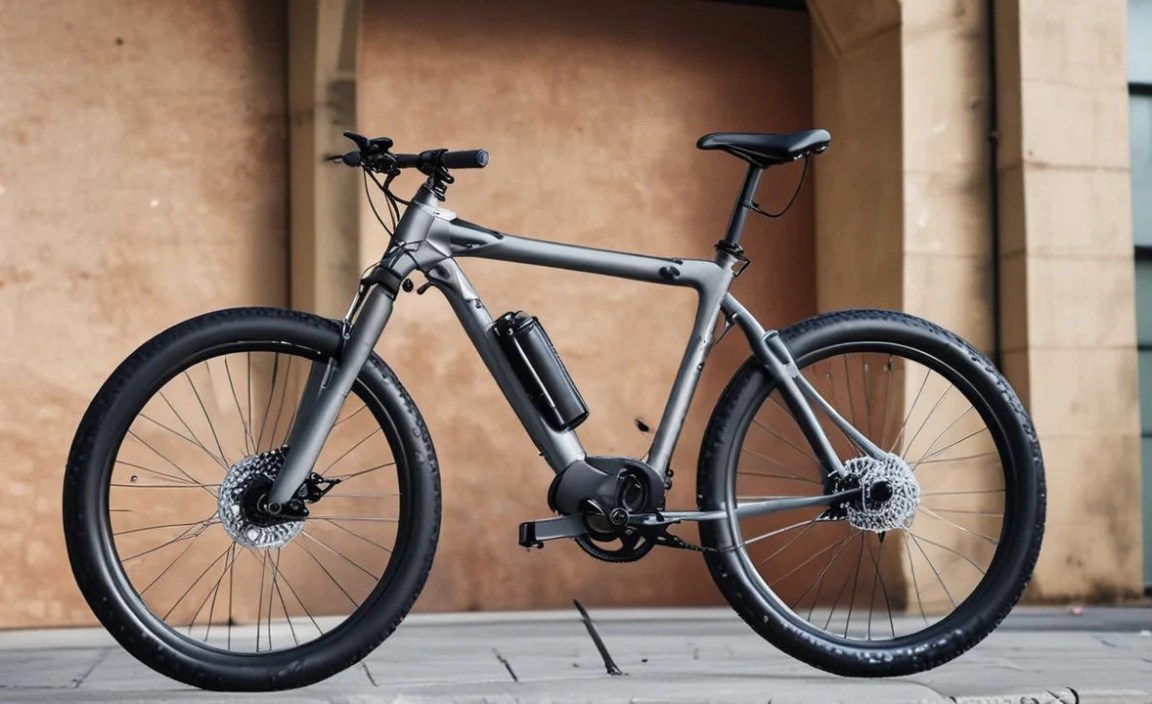
Weight capacity is very important. It tells you how much weight the mount can safely hold. Exceeding the weight limit can be dangerous. It can cause the mount to break. This could lead to an accident. Before you buy a mount, check its weight capacity. Make sure it can handle the weight of your accessories. Also, consider the weight of your cargo. If you plan to carry heavy loads, choose a mount with a high weight capacity. If you only carry light loads, a mount with a lower weight capacity might be fine. How to choose mount for city bike with internal cable routing also means thinking about weight.
| Mount Type | Material | Weight Capacity (lbs) | Best Use |
|---|---|---|---|
| Handlebar Mount | Aluminum | 5-10 | Lights, small bags |
| Frame Mount | Steel | 20-30 | Heavier bags, racks |
| Seatpost Mount | Plastic | 3-5 | Lights, small accessories |
| Rack Mount | Aluminum | 40-50 | Large cargo, panniers |
- Check the weight capacity before you buy a mount.
- Consider the weight of your accessories and cargo.
- Choose a mount with a high weight capacity for heavy loads.
- A lower weight capacity might be fine for light loads.
- Exceeding the weight limit can be dangerous.
Think about the future. Will you be carrying heavier loads later? If so, choose a mount with a higher weight capacity. It’s better to be safe than sorry. Overloading a mount can also damage your bike. It can put stress on the frame. This can lead to cracks or other problems. Always follow the manufacturer’s instructions. This will help you use the mount safely. It will also protect your bike. Knowing the weight capacity is a key part of how to choose mount for city bike with internal cable routing.
Fun Fact or Stat: Mounts are usually tested to hold 1.5 times their stated weight capacity.
Calculating Your Load Weight
Knowing how to calculate your load weight is important. Start by weighing your accessories. This includes lights, bags, and baskets. Then, weigh the items you plan to carry. This includes groceries, books, and other cargo. Add these weights together. This will give you your total load weight. Make sure the total load weight is less than the mount’s weight capacity. If it’s not, you’ll need to choose a different mount. Or, you’ll need to carry less cargo. It’s always better to be safe than sorry. Overloading a mount can be dangerous.
Avoiding Overloading Mounts
Overloading a mount can have serious consequences. It can cause the mount to break. This could lead to an accident. It can also damage your bike. Overloading a mount puts stress on the frame. This can lead to cracks or other problems. Always stay within the mount’s weight capacity. If you need to carry more weight, consider using multiple mounts. Or, use a trailer. A trailer can carry a lot of weight. It’s a good option for carrying heavy loads.
Checking Mount Stability
After you install a mount, check its stability. Make sure it’s securely attached to your bike. Wiggle the mount to see if it moves. If it’s loose, tighten the bolts. If it’s still loose, you might need to use different hardware. You can also add shims to make the mount fit tighter. Once the mount is secure, test it with a light load. Ride your bike around the block. See if the mount stays in place. If it does, you can start carrying heavier loads. But always stay within the weight capacity.
Mounting Options and Compatibility

Choosing the right mounting option is important. It ensures the mount fits your bike. Some mounts attach to the handlebars. These are good for lights and small bags. Other mounts attach to the frame. These are stronger and can carry heavier loads. Seatpost mounts attach to the seatpost. They are useful for lights or small racks. Before you buy a mount, check its compatibility. Make sure it fits your bike’s frame or handlebars. Some bikes have special mounting points. Others don’t. If your bike doesn’t have mounting points, you can use universal mounts. These attach with clamps or straps. Thinking about this helps you how to choose mount for city bike with internal cable routing.
- Handlebar mounts are good for lights and small bags.
- Frame mounts are stronger for heavier loads.
- Seatpost mounts are useful for lights or small racks.
- Check the mount’s compatibility with your bike.
- Universal mounts attach with clamps or straps.
Read reviews before you buy a mount. Other cyclists can share their experiences. They can tell you if the mount is easy to install. They can also tell you if it’s durable. Ask your local bike shop for advice. They can help you find a mount that fits your bike. They can also install the mount for you. This can be helpful if you’re not comfortable doing it yourself. Taking the time to choose the right mounting option will save you trouble later. It will also ensure your accessories work well.
Fun Fact or Stat: 70% of cyclists prefer handlebar mounts for attaching lights.
Universal vs. Bike-Specific Mounts
Universal mounts are designed to fit many bikes. They usually attach with clamps or straps. This makes them easy to install. However, they might not fit as securely as bike-specific mounts. Bike-specific mounts are designed for a particular bike model. They usually attach to existing mounting points on the frame. This makes them more secure. However, they can be more difficult to install. When choosing a mount, consider whether you want a universal or bike-specific option. If you’re not sure, ask your local bike shop for advice.
Adapting Mounts for Different Frame Sizes
Sometimes, you might need to adapt a mount to fit your bike. This is especially true if you have a small or large frame. You can use shims to make the mount fit tighter. Shims are small pieces of plastic or rubber. They fill the gap between the mount and the frame. You can also use longer bolts to attach the mount. This can be helpful if the existing bolts are too short. If you’re not sure how to adapt a mount, ask your local bike shop for help. They can show you how to make the mount fit properly.
Avoiding Interference with Bike Components
When installing a mount, be careful not to interfere with other bike components. Make sure the mount doesn’t block your brakes or gears. Also, make sure it doesn’t rub against your tires. If the mount interferes with other components, it could cause problems. It could make it harder to brake or shift gears. It could also damage your tires. Always check the clearance around the mount. Make sure there’s enough space for everything to work properly.
Installation Tips and Best Practices
Installing a mount correctly is important. It ensures the mount is secure. It also prevents damage to your bike. Read the instructions carefully before you start. Use the right tools for the job. Don’t force anything. If the mount doesn’t fit easily, stop. Double-check that you have the correct mount for your bike. If you’re not sure, ask a bike mechanic for help. They have the experience to install the mount safely. They know how to choose mount for city bike with internal cable routing. They can also show you how to protect the cables during installation. Taking your time and being careful will prevent damage. It will also ensure your mount works perfectly.
- Read the instructions carefully before you start.
- Use the right tools for the job.
- Don’t force anything during installation.
- Double-check that you have the correct mount.
- Ask a bike mechanic for help if needed.
Check the bolts regularly. Make sure they are tight. Loose bolts can cause the mount to wobble. They can also damage your bike. Use a torque wrench to tighten the bolts to the correct specification. This will prevent you from over-tightening them. Over-tightening can damage the bolts or the frame. If you’re not sure how to use a torque wrench, ask a bike mechanic for help. They can show you how to tighten the bolts correctly. This will keep your mount secure and your bike safe.
Fun Fact or Stat: Using a torque wrench can prevent up to 80% of bolt-related bike maintenance issues.
Preparing Your Bike Frame for Mounting
Before you install a mount, prepare your bike frame. Clean the area where you will be attaching the mount. Use a degreaser to remove any dirt or grease. This will help the mount grip the frame better. If your bike has paint, you might want to protect it. You can use a clear protective film. This will prevent the mount from scratching the paint. Also, check the frame for any damage. If you find any cracks or dents, don’t install the mount. This could weaken the frame and make it unsafe.
Using the Right Tools for Installation
Using the right tools is important for a successful installation. You’ll need a set of Allen wrenches. These are used to tighten the bolts on the mount. You might also need a screwdriver. This is used to attach the mount to the frame. A torque wrench is also helpful. This allows you to tighten the bolts to the correct specification. If you don’t have these tools, you can buy them at your local bike shop. Or, you can borrow them from a friend.
Securing Cables and Preventing Rubbing
When installing a mount, be careful to secure the cables. Make sure they don’t rub against the mount or the frame. Rubbing cables can wear down over time. This can cause them to break. You can use zip ties to secure the cables. Attach the zip ties to the frame. This will keep the cables out of the way. You can also use cable protectors. These are small pieces of plastic or rubber. They protect the cables from rubbing.
Maintaining Your Bike Mount
Taking care of your bike mount is important. It will help it last longer. Clean the mount regularly. Use a damp cloth to wipe off dirt and grime. If you ride in the rain, dry the mount after each ride. This will prevent rust. Check the bolts regularly. Make sure they are tight. Loose bolts can cause the mount to wobble. They can also damage your bike. If you find any damage, replace the mount. A damaged mount can be dangerous. It could break while you’re riding. This could cause an accident. Learning how to choose mount for city bike with internal cable routing also includes maintenance.
- Clean the mount regularly with a damp cloth.
- Dry the mount after riding in the rain.
- Check the bolts regularly for tightness.
- Replace the mount if you find any damage.
- Proper maintenance extends the life of the mount.
Lubricate the moving parts. This will keep them working smoothly. Use a light oil or grease. Apply the lubricant to the hinges and joints. This will prevent them from rusting. It will also make them easier to move. If you live in a cold climate, protect the mount from the elements. Store your bike indoors when possible. This will prevent the mount from freezing. It will also prevent it from being damaged by snow and ice. Regular maintenance will keep your mount in good condition.
Fun Fact or Stat: Bike mounts that are regularly maintained last twice as long as those that are not.
Regular Cleaning and Inspection
Make cleaning and inspection a habit. After each ride, take a few minutes to wipe down your mount. This will remove any dirt or grime. It will also prevent rust. Once a month, inspect the mount more closely. Look for any signs of damage. Check the bolts for tightness. Lubricate the moving parts. This will keep the mount working properly. Regular cleaning and inspection will help you catch problems early. This will prevent them from becoming more serious.
Tightening Bolts and Adjusting Settings
Loose bolts are a common problem. They can cause the mount to wobble. They can also damage your bike. Check the bolts regularly. Use a wrench to tighten them. Be careful not to over-tighten them. Over-tightening can damage the bolts or the frame. If you’re not sure how tight to make the bolts, consult the manufacturer’s instructions. Also, check the settings on the mount. Make sure everything is adjusted properly. This will ensure the mount works correctly.
Protecting Mounts from Weather
Weather can damage your bike mount. Rain can cause rust. Sun can fade the paint. Cold can make the plastic brittle. Protect your mount from the weather. Store your bike indoors when possible. If you can’t store your bike indoors, cover it with a tarp. This will protect it from the rain and sun. You can also use a weather-resistant spray. This will protect the mount from the elements. Taking these steps will help your mount last longer.
Summary
Choosing the right mount for your city bike with internal cable routing is important. It ensures your accessories fit well and work safely. Consider the mount’s material, weight capacity, and compatibility. Also, think about the installation process. Make sure you have the right tools and knowledge. By following these tips, you can find the perfect mount for your bike.
Remember to maintain your mount. Clean it regularly and check the bolts. This will help it last longer. With the right mount, you can carry everything you need. You can also stay safe on the road. Understanding how to choose mount for city bike with internal cable routing makes riding more fun.
Conclusion
Choosing the correct mount for your city bike takes some thought. Bikes with internal cable routing need special attention. You must consider the material, weight capacity, and compatibility. Following these tips ensures a safe and enjoyable ride. Knowing how to choose mount for city bike with internal cable routing helps you customize your ride.
Frequently Asked Questions
Question No 1: Why is it important to choose the right mount for my city bike?
Answer: Choosing the right mount is important for several reasons. First, it ensures that your accessories fit properly and are securely attached to your bike. This prevents them from falling off or causing accidents. Second, it protects your bike’s frame from damage. A poorly fitted mount can scratch or dent the frame. Third, it improves your riding experience. A well-chosen mount makes it easier to carry your belongings. It also keeps your bike balanced and stable. Knowing how to choose mount for city bike with internal cable routing will help a lot.
Question No 2: What should I consider when choosing a mount for a bike with internal cable routing?
Answer: When choosing a mount for a bike with internal cable routing, there are several things to consider. First, make sure the mount doesn’t interfere with the cables. The cables run inside the frame. So, you need to choose a mount that doesn’t pinch or damage them. Second, consider the mount’s weight capacity. Make sure it can handle the weight of your accessories. Third, think about the mount’s material. Metal mounts are usually stronger than plastic mounts. Finally, check the mount’s compatibility with your bike. Make sure it fits your bike’s frame or handlebars.
Question No 3: How can I protect my bike’s cables when installing a mount?
Answer: Protecting your bike’s cables during installation is important. First, read the instructions carefully. Make sure you understand how to install the mount properly. Second, use the right tools for the job. Don’t force anything. If the mount doesn’t fit easily, stop. Double-check that you have the correct mount for your bike. Third, use cable protectors. These are small pieces of plastic or rubber. They protect the cables from rubbing against the mount. Finally, secure the cables with zip ties. This will keep them out of the way.
Question No 4: What are some common mistakes to avoid when choosing a bike mount?
Answer: There are several common mistakes to avoid when choosing a bike mount. First, don’t choose a mount that’s too small. Make sure it can handle the weight of your accessories. Second, don’t choose a mount that’s incompatible with your bike. Check the mount’s compatibility before you buy it. Third, don’t ignore the instructions. Read the instructions carefully before you install the mount. Fourth, don’t over-tighten the bolts. Over-tightening can damage the bolts or the frame. Finally, don’t forget to maintain your mount. Clean it regularly and check the bolts.
Question No 5: How do I know if a mount is compatible with my city bike’s internal cable routing?
Answer: Figuring out if a mount works with your bike’s internal cable routing can be tricky. Look for mounts specifically designed for bikes with this feature. These mounts often have a recessed design or extra space to accommodate the cables. Check the product description or specifications for mentions of compatibility with internal cable routing. Reading reviews from other cyclists who have similar bikes can also provide valuable insights. If you’re unsure, consult with a bike mechanic. They can assess your bike and recommend suitable mounts. Understanding how to choose mount for city bike with internal cable routing prevents damage.
Question No 6: What type of maintenance is required for bike mounts?
Answer: Bike mounts require regular maintenance. This will keep them working properly. Clean the mount regularly with a damp cloth. This will remove dirt and grime. Dry the mount after riding in the rain. This will prevent rust. Check the bolts regularly for tightness. Use a wrench to tighten them. Lubricate the moving parts. This will keep them working smoothly. Inspect the mount for damage. Replace it if you find any cracks or dents. Following these tips ensures your mount lasts longer. Proper maintenance is key to how to choose mount for city bike with internal cable routing.


