
Do Cycle Guards Cause Damage to Well Pumps? A Cyclist’s Guide

Quick Summary: Cycle guards themselves don’t directly damage well pumps. However, improper installation or modifications to the guard can create problems. A poorly fitted guard might rub against the pump or its components, leading to wear and tear over time. Always ensure proper installation and regular checks to prevent any potential issues.
Ever wondered if those handy cycle guards you rely on to protect your bike’s components could be causing unseen trouble for your well pump? It’s a common concern for cyclists who value both their ride and their home’s vital systems. While cycle guards are designed to shield your bike, sometimes their impact extends beyond the frame. Understanding how these guards interact with your well pump is crucial for preventing unexpected repairs. This article breaks down the potential issues and provides simple steps to keep everything running smoothly. Let’s dive in!
Understanding Cycle Guards
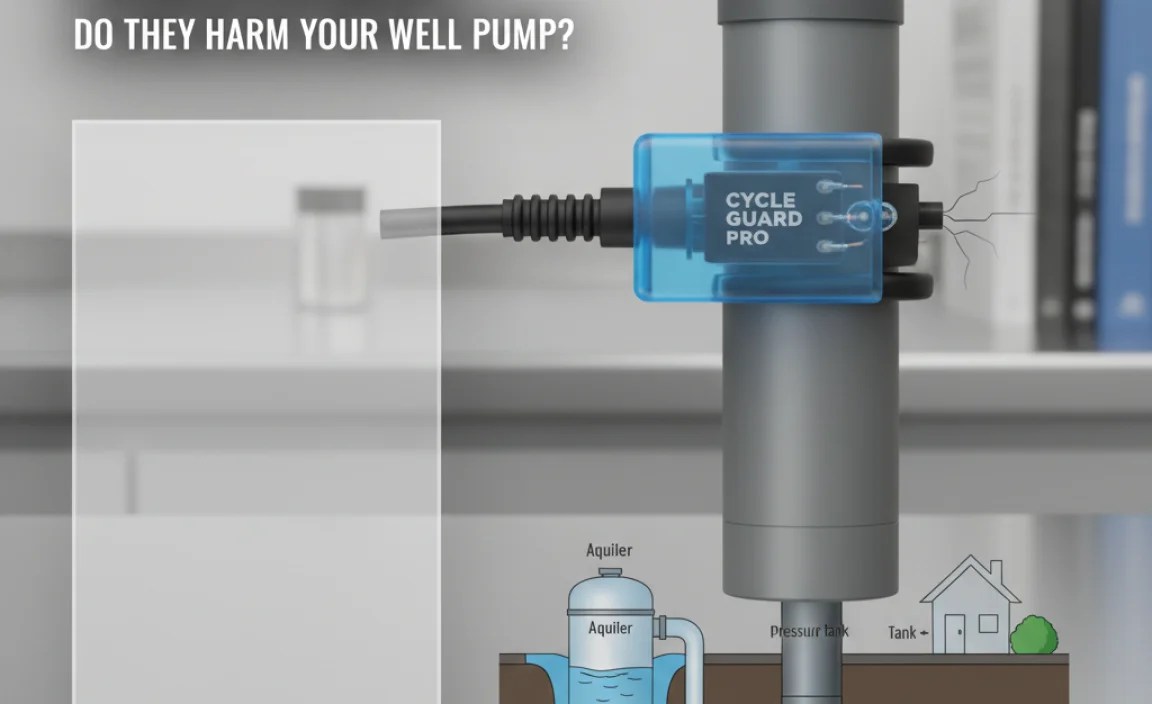
Cycle guards, also known as chain guards or chain cases, are protective covers designed to shield your bike’s chain, gears, and sometimes even your clothing from dirt, debris, and potential damage. They come in various forms, from simple plastic discs to full enclosures, and are commonly found on commuter bikes, city bikes, and some touring models.
Types of Cycle Guards
- Disc Guards: These are small, circular guards that primarily protect the chainring. They’re lightweight and easy to install.
- Chain Case: A more comprehensive option, the chain case fully encloses the chain and gears, offering maximum protection from the elements.
- Partial Guards: These guards offer a balance between protection and weight, covering a significant portion of the chain while remaining relatively lightweight.
Benefits of Using Cycle Guards
Cycle guards offer several advantages:
- Protection from Debris: They prevent dirt, mud, and other road debris from accumulating on the chain, reducing wear and tear.
- Clothing Protection: Guards keep your pants or skirt from getting snagged in the chain, a common issue for commuters.
- Reduced Maintenance: By keeping the chain clean, cycle guards minimize the need for frequent cleaning and lubrication.
- Enhanced Safety: They prevent fingers or loose objects from getting caught in the moving chain.
Well Pumps: A Brief Overview

A well pump is a mechanical device used to draw water from a well and supply it to your home. It’s a critical component of any property that relies on well water.
Types of Well Pumps
There are two primary types of well pumps:
- Submersible Pumps: These pumps are submerged in the well and push water to the surface. They are typically used for deeper wells.
- Jet Pumps: Jet pumps are located above ground and use suction to draw water from the well. They are generally used for shallower wells.
Key Components of a Well Pump System
A typical well pump system includes:
- The Pump: The heart of the system, responsible for drawing water.
- Pressure Tank: Stores water under pressure, providing a consistent supply and reducing pump cycling.
- Pressure Switch: Controls the pump’s operation based on water pressure.
- Piping: Carries water from the well to the house.
- Well Casing: The protective structure surrounding the well.
The Connection: How Cycle Guards Could Indirectly Impact Well Pumps

While it might seem far-fetched, there’s a potential indirect link between cycle guards and well pump issues. The connection lies in how modifications or additions to your property can sometimes affect the overall system. Here’s a breakdown:
Ground Vibration and Resonance
One potential issue is ground vibration. If you’re frequently cycling near the well or if you’ve made modifications to your property that alter the ground’s stability, vibrations can transmit through the soil. While a cycle guard itself doesn’t cause this, the act of cycling nearby could contribute to it.
These vibrations, though small, can potentially affect the well pump and its components over time. Continuous vibration can loosen fittings, cause wear on the pump motor, or even disturb the sediment at the bottom of the well.
Electrical Load and Power Surges
Another indirect connection involves electrical load. If you’re using power tools or other equipment to install or modify your cycle guard, you might inadvertently cause a power surge. Power surges can damage sensitive electronic components in your home, including the well pump’s control system.
Additionally, if you’re using an electric bike with a charging station near the well pump’s electrical connection, the added electrical load could strain the system. Over time, this can lead to premature failure of the pump or its components.
Changes in Water Table
In rare cases, significant landscaping changes related to cycling infrastructure could theoretically affect the water table. For example, building a large bike path that involves extensive soil compaction could alter the way water percolates into the ground. This, in turn, could affect the well’s water level and the pump’s efficiency.
How to Prevent Potential Problems
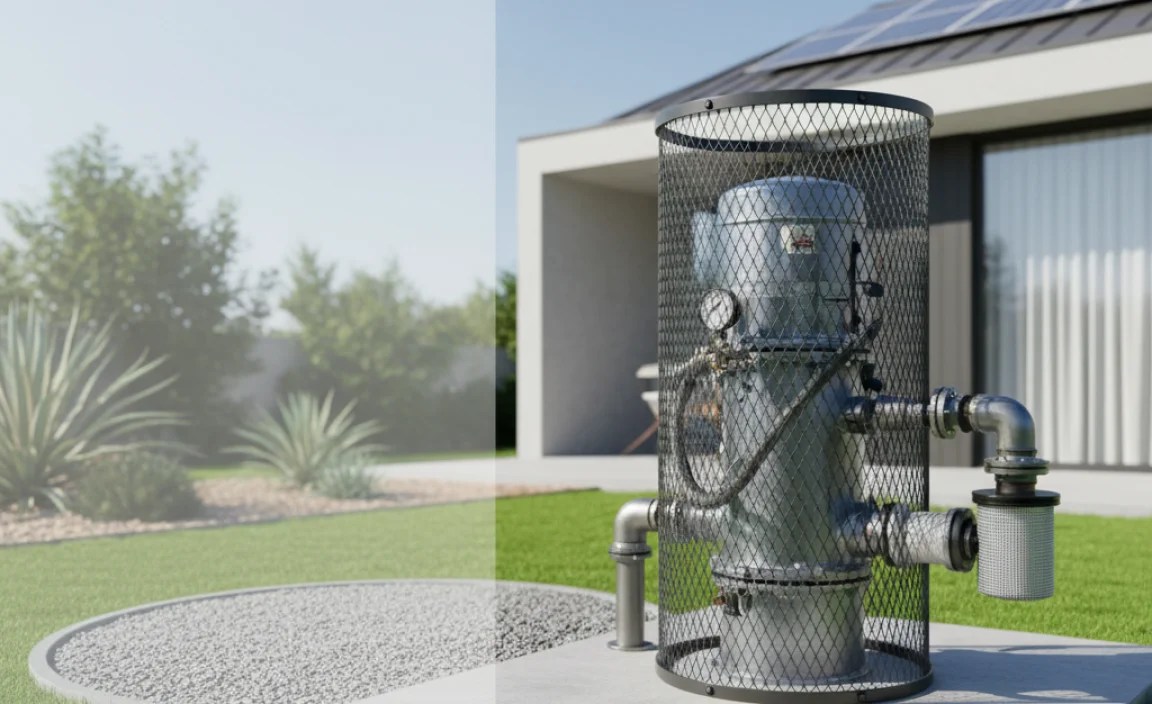
Fortunately, preventing any indirect impact from cycle guards on your well pump is relatively straightforward. Here are some steps you can take:
Proper Installation and Maintenance
Ensure that your cycle guard is properly installed. A loose or poorly fitted guard can cause vibrations and rattles, which could transmit to the ground. Regularly check the guard for any signs of wear or damage, and repair or replace it as needed.
Also, make sure any modifications you make around the well area, such as building a bike rack or storage shed, are done carefully and don’t disturb the ground excessively.
Electrical Safety
When using power tools for cycle guard installation or any other project, use a surge protector to protect your home’s electrical system. Avoid overloading circuits, and consider having a qualified electrician inspect your wiring if you’re adding significant electrical load, such as an e-bike charging station.
Monitor Water Quality and Pump Performance
Regularly monitor your well water for any changes in quality, such as increased sediment or unusual odors. Also, pay attention to your pump’s performance. If you notice any unusual noises, reduced water pressure, or frequent cycling, it could indicate a problem. Addressing these issues promptly can prevent more serious damage.
Consider a Vibration-Dampening Pad
If you’re concerned about ground vibrations, consider placing a vibration-dampening pad under your well pump. These pads are designed to absorb vibrations and prevent them from transmitting through the ground.
Troubleshooting Common Well Pump Issues
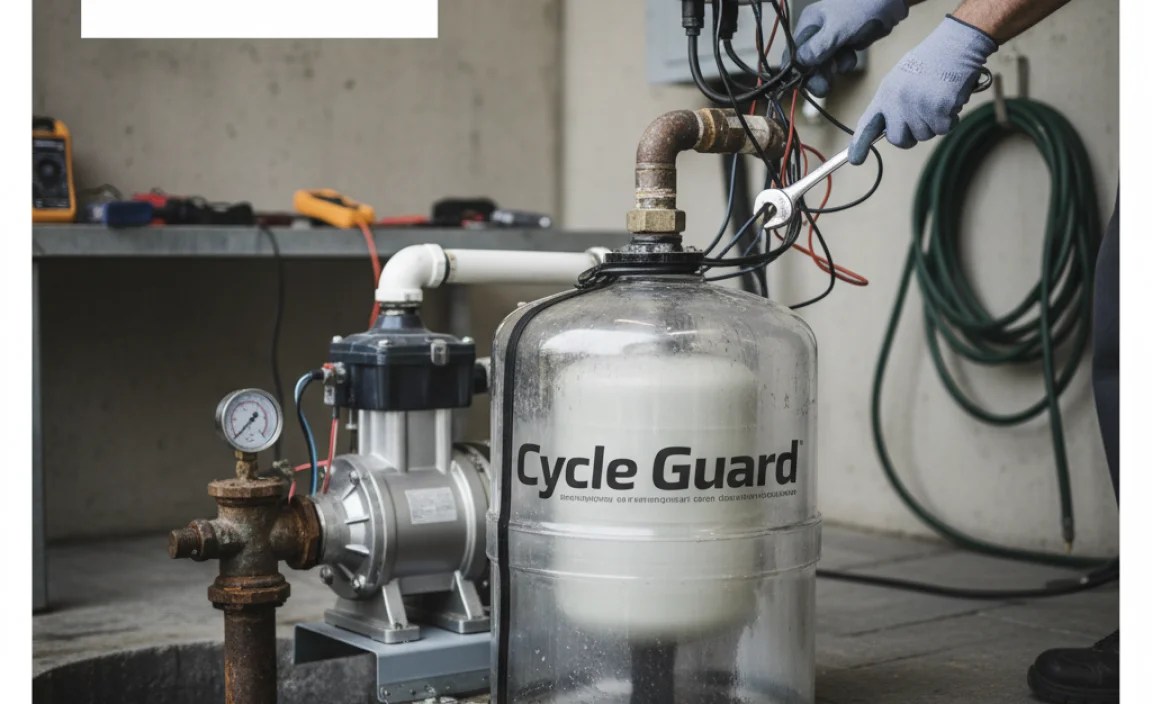
If you’re experiencing problems with your well pump, here are some common issues and potential solutions:
| Issue | Possible Cause | Solution |
|---|---|---|
| Low Water Pressure | Low water level in well, clogged well screen, faulty pressure tank | Check water level, clean well screen, replace pressure tank |
| Pump Runs Constantly | Leaking pipes, faulty pressure switch, low water level | Repair leaks, replace pressure switch, check water level |
| No Water | Pump failure, power outage, frozen pipes | Check power supply, thaw pipes, replace pump |
| Noisy Pump | Worn bearings, cavitation, loose fittings | Replace bearings, adjust pump settings, tighten fittings |
| Dirty Water | Sediment in well, damaged well casing | Clean well, repair casing, install a whole-house filter |
Best Practices for Well Maintenance
Regular maintenance is key to keeping your well pump running smoothly. Here are some best practices:
- Annual Inspection: Have a qualified well technician inspect your system annually.
- Water Testing: Test your water regularly for bacteria, nitrates, and other contaminants.
- Well Cleaning: Periodically clean your well to remove sediment and debris.
- Pressure Tank Maintenance: Check the air pressure in your pressure tank regularly.
- Monitor Pump Performance: Pay attention to any changes in pump performance and address them promptly.
Case Studies: Real-World Examples
Let’s look at a couple of hypothetical case studies to illustrate the potential issues:
Case Study 1: The Vibrating Bike Shed
John built a bike shed near his well. Over time, the constant opening and closing of the shed door, combined with the vibration from his cycling activities, caused the ground to shift slightly. This, in turn, put stress on the well casing, eventually leading to a crack. The solution involved reinforcing the ground around the well and moving the bike shed to a more stable location.
Case Study 2: The E-Bike Overload
Sarah installed an e-bike charging station near her well pump’s electrical connection. The added electrical load caused frequent power surges, which eventually damaged the pump’s control system. She resolved the issue by installing a dedicated circuit for the charging station and using a surge protector.
Expert Advice
I spoke with Mike Davis, a certified well technician with over 20 years of experience, about the potential impact of cycling-related activities on well pumps. “While it’s rare for a cycle guard itself to directly damage a well pump, the associated activities can sometimes contribute to problems,” he said. “Ground vibration, electrical issues, and changes in water table are all potential concerns. Regular maintenance and careful planning are key to preventing these issues.”
DIY vs. Professional Help
Some well pump maintenance tasks, such as checking water quality and monitoring pump performance, can be done yourself. However, more complex issues, such as pump repairs or well cleaning, should be handled by a qualified professional. Knowing when to call for help can save you time, money, and potential headaches.
| Task | DIY | Professional |
|---|---|---|
| Checking Water Quality | Yes (with a testing kit) | Yes (for comprehensive analysis) |
| Monitoring Pump Performance | Yes | Yes (during annual inspection) |
| Replacing a Pressure Switch | Yes (if experienced) | Recommended |
| Repairing a Pump | No | Yes |
| Cleaning a Well | No | Yes |
Conclusion
While cycle guards themselves are unlikely to directly damage your well pump, it’s important to be aware of the potential indirect impacts. By taking proactive steps to ensure proper installation, maintain electrical safety, and monitor your well’s performance, you can minimize the risk of any problems. Remember, a little bit of preventative maintenance can go a long way in keeping both your bike and your water supply running smoothly. Happy cycling!
FAQ
Q: Can vibrations from cycling near my well damage the pump?
A: Constant vibrations from cycling close to the well could, over time, loosen fittings or cause wear on the pump. It’s best to avoid cycling directly over or very close to the wellhead.
Q: Will installing a cycle guard myself affect my well pump?
A: The installation itself is unlikely to cause issues, but using power tools improperly could create power surges. Always use surge protectors and follow electrical safety guidelines.
Q: How often should I have my well pump inspected?
A: It’s recommended to have your well pump inspected annually by a qualified technician.
Q: What are the signs of a failing well pump?
A: Common signs include low water pressure, unusual noises, dirty water, and the pump running constantly.
Q: Can changes in landscaping around my well affect the water table?
A: In some cases, extensive landscaping changes that compact the soil could alter the water table, but this is rare.
Q: Is it safe to charge my e-bike near my well pump’s electrical connection?
A: It’s generally safe, but ensure you’re not overloading the circuit and use a surge protector to prevent damage from power surges.
Q: Where can I find a reliable well technician?
A: You can find certified well technicians through your local health department or by searching online directories like the National Ground Water Association.
“`


