
How to Fix Pressure Gauge That Won’t Hold Reading – Easy!

Have you ever seen a superhero’s gadget fail? A pressure gauge is like that gadget. It tells us how much force is in something. But what happens when it stops working right? What if your pressure gauge won’t hold a reading? It can be confusing. Don’t worry! We can learn how to fix a pressure gauge that won’t hold reading.
Pressure gauges help us every day. They are in car tires. They are in bike pumps. They even help divers breathe underwater! When a gauge fails, things can go wrong. Learning how to fix a pressure gauge that won’t hold reading is a useful skill. Let’s find out how!
Key Takeaways
- Fixing a pressure gauge that won’t hold a reading can save time and money.
- Check for leaks first; this is often the simplest solution.
- Sometimes, cleaning the gauge’s inner parts can solve the problem.
- You might need special tools to open and repair the gauge safely.
- If the gauge is too damaged, replacing it might be the best option.
Why My Pressure Gauge Won’t Hold Reading?

Have you ever tried to blow up a balloon, but the air keeps escaping? A pressure gauge can act the same way. It might not hold the reading. Several things can cause this problem. One common reason is a leak. The air or liquid is escaping. This makes the gauge show the wrong pressure. The gauge has small parts inside. These parts can get dirty or damaged. This can stop the gauge from working right. Sometimes, the gauge is just old. Old gauges might not be as accurate. Knowing why the gauge is failing helps you fix it better. It helps you understand how to fix a pressure gauge that won’t hold reading. This knowledge will save you time. It will save you frustration.
- Leaks in the system cause pressure drops.
- Dirty or blocked parts affect accuracy.
- Damage to the internal mechanism stops movement.
- Old age leads to wear and tear.
- Wrong type of gauge for the job.
- Sudden pressure changes damage gauges.
Imagine you’re a doctor. A patient comes in with a problem. You need to find out what’s wrong before you can help. It is the same with a pressure gauge. You must check for the cause of the issue. Look for leaks. See if parts are dirty. Check if anything is broken. Once you know the cause, you can choose the right fix. Fixing it yourself can be fun. It can also save money compared to calling a professional. Learning the reasons behind the problem is the first step. Now you know how to fix a pressure gauge that won’t hold reading.
What Are Common Leaks to Look For?
Leaks are like tiny holes that let the pressure escape. Check all the connections first. These are places where parts join together. Look for bubbles if you’re using the gauge with a liquid. If it’s air, listen for a hissing sound. The connections might just need tightening. Use a wrench to make sure they are snug. Sometimes, the pipes or hoses themselves have leaks. Look closely for cracks or weak spots. Even a small leak can cause a big drop in pressure. Fixing leaks is often the easiest way to make the gauge work again. It is the first step in how to fix a pressure gauge that won’t hold reading.
Can Dirt Really Affect a Gauge?
Dirt and grime are like tiny invaders. They can get inside the gauge and cause trouble. The small parts need to move freely. Dirt can stop them from moving right. This makes the gauge show the wrong pressure. Cleaning the gauge can help a lot. Use a soft brush and a special cleaner. Be gentle so you don’t damage anything. Sometimes, just removing the dirt is enough to fix the problem. A clean gauge is a happy gauge. It gives you the right reading every time. Cleaning helps with how to fix a pressure gauge that won’t hold reading.
What If the Gauge Is Just Old?
Everything gets old. Even pressure gauges. Over time, parts wear out. Springs get weaker. Dials become harder to read. An old gauge might not be as accurate as a new one. If your gauge is very old, it might be time to replace it. Think of it like an old toy. Eventually, you need a new one. Replacing the gauge is a simple fix. It makes sure you get the right readings. It is a safe and easy solution. Knowing when to replace it is key to how to fix a pressure gauge that won’t hold reading.
Fun Fact or Stat: Did you know that some pressure gauges are used in space to help astronauts breathe? These gauges must be very accurate to keep them safe.
Checking for Leaks in the System
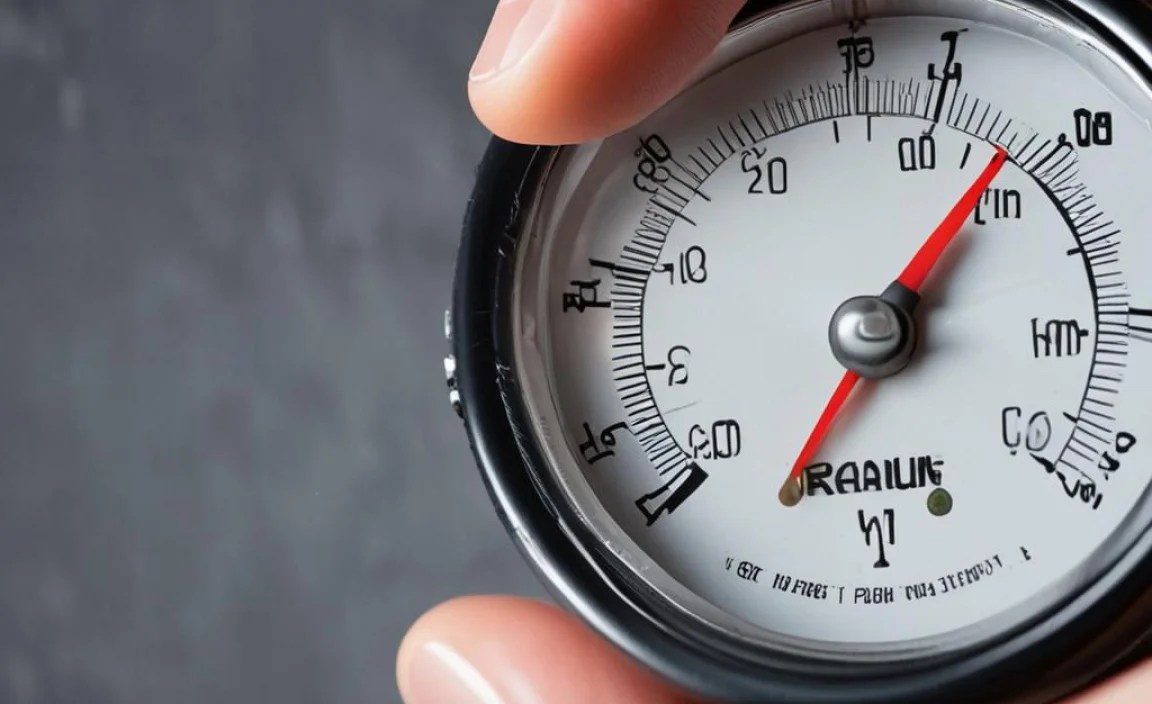
Imagine you have a flat tire on your bike. You pump air into it. But the tire keeps going flat. You know there must be a leak. It’s the same with any system using a pressure gauge. You need to check for leaks. Leaks can happen in different places. They can be at the connections. They can be in the pipes or hoses. Start by looking at the easy spots. Tighten any loose connections. Use soapy water to find small leaks. The soap will bubble where air is escaping. Finding and fixing leaks is super important. It’s a main part of how to fix a pressure gauge that won’t hold reading. Fixing leaks ensures the system works.
- Visually inspect all connections.
- Listen for hissing sounds of escaping air.
- Apply soapy water to joints to detect leaks.
- Check hoses and pipes for cracks.
- Tighten fittings with appropriate tools.
- Replace damaged or worn-out seals.
Think of a water balloon with a tiny hole. The water will slowly leak out. The balloon will not stay full. A system with a pressure gauge is similar. If there is a leak, the pressure will drop. The gauge will not hold the reading. Checking for leaks is like being a detective. You need to find the source of the problem. Use your eyes, ears, and even your sense of touch. Feel for air escaping. Look for wet spots. Listen for hissing. Once you find the leak, fix it right away. Now you know more about how to fix a pressure gauge that won’t hold reading.
How Do I Use Soapy Water to Find Leaks?
Soapy water is like a magic tool for finding leaks. Mix some soap with water in a spray bottle. Spray the soapy water on the connections and pipes. Watch closely. If there is a leak, bubbles will form. The escaping air pushes the soap. This creates bubbles. The bubbles show you exactly where the leak is. Mark the spot. Then you can fix it. Soapy water is safe and easy to use. It helps you find even the smallest leaks. It is a key part of how to fix a pressure gauge that won’t hold reading.
What Tools Do I Need to Tighten Connections?
Tightening connections is like tightening a bolt. You need the right tool. A wrench is usually the best choice. Make sure you use the right size wrench. If the wrench is too big, it will slip. If it’s too small, it won’t work. Gently tighten the connection. Don’t over-tighten it. You might damage the parts. Just make it snug. Check the gauge again to see if it holds the reading. The right tools make the job easier. Knowing which tool to use is important. It is part of how to fix a pressure gauge that won’t hold reading.
What If I Can’t Find Any Leaks?
Sometimes, you can’t find any leaks. But the gauge still doesn’t hold the reading. This can be tricky. The problem might be inside the gauge. It could be a dirty or damaged part. Or the gauge itself might be broken. If you can’t find any leaks, you might need to take the gauge apart. Be careful! Some gauges have delicate parts. If you’re not sure what to do, ask for help. It is better to be safe than sorry. Knowing when to ask for help is wise. This helps you understand how to fix a pressure gauge that won’t hold reading.
Fun Fact or Stat: Some industries use special leak detectors that can find even the tiniest leaks. These detectors are so sensitive, they can find leaks the size of a pinhole!
Cleaning the Internal Parts of the Gauge

Imagine you have a toy car. Over time, dirt gets inside. The wheels don’t spin as well. The car doesn’t move as fast. A pressure gauge is similar. Dirt can get inside and stop it from working right. Cleaning the internal parts can help. First, you need to open the gauge carefully. Look at the parts inside. Clean them with a soft brush and a special cleaner. Be gentle so you don’t damage anything. Make sure all the parts move freely. Put the gauge back together. Now it should work better. Cleaning is a good way to learn how to fix a pressure gauge that won’t hold reading.
- Disassemble the gauge carefully.
- Use a soft brush to remove loose dirt.
- Clean parts with a suitable solvent.
- Ensure all parts move freely.
- Reassemble the gauge carefully.
- Calibrate the gauge after cleaning.
Think of a clogged drain. Hair and gunk block the water from flowing. You need to clean out the drain to make it work again. The same is true for a pressure gauge. Dirt and grime can block the small parts. This stops the gauge from showing the right pressure. Cleaning the parts is like unclogging the drain. It lets everything move freely. A clean gauge is more accurate. It gives you better readings. This helps you do your job safely and correctly. Now you know another step in how to fix a pressure gauge that won’t hold reading.
What Kind of Cleaner Should I Use?
Choosing the right cleaner is important. You don’t want to damage the gauge parts. Use a special cleaner for gauges. You can find these at hardware stores. Avoid using harsh chemicals. They can corrode the metal. A mild solvent is usually best. It will remove the dirt without hurting the parts. Always follow the instructions on the cleaner. Use it in a well-ventilated area. The right cleaner helps keep your gauge in good shape. This helps with how to fix a pressure gauge that won’t hold reading.
How Do I Take the Gauge Apart Safely?
Taking the gauge apart can be tricky. Be very careful. First, make sure the pressure is released. You don’t want any surprises. Use the right tools. Don’t force anything. If something doesn’t come apart easily, stop. Look for screws or clips holding the parts together. Keep track of where each part goes. You’ll need to put it back together later. Taking it apart slowly and carefully is key. Safety is very important. It shows you how to fix a pressure gauge that won’t hold reading the right way.
What If I Break Something While Cleaning?
Sometimes, accidents happen. You might break a part while cleaning. Don’t panic. See if you can buy a replacement part. Many gauge parts are available online. If you can’t find a replacement, you might need a new gauge. It’s okay. Everyone makes mistakes. The important thing is to learn from it. Next time, be even more careful. Knowing when to replace a part is important. This helps with how to fix a pressure gauge that won’t hold reading.
Fun Fact or Stat: Some pressure gauges have over 50 small parts inside! Each part needs to be clean and working correctly for the gauge to work.
Adjusting the Calibration of the Gauge

Have you ever used a ruler that wasn’t quite right? It would measure things wrong. A pressure gauge can be like that too. It might need to be calibrated. Calibration means making sure it shows the right pressure. You can adjust the gauge to make it accurate. You will need a reference gauge. This is a gauge that you know is correct. Compare the readings. Adjust the gauge until it matches the reference gauge. This will make sure your gauge is accurate. Knowing how to fix a pressure gauge that won’t hold reading also means knowing how to calibrate it.
- Use a calibrated reference gauge.
- Compare readings at multiple pressure points.
- Adjust the calibration screw or mechanism.
- Ensure the gauge reads accurately across its range.
- Repeat the process to verify accuracy.
- Document the calibration results.
Think of tuning a musical instrument. You adjust the strings until they sound right. Calibrating a pressure gauge is similar. You adjust it until it shows the right pressure. This is important for safety. It helps you make sure things are working correctly. If the gauge is not calibrated, you might get wrong readings. This could lead to problems. Accurate readings are important. They help you make good decisions. Now you know another important step in how to fix a pressure gauge that won’t hold reading.
What Is a Reference Gauge?
A reference gauge is like a gold standard. It is a gauge that is very accurate. You use it to check other gauges. Reference gauges are carefully tested and calibrated. They are more accurate than regular gauges. You can buy reference gauges at special stores. They can be expensive. But they are worth it if you need accurate readings. A reference gauge helps you calibrate your other gauges. This helps with how to fix a pressure gauge that won’t hold reading.
Where Is the Calibration Screw?
The calibration screw is a small screw on the gauge. It lets you adjust the reading. The location of the screw depends on the gauge. Look for a small screw near the dial. It might be hidden under a cap. You will need a small screwdriver to turn it. Turn the screw gently. Watch the dial. Adjust it until it matches the reference gauge. The calibration screw is your key to accuracy. Knowing where it is helps with how to fix a pressure gauge that won’t hold reading.
How Often Should I Calibrate My Gauge?
How often you calibrate depends on how you use the gauge. If you use it a lot, calibrate it more often. If you only use it sometimes, calibrate it less often. A good rule of thumb is to calibrate every six months. You should also calibrate it if you drop the gauge. Or if you think it might be inaccurate. Regular calibration keeps your gauge working right. It is part of how to fix a pressure gauge that won’t hold reading.
Fun Fact or Stat: Some high-precision pressure gauges are calibrated in special labs with controlled temperature and humidity to ensure maximum accuracy!
Replacing Damaged or Worn Parts
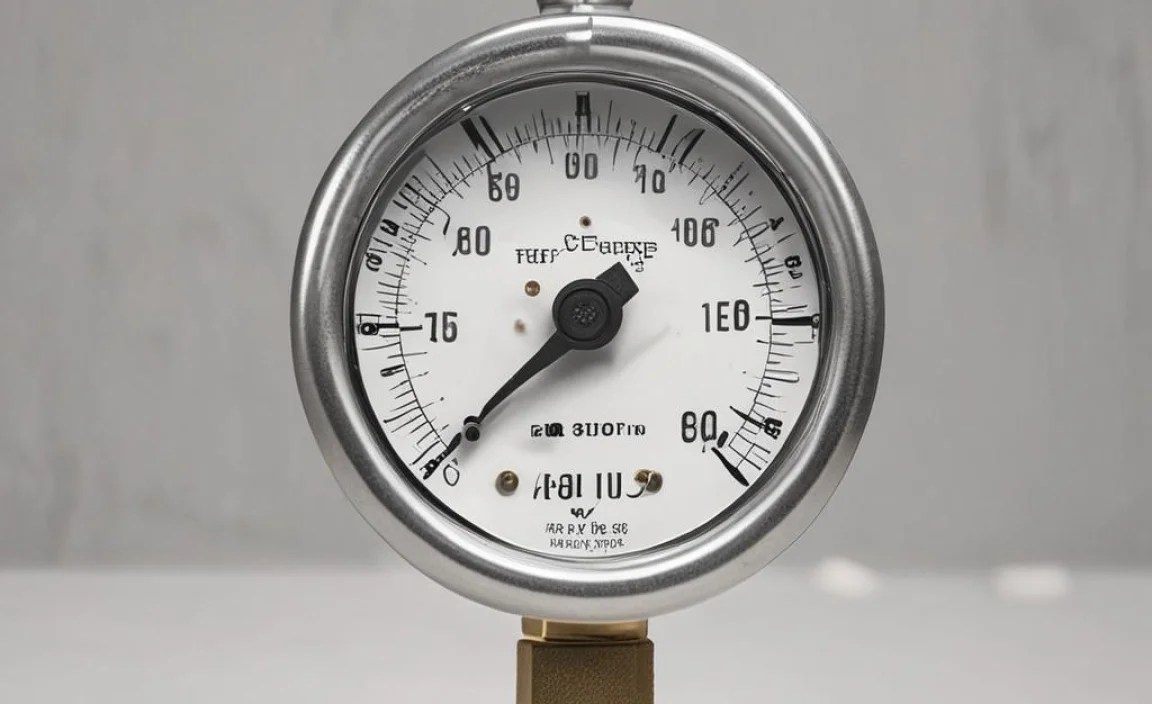
Imagine your favorite toy breaks. Sometimes you can fix it. But sometimes you need a new part. It’s the same with a pressure gauge. If a part is broken or worn out, you need to replace it. You can buy replacement parts online or at a hardware store. Make sure you get the right part for your gauge. Follow the instructions to install the new part. This will make your gauge work like new again. Replacing parts helps you learn how to fix a pressure gauge that won’t hold reading.
- Identify the damaged or worn part.
- Find the correct replacement part.
- Carefully remove the old part.
- Install the new part securely.
- Test the gauge after replacement.
- Ensure the new part functions correctly.
Think of a car with a flat tire. You can’t drive it until you change the tire. A pressure gauge with a broken part is similar. It won’t work right until you replace the part. Replacing parts can be easy. But sometimes it’s tricky. If you’re not sure how to do it, ask for help. It’s better to be safe than sorry. A working gauge is important for safety. It helps you make sure things are working correctly. Now you know another way for how to fix a pressure gauge that won’t hold reading.
Where Can I Buy Replacement Parts?
You can buy replacement parts at different places. Hardware stores often have some parts. Online stores have a bigger selection. Look for stores that specialize in pressure gauges. They will have the right parts for your gauge. Make sure you know the model number of your gauge. This will help you find the right part. Buying the right part is important. It helps with how to fix a pressure gauge that won’t hold reading.
How Do I Know Which Part Is Damaged?
Finding the damaged part can be tricky. Look closely at all the parts. Check for cracks, breaks, or wear. Compare the part to a picture of a new part. This can help you see the damage. Sometimes, the damage is not easy to see. But if the gauge is not working right, a part is probably broken. Take your time and look carefully. Identifying the damage is key. This helps with how to fix a pressure gauge that won’t hold reading.
What If I Can’t Find a Replacement Part?
Sometimes, you can’t find a replacement part. This can be frustrating. If you can’t find the part, you might need to buy a new gauge. It’s okay. Gauges don’t last forever. A new gauge will give you accurate readings. It will keep you safe. Don’t be afraid to replace the gauge. It’s a simple solution. Knowing when to replace it is important. This helps you understand how to fix a pressure gauge that won’t hold reading.
Fun Fact or Stat: Some antique pressure gauges are so rare that collectors pay hundreds of dollars for them, even if they are broken!
Understanding Different Types of Gauges
Imagine you are learning about different animals. Some animals live in the water. Some live on land. Some can even fly. Pressure gauges are also different. They come in different types. Some measure air pressure. Some measure liquid pressure. Some are for high pressure. Some are for low pressure. Knowing the type of gauge is important. It helps you use it correctly. It also helps you fix it. Understanding types helps with how to fix a pressure gauge that won’t hold reading.
- Bourdon tube gauges are common.
- Diaphragm gauges measure low pressure.
- Digital gauges give precise readings.
- Differential gauges measure pressure differences.
- Each type has unique repair needs.
- Choose the right type for your application.
Think of having different tools in a toolbox. Each tool does a different job. You wouldn’t use a hammer to screw in a screw. You need a screwdriver. It’s the same with pressure gauges. You need the right gauge for the job. Using the wrong gauge can be dangerous. It can also give you wrong readings. Knowing the different types of gauges is important. It helps you choose the right one. It helps you fix it if it breaks. Now you know another step in how to fix a pressure gauge that won’t hold reading.
What Is a Bourdon Tube Gauge?
A Bourdon tube gauge is a common type of gauge. It uses a curved tube to measure pressure. The tube straightens out when pressure is applied. This moves the needle on the dial. Bourdon tube gauges are used in many different applications. They are simple and reliable. They are a good choice for general use. Understanding Bourdon tubes is useful. This helps you with how to fix a pressure gauge that won’t hold reading.
What Is a Diaphragm Gauge?
A diaphragm gauge uses a flexible membrane to measure pressure. The membrane bends when pressure is applied. This movement is used to show the pressure on the dial. Diaphragm gauges are good for low pressures. They are also good for measuring corrosive liquids. They are more sensitive than Bourdon tube gauges. Knowing about diaphragm gauges helps. This helps you with how to fix a pressure gauge that won’t hold reading.
What Is a Digital Gauge?
A digital gauge shows the pressure on a digital screen. It is very accurate. Digital gauges are easy to read. They often have extra features. They can record data. They can show the pressure in different units. Digital gauges are more expensive. But they are a good choice if you need accurate readings. Understanding digital gauges is important. This helps you with how to fix a pressure gauge that won’t hold reading.
| Gauge Type | Pressure Range | Accuracy | Common Uses |
|---|---|---|---|
| Bourdon Tube | Medium to High | Moderate | Pneumatics, Hydraulics |
| Diaphragm | Low | High | HVAC, Medical |
| Digital | Wide Range | Very High | Laboratories, Calibration |
| Differential | Low | Moderate | Filter Monitoring, Flow Measurement |
Fun Fact or Stat: The first pressure gauges were invented in the 1800s and were used to measure steam pressure in early trains!
Knowing When to Replace vs. Repair
Imagine you have a toy. It breaks. Sometimes you can fix it with glue or tape. But sometimes it’s too broken. You need a new toy. It’s the same with a pressure gauge. Sometimes you can fix it. But sometimes it’s better to replace it. If the gauge is very old or damaged, replace it. If it’s a simple problem, you can try to repair it. Knowing when to replace or repair is important. This helps with how to fix a pressure gauge that won’t hold reading.
- Consider the age of the gauge.
- Assess the extent of the damage.
- Evaluate the cost of repair vs. replacement.
- Factor in the accuracy requirements.
- Think about safety implications.
- If in doubt, replace the gauge.
Think of a leaky faucet. Sometimes you can tighten the handle. The leak stops. But sometimes the faucet is too old. The parts are worn out. You need to replace the whole faucet. A pressure gauge is similar. If the problem is a loose connection, you can fix it. But if the gauge is very damaged, replace it. This will make sure you get accurate readings. It will keep you safe. Now you know another way to think about how to fix a pressure gauge that won’t hold reading.
Is It Safe to Repair a Gauge Myself?
Repairing a gauge yourself can be safe. But be careful. Make sure you know what you are doing. If you are not sure, ask for help. Some gauges contain dangerous materials. You don’t want to get hurt. Always release the pressure before you start working. Wear safety glasses. Be careful with sharp tools. Safety is very important. It helps you understand how to fix a pressure gauge that won’t hold reading the right way.
How Much Does It Cost to Replace a Gauge?
The cost of replacing a gauge depends on the type. Simple gauges are cheap. Complex gauges are more expensive. Check the prices online or at a hardware store. Factor in the cost of shipping. Sometimes it’s cheaper to buy a new gauge than to repair the old one. Consider the cost when you decide. This helps you with how to fix a pressure gauge that won’t hold reading.
What Are the Signs That a Gauge Needs Replacing?
There are some signs that a gauge needs replacing. If the dial is cracked, replace it. If the needle is stuck, replace it. If the gauge is very old, replace it. If you can’t calibrate it, replace it. If you are not sure, replace it. It’s better to be safe than sorry. These signs help you. This helps you understand how to fix a pressure gauge that won’t hold reading.
Fun Fact or Stat: Some industries have rules about how often pressure gauges must be replaced, even if they seem to be working fine!
Summary
Pressure gauges are important tools. They help us measure force in different systems. Sometimes, a pressure gauge won’t hold a reading. This can be frustrating. There are several reasons why this happens. Leaks, dirt, and damaged parts can cause problems. You can fix these problems yourself. Check for leaks. Clean the internal parts. Calibrate the gauge. Replace damaged parts. Knowing how to fix a pressure gauge that won’t hold reading is a useful skill. It can save you time and money.
Remember to be careful when working with pressure gauges. Always release the pressure before you start. Use the right tools. If you’re not sure what to do, ask for help. Sometimes, it’s better to replace the gauge than to repair it. Knowing when to replace or repair is important. By following these tips, you can keep your pressure gauges working well. You will also know how to fix a pressure gauge that won’t hold reading.
Conclusion
Pressure gauges are important. They help us measure force. When a gauge doesn’t hold a reading, it’s a problem. You can often fix it yourself. Check for leaks. Clean the parts. Calibrate the gauge. Replace broken parts. If you follow these steps, you can learn how to fix a pressure gauge that won’t hold reading. Keep your gauges working well to stay safe.
Frequently Asked Questions
Question No 1: Why does my pressure gauge keep dropping to zero?
Answer: Your pressure gauge might be dropping to zero because of a leak in the system. Check all the connections and hoses for any signs of escaping air or liquid. Another reason could be a faulty gauge. The internal parts might be damaged or worn out. If you can’t find a leak, the gauge itself might be the problem. Consider replacing the gauge if it continues to drop to zero after checking for leaks. This is part of how to fix a pressure gauge that won’t hold reading.
Question No 2: How do I know if my pressure gauge is accurate?
Answer: To check if your pressure gauge is accurate, compare it to a reference gauge. A reference gauge is a gauge that you know is accurate. Connect both gauges to the same pressure source. Compare the readings. If the readings are different, your gauge is not accurate. You might need to calibrate it or replace it. Regular checks with a reference gauge ensure accuracy. This will help you understand how to fix a pressure gauge that won’t hold reading.
Question No 3: Can cold weather affect my pressure gauge?
Answer: Yes, cold weather can affect your pressure gauge. Cold temperatures can cause the fluid inside the gauge to thicken. This can make the gauge less accurate. It can also cause the gauge to read lower than it should. If you are using a gauge in cold weather, make sure it is designed for those conditions. Some gauges have special fluids that work better in the cold. Always consider the environment. This can affect how to fix a pressure gauge that won’t hold reading.
Question No 4: What does it mean if my pressure gauge needle is stuck?
Answer: If your pressure gauge needle is stuck, it means that something is preventing it from moving freely. This could be dirt, corrosion, or damage to the internal parts. Try tapping the gauge gently to see if the needle moves. If it doesn’t, you might need to take the gauge apart and clean it. If the needle is still stuck after cleaning, you might need to replace the gauge. A stuck needle means the gauge is not working correctly. This impacts how to fix a pressure gauge that won’t hold reading.
Question No 5: How often should I replace my pressure gauge?
Answer: How often you replace your pressure gauge depends on how you use it. If you use it a lot, replace it more often. A good rule is to replace it every one to two years. You should also replace it if you notice any signs of damage or inaccuracy. Regular replacement helps ensure accurate readings. It also helps prevent problems. Knowing when to replace it is part of how to fix a pressure gauge that won’t hold reading.
Question No 6: What tools do I need to fix a pressure gauge?
Answer: To fix a pressure gauge, you might need a few tools. A wrench is useful for tightening connections. A screwdriver is needed for taking the gauge apart. A soft brush and cleaner are helpful for cleaning the internal parts. A reference gauge is important for calibration. Safety glasses protect your eyes. Having the right tools makes the job easier. It also makes it safer. Preparing with tools impacts how to fix a pressure gauge that won’t hold reading.


