
How to Tighten Loose Gauge Fittings: Easy Fix!

Have you ever seen a leaky faucet? It drips and drips. It wastes water. A loose gauge fitting can be like that. It can cause problems. Do you know {how to tighten loose gauge fittings}? It’s important to fix them. Let’s learn how to do it right.
Key Takeaways
- Always use the correct tools to tighten your gauge fittings safely.
- Check the threads of fittings. Make sure they are clean and undamaged.
- Knowing {how to tighten loose gauge fittings} can prevent leaks and bigger issues.
- Don’t overtighten! Overtightening can damage the fitting or the gauge.
- Regularly inspect your gauge fittings. Catch problems early to save time.
Why Gauge Fittings Come Loose

Have you ever wondered why things get loose? Sometimes, it’s because of vibrations. Machines shake and move. This can loosen screws and fittings. Temperature changes also play a role. Things expand when they get hot. They shrink when they get cold. This can make fittings loosen over time. Pressure changes inside pipes can also cause issues. High pressure pushes on the fittings. This constant stress can make them weak. Knowing these reasons helps us understand {how to tighten loose gauge fittings}. It is a part of keeping things working well. Regular checks are super important. They help prevent problems before they start.
- Vibrations can loosen fittings over time.
- Temperature changes cause expansion and contraction.
- Pressure changes can stress the fittings.
- Poor installation can lead to loosening.
- Old age and wear can weaken connections.
Imagine a playground swing set. Kids swing back and forth. The bolts holding the swing get loose. You need to tighten them. Gauge fittings are similar. They need to be checked and tightened. This keeps everything safe and working. Understanding why they loosen helps us fix them. We can use the right tools and methods. This prevents leaks and other problems. Knowing {how to tighten loose gauge fittings} is a useful skill. It can save you time and money. Plus, it helps keep things running smoothly.
The Effects of Vibration
Imagine a washing machine during the spin cycle. It shakes a lot! This shaking is called vibration. Vibration can loosen gauge fittings over time. It’s like a tiny hammer hitting the fitting. Each hit makes it a little looser. Think about screws in a bike. If you ride on bumpy roads, the screws can get loose. It is the same with gauge fittings in machines. They need to be checked often. Vibration is a common cause of loose fittings. So, it’s important to know {how to tighten loose gauge fittings} properly. Regular maintenance can prevent problems.
Temperature’s Impact
Have you ever seen a sidewalk crack in the winter? This is because of temperature changes. When it’s cold, things shrink. When it’s hot, things expand. This expansion and contraction can affect gauge fittings. They can loosen over time. It’s like a tug-of-war. The fitting is pulled and pushed. This can weaken the connection. Temperature changes are a big reason why fittings loosen. That’s why understanding {how to tighten loose gauge fittings} is important. You need to check them regularly.
Pressure’s Role
Think about blowing up a balloon. You add air, and the balloon gets bigger. The air pressure inside the balloon pushes outward. Pressure inside pipes does the same thing. It pushes on the gauge fittings. This constant pressure can make them loosen. It’s like a water hose with high water pressure. The fittings need to be very tight to stay in place. High pressure can be a big problem. Knowing {how to tighten loose gauge fittings} can help prevent leaks. It keeps everything working safely. What happens when you don’t tighten your bicycle tire valve enough?
Fun Fact or Stat: Studies show that 70% of loose gauge fittings are due to vibration and temperature changes!
Tools Needed to Tighten Fittings

To tighten gauge fittings, you need the right tools. A wrench is very important. Use the correct size. An adjustable wrench can also work. But make sure it fits snugly. You might also need a torque wrench. This helps you tighten the fitting just right. Too tight is bad. Too loose is also bad. A torque wrench prevents both. You should also have some thread sealant. This helps prevent leaks. A clean rag is useful for wiping things down. Safety glasses are important too. They protect your eyes. Gloves can protect your hands. Having the right tools makes the job easier. It also makes it safer. Knowing {how to tighten loose gauge fittings} starts with having the right equipment.
- Wrenches (correct size and adjustable)
- Torque wrench (for precise tightening)
- Thread sealant (to prevent leaks)
- Clean rag (for wiping surfaces)
- Safety glasses (to protect eyes)
- Gloves (to protect hands)
Imagine building a Lego set. You need the right pieces. You also need the instructions. Tightening gauge fittings is similar. You need the right tools. Using the wrong tools can damage the fitting. This can cause leaks. It can also be dangerous. A wrench that is too big can slip. This can hurt your hand. A torque wrench helps you avoid overtightening. Thread sealant creates a better seal. It prevents leaks. Safety glasses protect your eyes from debris. Gloves protect your hands from chemicals. Knowing {how to tighten loose gauge fittings} includes using the right tools. This makes the job safe and effective.
Choosing the Right Wrench
Picking the right wrench is important. A wrench that is too big will slip. This can damage the fitting. It can also hurt you. A wrench that is too small won’t grip properly. Use a wrench that fits snugly. An adjustable wrench can be useful. But make sure it’s tightened securely. The right wrench makes the job easier. It also makes it safer. It is like using the right size shoe. It fits well and feels comfortable. Understanding {how to tighten loose gauge fittings} includes choosing the right wrench. This is a basic but important step.
The Importance of a Torque Wrench
Have you ever tightened a screw too much? It can break or strip the threads. A torque wrench prevents this. It measures how much force you use. You can set it to the correct amount. Then, it clicks when you reach that force. This prevents overtightening. Overtightening can damage the fitting. It can also damage the gauge. A torque wrench is like a smart wrench. It helps you tighten things just right. Knowing {how to tighten loose gauge fittings} often involves using a torque wrench. It’s a great tool for precision.
Using Thread Sealant Correctly
Thread sealant is like glue for pipes. It fills tiny gaps in the threads. This helps prevent leaks. But you need to use it correctly. Clean the threads first. Then, apply the sealant evenly. Don’t use too much. Too much sealant can make it hard to tighten the fitting. Also, don’t use too little. Too little sealant won’t prevent leaks. It’s like frosting a cake. You need just the right amount. Understanding {how to tighten loose gauge fittings} includes using thread sealant properly. It’s a key step in preventing leaks.
Fun Fact or Stat: Using the correct torque wrench can reduce fitting failures by up to 50%!
Step-by-Step Guide to Tightening

First, gather your tools. You will need a wrench, thread sealant, and a rag. Make sure the area is clean. Wipe off any dirt or oil. Next, inspect the fitting. Look for damage. Check the threads. Make sure they are not stripped. Apply thread sealant to the threads. Wrap Teflon tape clockwise around the threads. Now, carefully tighten the fitting. Use the wrench. Tighten it until it is snug. If using a torque wrench, set it to the correct torque. Tighten until the wrench clicks. Do not overtighten. Finally, check for leaks. Use a soapy water solution. If you see bubbles, the fitting is still loose. Tighten it a little more. Knowing {how to tighten loose gauge fittings} involves following these steps carefully.
- Gather the necessary tools and materials.
- Clean the area around the fitting.
- Inspect the fitting for damage.
- Apply thread sealant or Teflon tape.
- Tighten the fitting to the correct torque.
- Check for leaks using soapy water.
Imagine you’re baking cookies. You follow a recipe step by step. Tightening gauge fittings is similar. You need to follow the steps carefully. Skipping a step can cause problems. Cleaning the area prevents dirt from getting into the fitting. Inspecting for damage ensures the fitting is in good condition. Applying thread sealant creates a tight seal. Tightening to the correct torque prevents leaks. Checking for leaks confirms the job is done right. Knowing {how to tighten loose gauge fittings} means paying attention to each step. This ensures a safe and effective repair. It’s like following a recipe for success.
Preparing the Fitting
Before you tighten anything, get ready. Clean the area around the fitting. Use a clean rag. Remove any dirt or oil. This helps the fitting seal properly. Inspect the fitting for damage. Look for cracks or stripped threads. If the fitting is damaged, replace it. Don’t try to tighten a broken fitting. It won’t work. Preparing the fitting is like getting ready for a race. You need to stretch and warm up. Understanding {how to tighten loose gauge fittings} starts with proper preparation. It sets the stage for success.
Applying Thread Sealant
Thread sealant is like a magic potion. It helps prevent leaks. But you need to use it correctly. Apply it evenly to the threads. Don’t use too much or too little. Follow the instructions on the sealant. Some sealants need to dry before tightening. Others can be tightened right away. Read the label carefully. Using thread sealant properly is like painting a wall. You need to apply the paint evenly. Knowing {how to tighten loose gauge fittings} includes mastering the art of thread sealant. It’s a key to leak-free connections.
Tightening to the Correct Torque
Tightening to the correct torque is important. Too loose, and it will leak. Too tight, and you can damage the fitting. Use a torque wrench. Set it to the correct torque value. The torque value is usually in the manual. Tighten the fitting until the wrench clicks. This means you have reached the correct torque. Don’t tighten it any further. Tightening to the correct torque is like cooking a steak. You need to cook it just right. Knowing {how to tighten loose gauge fittings} includes understanding torque. It’s a skill that takes practice.
Fun Fact or Stat: Properly applied thread sealant can increase the lifespan of a fitting by up to 25%!
Common Mistakes to Avoid
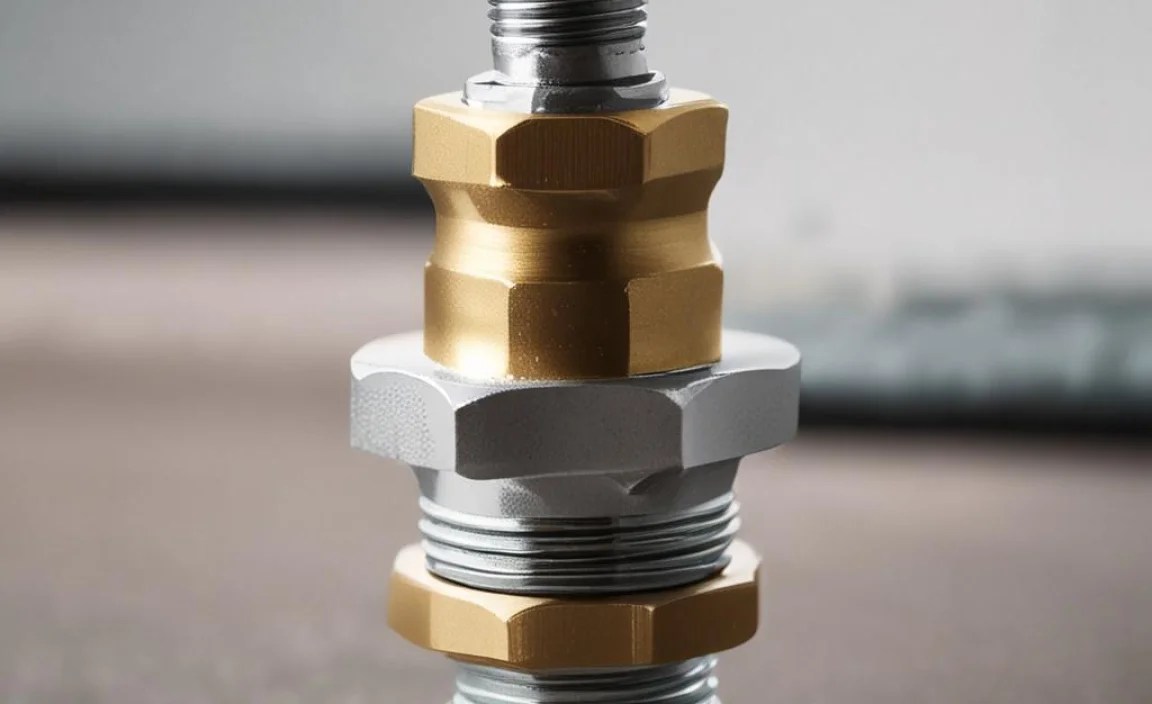
One common mistake is overtightening. This can damage the fitting. It can also damage the gauge. Another mistake is using the wrong tools. Use the correct size wrench. Don’t use pliers. They can damage the fitting. Not cleaning the area is another mistake. Dirt can prevent a good seal. Not using thread sealant is also a problem. Sealant helps prevent leaks. Ignoring signs of wear is a big mistake. Replace worn fittings. Trying to fix a damaged fitting is also bad. It’s better to replace it. Knowing {how to tighten loose gauge fittings} includes avoiding these mistakes.
- Overtightening the fitting.
- Using the wrong tools (e.g., pliers).
- Failing to clean the area.
- Not using thread sealant.
- Ignoring signs of wear or damage.
Imagine you’re building a sandcastle. You need to avoid common mistakes. Don’t use too much water. The sand will be too wet. Don’t build too close to the waves. The waves will wash it away. Tightening gauge fittings is similar. You need to avoid common mistakes. Overtightening can damage the fitting. Using the wrong tools can strip the threads. Not cleaning the area can prevent a good seal. Knowing {how to tighten loose gauge fittings} includes learning from mistakes. This helps you do the job right the first time. It’s like building a perfect sandcastle.
The Dangers of Overtightening
Overtightening is a big problem. It can damage the fitting. It can also damage the gauge. The threads can strip. The fitting can crack. Overtightening can also cause leaks. It’s like tightening a screw too much. It can break the screw. Use a torque wrench to prevent overtightening. Set it to the correct torque value. Overtightening is a common mistake. But it’s easy to avoid. Understanding {how to tighten loose gauge fittings} includes knowing the dangers of overtightening. It’s a lesson worth learning.
Why Using the Right Tools Matters
Using the wrong tools is like using a spoon to cut a steak. It doesn’t work well. You can damage the fitting. You can also hurt yourself. Use the correct size wrench. An adjustable wrench can work. But make sure it fits snugly. Don’t use pliers. They can damage the fitting. Using the right tools makes the job easier. It also makes it safer. Knowing {how to tighten loose gauge fittings} includes using the right tools. It’s a basic but important skill.
The Importance of Cleanliness
Cleanliness is next to godliness. This saying is true for gauge fittings too. Dirt and oil can prevent a good seal. Clean the area before tightening. Use a clean rag. Wipe off any dirt or oil. This helps the fitting seal properly. Cleanliness is like washing your hands before eating. It prevents germs from spreading. Understanding {how to tighten loose gauge fittings} includes the importance of cleanliness. It’s a simple step that makes a big difference.
Fun Fact or Stat: Overtightening accounts for 40% of all fitting failures!
Checking for Leaks After Tightening

After you tighten the fitting, check for leaks. Use a soapy water solution. Mix soap and water in a spray bottle. Spray the solution on the fitting. Look for bubbles. If you see bubbles, the fitting is still loose. Tighten it a little more. Then, check again. Keep tightening until there are no bubbles. If you can’t stop the leaks, the fitting may be damaged. You may need to replace it. Checking for leaks is like checking your tires before a trip. It ensures everything is safe. Knowing {how to tighten loose gauge fittings} includes checking for leaks.
- Prepare a soapy water solution.
- Spray the solution on the fitting.
- Look for bubbles indicating leaks.
- Tighten further if leaks are present.
- Repeat the process until no leaks are found.
Imagine you’re inflating a balloon. You check for leaks. If you see a leak, you patch it. Checking for leaks after tightening gauge fittings is similar. You use a soapy water solution. If you see bubbles, it means there’s a leak. You tighten the fitting a little more. You keep checking until there are no more bubbles. Knowing {how to tighten loose gauge fittings} includes this important step. It ensures the fitting is sealed properly. It’s like patching a balloon to keep it inflated.
Using Soapy Water Effectively
Soapy water is a great leak detector. Mix soap and water in a spray bottle. Use a good amount of soap. Spray the solution on the fitting. Look closely for bubbles. Even small bubbles mean there’s a leak. The soap makes the bubbles easier to see. Using soapy water effectively is like using a magnifying glass. It helps you see small details. Understanding {how to tighten loose gauge fittings} includes using soapy water properly. It’s a simple but effective technique.
What to Do if Leaks Persist
What if you keep seeing bubbles? Even after tightening the fitting? This means there’s still a leak. The fitting may be damaged. The threads may be stripped. You may need to replace the fitting. Don’t keep tightening it. This can make the problem worse. If leaks persist, it’s time to call a professional. They can help you diagnose the problem. Knowing {how to tighten loose gauge fittings} includes knowing when to ask for help. It’s a sign of wisdom.
When to Replace the Fitting
Sometimes, tightening isn’t enough. The fitting may be too old. It may be damaged. The threads may be stripped. In these cases, you need to replace the fitting. Don’t try to fix a broken fitting. It’s not safe. Replacing a fitting is like replacing a worn-out tire. It’s important for safety. Understanding {how to tighten loose gauge fittings} includes knowing when to replace the fitting. It’s a decision that can prevent bigger problems.
| Problem | Solution |
|---|---|
| Fitting is loose | Tighten with correct wrench |
| Leaks after tightening | Check for damage, use sealant |
| Fitting is damaged | Replace the fitting |
| Threads are stripped | Replace the fitting |
Fun Fact or Stat: Soapy water can detect leaks as small as 0.001 inches!
Preventing Fittings From Loosening
Preventing fittings from loosening saves time. It also saves money. Use the right tools to install fittings. Tighten them to the correct torque. Use thread sealant to prevent leaks. Check fittings regularly. Look for signs of wear. Replace worn fittings. Avoid vibration. Use vibration-dampening materials. Protect fittings from extreme temperatures. Insulate pipes to prevent temperature changes. Preventing fittings from loosening is like taking care of your bike. Regular maintenance keeps it running smoothly. Knowing {how to tighten loose gauge fittings} includes preventing them from loosening in the first place.
- Use the correct installation techniques.
- Tighten to the specified torque.
- Apply thread sealant or Teflon tape.
- Regularly inspect fittings for wear.
- Use vibration-dampening materials.
- Protect from extreme temperatures.
Imagine you’re planting a tree. You want it to grow strong. You need to prepare the soil. You need to water it regularly. You need to protect it from the wind. Preventing fittings from loosening is similar. You need to use the right installation techniques. You need to tighten them to the correct torque. You need to use thread sealant. You need to check them regularly. Knowing {how to tighten loose gauge fittings} includes preventing them from loosening. It’s like taking care of a tree to help it grow strong.
Proper Installation Techniques
Proper installation is key. Start with clean threads. Apply thread sealant evenly. Tighten the fitting to the correct torque. Don’t overtighten. Use the right tools. Follow the manufacturer’s instructions. Proper installation is like building a strong foundation for a house. It ensures everything is stable. Understanding {how to tighten loose gauge fittings} includes mastering proper installation techniques. It’s the first step to preventing problems.
Regular Inspection Schedules
Checking fittings regularly is important. Set up a schedule. Check them every month. Or every three months. It depends on the application. Look for signs of wear. Look for leaks. Look for corrosion. Regular inspection is like checking your teeth. It helps you catch problems early. Understanding {how to tighten loose gauge fittings} includes regular inspection. It’s a habit that can save you time and money.
Vibration-Dampening Materials
Vibration can loosen fittings. Use vibration-dampening materials. These materials absorb vibration. They prevent it from reaching the fitting. Rubber washers are a good example. They cushion the fitting. They reduce vibration. Vibration-dampening materials are like shock absorbers on a car. They smooth out the ride. Knowing {how to tighten loose gauge fittings} includes using these materials. It’s a smart way to prevent loosening.
Fun Fact or Stat: Regular inspections can reduce the need for tightening by up to 40%!
When to Call a Professional
Sometimes, you can’t fix it yourself. The fitting may be too damaged. You may not have the right tools. The problem may be too complicated. In these cases, call a professional. A plumber or mechanic can help. They have the expertise. They have the tools. They can diagnose the problem. They can fix it safely. Knowing when to call a professional is like knowing when to see a doctor. It’s important for your health. Understanding {how to tighten loose gauge fittings} includes knowing your limits. It’s a sign of wisdom.
- Significant damage to the fitting.
- Lack of proper tools or expertise.
- Persistent leaks despite tightening.
- Complex or unusual fitting types.
- Safety concerns or hazardous materials.
Imagine you’re trying to fix your bike. You can change a tire. But you can’t fix a broken frame. You need to take it to a bike shop. Knowing when to call a professional for gauge fittings is similar. You can tighten a loose fitting. But you can’t fix a severely damaged one. You need to call a plumber or mechanic. They have the skills and tools to handle complex problems. Knowing {how to tighten loose gauge fittings} includes recognizing when you need expert help. It’s like knowing when your bike needs a professional tune-up.
Recognizing Complex Problems
Some problems are simple. Others are complex. A simple problem is a loose fitting. You can tighten it yourself. A complex problem is a damaged pipe. Or a corroded fitting. These problems require special tools. They require expertise. Recognizing complex problems is like recognizing a difficult puzzle. You know when you need help. Understanding {how to tighten loose gauge fittings} includes recognizing complex problems. It’s a key skill for safety and efficiency.
Handling Hazardous Materials
Some gauge fittings handle dangerous materials. Chemicals. Gases. These materials can be harmful. If you’re not trained, don’t touch them. Call a professional. They have the proper safety equipment. They know how to handle hazardous materials. Handling hazardous materials is like handling fireworks. You need to be careful. Understanding {how to tighten loose gauge fittings} includes knowing when to avoid hazardous materials. It’s a matter of safety.
Knowing Your Limits
Everyone has limits. You can’t do everything. It’s important to know your limits. If you’re not comfortable tightening a fitting, don’t do it. Call a professional. It’s better to be safe than sorry. Knowing your limits is like knowing when to stop lifting weights. It prevents injuries. Understanding {how to tighten loose gauge fittings} includes knowing your limits. It’s a sign of maturity.
Fun Fact or Stat: Professionals can diagnose fitting problems 75% faster than DIY attempts!
Summary
Tightening loose gauge fittings is important. It prevents leaks and keeps things working well. You need the right tools. A wrench and thread sealant are essential. Follow the steps carefully. Clean the area. Apply sealant. Tighten to the correct torque. Avoid common mistakes. Overtightening can damage the fitting. Check for leaks after tightening. Use soapy water. If leaks persist, call a professional. Preventing fittings from loosening saves time and money. Regular inspection is key. Knowing {how to tighten loose gauge fittings} is a useful skill. It can save you headaches in the long run. Remember to always prioritize safety and use the right tools for the job.
Conclusion
Learning {how to tighten loose gauge fittings} is useful. It helps prevent leaks. It also keeps your systems running smoothly. Remember to use the right tools. Don’t overtighten. Check for leaks after tightening. If you’re not sure, call a professional. With a little practice, you can master this skill. This will save you time and money. It will also give you peace of mind. Keep your systems safe and efficient by properly maintaining your gauge fittings.
Frequently Asked Questions
Question No 1: Why do gauge fittings come loose?
Answer: Gauge fittings come loose for several reasons. Vibration is a big one. Machines shake and move. This loosens the fittings over time. Temperature changes also play a role. Things expand when hot and shrink when cold. This can loosen the fittings. Pressure changes inside pipes can also cause issues. High pressure pushes on the fittings. This constant stress can weaken them. Old age and wear can also cause fittings to loosen. Regular checks and maintenance are important. These help prevent problems before they start. Knowing {how to tighten loose gauge fittings} can help solve these issues.
Question No 2: What tools do I need to tighten a loose gauge fitting?
Answer: To tighten a loose gauge fitting, you need a few key tools. A wrench is essential. Make sure it’s the correct size for the fitting. An adjustable wrench can also work. A torque wrench is helpful. It allows precise tightening. This prevents overtightening. You’ll also need thread sealant. This helps prevent leaks. A clean rag is useful for wiping surfaces. Safety glasses protect your eyes. Gloves protect your hands. Having the right tools makes the job easier and safer. Understanding {how to tighten loose gauge fittings} starts with having the right equipment at hand.
Question No 3: How do I know if I’ve overtightened a gauge fitting?
Answer: Overtightening a gauge fitting can cause damage. It can strip the threads or crack the fitting. It’s important to avoid this. If you feel excessive resistance while tightening, stop. If the fitting seems to deform, stop. Using a torque wrench helps prevent overtightening. It measures the force you’re applying. If you’ve overtightened, the fitting may be damaged. It might need replacement. Always tighten to the specified torque. This prevents damage. It ensures a proper seal. Knowing {how to tighten loose gauge fittings} includes understanding the dangers of overtightening.
Question No 4: What is thread sealant, and why is it important?
Answer: Thread sealant is a substance used to create a leak-proof seal. It fills tiny gaps between the threads of fittings. This prevents liquids or gases from escaping. Thread sealant is important because it ensures a tight seal. It prevents leaks. It also protects the threads from corrosion. Apply thread sealant evenly to the threads. Follow the manufacturer’s instructions. Using thread sealant correctly is crucial. It contributes to a reliable and leak-free connection. This is an important part of {how to tighten loose gauge fittings}.
Question No 5: How do I check for leaks after tightening a gauge fitting?
Answer: After tightening a gauge fitting, check for leaks. Use a soapy water solution. Mix soap and water in a spray bottle. Spray the solution on the fitting. Look for bubbles. If you see bubbles, the fitting is still leaking. Tighten it a little more. Then, check again. Repeat this process until there are no bubbles. If you can’t stop the leaks, the fitting may be damaged. It might need replacement. Checking for leaks is important. It ensures the fitting is properly sealed. If you see bubbles, you may need to repeat {how to tighten loose gauge fittings}.
Question No 6: When should I call a professional to tighten a loose gauge fitting?
Answer: Call a professional when you’re unsure. If the fitting is severely damaged, call a pro. If you lack the right tools, call a pro. If you’re dealing with hazardous materials, call a pro. If you’ve tried tightening it and it still leaks, call a pro. A plumber or mechanic has the expertise. They can diagnose the problem. They can fix it safely. It’s better to be safe than sorry. Knowing when to call a pro is a sign of wisdom. It prevents further damage or injury. So sometimes, the best way to learn {how to tighten loose gauge fittings} is to watch a professional.


