
Do You HAVE To Wash Pump Parts After Every Pump?

Quick Summary: No, you don’t have to wash your breast pump parts after every single pumping session. Washing after each use is ideal, but if you’re pumping frequently, you can store the parts in the refrigerator between sessions to prevent bacteria growth. Just be sure to wash all the parts thoroughly at least once every 24 hours.
Pumping breast milk is a lifesaver for many moms, but keeping up with all the equipment can feel overwhelming. One of the most common questions is, “Do I really need to wash all these pump parts every time?” It’s a valid concern! Juggling work, baby care, and household chores leaves little time for extra tasks. The good news is, there are ways to streamline the process without sacrificing hygiene. Let’s explore the guidelines for cleaning your pump parts so you can keep your baby healthy and your sanity intact.
Understanding Breast Pump Hygiene
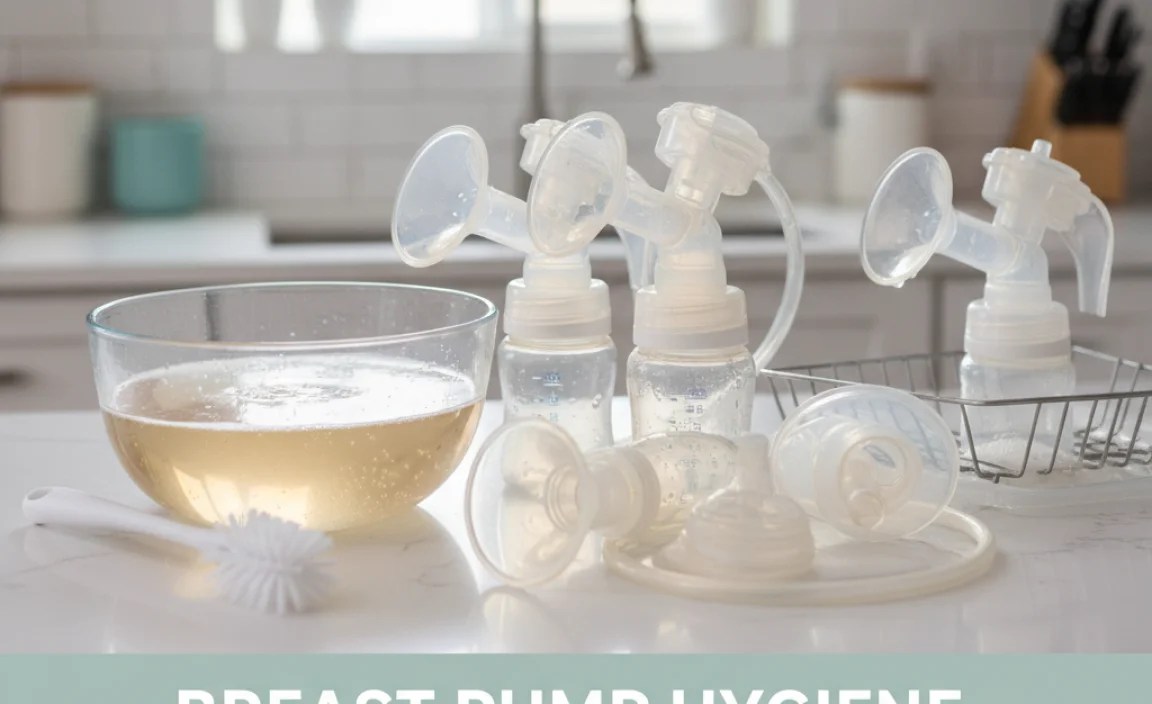
Maintaining good hygiene with your breast pump is crucial for protecting your baby from harmful bacteria and infections. Breast milk is a nutritious substance, but it can also be a breeding ground for germs if not handled properly. Proper cleaning and storage of your pump parts will help keep your baby safe and healthy.
Why is Cleaning Important?
Bacteria can grow quickly in breast milk residue left on pump parts. These bacteria can then contaminate the milk expressed in subsequent sessions, potentially leading to illness in your baby. Regular cleaning removes this residue and minimizes the risk of contamination.
What Happens if You Don’t Clean Regularly?
If you don’t clean your pump parts regularly, you risk:
- Bacterial Contamination: Harmful bacteria like Staphylococcus aureus and E. coli can thrive in milk residue.
- Thrush: Yeast infections can be transmitted between you and your baby through contaminated pump parts.
- Mold Growth: In humid environments, mold can grow on pump parts that aren’t cleaned and dried properly.
- Reduced Milk Supply: Although less direct, constant worry and stress about contamination can impact your overall well-being, potentially affecting milk supply.
CDC Guidelines for Cleaning Pump Parts
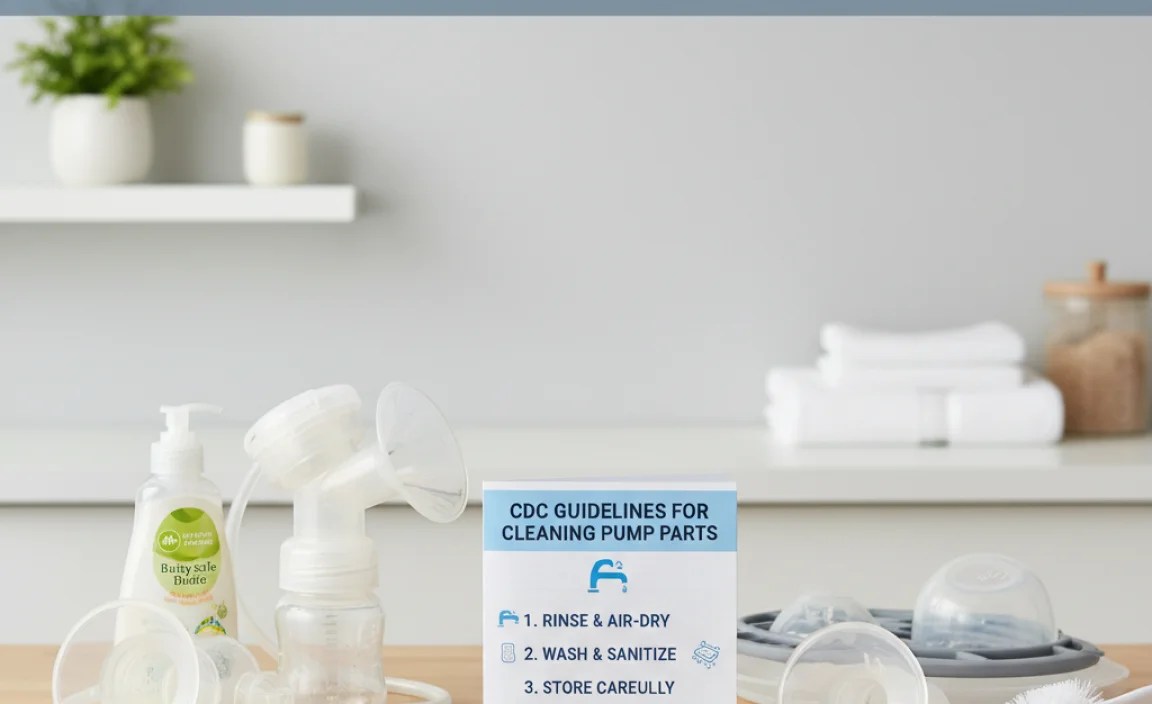
The Centers for Disease Control and Prevention (CDC) provides clear guidelines on how to clean and sanitize breast pump parts. These guidelines are designed to ensure the safety of your breast milk and protect your baby from harmful bacteria.
Key Recommendations from the CDC
Here’s a summary of the CDC’s recommendations for cleaning breast pump parts:
- Wash After Each Use: Ideally, pump parts should be washed after every use.
- Safe Storage: If washing after each use isn’t possible, store parts in the refrigerator in a clean, resealable bag or container.
- Daily Cleaning: At least once a day, thoroughly clean all pump parts with soap and water.
- Sanitize Regularly: Sanitize pump parts at least once a day, especially if your baby is younger than 3 months, was born prematurely, or has a weakened immune system.
You can find more detailed information on the CDC website: CDC Breastfeeding Recommendations.
The Refrigerator Hack: A Practical Solution
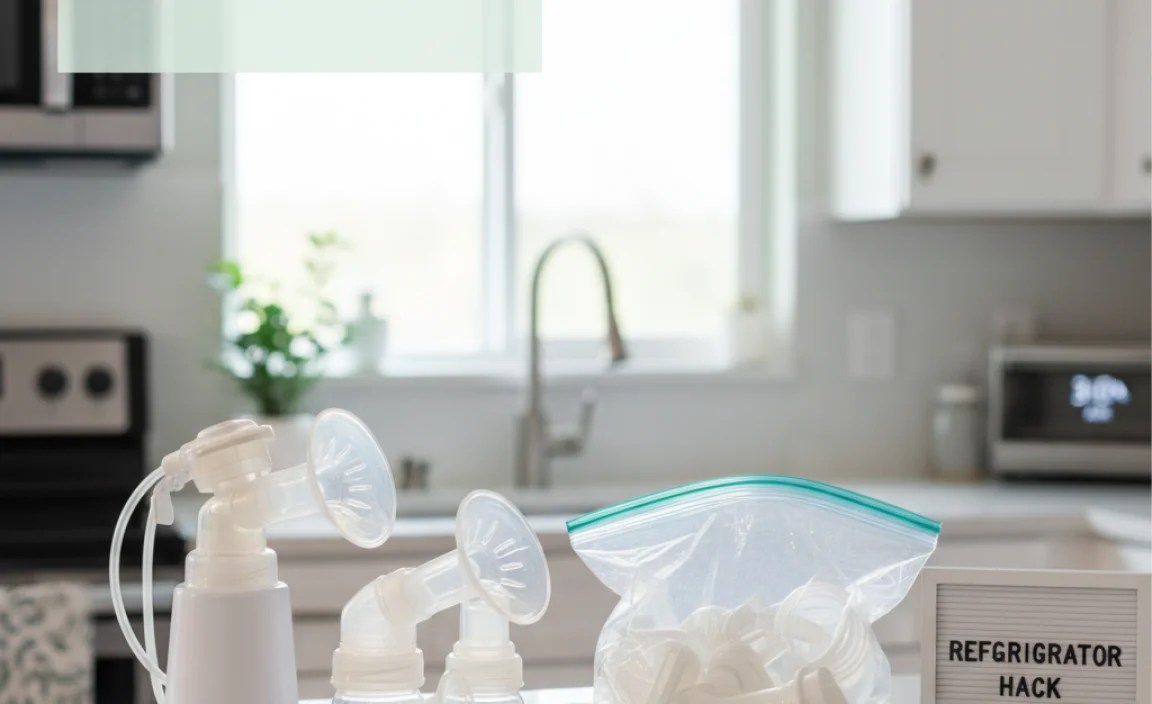
Many moms find it challenging to wash pump parts after every single session, especially when pumping multiple times a day. The “refrigerator hack” is a practical way to reduce the cleaning frequency without compromising hygiene.
How the Refrigerator Hack Works
The idea behind this hack is simple: refrigeration slows down the growth of bacteria. After pumping, instead of washing the parts immediately, you store them in a clean, resealable bag or container in the refrigerator. This method is suitable if you plan to pump again within a few hours.
Steps for Using the Refrigerator Hack
- After Pumping: Carefully detach the pump parts that come into contact with breast milk (flanges, bottles, valves, and membranes).
- Rinse (Optional): Some moms prefer to rinse the parts with cool, clean water before refrigerating, but this step isn’t mandatory.
- Store: Place the parts in a clean, resealable bag or container. Ensure the container is airtight to prevent contamination.
- Refrigerate: Store the bag or container in the refrigerator until your next pumping session.
- Wash Daily: Remember to wash all pump parts thoroughly with soap and water at least once every 24 hours.
Important Considerations for the Refrigerator Hack
- Time Limit: Don’t leave pump parts in the refrigerator for more than 24 hours.
- Cleanliness: Ensure your refrigerator is clean to minimize the risk of contamination.
- Baby’s Health: If your baby is premature, has a weakened immune system, or is prone to infections, it’s best to wash pump parts after every use.
Step-by-Step Guide to Washing Pump Parts

When it’s time to wash your pump parts, follow these steps for thorough cleaning:
Supplies You’ll Need
- Warm water
- Dish soap (choose a mild, fragrance-free formula)
- Clean wash basin or sink
- Bottle brush
- Clean drying rack or paper towels
Washing Instructions
- Disassemble: Take apart all the pump parts that come into contact with breast milk.
- Rinse: Rinse each part under warm running water to remove any remaining milk residue.
- Wash: Fill a clean wash basin or sink with warm water and add dish soap. Wash each part thoroughly, using a bottle brush to scrub hard-to-reach areas.
- Rinse Again: Rinse each part again under warm running water to remove all traces of soap.
- Dry: Place the parts on a clean drying rack or pat them dry with a clean paper towel. Ensure they are completely dry before reassembling.
Sanitizing Pump Parts: When and How
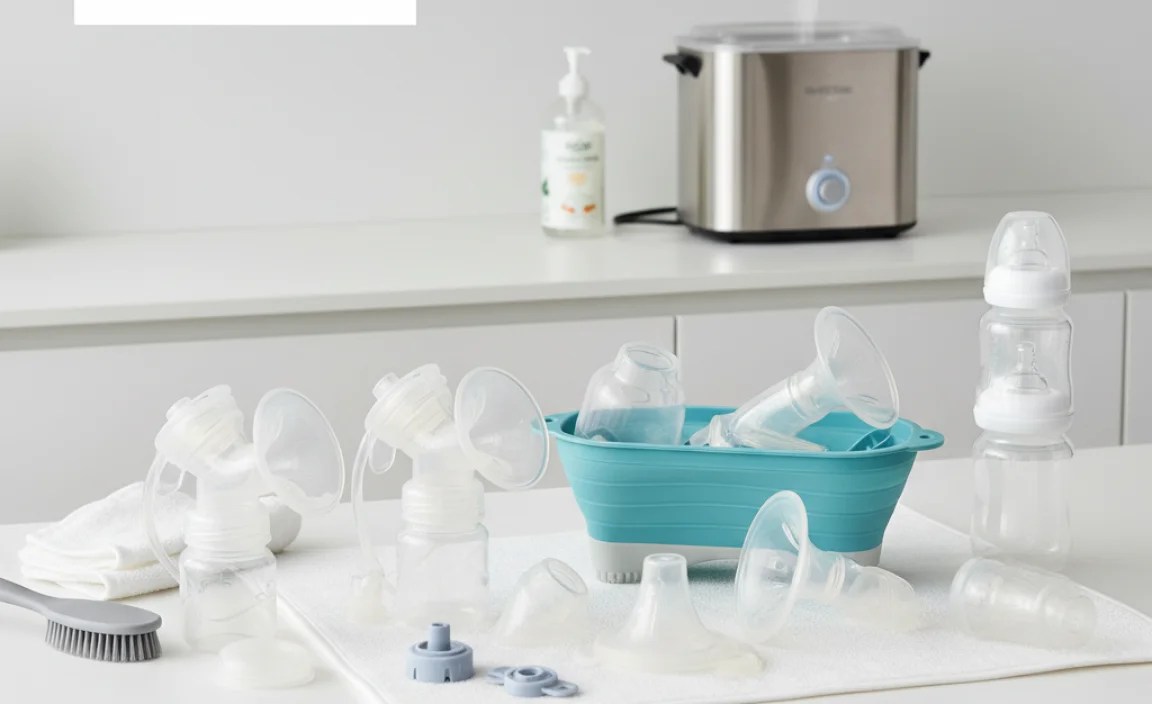
Sanitizing pump parts provides an extra layer of protection against bacteria, especially for vulnerable babies. Here’s when and how to sanitize:
When to Sanitize
- First Use: Sanitize all new pump parts before using them for the first time.
- Regularly: Sanitize pump parts at least once a day, especially if your baby is under 3 months old, was born prematurely, or has a weakened immune system.
- After Illness: Sanitize pump parts after you or your baby has been sick.
Sanitizing Methods
There are several ways to sanitize pump parts:
Boiling
- Prepare: Place the clean pump parts in a pot and cover them with water.
- Boil: Bring the water to a rolling boil and let the parts boil for 5 minutes.
- Dry: Carefully remove the parts from the pot and allow them to air dry completely on a clean surface.
Steaming
You can use a microwave steam bag or an electric steam sterilizer to sanitize pump parts.
- Microwave Steam Bag: Follow the manufacturer’s instructions for using the steam bag. Typically, you’ll add water to the bag, place the pump parts inside, and microwave for the recommended time.
- Electric Steam Sterilizer: Place the pump parts in the sterilizer and follow the manufacturer’s instructions.
Dishwasher
Some pump parts are dishwasher-safe. Check the manufacturer’s instructions to confirm. If using a dishwasher:
- Placement: Place the pump parts in the top rack of the dishwasher.
- Cycle: Use a hot water cycle and a heated drying cycle.
Pump Parts Material and Cleaning
Breast pump parts are typically made from plastic or silicone, each requiring specific care to maintain their integrity and hygiene.
Plastic Parts
Most pump parts, such as flanges and bottles, are made from BPA-free plastic. These parts are generally durable but can degrade over time with repeated washing and sanitizing.
- Washing: Wash plastic parts with warm, soapy water and a bottle brush.
- Sanitizing: Plastic parts can be boiled, steamed, or washed in the dishwasher (top rack).
- Inspection: Regularly inspect plastic parts for cracks, cloudiness, or damage. Replace them if necessary.
Silicone Parts
Valves and membranes are often made from silicone, which is more delicate than plastic. Silicone can tear or warp if not handled carefully.
- Washing: Wash silicone parts gently with warm, soapy water. Avoid using abrasive scrub brushes.
- Sanitizing: Silicone parts can be boiled or steamed. Avoid placing them in the dishwasher, as the high heat can damage them.
- Inspection: Check silicone parts regularly for tears, holes, or stickiness. Replace them if necessary.
Troubleshooting Common Cleaning Issues
Even with the best intentions, you might encounter some challenges when cleaning your pump parts. Here are some common issues and how to address them:
Cloudy or Discolored Parts
Hard water or mineral buildup from breast milk can cause pump parts to become cloudy or discolored.
- Solution: Soak the parts in a mixture of white vinegar and water (1:1 ratio) for 30 minutes. Then, wash and rinse thoroughly.
Lingering Odor
Sometimes, pump parts can retain a milky odor even after washing.
- Solution: Soak the parts in a baking soda solution (1 tablespoon of baking soda per cup of water) for 30 minutes. Then, wash and rinse thoroughly.
Mold Growth
In humid environments, mold can grow on pump parts that aren’t dried properly.
- Solution: If you find mold, discard the affected parts immediately. Mold can be harmful to your baby. Ensure all parts are completely dry after washing to prevent future growth.
Creating a Cleaning Schedule
Establishing a cleaning schedule can help you stay on top of pump part hygiene. Here’s a sample schedule:
| Task | Frequency | Details |
|---|---|---|
| Rinse | After each use | Rinse parts with cool, clean water (optional). |
| Wash | At least once every 24 hours | Wash all parts thoroughly with warm, soapy water. |
| Sanitize | Daily | Sanitize parts using boiling, steaming, or dishwasher (if applicable). |
| Inspect | Weekly | Check parts for damage, wear, or discoloration. |
Choosing the Right Cleaning Supplies
Selecting the right cleaning supplies can make the process easier and more effective. Here are some recommendations:
Dish Soap
Opt for a mild, fragrance-free dish soap specifically designed for baby bottles and pump parts. These soaps are gentle and won’t leave behind any harmful residue.
Bottle Brush
A good bottle brush is essential for cleaning hard-to-reach areas. Choose a brush with soft bristles to avoid scratching the pump parts.
Drying Rack
A dedicated drying rack for baby bottles and pump parts helps ensure they dry properly and stay clean.
Travel Considerations
Maintaining pump hygiene while traveling requires extra planning. Here are some tips:
- Pack Cleaning Supplies: Bring dish soap, a bottle brush, and resealable bags or containers for storing pump parts.
- Use Sanitizing Wipes: Consider using sanitizing wipes specifically designed for pump parts for quick cleaning on the go.
- Access to Clean Water: Ensure you have access to clean water for washing and rinsing.
- Storage: If you can’t wash pump parts immediately, store them in the refrigerator or use a cooler with ice packs.
Expert Tips for Efficient Cleaning
Here are some additional tips from lactation consultants and experienced moms to make cleaning pump parts more efficient:
- Designate a Cleaning Station: Set up a dedicated area in your kitchen for cleaning and drying pump parts.
- Batch Cleaning: If you have multiple sets of pump parts, wash them all at once to save time.
- Use a Dishwasher Basket: Place small parts like valves and membranes in a dishwasher basket to prevent them from getting lost or damaged.
- Replace Parts Regularly: Replace pump parts according to the manufacturer’s recommendations to ensure optimal performance and hygiene.
FAQ: Cleaning Breast Pump Parts
1. How often should I wash my breast pump parts?
Ideally, wash your breast pump parts after every use. If that’s not possible, you can store them in the refrigerator in a clean, resealable bag or container between pumping sessions. However, make sure to wash all parts thoroughly with soap and water at least once every 24 hours.
2. Can I put my breast pump parts in the dishwasher?
Some breast pump parts are dishwasher-safe, but it depends on the manufacturer. Check the instructions that came with your pump. Generally, it’s best to put smaller parts in a basket on the top rack to prevent them from melting or getting lost.
3. Is it okay to just rinse my pump parts instead of washing them?
Rinsing can remove some milk residue, but it’s not a substitute for thorough washing with soap and water. Rinsing alone won’t kill bacteria. Always wash your pump parts properly to protect your baby from potential infections.
4. How do I sanitize my breast pump parts?
You can sanitize your breast pump parts by boiling them for 5 minutes, using a steam sterilizer, or running them through the dishwasher on a sanitizing cycle (if they are dishwasher-safe). Sanitize at least once a day, especially if your baby is young or has health issues.
5. What’s the best way to dry my pump parts after washing?
Allow your pump parts to air dry completely on a clean drying rack or a clean, unused paper towel. Avoid using a cloth towel, as it can harbor bacteria. Make sure all parts are fully dry before reassembling your pump.
6. How often should I replace my breast pump parts?
Replace your breast pump parts according to the manufacturer’s recommendations. Generally, replace valves and membranes every 2-8 weeks, depending on usage. Other parts, like flanges and bottles, can be replaced as needed if they show signs of wear or damage.
7. Can I use soap and water to clean my pump tubing?
Generally, pump tubing doesn’t need to be cleaned unless milk gets inside. If that happens, detach the tubing from the pump and wash it with warm, soapy water. Rinse thoroughly and hang to air dry. If you notice mold or persistent moisture, replace the tubing.
Conclusion
Maintaining good hygiene for your breast pump parts is essential for your baby’s health. While washing after every use is ideal, the refrigerator hack offers a practical solution for busy moms. By following the CDC guidelines, establishing a cleaning schedule, and using the right supplies, you can ensure your pump parts are clean and safe for your baby. Remember to sanitize regularly, especially if your baby is vulnerable, and always replace parts as recommended by the manufacturer. With a little planning and effort, you can confidently provide your baby with the benefits of breast milk while keeping them safe from harmful bacteria.


