
What is a Smart Head Chuck? Powerful Benefits!

A smart head chuck is a bike pump attachment that makes inflating tires easier. It usually has features like a lever to lock onto the valve, compatibility with both Presta and Schrader valves, and sometimes a pressure gauge. It’s designed to give you a secure, leak-free connection, so you can pump up your tires quickly and accurately.
Ever struggled to get your bike pump properly attached to your tire valve? It’s a common frustration! You pump and pump, but more air seems to escape than enter your tire. A smart head chuck can solve this problem. It’s designed to make inflating your tires simpler and more efficient. You’ll get a secure, airtight connection every time.
In this guide, I’ll walk you through exactly what a smart head chuck is, how it works, and why it might be the perfect upgrade for your cycling toolkit. We’ll cover the different types, how to use them, and even some troubleshooting tips. Get ready to say goodbye to wobbly connections and hello to perfectly inflated tires!
Understanding Smart Head Chucks
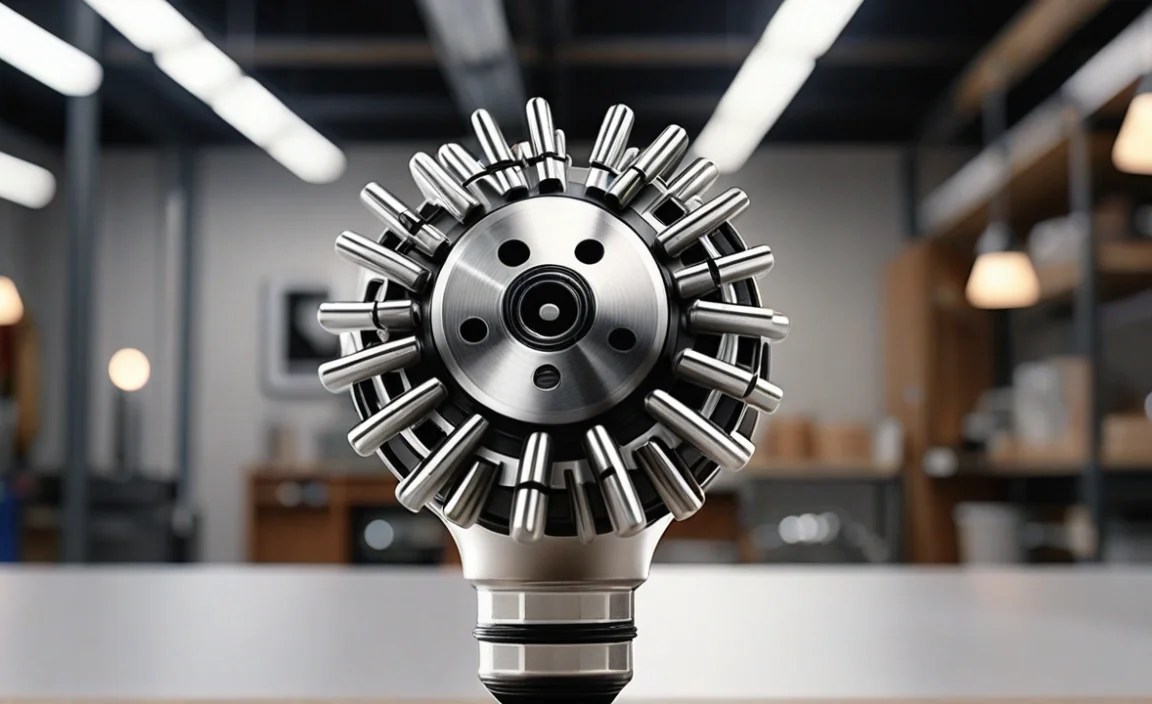
Let’s dive into what makes a smart head chuck so special. It’s more than just a simple pump attachment; it’s an engineered solution to common inflation problems.
What is a Smart Head Chuck?
A smart head chuck is a specialized nozzle on a bike pump designed to connect easily and securely to both Presta and Schrader valves. The key feature is its ability to automatically adjust or be quickly configured to fit either valve type without needing to disassemble or change parts. This offers a hassle-free experience when inflating different types of tires.
Key Features of a Smart Head Chuck
Here are some of the features that make smart head chucks stand out:
- Dual Compatibility: Works with both Presta and Schrader valves.
- Easy Attachment: Often features a lever or locking mechanism for a secure, airtight seal.
- Pressure Gauge Integration: Many models include a built-in pressure gauge for accurate inflation.
- Durable Materials: Made from robust materials like aluminum or high-strength plastics.
- Ergonomic Design: Designed for comfortable handling and ease of use.
Why Use a Smart Head Chuck?
Here’s why a smart head chuck is a worthwhile addition to your cycling gear:
- Convenience: Quickly switch between Presta and Schrader valves without any fuss.
- Efficiency: Secure connection minimizes air leakage, ensuring efficient inflation.
- Accuracy: Integrated pressure gauges help you achieve the perfect tire pressure.
- Durability: Built to last, providing reliable performance for years.
- Ease of Use: Simple design makes it easy for anyone, regardless of experience, to inflate tires correctly.
Types of Smart Head Chucks

Smart head chucks come in various designs, each with its own set of advantages. Knowing the different types can help you choose the one that best suits your needs.
Automatic (Auto-Adjust) Head Chucks
Automatic head chucks are designed to automatically detect and adjust to either Presta or Schrader valves. Here’s what you need to know:
- How They Work: These chucks use an internal mechanism that senses the valve type and adjusts accordingly.
- Pros: Simple to use, no manual adjustments needed.
- Cons: Can be more expensive, may not work as well with damaged or bent valves.
Dual-Head Chucks
Dual-head chucks have two separate openings, one for Presta and one for Schrader valves. To use, you simply select the appropriate opening based on your valve type.
- How They Work: Each opening is specifically designed for one valve type, ensuring a secure fit.
- Pros: Reliable, provides a secure connection for both valve types.
- Cons: Requires manually selecting the correct opening.
Thread-On Chucks
Thread-on chucks screw onto the valve stem, providing an extremely secure connection. These are often favored for high-pressure applications.
- How They Work: The chuck threads onto the valve, creating a tight seal.
- Pros: Very secure, ideal for high-pressure tires.
- Cons: Can be slower to attach and detach, may require more care to avoid damaging the valve.
Lever-Lock Chucks
Lever-lock chucks use a lever to clamp onto the valve. This design is common and generally easy to use.
- How They Work: Place the chuck on the valve and flip the lever to create a secure connection.
- Pros: Quick and easy to use, provides a good seal.
- Cons: The lever mechanism can wear out over time.
How to Use a Smart Head Chuck

Using a smart head chuck is straightforward, but here’s a step-by-step guide to ensure you get it right.
Step-by-Step Guide
- Prepare the Valve: For Presta valves, unscrew the valve nut. For Schrader valves, remove any dust cap.
- Attach the Chuck: Depending on the type of chuck:
- Auto-Adjust: Simply press the chuck onto the valve.
- Dual-Head: Select the correct opening and press onto the valve.
- Thread-On: Screw the chuck onto the valve stem.
- Lever-Lock: Place the chuck on the valve and flip the lever to lock it in place.
- Inflate the Tire: Begin pumping, using the pressure gauge (if available) to monitor the pressure.
- Detach the Chuck: Depending on the chuck type:
- Auto-Adjust/Dual-Head: Gently pull the chuck straight off the valve.
- Thread-On: Unscrew the chuck from the valve.
- Lever-Lock: Flip the lever to release the chuck and pull it off.
- Secure the Valve: For Presta valves, tighten the valve nut. For Schrader valves, replace the dust cap.
Tips for a Secure Connection
To ensure a leak-free connection, keep these tips in mind:
- Clean the Valve: Wipe the valve stem to remove any dirt or debris.
- Check the Chuck: Ensure the chuck is clean and free from damage.
- Apply Firm Pressure: When attaching the chuck, apply firm, even pressure to create a good seal.
- Listen for Leaks: If you hear air escaping, readjust the chuck until the leak stops.
Using a Pressure Gauge
Many smart head chucks come with built-in pressure gauges. Here’s how to use them effectively:
- Read the Gauge: Monitor the pressure while pumping to avoid over- or under-inflating your tires.
- Know Your Tire Pressure: Check the recommended pressure range on your tire sidewall.
- Adjust Accordingly: Inflate to the correct pressure for your riding conditions and preferences.
Troubleshooting Common Issues

Even with a smart head chuck, you might encounter some issues. Here’s how to troubleshoot them.
Air Leaks
Air leaks are a common problem. Here’s how to address them:
- Check the Connection: Make sure the chuck is securely attached to the valve.
- Inspect the Valve: Look for damage or debris on the valve stem.
- Replace the Chuck: If the chuck is worn or damaged, consider replacing it.
Difficulty Attaching the Chuck
If you’re having trouble attaching the chuck, try these solutions:
- Clean the Chuck and Valve: Dirt or debris can prevent a secure connection.
- Lubricate the Chuck: A small amount of silicone-based lubricant can help.
- Adjust the Chuck: Some chucks have adjustable parts that can be tightened or loosened.
Inaccurate Pressure Readings
If the pressure gauge seems inaccurate, here’s what to do:
- Calibrate the Gauge: Some gauges can be calibrated using a reference pressure.
- Check the Battery: If it’s a digital gauge, make sure the battery is good.
- Replace the Gauge: If the gauge is consistently inaccurate, it may need to be replaced.
Maintaining Your Smart Head Chuck
Proper maintenance will extend the life of your smart head chuck and ensure it performs reliably.
Cleaning
Regular cleaning prevents dirt and debris from interfering with the chuck’s operation.
- Wipe After Use: Wipe the chuck with a clean cloth after each use.
- Deep Clean Periodically: Disassemble the chuck (if possible) and clean the parts with mild soap and water.
- Dry Thoroughly: Ensure all parts are completely dry before reassembling.
Storage
Proper storage protects the chuck from damage and wear.
- Store in a Clean, Dry Place: Keep the chuck in a toolbox or storage bag.
- Avoid Extreme Temperatures: Extreme heat or cold can damage the materials.
- Protect from Impact: Avoid dropping or exposing the chuck to heavy impacts.
Inspection
Regular inspection helps you identify and address potential issues before they become major problems.
- Check for Wear: Look for worn or damaged parts, such as seals or levers.
- Inspect for Corrosion: Check for signs of rust or corrosion.
- Test the Connection: Periodically test the chuck to ensure it provides a secure, leak-free connection.
Choosing the Right Smart Head Chuck
With so many options available, selecting the right smart head chuck can be overwhelming. Here’s what to consider.
Valve Compatibility
Ensure the chuck is compatible with the types of valves you use most often.
- Presta vs. Schrader: Decide if you need a chuck that works with both or only one type.
- Valve Length: Some chucks may not work well with very short valve stems.
- Valve Condition: Check if the chuck is compatible with valves that might be slightly bent or damaged.
Material and Durability
Choose a chuck made from durable materials that can withstand regular use.
- Aluminum: Lightweight and durable, but can be more expensive.
- High-Strength Plastic: Affordable and resistant to corrosion, but may not be as durable as aluminum.
- Steel: Very durable, but can be heavier and more prone to rust.
Ease of Use
Consider how easy the chuck is to attach, detach, and operate.
- Lever Mechanism: A smooth, easy-to-use lever can make inflation quicker and easier.
- Ergonomic Design: A comfortable grip can reduce hand fatigue.
- Clear Instructions: Choose a chuck that comes with clear, easy-to-follow instructions.
Pressure Gauge Accuracy
If you want a pressure gauge, make sure it’s accurate and easy to read.
- Digital vs. Analog: Digital gauges are often more accurate, but analog gauges don’t require batteries.
- Display Size: A larger display is easier to read, especially in bright sunlight.
- Pressure Range: Ensure the gauge has a suitable pressure range for your tires.
Budget
Smart head chucks range in price from affordable to high-end. Set a budget and find the best option within your price range.
- Entry-Level: Affordable options that offer basic functionality.
- Mid-Range: Balance of features and price.
- High-End: Premium materials, advanced features, and superior durability.
Smart Head Chuck Comparison Table
Here is a comparison table summarizing the different types of smart head chucks to help you make an informed decision.
| Type | Compatibility | Ease of Use | Durability | Price Range |
|---|---|---|---|---|
| Automatic (Auto-Adjust) | Presta & Schrader | Very Easy | Good | $$$ |
| Dual-Head | Presta & Schrader | Easy | Excellent | $$ |
| Thread-On | Presta & Schrader (Specific Heads) | Moderate | Excellent | $$ |
| Lever-Lock | Presta & Schrader | Easy | Good | $$-$$$ |
Price Range:
- $: Under $20
- $$: $20-$40
- $$$: $40+
Benefits of Upgrading to a Smart Head Chuck
Upgrading to a smart head chuck can significantly improve your cycling experience. Here are some key benefits:
- Improved Efficiency: Reduces air leaks, making inflation faster and easier.
- Greater Accuracy: Integrated pressure gauges help you achieve the perfect tire pressure.
- Increased Convenience: Easily switch between Presta and Schrader valves.
- Enhanced Durability: High-quality materials ensure long-lasting performance.
- Reduced Frustration: Eliminates the hassle of struggling with traditional pump heads.
FAQ About Smart Head Chucks
1. What is the difference between Presta and Schrader valves?
Presta valves are narrow and commonly found on road bikes. They have a valve nut that needs to be unscrewed before inflation. Schrader valves are wider and similar to those found on car tires. They have a spring-loaded pin in the center.
2. Can a smart head chuck be used on any bike pump?
Most smart head chucks are designed to be compatible with standard bike pumps. However, it’s always a good idea to check the compatibility before purchasing. Some may require an adapter.
3. How often should I clean my smart head chuck?
You should wipe down your smart head chuck after each use and perform a deep clean every few months, depending on how frequently you use it.
4. What should I do if my smart head chuck keeps leaking air?
First, ensure the chuck is securely attached to the valve. Check for any dirt or damage on the valve or chuck. If the problem persists, the chuck may need to be replaced.
5. Are digital pressure gauges more accurate than analog gauges?
Digital pressure gauges are generally more accurate than analog gauges. However, they require batteries, which can be a drawback for some users.
6. Can I use a smart head chuck for tubeless tires?
Yes, smart head chucks can be used for tubeless tires. In fact, a secure connection is even more critical for tubeless setups to ensure proper inflation and seating of the tire.
7. Is it worth upgrading to a smart head chuck?
If you frequently inflate tires with different valve types or struggle with air leaks, a smart head chuck is definitely worth the upgrade. It can save you time, reduce frustration, and ensure your tires are always properly inflated.
Conclusion
A smart head chuck is a fantastic upgrade for any cyclist looking to simplify their tire inflation process. With its compatibility, ease of use, and added features like pressure gauges, it’s a tool that can save you time and frustration. Whether you’re a casual rider or a serious cyclist, investing in a quality smart head chuck is a decision you won’t regret. Keep your tires properly inflated, and enjoy a smoother, more efficient ride every time!


