
What is Quick Release Chuck Technology? Easy Guide

Quick Summary: Quick release chuck technology lets you quickly and easily attach and detach tools or accessories to a bike pump without threading. It’s super handy because you just push on or pull off, saving time and effort when you need to inflate your tires fast.
Ever struggled with threading a pump onto your bike tire valve, especially when you’re in a hurry? It can be fiddly and frustrating, right? Quick release chucks are here to make your life easier. They let you attach and detach your pump head in a snap, saving you time and hassle. No more struggling with threads – just quick, easy inflation.
In this guide, we’ll dive into what quick release chuck technology is all about. You’ll learn how it works, its benefits, and why it’s a game-changer for cyclists. Plus, we’ll look at some great pump options and answer common questions. Let’s get started and make your bike maintenance smoother!
Understanding Quick Release Chuck Technology
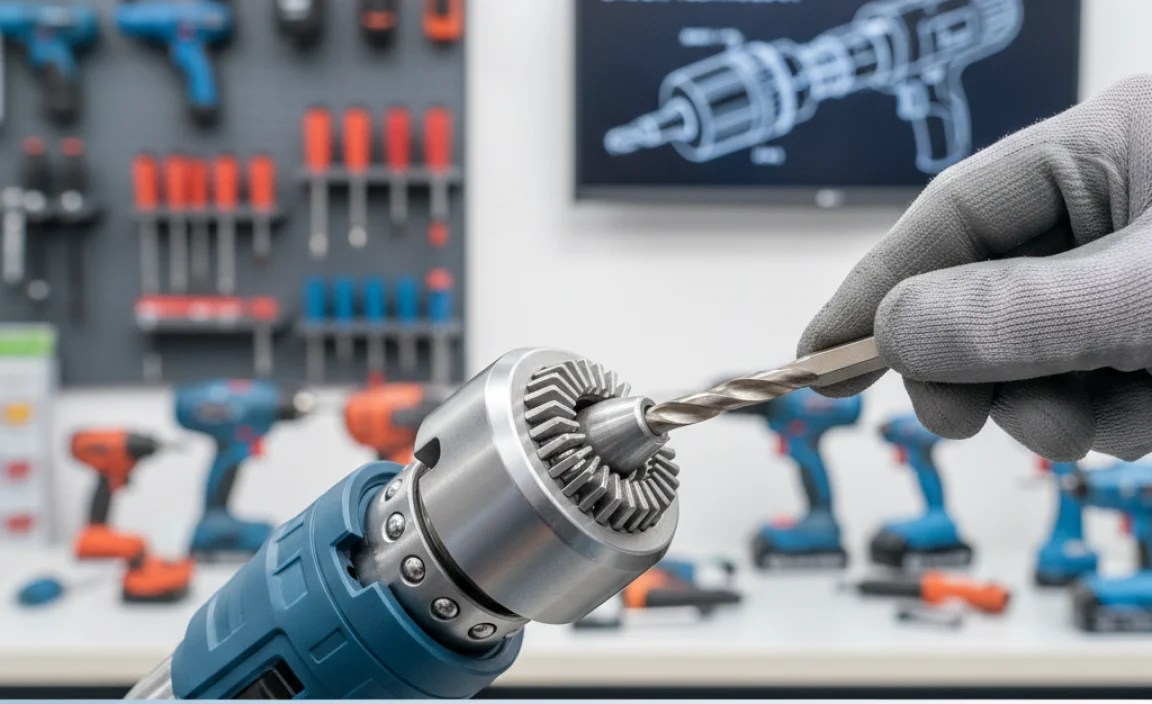
Quick release chuck technology is all about making it faster and easier to connect and disconnect your bike pump from your tire valve. Instead of screwing the pump head onto the valve (which can be slow and awkward), you simply push the chuck onto the valve to attach it and pull it off to release it. This is especially useful when you need to quickly inflate your tires before a ride or make adjustments on the go.
How Quick Release Chucks Work
The magic of quick release chucks lies in their design. They typically use an internal mechanism that grips the valve when you push the chuck on and releases it when you pull it off. Here’s a breakdown:
- Internal Gripping Mechanism: Inside the chuck, there are small components that clamp onto the valve stem when pressure is applied.
- Sealing: A rubber or synthetic seal ensures an airtight connection, preventing air from leaking out while you pump.
- Lever or Button (optional): Some quick release chucks have a lever or button that you use to lock or release the valve.
Types of Quick Release Chucks
There are two main types of quick release chucks you’ll encounter:
- Push-On Chucks: These are the simplest. You just push them onto the valve, and they grip automatically. To release, you simply pull them off.
- Lever-Lock Chucks: These have a small lever that you flip to lock the chuck onto the valve and release it. They often provide a more secure connection.
Benefits of Using Quick Release Chucks

Switching to a quick release chuck can make a big difference in your cycling experience. Here’s why:
- Speed and Convenience: The biggest advantage is how fast and easy it is to attach and detach the pump. This is great when you’re in a hurry or making quick adjustments.
- Reduced Wear and Tear on Valves: Threading and unthreading a pump head can sometimes damage the delicate threads on your tire valves. Quick release chucks eliminate this risk.
- Better Seal: Many quick release chucks provide a tighter, more secure seal than threaded connections, reducing air leakage.
- Ease of Use: They are straightforward to use, even for beginners. No more struggling to align threads or overtightening the connection.
Step-by-Step Guide: Using a Quick Release Chuck
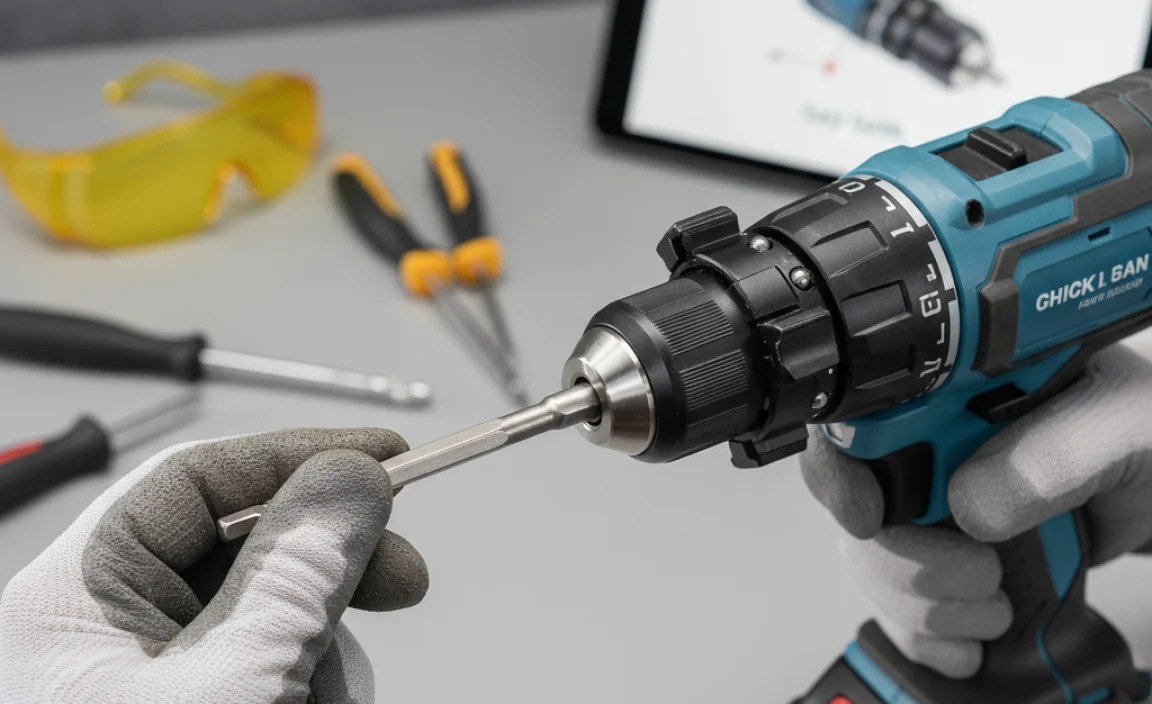
Using a quick release chuck is super simple. Here’s a step-by-step guide to get you started:
Step 1: Prepare Your Pump and Tire Valve
First, make sure your pump is in good working order and your tire valve is accessible. Remove any valve caps and check that the valve is clean.
Step 2: Attach the Chuck to the Valve
Depending on the type of chuck you have:
- Push-On Chuck: Simply push the chuck straight onto the valve stem until it’s fully seated. You should feel it grip the valve.
- Lever-Lock Chuck: Push the chuck onto the valve and then flip the lever to lock it in place. Make sure it’s secure before you start pumping.
Step 3: Inflate Your Tire
Now that the chuck is securely attached, start pumping. Keep an eye on your tire pressure using the gauge on your pump (if it has one) to avoid over-inflating.
Step 4: Detach the Chuck
Once your tire is at the desired pressure:
- Push-On Chuck: Firmly pull the chuck straight off the valve.
- Lever-Lock Chuck: Flip the lever to release the lock and then pull the chuck off the valve.
Step 5: Check the Tire Pressure
After detaching the chuck, double-check the tire pressure with a reliable gauge to ensure it’s correct. Replace the valve cap to keep dirt and debris out.
Choosing the Right Quick Release Chuck
Selecting the right quick release chuck can make a big difference in your pumping experience. Here are some factors to consider:
Valve Compatibility
Make sure the chuck is compatible with the type of valves you have on your bike. There are two main types:
- Presta Valves: These are narrow valves with a small locking nut at the tip. They are commonly found on road bikes and high-performance bikes.
- Schrader Valves: These are wider valves, similar to those found on car tires. They are common on mountain bikes, hybrid bikes, and some commuter bikes.
Material and Durability
Look for chucks made from durable materials like:
- Aluminum: Lightweight and corrosion-resistant.
- Brass: Strong and durable.
- High-Quality Plastics: Some high-end plastics offer excellent durability and weather resistance.
Ease of Use
Consider how easy the chuck is to attach and detach. Push-on chucks are generally the simplest, but lever-lock chucks may offer a more secure connection.
Seal Quality
A good seal is essential to prevent air leakage. Look for chucks with high-quality rubber or synthetic seals that create an airtight connection.
Brand Reputation and Reviews
Check out reviews and ratings from other cyclists to get an idea of the chuck’s performance and reliability. Reputable brands often offer better quality and customer support.
Recommended Pumps with Quick Release Chucks

Here are some top-rated bike pumps that come with quick release chucks:
| Pump Model | Type | Valve Compatibility | Features | Approximate Price |
|---|---|---|---|---|
| Lezyne Floor Drive | Floor Pump | Presta and Schrader | High-pressure, accurate gauge | $70-$100 |
| Topeak Road Morph G | Mini Pump | Presta and Schrader | Fold-out foot pad for stability | $30-$45 |
| Park Tool PMP-4 | Mini Pump | Presta and Schrader | Compact and durable | $25-$40 |
| SKS Airbase Pro | Floor Pump | Presta and Schrader | Stable base, ergonomic handle | $60-$80 |
Maintaining Your Quick Release Chuck
To keep your quick release chuck in good working condition, follow these maintenance tips:
- Regular Cleaning: Clean the chuck regularly to remove dirt and debris that can interfere with the seal. Use a clean cloth or brush.
- Lubrication: Apply a small amount of lubricant (such as silicone grease) to the internal parts of the chuck to keep it moving smoothly.
- Seal Inspection: Check the seal regularly for cracks or damage. Replace the seal if necessary to prevent air leakage.
- Storage: Store your pump in a clean, dry place to protect it from the elements.
Troubleshooting Common Issues
Even with the best maintenance, you might run into some issues with your quick release chuck. Here are some common problems and how to fix them:
| Problem | Possible Cause | Solution |
|---|---|---|
| Air Leakage | Damaged seal | Replace the seal |
| Chuck Won’t Attach | Dirt or debris | Clean the chuck and valve |
| Chuck Sticks or Is Hard to Remove | Lack of lubrication | Apply lubricant to the internal parts |
| Valve Damage | Improper use | Ensure proper alignment, avoid excessive force |
Alternatives to Quick Release Chucks
While quick release chucks are great, there are other options you might consider:
- Threaded Chucks: These are the traditional type of pump head that screws onto the valve. They are reliable but can be slower and more prone to damaging the valve.
- Dual-Head Chucks: These chucks have two separate openings for Presta and Schrader valves, eliminating the need to switch parts.
- Thread-On Adapters: These adapters screw onto the valve and provide a quick release connection point.
The Science Behind the Seal
The effectiveness of a quick release chuck hinges on the integrity of its seal. Here’s a deeper look into the science that ensures a tight, leak-free connection:
Material Science
The seal is typically made from a flexible material like rubber or synthetic polymers. These materials are chosen for their ability to deform under pressure, creating a tight fit against the valve stem. The material must also be resistant to wear and tear from repeated use and exposure to environmental factors like UV radiation and ozone, which can degrade rubber over time.
For example, high-quality seals often use materials like Viton or Buna-N rubber, which offer excellent resistance to chemicals and temperature extremes. These materials maintain their flexibility and sealing properties over a wide range of conditions, ensuring consistent performance.
Mechanical Design
The design of the chuck itself also plays a crucial role in achieving a reliable seal. The chuck must apply consistent pressure around the valve stem to create a tight fit. This is often achieved through a combination of mechanical components, such as springs and levers, that work together to compress the seal against the valve.
Some quick release chucks also incorporate a locking mechanism that further enhances the seal. This mechanism may use a cam or other type of lever to increase the pressure on the seal, ensuring a leak-free connection even at high pressures. The design must also allow for easy attachment and detachment without damaging the valve stem.
Fluid Dynamics
Understanding fluid dynamics is essential for optimizing the seal’s performance. The goal is to minimize turbulence and pressure drops within the chuck, which can lead to leaks. The shape and size of the air passages within the chuck must be carefully designed to ensure smooth airflow and minimize resistance.
Additionally, the seal must be able to withstand the high pressures generated during inflation. The design must distribute the pressure evenly across the seal’s surface to prevent localized stress concentrations that could lead to failure. This often involves using finite element analysis (FEA) to simulate the stresses and strains on the seal under different operating conditions.
Testing and Validation
Rigorous testing is essential to ensure that the quick release chuck meets the required performance standards. This testing may involve subjecting the chuck to a range of environmental conditions, such as extreme temperatures and humidity, to assess its durability and reliability. The seal is also tested for its ability to maintain a leak-free connection over repeated cycles of attachment and detachment.
In addition to laboratory testing, field testing is also important to validate the chuck’s performance in real-world conditions. This may involve working with cyclists to gather feedback on the chuck’s ease of use and reliability. The results of these tests are then used to refine the design and improve the overall performance of the quick release chuck.
Quick Release Chucks and E-Bikes
E-bikes often require higher tire pressures due to their increased weight and speed capabilities. This makes a reliable and efficient pump and chuck system even more critical. Quick release chucks are particularly beneficial for e-bike maintenance because they provide a secure and airtight seal, ensuring that you can achieve the necessary high pressures without leakage. Additionally, the speed and convenience of quick release chucks are especially valuable when you need to make frequent pressure adjustments to optimize your e-bike’s performance and range.
FAQ: Quick Release Chucks
What is a quick release chuck?
A quick release chuck is a type of pump head that allows you to quickly attach and detach it from your bike’s tire valve without threading. It saves time and effort.
Are quick release chucks better than threaded chucks?
Quick release chucks are faster and easier to use, and they reduce wear on valve threads. Threaded chucks are reliable but slower.
Can I use a quick release chuck on any type of valve?
No, you need to choose a chuck that is compatible with your valve type (Presta or Schrader). Some chucks are dual-head and work with both.
How do I maintain a quick release chuck?
Clean it regularly, lubricate the internal parts, and inspect the seal for damage. Store your pump in a dry place.
What if my quick release chuck is leaking air?
Check the seal for damage and replace it if necessary. Also, make sure the chuck is fully seated on the valve.
Are quick release chucks more expensive?
They can be slightly more expensive, but the added convenience and reduced wear on valves make them worth it for many cyclists.
Can I replace the chuck on my existing pump with a quick release chuck?
Yes, many pumps have replaceable chucks. Check with the pump manufacturer to find a compatible quick release chuck.
Conclusion
Quick release chuck technology is a fantastic upgrade for any cyclist looking to simplify their tire inflation process. The speed, convenience, and reduced wear on your tire valves make it a worthwhile investment. Whether you’re a seasoned rider or just starting out, a quick release chuck can make your bike maintenance routine smoother and more efficient. So, give it a try and enjoy the ease of quick and reliable tire inflation!


