
How Often Should a Sump Pump Cycle? A Simple Guide

Quick Summary: A sump pump should cycle only when water accumulates. Normal cycling might be every few minutes during heavy rain or only a few times a day during drier periods. Frequent, short cycles could mean a problem like a stuck float switch, undersized pump, or drainage issues. Monitoring your pump’s activity helps catch problems early and prevent basement flooding.
Is your sump pump running non-stop, or hardly at all? It can be confusing to know what’s normal. A sump pump that cycles too often wastes energy and could burn out quickly. One that doesn’t cycle enough could leave your basement vulnerable to flooding. Don’t worry! This guide breaks down what affects sump pump cycles and what to do if yours isn’t behaving.
We’ll cover typical sump pump behavior, common causes of cycling issues, and simple fixes you can try. You’ll learn how to keep your basement dry and your sump pump running efficiently. Let’s dive in!
Understanding Sump Pump Basics

Before we get into cycling frequency, let’s cover the basics. A sump pump sits in a pit, usually in the lowest part of your basement or crawlspace. Its job is to pump out water that accumulates in the pit, directing it away from your home’s foundation. This prevents flooding and water damage. Learn more about how they work from resources like the EPA’s guide to protecting your home’s water.
Key Components of a Sump Pump
Here’s a quick overview of the main parts:
- Sump Pit: The hole in your basement floor where water collects.
- Pump: The motor that pumps water out.
- Float Switch: A floating device that rises with the water level and activates the pump.
- Discharge Pipe: The pipe that carries water away from your house.
- Check Valve: Prevents water from flowing back into the pit after the pump shuts off.
What’s a Normal Sump Pump Cycle?

There’s no single “normal” frequency. How often your sump pump cycles depends on several factors:
- Rainfall: Heavy rain means more water entering the pit, leading to more frequent cycles.
- Groundwater Level: High groundwater levels, common in some areas or seasons, will keep your pump working harder.
- Drainage: Poor drainage around your foundation can increase water accumulation.
- Pump Size: An undersized pump will cycle more often to keep up.
- Sump Pit Size: A smaller pit fills up faster, causing more frequent cycling.
Generally, during heavy rain, a sump pump might cycle every few minutes. During drier periods, it might only run a few times a day, or even less. The key is to observe what’s typical for *your* situation.
Signs of a Problem: Too Frequent Cycling

If your sump pump is cycling constantly or very frequently, it’s a sign something isn’t right. Here’s what to look for:
- Pump runs every few minutes, even when it’s not raining.
- Short cycles: The pump turns on and off quickly.
- Unusual noises: Grinding, banging, or straining sounds.
Frequent cycling puts extra strain on the pump motor, shortening its lifespan. It also wastes energy and increases your electricity bill.
Common Causes of Frequent Cycling

Let’s look at the most common reasons why a sump pump might cycle too often:
1. Stuck or Obstructed Float Switch
The float switch is responsible for turning the pump on and off. If it’s stuck against the side of the pit or obstructed by debris, it can cause the pump to run continuously or cycle rapidly.
Solution: Inspect the pit and float switch. Make sure the float can move freely. Remove any rocks, dirt, or other obstructions. Gently clean the float switch to ensure it’s not sticky.
2. Undersized Sump Pump
If your pump is too small for the amount of water entering the pit, it will have to work harder and cycle more often to keep up.
Solution: Determine the appropriate pump capacity for your situation. Consider the size of your basement, the typical water flow, and the height the pump needs to lift the water (the “head”). A larger, more powerful pump might be necessary. Consult with a plumbing professional for advice.
3. Check Valve Issues
The check valve prevents water from flowing back into the pit after the pump shuts off. If the check valve is faulty, the pump will have to pump the same water repeatedly, leading to short cycles.
Solution: Inspect the check valve for leaks or damage. Replace it if necessary. Check valves are relatively inexpensive and easy to install.
4. Drainage Problems Around the Foundation
Poor drainage around your home’s foundation can cause excessive water to accumulate near the basement walls, increasing the load on the sump pump.
Solution: Ensure that gutters are clean and downspouts are directing water away from the foundation. Check the grading around your house to make sure the ground slopes away from the building. Consider adding or improving landscaping to improve drainage.
5. High Water Table
If you live in an area with a high water table, groundwater can constantly seep into the sump pit, causing frequent cycling. This is especially common during wet seasons.
Solution: While you can’t change the water table, you can improve drainage around your foundation and ensure your sump pump is adequately sized. In some cases, a more powerful pump or a secondary pump might be necessary. You can also consider installing a French drain system to redirect groundwater away from your foundation.
6. Frozen Discharge Pipe
In cold climates, the discharge pipe can freeze, blocking the flow of water. This can cause the pump to run continuously as it tries to pump against the blockage.
Solution: Insulate the discharge pipe to prevent freezing. Ensure the pipe has a proper slope to allow water to drain away. Consider using a discharge pipe with a freeze-resistant design. You can also install a weep hole in the pipe near the pump to relieve pressure.
Troubleshooting Steps: A Practical Guide
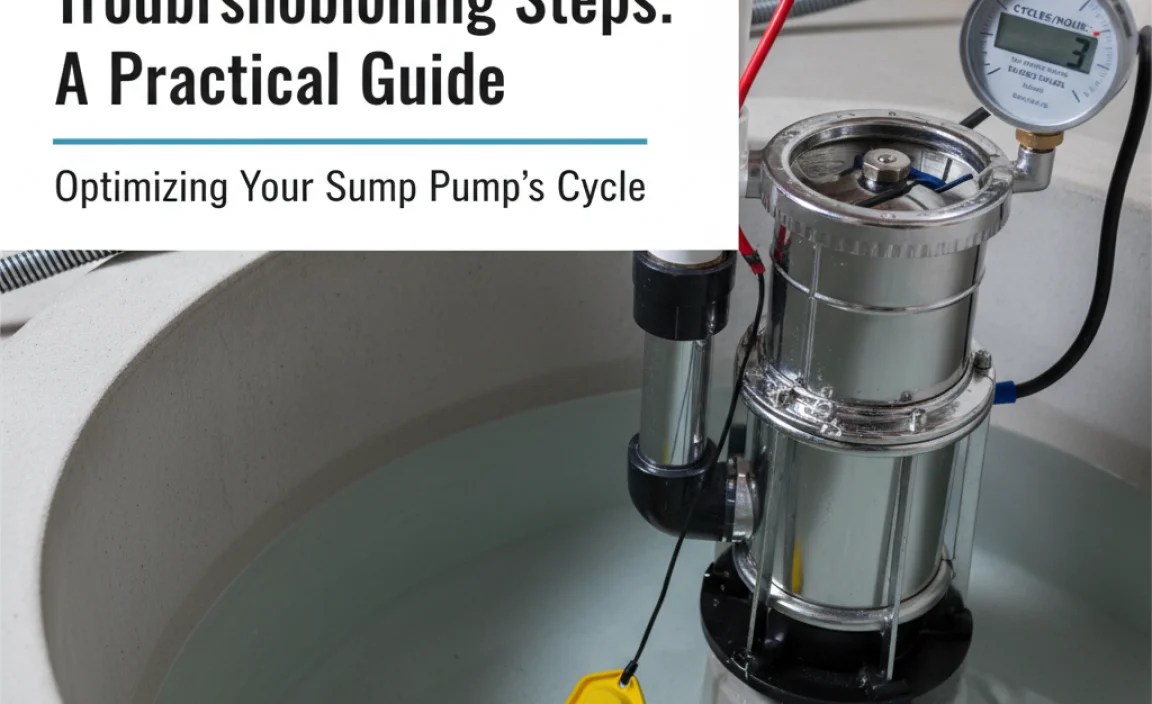
Here’s a step-by-step guide to troubleshooting frequent sump pump cycling:
- Observe the Cycling Pattern: How often is the pump running? Is it constant, or does it vary with rainfall?
- Inspect the Sump Pit: Look for debris, obstructions, or signs of damage.
- Check the Float Switch: Make sure it moves freely and isn’t stuck. Clean it if necessary.
- Examine the Check Valve: Look for leaks or damage. Replace it if needed.
- Assess Drainage: Check gutters, downspouts, and grading around your foundation.
- Listen to the Pump: Are there any unusual noises?
- Monitor the Discharge Pipe: Ensure it’s not frozen or blocked.
When to Call a Professional
If you’ve tried these troubleshooting steps and your sump pump is still cycling too often, it’s time to call a qualified plumber or sump pump specialist. They can diagnose more complex issues and recommend the best course of action. Here are some situations where professional help is needed:
- You’re not comfortable working with electrical components or plumbing.
- You suspect a major drainage problem or foundation issue.
- The pump is making loud or unusual noises that you can’t identify.
- You’ve replaced components, but the problem persists.
Preventative Maintenance: Keeping Your Sump Pump Healthy
Regular maintenance can prevent many common sump pump problems and extend the life of your pump. Here’s a simple maintenance schedule:
- Every 3 Months: Inspect the sump pit for debris and clean it out. Check the float switch for free movement.
- Every 6 Months: Test the pump by pouring water into the pit to activate it. Ensure the water is pumped out quickly and efficiently.
- Annually: Inspect the check valve and discharge pipe. Consider having a professional inspect the pump and its components.
Choosing the Right Sump Pump
Selecting the right sump pump is crucial for preventing frequent cycling and ensuring reliable performance. Here are some factors to consider:
- Pump Type: Submersible pumps are generally more reliable and efficient than pedestal pumps.
- Pump Capacity: Choose a pump with adequate capacity for your basement size and water flow.
- Horsepower: Higher horsepower pumps can handle larger volumes of water.
- Material: Look for pumps made from durable materials like cast iron or stainless steel.
- Features: Consider pumps with features like built-in alarms, battery backups, and automatic reset functions.
Here’s a simple table to help you choose:
| Factor | Considerations | Recommendations |
|---|---|---|
| Basement Size | Small basements (less than 1000 sq ft) | 1/3 HP pump |
| Large basements (over 1000 sq ft) | 1/2 HP or higher pump | |
| Water Flow | Low water flow | Lower capacity pump |
| High water flow | Higher capacity pump | |
| Discharge Height | Low discharge height (less than 10 ft) | Standard pump |
| High discharge height (over 10 ft) | Higher head pressure pump |
Sump Pump Cycling: What to Expect in Different Seasons
Sump pump activity naturally fluctuates throughout the year. Understanding these seasonal variations can help you anticipate and address potential issues.
Spring
Spring is typically the wettest season in many areas, with melting snow and frequent rainfall. Expect your sump pump to cycle more often during this time. Pay close attention to drainage around your foundation and ensure your pump is working efficiently.
Summer
Summer rainfall patterns vary depending on your location. In some areas, summer is relatively dry, while others experience frequent thunderstorms. Monitor your sump pump activity and address any drainage issues promptly.
Fall
Fall can be another wet season in some regions, with increased rainfall and falling leaves that can clog gutters. Keep your gutters clean and monitor your sump pump activity.
Winter
In cold climates, winter can bring unique challenges for sump pumps. Frozen ground can prevent water from draining away from your foundation, leading to increased water accumulation. Insulate your discharge pipe to prevent freezing and ensure your pump is working properly.
Extending Sump Pump Life
A well-maintained sump pump can last for many years. Here are some tips to extend the life of your pump:
- Choose the Right Pump: Select a pump that is appropriately sized for your needs and made from durable materials.
- Install a Backup System: Consider installing a battery backup or a secondary pump to protect against power outages or pump failures.
- Perform Regular Maintenance: Follow a regular maintenance schedule to keep your pump clean and in good working condition.
- Address Issues Promptly: Don’t ignore signs of problems. Address any issues promptly to prevent further damage.
Sump Pump Alternatives and Complements
While a sump pump is the most common solution for basement water problems, there are other options to consider, either as alternatives or complements:
- French Drains: These underground drainage systems redirect groundwater away from your foundation.
- Exterior Waterproofing: Applying a waterproof coating to your foundation walls can prevent water from seeping into your basement.
- Interior Waterproofing: Interior waterproofing systems can capture and redirect water that enters your basement.
- Dehumidifiers: Dehumidifiers can help control moisture levels in your basement, reducing the risk of mold and mildew growth.
FAQ: Your Sump Pump Questions Answered
Here are some frequently asked questions about sump pumps and their cycling behavior:
- Why is my sump pump running constantly even when it’s not raining?
- This could be due to a high water table, poor drainage around your foundation, a stuck float switch, or a faulty check valve. Inspect these components and address any issues.
- How long should a sump pump last?
- With proper maintenance, a sump pump can last 7-10 years. However, factors like usage and water quality can affect its lifespan.
- Is it normal for my sump pump to make noise?
- Some noise is normal, but loud grinding, banging, or straining sounds could indicate a problem. Investigate the source of the noise and address any issues promptly.
- Can I install a sump pump myself?
- If you’re comfortable with basic plumbing and electrical work, you can install a sump pump yourself. However, it’s best to hire a professional if you’re not experienced.
- What is a battery backup sump pump?
- A battery backup sump pump is a secondary pump that is powered by a battery. It automatically activates when the power goes out, providing protection against flooding during power outages.
6 Things Sump Pump Owners NEED to Know

- How do I prevent my sump pump from freezing in the winter?
- Insulate the discharge pipe to prevent freezing. Ensure the pipe has a proper slope to allow water to drain away. Consider using a discharge pipe with a freeze-resistant design.
- What size sump pump do I need?
- The appropriate size depends on the size of your basement, the typical water flow, and the height the pump needs to lift the water. Consult with a plumbing professional for advice.
Conclusion
Understanding how often your sump pump should cycle is key to protecting your home from water damage. By observing your pump’s behavior, troubleshooting common issues, and performing regular maintenance, you can keep your basement dry and your sump pump running efficiently for years to come. If you’re ever unsure, don’t hesitate to consult with a qualified plumbing professional. They can provide expert advice and ensure your sump pump system is functioning properly.
“`


