
What Makes a Heat Pump Short Cycle? A Simple Guide

Quick Summary: Heat pump short cycling means your heat pump turns on and off too frequently. Common causes include dirty air filters, oversized units, refrigerant leaks, thermostat problems, and blocked vents. Fixing these issues can improve your heat pump’s efficiency and lifespan, saving you money on energy bills and preventing costly repairs.
Is your heat pump turning on and off constantly? It’s a common problem called short cycling, and it can be super frustrating! Not only does it make your home uncomfortable, but it also wastes energy and can damage your heat pump over time. The good news is that many causes are easy to fix yourself. We’ll walk you through the most common reasons for short cycling and give you simple steps to get your heat pump back on track. Let’s get started!
Understanding Heat Pump Short Cycling

Short cycling happens when your heat pump starts a heating or cooling cycle but shuts off before completing it. Instead of running for a normal cycle (usually 15-20 minutes), it might only run for a few minutes before turning off. Then, it quickly turns back on again. This constant on-off pattern puts extra strain on your system and leads to several problems.
Why Short Cycling is Bad News
Here’s why you want to avoid short cycling:
- Increased Energy Bills: Starting up a heat pump requires a lot of energy. Short cycles mean more frequent startups, wasting energy and increasing your bills.
- Reduced Lifespan: The constant starting and stopping wears out the components of your heat pump faster, shortening its lifespan.
- Uneven Temperatures: Short cycles prevent your home from reaching a consistent, comfortable temperature.
- Compressor Damage: The compressor is the heart of your heat pump. Short cycling can cause it to overheat and fail prematurely.
Common Causes of Heat Pump Short Cycling

Let’s dive into the most common culprits behind heat pump short cycling:
1. Dirty Air Filters
A dirty air filter is one of the most frequent causes of short cycling. When the filter is clogged with dust and debris, it restricts airflow. This makes it harder for the heat pump to transfer heat, causing it to overheat and shut down.
Solution:
- Locate the air filter: It’s usually in the indoor unit or near the return air vent.
- Remove the old filter: Note the size and type of filter.
- Install a new filter: Make sure it’s the correct size and rating (MERV rating).
- Replace regularly: Check your filter monthly and replace it every 1-3 months, or more often if you have pets or allergies.
2. Oversized Heat Pump
If your heat pump is too large for your home, it can cool or heat the space very quickly. This might sound like a good thing, but it actually leads to short cycling. The unit reaches the thermostat setting too fast and shuts off before it can properly dehumidify the air or distribute heat evenly.
Solution:
Unfortunately, fixing an oversized heat pump isn’t a DIY project. You’ll need to consult with an HVAC professional. They can perform a load calculation to determine the correct size heat pump for your home. If your unit is indeed oversized, you might need to replace it with a smaller one.
3. Refrigerant Leaks
Refrigerant is the fluid that absorbs and releases heat in your heat pump. If there’s a leak, the system won’t have enough refrigerant to operate efficiently. This can cause it to overheat and short cycle.
Signs of a Refrigerant Leak:
- Ice buildup on the refrigerant lines
- Hissing or bubbling sounds from the unit
- Reduced cooling or heating performance
- Higher energy bills
Solution:
Refrigerant leaks require professional attention. Contact a qualified HVAC technician to locate and repair the leak, and then recharge the system with the correct amount of refrigerant. Attempting to handle refrigerant yourself is dangerous and illegal.
4. Thermostat Problems
A faulty thermostat can also cause short cycling. If the thermostat is not reading the temperature correctly or is malfunctioning, it might be sending incorrect signals to the heat pump, causing it to turn on and off prematurely.
Common Thermostat Issues:
- Incorrect temperature settings
- Loose wiring
- Dead batteries (for digital thermostats)
- Poor placement (near a heat source or draft)
Solution:
- Check the batteries: Replace the batteries in your digital thermostat.
- Verify the settings: Make sure the thermostat is set to the correct temperature and mode (heat or cool).
- Inspect the wiring: If you’re comfortable, check the wiring connections to ensure they are secure.
- Relocate the thermostat: Move the thermostat away from direct sunlight, drafts, or heat sources.
- Consider a smart thermostat: Upgrade to a smart thermostat for more accurate temperature control and energy savings.
5. Blocked Vents
Blocked or closed vents can restrict airflow throughout your home. This can cause the heat pump to work harder than necessary, leading to overheating and short cycling.
Solution:
- Inspect all vents: Make sure all vents are open and unobstructed by furniture, rugs, or curtains.
- Clean the vents: Remove any dust or debris that may be blocking the vents.
- Don’t close vents: Avoid closing vents in unused rooms, as this can disrupt the airflow balance in your home.
6. Frozen Evaporator Coil
The evaporator coil is located in the indoor unit and absorbs heat from the air. If the coil freezes over, it can restrict airflow and cause the heat pump to short cycle.
Causes of a Frozen Evaporator Coil:
- Low refrigerant levels
- Dirty air filter
- Restricted airflow
Solution:
- Turn off the heat pump: Switch off the heat pump at the thermostat and the breaker.
- Melt the ice: Allow the ice to melt naturally. This may take several hours. You can speed up the process by using a hairdryer on a low setting, but be careful not to damage the coil.
- Address the cause: Once the ice has melted, identify and fix the underlying cause of the freezing (e.g., replace the air filter, call a professional to check refrigerant levels).
- Turn the heat pump back on: After addressing the cause and ensuring the coil is completely thawed, turn the heat pump back on.
7. Electrical Issues
Problems with the electrical components of your heat pump, such as a failing capacitor or a loose connection, can also cause short cycling. These issues can disrupt the flow of power to the unit, causing it to turn on and off erratically.
Solution:
Electrical issues can be dangerous and should be handled by a qualified electrician or HVAC technician. Do not attempt to diagnose or repair electrical problems yourself unless you have the necessary training and experience.
Troubleshooting Table
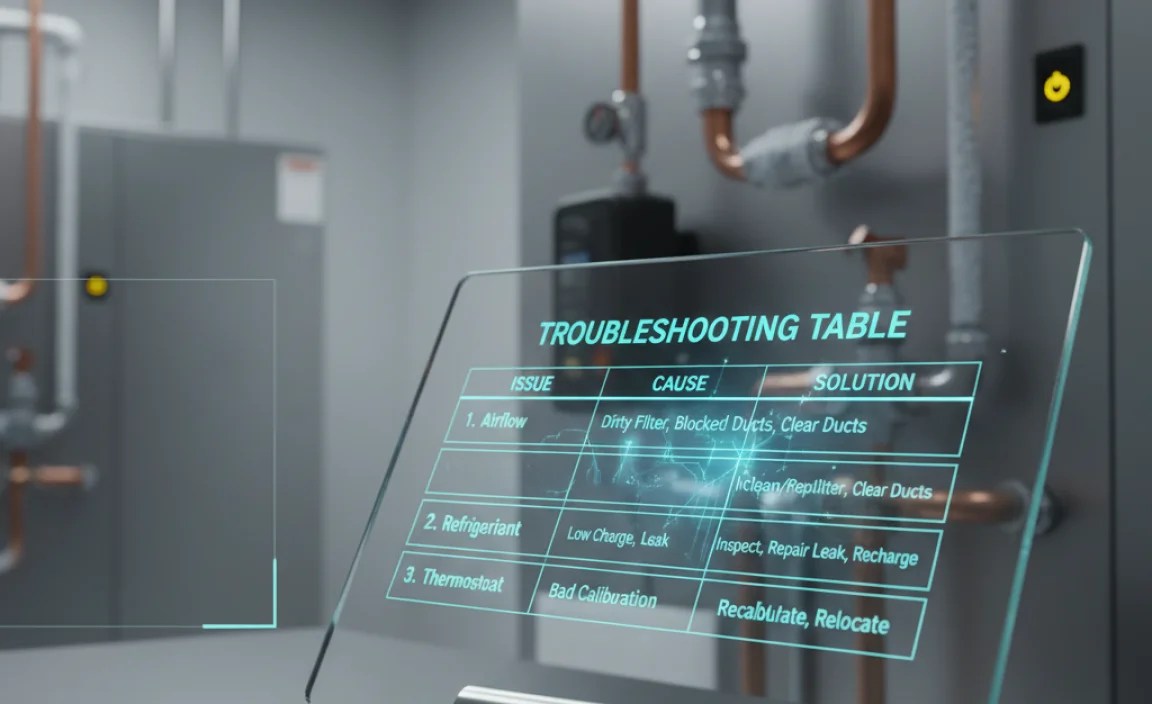
Here’s a quick reference table to help you troubleshoot the causes of short cycling:
| Problem | Possible Causes | DIY Solutions | Professional Help Needed? |
|---|---|---|---|
| Short Cycling | Dirty air filter | Replace the filter | No |
| Short Cycling | Oversized heat pump | None | Yes |
| Short Cycling | Refrigerant leak | None | Yes |
| Short Cycling | Thermostat problems | Check batteries, settings, wiring | Sometimes |
| Short Cycling | Blocked vents | Unblock vents | No |
| Short Cycling | Frozen evaporator coil | Melt ice, replace filter | Sometimes |
| Short Cycling | Electrical issues | None | Yes |
Preventing Heat Pump Short Cycling

Prevention is always better than cure. Here are some tips to help prevent short cycling in the first place:
- Regular Maintenance: Schedule regular maintenance checks with an HVAC professional. They can inspect your system for potential problems and ensure it’s running efficiently.
- Change Air Filters Regularly: As mentioned earlier, replacing your air filter every 1-3 months is crucial for maintaining proper airflow.
- Keep Vents Clear: Ensure that all vents are open and unobstructed to allow for proper air circulation.
- Monitor Performance: Pay attention to how your heat pump is running. If you notice any unusual behavior, such as frequent on-off cycles or reduced heating/cooling performance, address it promptly.
- Consider a Smart Thermostat: Smart thermostats can help optimize your heat pump’s performance and prevent short cycling by learning your heating and cooling patterns.
DIY vs. Professional Help
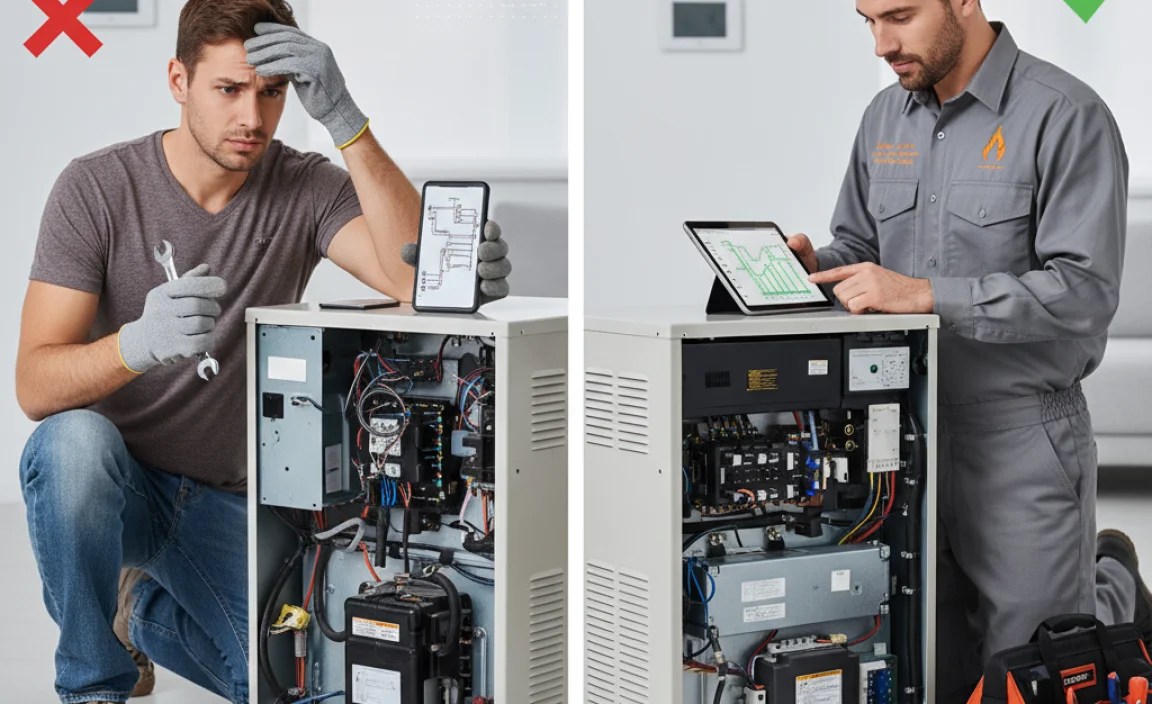
Some causes of short cycling, such as dirty air filters and blocked vents, are easy to fix yourself. However, other issues, such as refrigerant leaks, oversized units, and electrical problems, require professional attention. When in doubt, it’s always best to consult with an HVAC technician.
When to Call a Professional:
- You suspect a refrigerant leak.
- You think your heat pump is oversized.
- You have electrical problems.
- You’re not comfortable working on your heat pump yourself.
- You’ve tried the DIY solutions and the problem persists.
FAQ: Heat Pump Short Cycling
1. What exactly does “short cycling” mean?
Short cycling is when your heat pump turns on and off too quickly, before completing a full heating or cooling cycle.
2. Why is short cycling bad for my heat pump?
It wastes energy, shortens the lifespan of your heat pump, causes uneven temperatures, and can damage the compressor.
3. How often should I change my air filter?
Check it monthly and replace it every 1-3 months, or more often if you have pets or allergies.
4. Can I fix a refrigerant leak myself?
No, refrigerant leaks require professional attention. Handling refrigerant is dangerous and illegal without proper certification.
5. What if my heat pump is oversized?
Consult with an HVAC professional. You may need to replace it with a smaller unit.
6. How do I know if my thermostat is causing the problem?
Check the batteries, settings, and wiring. Try relocating it away from heat sources or drafts.
7. Can a frozen evaporator coil cause short cycling?
Yes, a frozen coil restricts airflow and can cause the heat pump to short cycle. Turn off the unit and let the ice melt, then address the underlying cause.
Conclusion
Heat pump short cycling is a common issue that can lead to increased energy bills, reduced lifespan, and uncomfortable temperatures. By understanding the common causes, such as dirty air filters, oversized units, refrigerant leaks, and thermostat problems, you can take steps to prevent and address the problem. Remember to perform regular maintenance, keep vents clear, and monitor your heat pump’s performance. While some issues can be resolved with simple DIY solutions, others require the expertise of a qualified HVAC professional. By taking proactive measures, you can ensure that your heat pump operates efficiently and reliably for years to come, keeping your home comfortable and saving you money on energy costs.
“`


