
How Does a 2-Cycle Fuel Pump Work? A Simple Guide

Quick Summary: A 2-cycle fuel pump works by using pressure changes in the engine’s crankcase to move fuel. As the piston moves up and down, it creates vacuum and pressure that operate a diaphragm within the pump. This diaphragm pulls fuel from the tank and pushes it to the carburetor, ensuring the engine gets the fuel it needs. Simple, right?
Ever wondered how your trusty leaf blower or string trimmer gets its fuel? It’s all thanks to a clever little device called a 2-cycle fuel pump. These pumps are essential for engines that mix oil and fuel. Understanding how they work can save you a lot of headaches and keep your equipment running smoothly. Many find fuel systems intimidating, but don’t worry! We’ll break it down step by step, making it super easy to grasp. Ready to dive in?
What is a 2-Cycle Fuel Pump?

A 2-cycle fuel pump is a small but vital component in engines that use a mixture of oil and gasoline. Unlike 4-cycle engines, which have separate oil reservoirs, 2-cycle engines rely on this mixture for lubrication. The fuel pump ensures the correct amount of fuel reaches the carburetor, where it mixes with air before entering the engine. These pumps are commonly found in:
- Chainsaws
- Leaf blowers
- String trimmers
- Some older motorcycles
- Model airplanes
These pumps are designed to be compact, lightweight, and reliable, making them perfect for small, portable devices.
The Basic Principle: How It Works
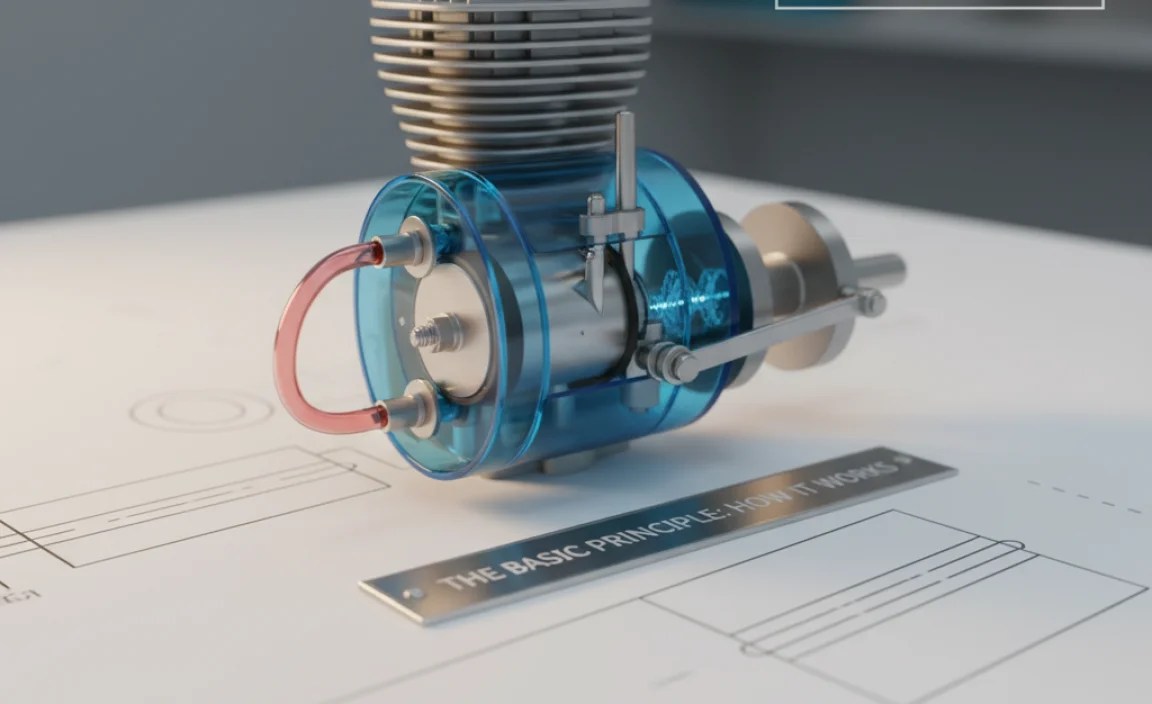
The magic behind a 2-cycle fuel pump lies in its clever use of pressure changes within the engine. Here’s the core principle:
The pump uses the oscillating pressure from the crankcase (the area around the crankshaft) to move a diaphragm. This diaphragm acts like a tiny piston, sucking fuel from the tank and pushing it towards the carburetor.
Think of it like a tiny heart, pumping fuel instead of blood! Now, let’s get into the details.
Anatomy of a 2-Cycle Fuel Pump

To understand how it works, let’s look at the key parts:
- Pump Body: The outer casing that houses all the components.
- Diaphragm: A flexible membrane that moves back and forth to create suction and pressure.
- Inlet Valve: Allows fuel to enter the pump from the fuel tank.
- Outlet Valve: Allows fuel to exit the pump and flow to the carburetor.
- Pulsator Port: Connects the pump to the engine’s crankcase, allowing pressure pulses to reach the diaphragm.
- Fuel Filter (often integrated): Prevents debris from entering and damaging the pump.
Knowing these parts will help you troubleshoot any issues later on.
Step-by-Step: How the Fuel Pump Operates

Here’s a detailed breakdown of the fuel pump’s operation:
- Crankcase Pressure Changes: As the engine’s piston moves up and down, it creates alternating pressure and vacuum in the crankcase.
- Pulsation: This pressure change is transmitted through the pulsator port to one side of the diaphragm.
- Diaphragm Movement:
- Vacuum Stroke: When the pressure in the crankcase drops (vacuum), the diaphragm is pulled to one side. This creates a vacuum in the pump chamber, opening the inlet valve and drawing fuel from the tank.
- Pressure Stroke: When the pressure in the crankcase increases, the diaphragm is pushed back. This closes the inlet valve and opens the outlet valve, forcing fuel towards the carburetor.
- Fuel Delivery: The fuel flows through the outlet valve and into the fuel line leading to the carburetor.
- Continuous Cycle: This process repeats with each piston stroke, providing a continuous supply of fuel to the engine.
Here is a table summarizing the process:
| Stage | Crankcase Condition | Diaphragm Action | Fuel Flow |
|---|---|---|---|
| 1 | Vacuum | Pulled | Fuel drawn from tank |
| 2 | Pressure | Pushed | Fuel forced to carburetor |
Why is the Diaphragm So Important?

The diaphragm is the heart of the fuel pump. It needs to be flexible enough to respond to small pressure changes, but also durable enough to withstand constant movement and exposure to fuel. A damaged or stiff diaphragm is one of the most common causes of fuel pump failure. Cracks, tears, or stiffness will prevent it from moving properly, leading to poor fuel delivery or no fuel delivery at all.
Common Problems and Troubleshooting
Even though 2-cycle fuel pumps are simple, they can still run into problems. Here are some common issues and how to address them:
- Engine Won’t Start:
- Problem: No fuel is reaching the carburetor.
- Possible Causes:
- Clogged fuel filter.
- Damaged or stiff diaphragm.
- Cracked or blocked fuel lines.
- Faulty inlet or outlet valves.
- Solution:
- Replace the fuel filter.
- Inspect and replace the diaphragm if necessary.
- Check and replace any cracked or blocked fuel lines.
- Clean or replace the inlet and outlet valves.
- Engine Runs Poorly:
- Problem: The engine sputters, lacks power, or stalls frequently.
- Possible Causes:
- Partially clogged fuel filter.
- Weak diaphragm.
- Air leaks in the fuel lines.
- Solution:
- Clean or replace the fuel filter.
- Replace the diaphragm.
- Check and tighten all fuel line connections.
- Fuel Leakage:
- Problem: Fuel is leaking from the pump or fuel lines.
- Possible Causes:
- Cracked fuel lines.
- Damaged pump body.
- Loose connections.
- Solution:
- Replace cracked fuel lines.
- Replace the fuel pump if the body is damaged.
- Tighten all connections.
Step-by-Step: How to Test a 2-Cycle Fuel Pump
Before replacing the fuel pump, it’s a good idea to test it to make sure it’s actually the problem. Here’s a simple test you can perform:
- Visual Inspection: Check the fuel lines for cracks or damage. Ensure all connections are tight. Look for any signs of fuel leakage around the pump.
- Fuel Filter Check: Remove the fuel filter and inspect it for clogs. Clean or replace it as needed.
- Fuel Line Test: Disconnect the fuel line from the carburetor and place the end in a small container.
- Prime the Pump: Manually prime the fuel pump by squeezing the primer bulb (if your engine has one) or by pulling the starter cord a few times.
- Observe Fuel Flow: Check if fuel is flowing steadily from the fuel line into the container. If there’s no fuel or just a trickle, the pump is likely faulty.
Safety Note: Always handle fuel with care and perform these tests in a well-ventilated area, away from open flames or sparks.
Step-by-Step: Replacing a 2-Cycle Fuel Pump
If your fuel pump is faulty, replacing it is usually a straightforward process. Here’s a general guide:
- Gather Your Tools:
- Screwdrivers (usually Phillips and flathead)
- Pliers
- New fuel pump
- New fuel lines (optional, but recommended)
- Fuel filter
- Disconnect the Fuel Lines:
- Locate the fuel pump on your engine.
- Carefully disconnect the fuel lines from the pump. Note which line goes where to ensure proper reconnection.
- Remove the Old Pump:
- Remove any screws or fasteners holding the pump in place.
- Gently remove the old pump.
- Install the New Pump:
- Place the new pump in the same location as the old one.
- Secure it with the screws or fasteners.
- Reconnect the Fuel Lines:
- Reconnect the fuel lines to the correct ports on the new pump.
- Ensure the connections are secure.
- Install a New Fuel Filter:
- Replace the fuel filter to prevent future clogs.
- Test the Engine:
- Prime the fuel system by squeezing the primer bulb or pulling the starter cord a few times.
- Start the engine and check for proper operation.
Always refer to your engine’s service manual for specific instructions, as the process can vary slightly depending on the model.
Tips for Maintaining Your 2-Cycle Fuel Pump
Preventive maintenance can extend the life of your fuel pump and keep your engine running smoothly. Here are some tips:
- Use Fresh Fuel: Old fuel can degrade and cause clogs. Always use fresh fuel and mix it with the correct ratio of oil.
- Regularly Replace the Fuel Filter: A clean fuel filter prevents debris from entering the pump and causing damage.
- Inspect Fuel Lines: Check fuel lines regularly for cracks or damage and replace them as needed.
- Store Equipment Properly: When storing equipment for extended periods, drain the fuel tank to prevent fuel from degrading and causing clogs.
Choosing the Right Fuel Pump
When replacing a fuel pump, it’s important to choose the right one for your engine. Here are some factors to consider:
- Compatibility: Ensure the new pump is compatible with your engine model. Check the manufacturer’s specifications or consult a parts dealer.
- Quality: Choose a high-quality pump from a reputable brand. A cheap pump may fail prematurely and cause more problems down the road.
- Features: Some pumps come with additional features, such as integrated fuel filters or improved diaphragm materials. Consider these features when making your selection.
Tools and Materials You’ll Need
Before you start working on your fuel pump, make sure you have the right tools and materials:
- Screwdrivers (Phillips and flathead)
- Pliers
- New fuel pump
- New fuel lines (recommended)
- Fuel filter
- Fuel stabilizer (for storage)
- Shop towels
- Safety glasses
- Gloves
How Fuel Type Affects the Pump
The type of fuel you use can significantly impact the lifespan and performance of your 2-cycle fuel pump. Here’s what you need to know:
- Ethanol Blends: Ethanol can degrade rubber and plastic components in the fuel system, leading to leaks and clogs. If possible, use ethanol-free fuel. If you must use ethanol blends, ensure they are no more than 10% ethanol (E10).
- Fuel Stabilizers: Add a fuel stabilizer to your fuel, especially when storing equipment for extended periods. Stabilizers prevent fuel from breaking down and forming deposits.
- Oil Mixture: Always use the correct oil-to-fuel ratio recommended by your engine manufacturer. Too little oil can cause engine damage, while too much can lead to carbon buildup and poor performance.
Here’s a quick table to summarize fuel considerations:
| Fuel Type | Impact on Pump | Recommendation |
|---|---|---|
| Ethanol Blends | Degrades rubber and plastic | Use ethanol-free or E10 max |
| Old Fuel | Causes clogs and deposits | Use fresh fuel and stabilizer |
| Incorrect Oil Ratio | Engine damage or poor performance | Follow manufacturer’s ratio |
Advanced Tips for Pump Performance
Want to take your fuel pump knowledge to the next level? Here are some advanced tips:
- Adjusting Carburetor Settings: The fuel pump works in conjunction with the carburetor to deliver the correct fuel-air mixture. Learn how to adjust your carburetor settings to optimize performance.
- Understanding Pressure Testing: Use a pressure tester to check the fuel pump’s output pressure. This can help diagnose more complex fuel system problems.
- Modifying Fuel Lines: Experiment with different fuel line materials and diameters to improve fuel flow. However, be cautious and ensure any modifications are safe and compatible with your engine.
FAQ About 2-Cycle Fuel Pumps
Let’s tackle some frequently asked questions to solidify your understanding:
- Q: What is the difference between a 2-cycle and a 4-cycle engine?
- A: A 2-cycle engine completes a power cycle in two strokes of the piston, while a 4-cycle engine requires four strokes. 2-cycle engines need oil mixed with the fuel, while 4-cycle engines have a separate oil reservoir.
- Q: How often should I replace my fuel filter?
- A: It’s best to replace your fuel filter at least once a year, or more often if you use your equipment frequently or notice signs of clogging.
- Q: Can I use automotive fuel in my 2-cycle engine?
- A: Yes, but make sure it’s mixed with the correct ratio of 2-cycle oil. Also, avoid fuels with high ethanol content if possible.
- Q: What happens if I use the wrong oil-to-fuel ratio?
- A: Too little oil can cause engine damage due to lack of lubrication, while too much oil can lead to carbon buildup and reduced performance.
- Q: How do I know if my fuel pump is bad?
- A: Common signs include difficulty starting the engine, poor performance, fuel leakage, or no fuel flow from the pump.
- Q: Can I clean a fuel pump instead of replacing it?
- A: While you can try cleaning it, especially the fuel filter and any visible debris, it’s often more reliable to replace the pump, especially if the diaphragm is damaged.
- Q: Where can I buy a replacement fuel pump?
- A: You can find replacement fuel pumps at most hardware stores, auto parts stores, or online retailers. Be sure to check [Amazon](https://www.amazon.com/) or [Ebay](https://www.ebay.com/) for deals.
External Resources to Deepen Your Knowledge
For more in-depth information, consider checking out these resources:
- [U.S. Environmental Protection Agency (EPA)](https://www.epa.gov/): For information on fuel regulations and environmental impacts.
- [Briggs & Stratton](https://www.briggsandstratton.com/): A leading manufacturer of small engines, offering resources and manuals.
Conclusion
Understanding how a 2-cycle fuel pump works is a game-changer for anyone who relies on small engines. By grasping the basics of its operation, you can diagnose problems, perform simple repairs, and keep your equipment running smoothly for years to come. Remember, a little maintenance goes a long way! Now that you’re armed with this knowledge, you can confidently tackle any fuel pump issue that comes your way. Happy tinkering!
“`


