
How Long Does a Heat Pump Defrost Cycle Really Take?

Quick Summary: A typical heat pump defrost cycle lasts between 5 and 15 minutes. The frequency depends on factors like outdoor temperature, humidity, and the heat pump’s age and efficiency. Regular defrost cycles are essential for maintaining your heat pump’s performance and preventing ice buildup that can cause damage.
Is your heat pump making strange noises and running more often than usual? You might be noticing the defrost cycle in action. It’s a common part of owning a heat pump, especially during those cold winter months. But how long should this cycle last, and when should you be concerned? Understanding the defrost cycle is key to keeping your heat pump running efficiently and avoiding costly repairs. We’ll walk you through everything you need to know, step by step. Let’s dive in and get your heat pump humming smoothly again!
Understanding the Heat Pump Defrost Cycle

Heat pumps are designed to provide both heating and cooling for your home. In the winter, they extract heat from the outside air and transfer it inside. When the outdoor temperature drops below freezing, moisture in the air can freeze on the outdoor coil. This ice buildup reduces the heat pump’s ability to absorb heat, making it less efficient. That’s where the defrost cycle comes in.
Why Defrosting Is Necessary
Ice accumulation on the outdoor coil acts as an insulator, preventing the heat pump from effectively transferring heat. If the ice isn’t removed, the heat pump has to work harder, consuming more energy and potentially leading to mechanical failures. The defrost cycle melts this ice, ensuring the heat pump continues to operate efficiently.
How the Defrost Cycle Works
During the defrost cycle, the heat pump temporarily reverses its operation. It switches to cooling mode, circulating warm refrigerant through the outdoor coil to melt the ice. To prevent blowing cold air inside your home, auxiliary or emergency heat (usually electric resistance heat) is activated to provide warmth. Once the coil is clear of ice, the heat pump returns to its normal heating operation.
Factors Affecting Defrost Cycle Length

Several factors can influence how long and how often your heat pump goes into defrost mode. Understanding these factors can help you troubleshoot potential issues and optimize your heat pump’s performance.
Outdoor Temperature
The colder it is outside, the more frequently your heat pump will need to defrost. At temperatures around 32°F (0°C), ice tends to form more rapidly. In very cold climates, defrost cycles may occur more often than in milder regions.
Humidity Levels
High humidity means more moisture in the air, which can quickly freeze on the outdoor coil. If you live in an area with high humidity, expect your heat pump to defrost more frequently.
Heat Pump Age and Condition
Older heat pumps may have less efficient defrost systems. As components age, their performance can degrade, leading to longer or more frequent defrost cycles. Regular maintenance can help keep your heat pump running efficiently.
Heat Pump Model and Efficiency
Different heat pump models have varying defrost strategies. Some high-efficiency models use sensors to detect ice buildup and initiate defrost cycles only when necessary, while others operate on a timer. The efficiency of the defrost system itself can also affect the cycle length.
Airflow Obstructions
Restricted airflow around the outdoor unit can exacerbate ice buildup. Ensure that shrubs, snow, and other debris are cleared away from the unit to promote proper airflow.
Typical Defrost Cycle Duration
So, how long should a defrost cycle actually take? Let’s break it down.
Normal Defrost Cycle Length
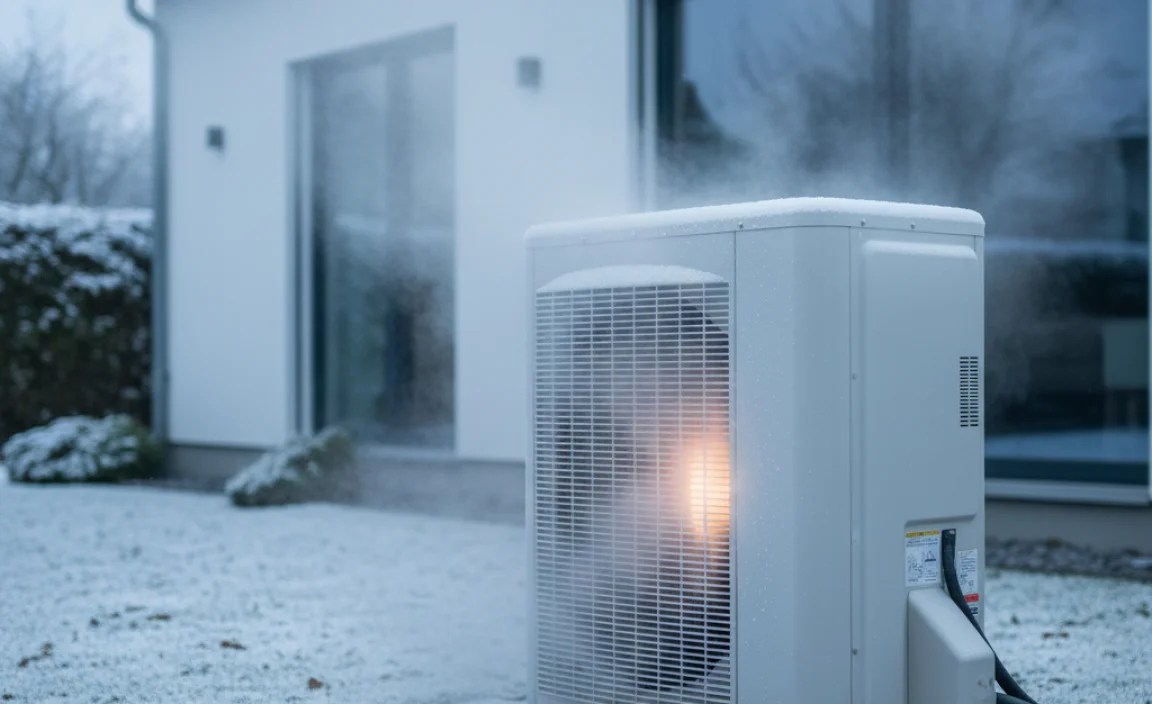
A typical defrost cycle lasts between 5 and 15 minutes. During this time, you might notice the outdoor unit making unusual noises, such as hissing or bubbling, as the ice melts. The fan may also stop running to allow the coil to warm up more quickly.
What to Expect During the Defrost Cycle
Here’s what you should generally observe during a normal defrost cycle:
- The outdoor fan stops.
- The heat pump makes a hissing or bubbling sound.
- Steam or water drips from the outdoor unit as ice melts.
- A temporary cool feeling inside your home as the system switches to cooling mode.
- The auxiliary heat kicks in to maintain a comfortable indoor temperature.
When to Be Concerned
If the defrost cycle lasts longer than 20 minutes, or if it occurs very frequently (more than once an hour), there may be an issue. Other warning signs include:
- Excessive ice buildup on the outdoor coil.
- The heat pump not producing enough heat.
- Unusually loud or persistent noises.
- A significant drop in indoor temperature during the defrost cycle.
Troubleshooting Defrost Cycle Issues
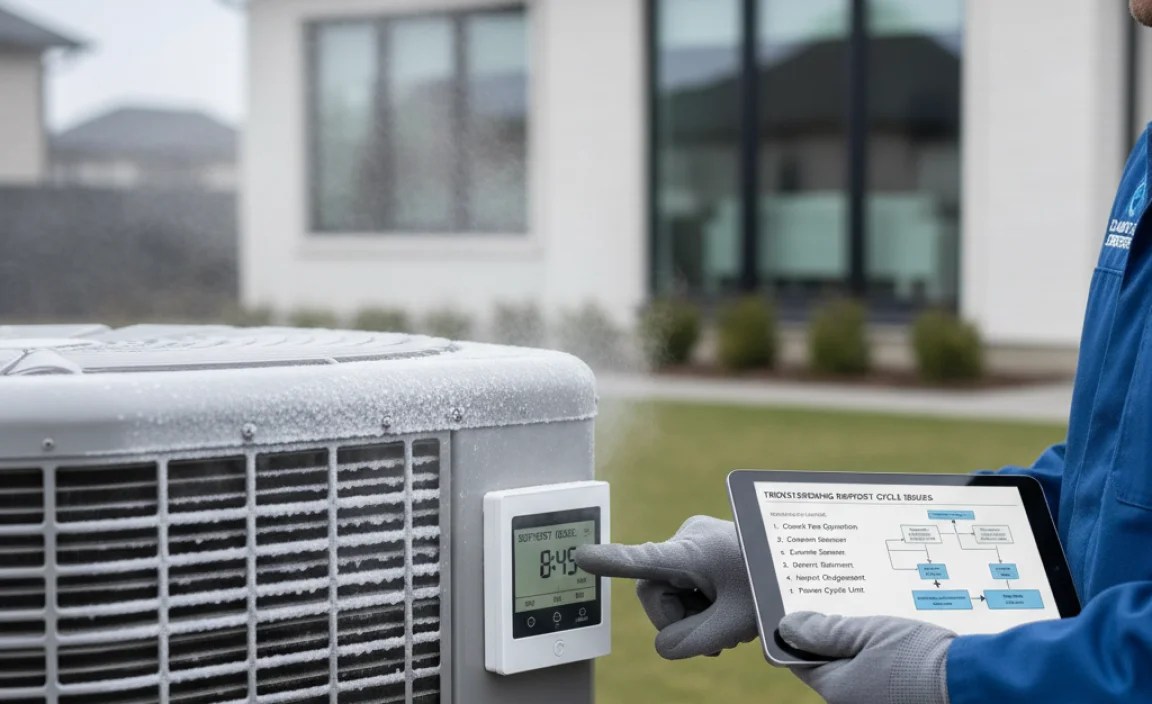
If you suspect there’s a problem with your heat pump’s defrost cycle, here are some troubleshooting steps you can take.
Checking for Ice Buildup
Regularly inspect the outdoor unit for ice accumulation. A thin layer of frost is normal, but thick ice buildup indicates a potential issue. Clear away any visible ice with warm water, but avoid using sharp objects that could damage the coil.
Clearing Obstructions
Ensure that the area around the outdoor unit is free from obstructions such as snow, leaves, and shrubs. Proper airflow is crucial for efficient operation and can prevent excessive ice buildup.
Checking the Air Filter
A dirty air filter restricts airflow, which can affect the heat pump’s performance and increase the likelihood of ice formation. Replace the air filter regularly, typically every one to three months, depending on usage and air quality.
Inspecting the Refrigerant Lines
Check the refrigerant lines for any signs of leaks or damage. If you notice anything unusual, such as oil spots or hissing sounds, contact a qualified HVAC technician.
Resetting the Heat Pump
Sometimes, simply resetting the heat pump can resolve minor issues. Turn off the power to the unit at the breaker box for about 30 minutes, then turn it back on. This can reset the system’s control board and clear any temporary glitches.
DIY Maintenance Tips for Heat Pumps

Regular maintenance can help prevent defrost cycle issues and extend the life of your heat pump. Here are some DIY tips to keep your system in top shape.
Regular Cleaning
Keep the outdoor unit clean by rinsing it with a garden hose. Remove any dirt, leaves, or debris that may have accumulated on the coil. Be gentle to avoid damaging the fins.
Air Filter Replacement
As mentioned earlier, replace the air filter regularly. A clean air filter improves airflow and reduces strain on the heat pump.
Coil Cleaning
Clean the outdoor coil annually using a coil cleaner specifically designed for heat pumps. Follow the manufacturer’s instructions carefully. This removes dirt and grime that can reduce efficiency.
Fan Blade Inspection
Inspect the fan blades for any signs of damage or imbalance. Clean the blades to ensure they are free from dirt and debris. If the blades are damaged, contact a professional for replacement.
Professional Servicing
Schedule professional servicing at least once a year. A qualified HVAC technician can inspect the system, check refrigerant levels, and identify potential issues before they become major problems.
When to Call a Professional
While some issues can be resolved with DIY maintenance, others require professional attention. Here are situations when you should call an HVAC technician:
- The defrost cycle is excessively long or frequent.
- The heat pump is not producing enough heat.
- There is excessive ice buildup on the outdoor coil.
- You hear unusual noises coming from the heat pump.
- You suspect a refrigerant leak.
- You are not comfortable performing DIY maintenance tasks.
Heat Pump Defrost Cycle: Key Takeaways
Understanding the defrost cycle is essential for maintaining your heat pump’s performance and efficiency. Here’s a quick recap of the key points:
- A typical defrost cycle lasts between 5 and 15 minutes.
- Factors like outdoor temperature, humidity, and heat pump age can affect the cycle length.
- Regular maintenance, such as cleaning and air filter replacement, can prevent issues.
- If you notice any unusual signs, such as excessive ice buildup or prolonged defrost cycles, contact a professional.
To help you understand everything better, check out the table below.
| Issue | Possible Cause | Troubleshooting Steps |
|---|---|---|
| Long Defrost Cycle (over 20 minutes) | Dirty coil, restricted airflow, low refrigerant | Clean coil, clear obstructions, call a technician |
| Frequent Defrost Cycles (more than once an hour) | Low outdoor temperature, high humidity, faulty sensor | Monitor weather conditions, check sensor, call a technician |
| Excessive Ice Buildup | Poor drainage, restricted airflow, defrost system malfunction | Clear drainage path, clear obstructions, call a technician |
| Heat Pump Not Producing Enough Heat | Ice buildup, low refrigerant, compressor issues | Check for ice, call a technician |
Cost Considerations for Heat Pump Maintenance
Maintaining your heat pump involves various costs, from routine tasks to professional services. Understanding these expenses can help you budget effectively and make informed decisions about your system’s upkeep.
DIY Maintenance Costs
DIY maintenance primarily involves the cost of supplies such as air filters and coil cleaners. Air filters typically range from $5 to $20 each, depending on the type and quality. Coil cleaners can cost between $10 and $30 per bottle. Performing these tasks yourself can save on labor costs and help extend the life of your heat pump.
Professional Servicing Costs
Professional servicing includes annual check-ups and repairs performed by HVAC technicians. An annual maintenance visit can range from $100 to $300, depending on the services included. Repairs can vary widely in cost, depending on the complexity of the issue. For example, a refrigerant recharge might cost $150 to $500, while a compressor replacement could range from $800 to $2000 or more.
Long-Term Savings
While maintenance involves upfront costs, it can lead to significant long-term savings. A well-maintained heat pump operates more efficiently, reducing energy consumption and lowering utility bills. Regular servicing can also prevent costly breakdowns and extend the lifespan of your system, saving you money on replacements.
Check out the table below for comparing the cost.
| Type of Maintenance | Estimated Cost | Frequency | Benefits |
|---|---|---|---|
| DIY Air Filter Replacement | $5 – $20 per filter | Every 1-3 months | Improved airflow, reduced energy consumption |
| DIY Coil Cleaning | $10 – $30 per bottle | Annually | Improved efficiency, prevents corrosion |
| Professional Annual Check-up | $100 – $300 | Annually | Comprehensive inspection, early issue detection |
| Refrigerant Recharge | $150 – $500 | As needed | Restores cooling and heating performance |
| Compressor Replacement | $800 – $2000+ | As needed | Restores heat pump function |
Heat Pump Efficiency and Energy Savings
One of the primary benefits of using a heat pump is its energy efficiency. Understanding how to maximize your heat pump’s efficiency can lead to significant savings on your energy bills.
SEER and HSPF Ratings
Heat pumps are rated using two key metrics: Seasonal Energy Efficiency Ratio (SEER) for cooling and Heating Seasonal Performance Factor (HSPF) for heating. SEER measures the cooling efficiency, while HSPF measures the heating efficiency. Higher ratings indicate greater energy efficiency. When purchasing a heat pump, look for models with high SEER and HSPF ratings to maximize your energy savings.
Programmable Thermostats
Using a programmable thermostat can help you optimize your heat pump’s performance and reduce energy consumption. Set the thermostat to lower temperatures when you’re away or asleep, and raise them when you’re at home. This prevents the heat pump from running unnecessarily and wasting energy.
Proper Insulation
Ensure that your home is properly insulated to minimize heat loss in the winter and heat gain in the summer. Seal any gaps or cracks around windows and doors, and add insulation to your attic and walls. This reduces the amount of work your heat pump has to do to maintain a comfortable indoor temperature.
Regular Maintenance
Regular maintenance is crucial for maintaining your heat pump’s efficiency. A well-maintained system operates more efficiently and consumes less energy. Keep the coils clean, replace the air filter regularly, and schedule annual professional servicing to keep your heat pump running at its best.
Here is a table to show how you can save money.
| Strategy | Description | Benefits |
|---|---|---|
| High SEER/HSPF Ratings | Choose heat pumps with high SEER and HSPF ratings. | Increased energy efficiency, lower utility bills |
| Programmable Thermostats | Use programmable thermostats to adjust temperatures automatically. | Reduced energy consumption, cost savings |
| Proper Insulation | Ensure your home is well-insulated. | Minimized heat loss and gain, reduced energy usage |
| Regular Maintenance | Perform regular maintenance tasks and schedule annual servicing. | Improved efficiency, extended lifespan |
FAQ About Heat Pump Defrost Cycles
Here are some frequently asked questions about heat pump defrost cycles:
Q: How often should my heat pump go into defrost mode?
A: The frequency of defrost cycles depends on factors like outdoor temperature and humidity. Typically, a heat pump may defrost every 30 to 90 minutes in cold weather.
Q: Is it normal to see steam coming from my heat pump during the defrost cycle?
A: Yes, it’s normal to see steam or water dripping from the outdoor unit as the ice melts during the defrost cycle.
Q: Why does my heat pump blow cold air during the defrost cycle?
A: During the defrost cycle, the heat pump temporarily switches to cooling mode to melt the ice. Auxiliary heat is activated to prevent blowing cold air inside your home.
Q: Can I manually defrost my heat pump?
A: Some heat pumps have a manual defrost setting. However, it’s generally best to let the system defrost automatically. If you need to manually defrost, consult your owner’s manual for instructions.
Q: What happens if my heat pump doesn’t defrost properly?
A: If your heat pump doesn’t defrost properly, ice can build up on the outdoor coil, reducing its efficiency and potentially causing damage. Contact a professional if you suspect a defrost issue.
Q: How can I improve the efficiency of my heat pump?
A: Regular maintenance, such as cleaning the coils and replacing the air filter, can improve your heat pump’s efficiency. Ensure that the area around the outdoor unit is free from obstructions.
Q: Should I cover my heat pump in the winter?
A: No, you should not cover your heat pump. Covering the unit can restrict airflow and lead to ice buildup. Clear away any snow or debris that may accumulate around the unit.
Conclusion
Understanding how long a heat pump defrost cycle should take and what factors influence it can save you from unnecessary worry and potential repair costs. By keeping an eye on your unit, performing regular maintenance, and knowing when to call a professional, you can ensure your heat pump runs efficiently for years to come. A little knowledge and proactive care go a long way in maintaining a comfortable and energy-efficient home. So, keep those coils clean, filters fresh, and stay warm!
“`


