
What is a Good Cycling CO2 Pump? A Beginner’s Guide

Quick Summary: A good cycling CO2 pump is reliable, easy to use, and compact. Look for models with controlled inflation, durable construction (like aluminum), and compatibility with both Presta and Schrader valves. A good CO2 pump will get you back on the road quickly after a flat tire, without frustration.
Getting a flat tire is every cyclist’s nightmare. It always seems to happen at the worst time, far from home or during a group ride. While carrying a spare tube and tire levers is essential, you also need a way to inflate that new tube. That’s where a CO2 pump comes in handy. But with so many options, how do you choose a good one? Don’t worry, this guide will walk you through everything you need to know, so you can confidently select the best CO2 pump for your needs. We’ll cover the key features, types, and how to use them properly. Let’s get started!
Why Choose a CO2 Pump for Your Bike?

Before diving into what makes a CO2 pump “good,” let’s understand why you might choose one over a traditional hand pump.
Speed and Efficiency
CO2 pumps inflate tires much faster than hand pumps. A CO2 inflator can fill a tire in seconds, while a hand pump can take several minutes of strenuous effort. This is especially helpful during races or group rides where time is of the essence. Imagine being able to quickly fix a flat and rejoin your friends, rather than struggling with a hand pump.
Compact and Lightweight
CO2 inflators are smaller and lighter than most hand pumps. This makes them easy to carry in a saddlebag, jersey pocket, or even attached to your bike frame. If you’re trying to minimize weight, a CO2 pump is an excellent choice. No more bulky pumps weighing you down on those long climbs!
Ease of Use
While there’s a slight learning curve, CO2 pumps are generally easier to use than hand pumps, especially when dealing with high-pressure tires. You don’t need to exert as much physical effort, which can be a lifesaver when you’re tired or dealing with a stubborn tire. Just a quick burst of CO2, and you’re good to go.
Key Features of a Good Cycling CO2 Pump

Now that you know why to choose a CO2 pump, let’s look at the essential features that separate a good one from the rest.
Controlled Inflation
A good CO2 pump should offer controlled inflation. This means you can regulate the amount of CO2 released into the tire. Controlled inflation helps prevent over-inflation, which can lead to blowouts, or under-inflation, which can cause pinch flats. Look for pumps with a valve or trigger that allows you to control the flow of CO2. This gives you more precision and helps you avoid wasting cartridges.
Durable Construction
The pump body should be made from durable materials like aluminum alloy. Aluminum is lightweight yet strong, and it can withstand the rigors of cycling. Avoid pumps made from cheap plastic, as they are more likely to break or fail when you need them most. Investing in a durable pump ensures it will last for many rides.
Presta and Schrader Valve Compatibility
Most CO2 pumps are designed to work with both Presta and Schrader valves. Presta valves are commonly found on road bikes, while Schrader valves are more common on mountain bikes and some hybrid bikes. Make sure the pump you choose is compatible with the valves on your bike. Some pumps have a reversible head, while others require an adapter. Check the specifications before you buy.
Cartridge Compatibility
CO2 cartridges come in different sizes, typically 12g, 16g, and 20g. A 16g cartridge is usually sufficient for inflating a road bike tire to the recommended pressure, while mountain bike tires may require a larger 20g cartridge. Ensure the pump you choose is compatible with the size of cartridges you plan to use. Some pumps are designed for threaded cartridges, while others use unthreaded cartridges. Double-check compatibility to avoid frustration.
Insulated Sleeve
When CO2 is released, it gets very cold. An insulated sleeve or cover for the CO2 cartridge is essential to protect your hands from frostbite. Some pumps come with a built-in sleeve, while others require you to purchase one separately. Don’t skip this feature – it’s crucial for safe and comfortable use.
Compact Size
A good CO2 pump should be compact and easy to carry. Look for a pump that can fit easily into your saddlebag or jersey pocket. Some pumps come with a mounting bracket that allows you to attach them to your bike frame. The smaller and lighter the pump, the more likely you are to carry it with you on every ride.
Types of CO2 Pumps

CO2 pumps come in various designs, each with its own advantages and disadvantages. Here’s a breakdown of the most common types:
Threaded CO2 Inflators
Threaded inflators require CO2 cartridges with threaded necks. These are generally more reliable and offer better control over inflation. The threaded connection ensures a secure seal, minimizing the risk of leaks. Threaded cartridges are also more widely available.
Unthreaded CO2 Inflators
Unthreaded inflators use cartridges without threads. These are often more compact and easier to use, but they may not offer the same level of control as threaded inflators. The seal may not be as secure, increasing the risk of leaks. However, they can be a good option if you prioritize simplicity and ease of use.
Hybrid CO2 Inflators
Hybrid inflators combine a CO2 inflator with a small hand pump. This gives you the best of both worlds – the speed of CO2 inflation and the reliability of a hand pump. If you run out of CO2 cartridges, you can still inflate your tire manually. These are a great option for longer rides or when you want a backup plan.
CO2 Inflator and Multi-Tool Combos
Some manufacturers offer multi-tools that include a CO2 inflator. These are a convenient way to carry essential tools and a CO2 pump in one compact package. Multi-tools typically include Allen wrenches, screwdrivers, and other useful tools for roadside repairs.
How to Use a CO2 Pump

Using a CO2 pump is relatively simple, but it’s essential to follow the correct steps to avoid injury or damage to your equipment.
- Prepare the Tire: Make sure the tire is properly seated on the rim. Check for any debris or pinches.
- Attach the Inflator: Screw the CO2 inflator onto the valve stem. Make sure it’s securely attached to prevent leaks.
- Inflate the Tire: Slowly release the CO2 into the tire. Use short bursts to avoid over-inflation. If your pump has a control valve, use it to regulate the flow of CO2.
- Check the Pressure: Use a tire pressure gauge to check the pressure. Inflate to the recommended PSI (pounds per square inch) printed on the tire sidewall.
- Remove the Inflator: Carefully remove the inflator from the valve stem. Be cautious, as the inflator may be cold.
- Dispose of the Cartridge: Dispose of the empty CO2 cartridge properly. Do not litter!
Common Mistakes to Avoid
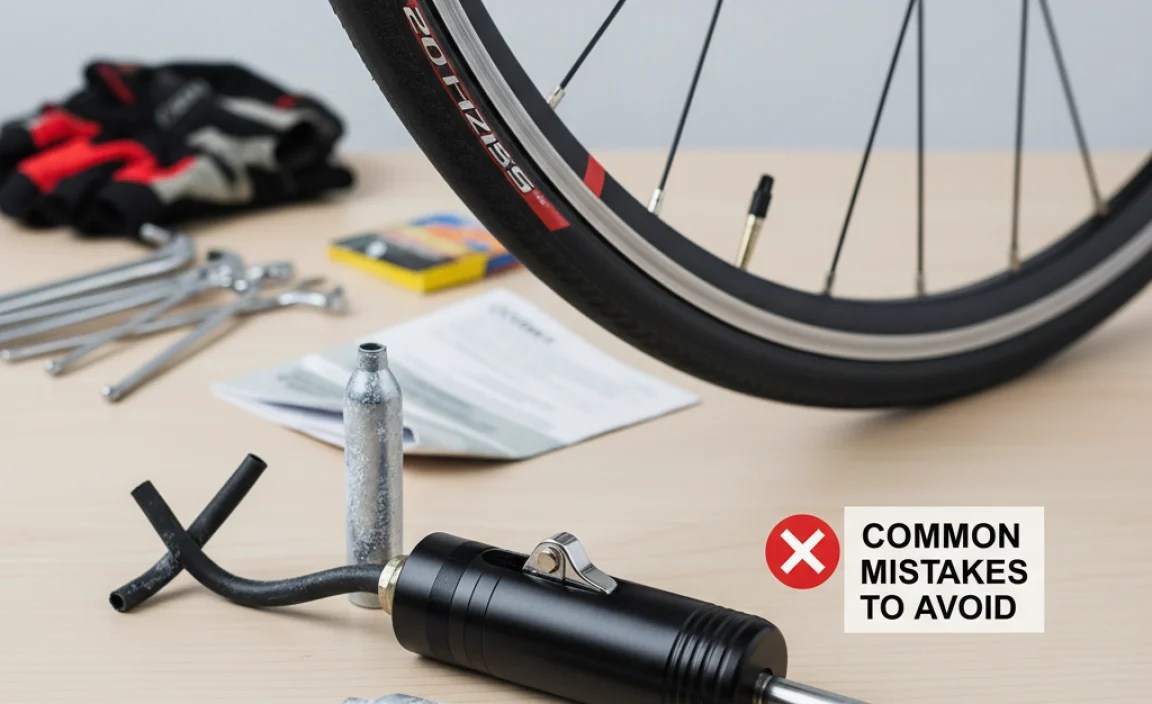
Even with the best equipment, mistakes can happen. Here are some common pitfalls to avoid when using a CO2 pump:
- Over-Inflation: Releasing too much CO2 at once can cause the tire to explode. Use short bursts and check the pressure frequently.
- Stripped Threads: Overtightening the inflator can strip the threads on the valve stem or the inflator. Be gentle and avoid using excessive force.
- Forgetting the Insulated Sleeve: Handling a freezing CO2 cartridge without protection can cause frostbite. Always use an insulated sleeve or gloves.
- Using the Wrong Cartridge Size: Using a cartridge that’s too small may not fully inflate the tire, while using one that’s too large can lead to over-inflation. Choose the correct size for your tire.
- Not Carrying Enough Cartridges: Always carry at least two CO2 cartridges on your rides. You never know when you might need a second one.
Top CO2 Pumps on the Market
Here are some of the top-rated CO2 pumps currently available, considering their features, durability, and ease of use:
| Pump Name | Features | Pros | Cons |
|---|---|---|---|
| Lezyne Control Drive CO2 | Controlled inflation, aluminum construction, Presta/Schrader compatible | Durable, easy to use, precise inflation | Slightly more expensive |
| Genuine Innovations Ultraflate CO2 Inflator | Simple design, compact, Presta/Schrader compatible | Lightweight, affordable, easy to carry | Less control over inflation |
| Topeak Micro AirBooster | Compact, lightweight, Presta/Schrader compatible, includes insulated sleeve | Great value, easy to store, protects hands | Can be tricky to attach to valve |
| Park Tool CO2-i | Durable, controlled inflation, Presta/Schrader compatible | Reliable, well-built, easy to adjust CO2 flow | Bulkier than some other options |
Maintaining Your CO2 Pump
To ensure your CO2 pump lasts a long time, proper maintenance is essential.
- Clean Regularly: Wipe down the pump after each use to remove dirt and grime.
- Check for Leaks: Inspect the pump for leaks regularly. If you notice any leaks, replace the O-rings or seals.
- Store Properly: Store the pump in a dry place to prevent corrosion.
- Replace Cartridges: Always use fresh CO2 cartridges. Old cartridges may not provide enough pressure.
Hand Pump vs. CO2 Pump: Which is Right for You?
While CO2 pumps offer speed and convenience, hand pumps have their own advantages. Here’s a comparison to help you decide which is best for your needs:
| Feature | Hand Pump | CO2 Pump |
|---|---|---|
| Speed | Slower | Faster |
| Weight | Heavier | Lighter |
| Reliability | More reliable (no cartridges needed) | Less reliable (requires cartridges) |
| Cost | Lower (no recurring cost) | Higher (requires cartridge replacement) |
| Ease of Use | Requires more physical effort | Requires less physical effort |
Ultimately, the best choice depends on your priorities. If you value speed and convenience, a CO2 pump is a great option. If you prefer reliability and don’t mind a little extra effort, a hand pump may be a better fit. Many cyclists carry both for added security.
Essential Accessories for Your CO2 Pump
To get the most out of your CO2 pump, consider these essential accessories:
- CO2 Cartridges: Always carry extra cartridges.
- Insulated Sleeve: Protect your hands from the cold.
- Tire Pressure Gauge: Ensure proper inflation.
- Tire Levers: Help remove and install tires.
- Saddlebag or Bike Mount: Keep your pump and accessories organized.
Safety Tips for Using CO2 Pumps
Using a CO2 pump is generally safe, but it’s important to follow these safety guidelines:
- Read the Instructions: Always read and follow the manufacturer’s instructions.
- Wear Gloves: Protect your hands from the cold.
- Avoid Over-Inflation: Use short bursts and check the pressure frequently.
- Dispose of Cartridges Properly: Do not litter.
- Keep Away from Children: CO2 cartridges are not toys.
FAQ About Cycling CO2 Pumps
1. How many CO2 cartridges should I carry?
It’s best to carry at least two CO2 cartridges per ride. This ensures you have a backup in case of a second flat or if the first cartridge malfunctions.
2. Can I reuse CO2 cartridges?
No, CO2 cartridges are single-use only. Once they are empty, they cannot be refilled.
3. Are CO2 pumps compatible with tubeless tires?
Yes, CO2 pumps can be used with tubeless tires. However, it’s essential to use a larger cartridge (20g or more) to ensure the tire seals properly against the rim.
4. How do I know if my CO2 pump is compatible with my bike’s valves?
Check the pump’s specifications. Most CO2 pumps are designed to work with both Presta and Schrader valves. Some have a reversible head, while others require an adapter.
5. What should I do if my CO2 cartridge leaks when I attach it to the pump?
Make sure the cartridge is properly threaded or inserted into the pump. If the leak persists, the pump may have a faulty seal. Try a different cartridge or consider replacing the pump.
6. Is it safe to store a CO2 cartridge in my saddlebag for a long time?
Yes, CO2 cartridges can be safely stored in a saddlebag for extended periods. However, it’s a good idea to check them periodically for signs of corrosion or damage.
7. Can I bring CO2 cartridges on an airplane?
Regulations vary depending on the airline and country. It’s best to check with the airline before traveling with CO2 cartridges. Some airlines may allow them in checked baggage but not in carry-on luggage.
Conclusion
Choosing a good cycling CO2 pump doesn’t have to be complicated. By understanding the key features, types, and how to use them properly, you can confidently select the best pump for your needs. Remember to prioritize controlled inflation, durable construction, and compatibility with your bike’s valves. With the right CO2 pump, you’ll be able to quickly fix flats and get back to enjoying your ride. So, gear up, stay safe, and happy cycling!
“`


