
How Boilers and Pumps Have Improved Vapor Power Cycles

Quick Summary: Modern boilers in vapor power cycles use advanced materials and designs like supercritical technology to handle higher temperatures and pressures, boosting efficiency. Pumps now feature variable speed drives and improved sealing to precisely control water flow and reduce energy waste. These enhancements together make power plants more reliable and environmentally friendly.
Vapor power cycles are the backbone of electricity generation worldwide. But older power plants can be inefficient, wasting fuel and increasing emissions. You might wonder how these systems have become more efficient over time. The good news is that boilers and pumps, two key components in these cycles, have seen significant improvements. These advancements mean better performance, reduced energy consumption, and a smaller environmental footprint. Let’s dive into how these changes have made a big difference. First, we’ll explore boiler improvements, then move on to pump enhancements, and finally, see how these changes impact overall cycle efficiency.
Boiler Improvements in Vapor Power Cycles

Boilers are essential for converting water into high-pressure steam, which drives turbines to generate electricity. Over the years, several key improvements have enhanced their performance and efficiency.
Advanced Materials
One of the most significant advancements in boiler technology is the use of advanced materials. These materials allow boilers to operate at higher temperatures and pressures, which directly improves the efficiency of the vapor power cycle. Here’s a closer look:
- Alloy Steels: These steels contain elements like chromium, molybdenum, and vanadium, which enhance their strength and resistance to corrosion at high temperatures.
- Nickel-Based Superalloys: Used in the hottest sections of the boiler, these alloys maintain their strength and integrity even under extreme conditions.
- Coatings: Protective coatings are applied to boiler tubes to prevent corrosion and erosion, extending the lifespan of the boiler and maintaining its efficiency.
These materials enable boilers to withstand the harsh conditions inside, leading to more reliable and efficient operation. For example, the use of chromoly steel (chromium-molybdenum alloy) in boiler tubes has significantly reduced the risk of creep failure, a common issue in high-temperature environments.
Supercritical and Ultra-Supercritical Technology

Supercritical and ultra-supercritical (USC) technologies represent a major leap in boiler design. These technologies operate above the critical point of water (3,200 psi and 705°F), where water and steam exist in a single phase, eliminating the energy-intensive phase change. This leads to higher thermal efficiency and reduced fuel consumption.
- Supercritical Boilers: Operate at pressures above 3,200 psi and temperatures around 1,050°F, achieving efficiencies of about 40%.
- Ultra-Supercritical Boilers: Operate at even higher temperatures and pressures (above 1,100°F), pushing efficiencies closer to 45% or higher.
The benefits of these technologies include:
- Higher Efficiency: Reduced fuel consumption per unit of electricity generated.
- Lower Emissions: Less CO2, NOx, and SOx emissions per unit of electricity.
- Improved Performance: Enhanced reliability and reduced maintenance costs.
Many modern power plants now use supercritical and ultra-supercritical boilers to maximize efficiency and minimize environmental impact. Detailed studies have shown that USC plants can reduce CO2 emissions by up to 20% compared to conventional subcritical plants.
Improved Boiler Designs
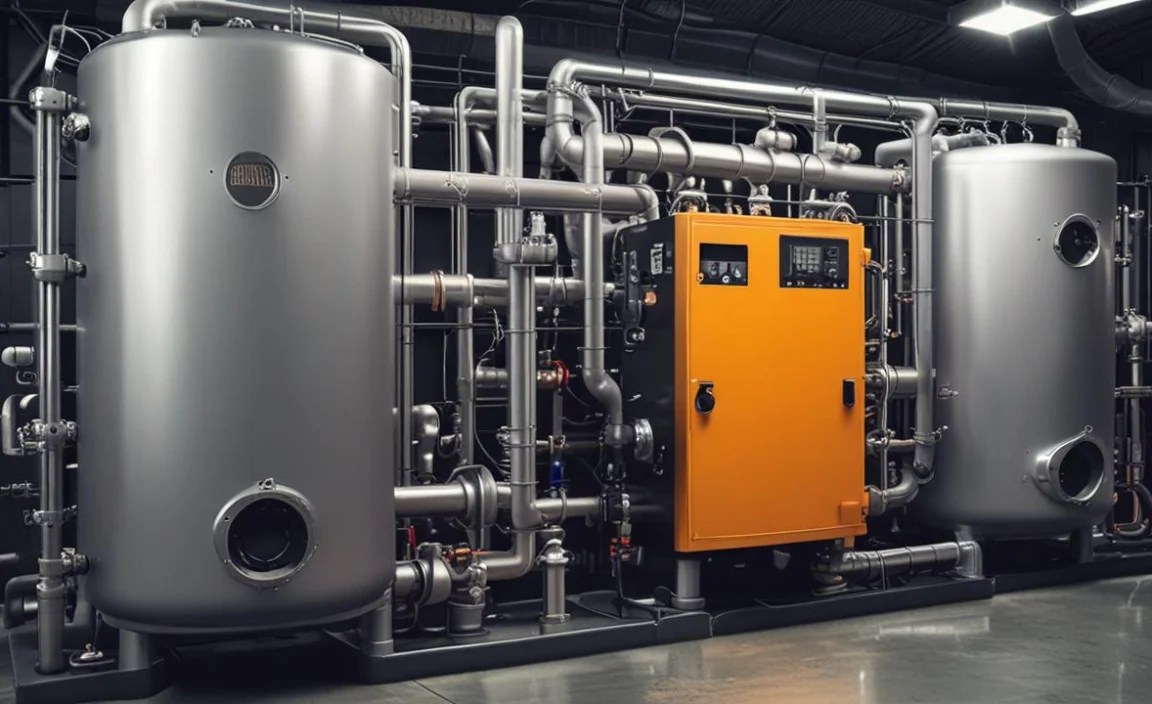
Besides materials and operating conditions, boiler designs have also evolved to enhance efficiency and performance. Some key improvements include:
- Water-Wall Design: Boiler walls are made of tubes containing water, which absorb heat more efficiently and protect the boiler structure.
- Optimized Furnace Design: Computational Fluid Dynamics (CFD) is used to optimize the shape and size of the furnace, ensuring complete combustion and minimizing heat loss.
- Advanced Burner Technology: Low-NOx burners reduce the formation of nitrogen oxides, a major air pollutant.
These design improvements ensure that heat transfer is maximized and combustion is as clean and efficient as possible. Advanced burner technology, for example, uses staged combustion to reduce peak flame temperatures, thus minimizing NOx formation.
Instrumentation and Control Systems
Modern boilers are equipped with sophisticated instrumentation and control systems that continuously monitor and adjust operating parameters to maintain optimal efficiency. These systems include:
- Real-Time Monitoring: Sensors monitor temperature, pressure, flow rates, and other critical parameters.
- Automated Control: Control systems automatically adjust fuel and air flow to maintain optimal combustion and steam conditions.
- Predictive Maintenance: Data analytics are used to predict potential failures and schedule maintenance proactively, minimizing downtime.
These systems ensure that the boiler operates at peak efficiency under varying load conditions. Advanced control algorithms can optimize combustion in real-time, responding to changes in fuel quality or demand.
Pump Improvements in Vapor Power Cycles

Pumps are crucial for circulating water throughout the vapor power cycle. Efficient pumping is essential for maintaining the cycle’s performance. Modern pumps incorporate several advanced features to improve their efficiency and reliability.
Variable Speed Drives (VSDs)
Variable Speed Drives (VSDs) are one of the most significant advancements in pump technology. VSDs allow the pump’s motor speed to be adjusted based on the system’s demand, reducing energy consumption and improving control. Instead of running at a constant speed, the pump can slow down during periods of low demand, saving energy and reducing wear and tear.
The benefits of VSDs include:
- Energy Savings: Reduced energy consumption, especially during partial load operation.
- Improved Control: Precise control over flow rates and pressures.
- Reduced Wear and Tear: Lower motor speeds reduce stress on the pump and motor, extending their lifespan.
Studies have shown that VSDs can reduce pump energy consumption by as much as 50% in some applications. This technology is particularly effective in power plants where demand fluctuates throughout the day.
High-Efficiency Impeller Designs
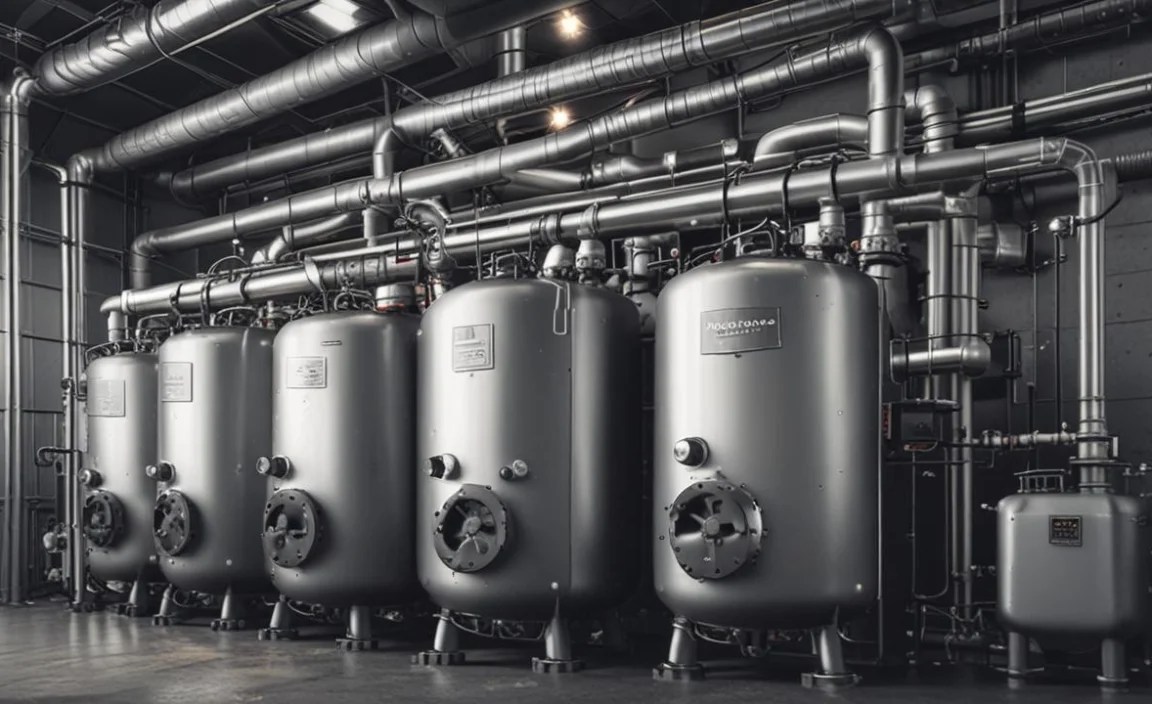
The impeller is the rotating component of the pump that imparts energy to the fluid. Modern pumps use advanced impeller designs to maximize efficiency and minimize energy losses. These designs are often optimized using Computational Fluid Dynamics (CFD) to ensure smooth flow and minimal turbulence.
Key features of high-efficiency impellers include:
- Optimized Blade Geometry: Blades are designed to minimize hydraulic losses and maximize energy transfer.
- Smooth Surfaces: Polished surfaces reduce friction and improve flow.
- Advanced Materials: Materials like stainless steel and titanium are used to resist corrosion and erosion.
These design improvements result in higher pump efficiency and reduced energy consumption. Optimized blade geometry, for instance, can significantly reduce cavitation, a common cause of pump damage and efficiency loss.
Improved Sealing Systems
Effective sealing is essential for preventing leaks and maintaining pump efficiency. Modern pumps use advanced sealing systems that minimize leakage and reduce maintenance requirements. These systems include:
- Mechanical Seals: These seals provide a tight seal between the rotating shaft and the pump casing, preventing leakage.
- Magnetic Drives: Magnetic drives eliminate the need for a shaft seal altogether, preventing leakage and reducing maintenance.
- Sealless Pumps: These pumps are designed without seals, further reducing the risk of leaks and contamination.
Improved sealing systems not only reduce energy losses but also minimize the risk of environmental contamination. Magnetic drives, in particular, are becoming increasingly popular in applications where leakage is a major concern.
Advanced Monitoring and Control
Modern pumps are often equipped with advanced monitoring and control systems that provide real-time data on pump performance. These systems can detect potential problems early, allowing for proactive maintenance and preventing costly downtime.
Key features of these systems include:
- Vibration Monitoring: Sensors detect abnormal vibrations, indicating potential mechanical problems.
- Temperature Monitoring: Temperature sensors monitor bearing and motor temperatures, preventing overheating.
- Performance Monitoring: Flow rate, pressure, and power consumption are continuously monitored to detect any deviations from normal operation.
These systems allow operators to identify and address problems before they lead to major failures. Predictive maintenance, based on real-time data, can significantly reduce maintenance costs and improve pump reliability.
Impact on Overall Vapor Power Cycle Efficiency
The improvements in boilers and pumps have a significant impact on the overall efficiency of vapor power cycles. By operating at higher temperatures and pressures, using more efficient designs, and incorporating advanced control systems, modern power plants can generate more electricity with less fuel. This not only reduces operating costs but also minimizes environmental impact.
Here’s a table summarizing the improvements and their impact:
| Component | Improvement | Impact on Efficiency |
|---|---|---|
| Boilers | Advanced Materials | Allows for higher operating temperatures and pressures, increasing efficiency. |
| Boilers | Supercritical and Ultra-Supercritical Technology | Eliminates phase change, reducing energy losses and increasing efficiency. |
| Boilers | Improved Boiler Designs | Optimizes heat transfer and combustion, maximizing efficiency. |
| Boilers | Instrumentation and Control Systems | Maintains optimal operating conditions, maximizing efficiency. |
| Pumps | Variable Speed Drives (VSDs) | Reduces energy consumption, especially during partial load operation. |
| Pumps | High-Efficiency Impeller Designs | Maximizes energy transfer and minimizes hydraulic losses. |
| Pumps | Improved Sealing Systems | Prevents leaks and reduces energy losses. |
| Pumps | Advanced Monitoring and Control | Detects potential problems early, preventing downtime and maintaining efficiency. |
These advancements contribute to:
- Increased Thermal Efficiency: Higher conversion of fuel energy into electricity.
- Reduced Fuel Consumption: Less fuel required to generate the same amount of electricity.
- Lower Emissions: Reduced CO2, NOx, and SOx emissions per unit of electricity.
- Improved Reliability: Reduced downtime and maintenance costs.
Overall, the improvements in boilers and pumps have played a crucial role in making vapor power cycles more efficient, reliable, and environmentally friendly. Continuous innovation in these areas will be essential for meeting the growing demand for electricity while minimizing the impact on the planet.
FAQ: Boiler and Pump Improvements in Vapor Power Cycles
Here are some frequently asked questions about the improvements in boilers and pumps used in vapor power cycles.
Q1: What are vapor power cycles?
A: Vapor power cycles are thermodynamic cycles used in power plants to generate electricity. They involve converting water into steam, using the steam to drive a turbine, and then condensing the steam back into water to repeat the cycle.
Q2: Why are boilers important in vapor power cycles?
A: Boilers are crucial because they convert water into high-pressure steam, which is used to drive the turbines that generate electricity. The efficiency of the boiler directly impacts the overall efficiency of the power plant.
Q3: How do advanced materials improve boiler performance?
A: Advanced materials like alloy steels and nickel-based superalloys allow boilers to operate at higher temperatures and pressures, which increases the efficiency of the vapor power cycle. These materials also resist corrosion and erosion, extending the lifespan of the boiler.
Q4: What is supercritical technology in boilers?
A: Supercritical technology involves operating boilers above the critical point of water, where water and steam exist in a single phase. This eliminates the energy-intensive phase change, leading to higher thermal efficiency and reduced fuel consumption.
Q5: How do Variable Speed Drives (VSDs) improve pump efficiency?
A: VSDs allow the pump’s motor speed to be adjusted based on the system’s demand. This reduces energy consumption, especially during partial load operation, and improves control over flow rates and pressures.
Q6: What are some key features of high-efficiency impeller designs in pumps?
A: High-efficiency impellers feature optimized blade geometry, smooth surfaces, and advanced materials. These designs minimize hydraulic losses, maximize energy transfer, and resist corrosion and erosion.
Q7: How do improved sealing systems enhance pump performance?
A: Improved sealing systems, such as mechanical seals and magnetic drives, prevent leaks and reduce energy losses. They also minimize the risk of environmental contamination and reduce maintenance requirements.
Conclusion
The continuous improvements in boilers and pumps have significantly enhanced the efficiency and reliability of vapor power cycles. From the use of advanced materials and supercritical technology in boilers to the implementation of variable speed drives and high-efficiency impellers in pumps, these advancements contribute to increased thermal efficiency, reduced fuel consumption, and lower emissions. As the demand for electricity continues to grow, further innovations in these areas will be crucial for creating more sustainable and environmentally friendly power generation solutions. By understanding these improvements, we can better appreciate the advancements in power plant technology and their impact on our energy future.


