
Why Is Your Well Pump Short Cycling? A Simple Guide

Quick Summary: Well pump short cycling means your pump is turning on and off too frequently. This is usually caused by low water pressure, a faulty pressure switch, a waterlogged pressure tank, or a leak in the system. Addressing these issues promptly will extend the life of your pump and ensure a consistent water supply.
Is your well pump acting up, turning on and off more often than it should? This annoying problem, called short cycling, can be a real headache for homeowners with well water systems. Not only is it irritating, but it also puts unnecessary strain on your pump, potentially leading to costly repairs or even a complete pump failure. But don’t worry! Understanding why short cycling happens and how to fix it is simpler than you might think.
In this guide, we’ll break down the common causes of well pump short cycling and provide you with easy-to-follow steps to diagnose and resolve the issue. We’ll cover everything from checking your pressure tank to identifying potential leaks. Ready to get started and keep your water flowing smoothly?
Understanding Well Pump Short Cycling

Well pump short cycling is when your well pump turns on and off too frequently in a short period. Instead of running for a longer period to fill the pressure tank and then shutting off, it starts and stops rapidly. This puts extra stress on the pump’s motor and components, which can significantly shorten its lifespan. Think of it like repeatedly starting and stopping your car engine—it wears it out faster.
Why Short Cycling is Bad
Here’s why you should address short cycling as soon as you notice it:
- Reduced Pump Lifespan: Frequent starting and stopping generate heat and stress, leading to premature wear and tear on the pump motor and other parts.
- Increased Energy Consumption: Each start-up requires a surge of electricity, so short cycling wastes energy and increases your electricity bill.
- Potential for System Damage: The constant pressure fluctuations can damage pipes, fittings, and other components of your well system.
- Inconsistent Water Pressure: Short cycling can cause your water pressure to fluctuate, leading to inconsistent water flow in your home.
Common Causes of Well Pump Short Cycling

Several factors can contribute to well pump short cycling. Let’s explore the most common causes in detail.
1. Low Water Pressure
Low water pressure is one of the most frequent culprits behind short cycling. If the water pressure in your system drops too low, the pressure switch will trigger the pump to turn on. If the pressure drops again quickly, the pump will cycle on and off repeatedly.
How to Check and Fix Low Water Pressure:
- Check Your Pressure Gauge: Locate the pressure gauge near your pressure tank and observe the water pressure when the pump is running and when it’s off. The pressure should fall within the range specified by the manufacturer (typically 40-60 PSI).
- Adjust the Pressure Switch: The pressure switch controls the pump’s on/off cycles. You can adjust the settings within a specific range to increase the overall pressure. Refer to your pressure switch’s manual for instructions.
- Inspect for Leaks: Leaks in your plumbing system can cause a drop in pressure. Check all pipes, fittings, and faucets for any signs of leaks and repair them promptly.
2. Faulty Pressure Switch
The pressure switch is a critical component that senses the water pressure and signals the pump to turn on or off. If the pressure switch is malfunctioning, it may cause the pump to cycle erratically.
How to Check and Replace a Faulty Pressure Switch:
- Inspect the Switch: Look for signs of damage, corrosion, or water leakage around the pressure switch.
- Test the Switch: Use a multimeter to test the continuity of the switch. If the switch doesn’t show continuity when it should, it may be faulty.
- Replace the Switch: If the pressure switch is faulty, replace it with a new one. Be sure to disconnect the power to the pump before replacing the switch.
3. Waterlogged Pressure Tank
A pressure tank stores water under pressure, providing a buffer between the pump and your household plumbing. If the pressure tank becomes waterlogged (loses its air charge), it can cause the pump to short cycle.
How to Check and Recharge a Waterlogged Pressure Tank:
- Tap the Tank: Gently tap on the sides of the pressure tank. If it sounds hollow at the top and solid at the bottom, it’s likely waterlogged.
- Check the Air Valve: Locate the air valve (Schrader valve) on top of the tank, similar to a tire valve. Press the valve stem to see if air or water comes out. If water comes out, the bladder inside the tank may be damaged.
- Recharge the Tank: If the tank is waterlogged but the bladder is intact, you can recharge it by draining the tank completely and then using an air compressor to add air to the tank until it reaches the correct pressure (usually 2 PSI below the pump’s cut-in pressure).
4. Leaks in the System
Leaks anywhere in your well system, from the well casing to the plumbing in your home, can cause a drop in pressure and lead to short cycling.
How to Find and Fix Leaks:
- Inspect Visible Plumbing: Check all accessible pipes, fittings, and faucets for signs of leaks.
- Check the Well Casing: Inspect the well casing for any cracks or damage.
- Listen for Unusual Sounds: Listen for the sound of running water when no water is being used in your home. This could indicate a hidden leak.
- Pressure Test: If you suspect a leak but can’t find it, you can hire a professional to perform a pressure test on your system.
5. Incorrectly Sized Pressure Tank
If your pressure tank is too small for your household’s water demands, the pump may cycle more frequently than necessary. An undersized tank provides a smaller buffer, causing the pump to turn on more often to maintain pressure.
How to Determine the Correct Tank Size:
- Consider Water Usage: Estimate your household’s daily water usage based on the number of people living in your home and their water consumption habits.
- Consult a Professional: Consult with a well pump professional to determine the appropriate tank size for your needs. They can take into account factors such as your pump’s flow rate, water usage, and pressure requirements.
6. Clogged or Damaged Well Screen
The well screen is a filter at the bottom of your well that prevents sediment and debris from entering the pump. If the well screen becomes clogged or damaged, it can restrict water flow to the pump, causing it to work harder and cycle more frequently.
How to Inspect and Clean a Well Screen:
- Lower a Camera: Use a down-well camera to visually inspect the well screen for clogs or damage.
- Well Cleaning: If the screen is clogged, you may need to hire a professional to clean the well using methods such as brushing, jetting, or chemical treatment.
- Well Rehabilitation: In severe cases of clogging or damage, well rehabilitation may be necessary to restore the well’s performance.
Step-by-Step Troubleshooting Guide
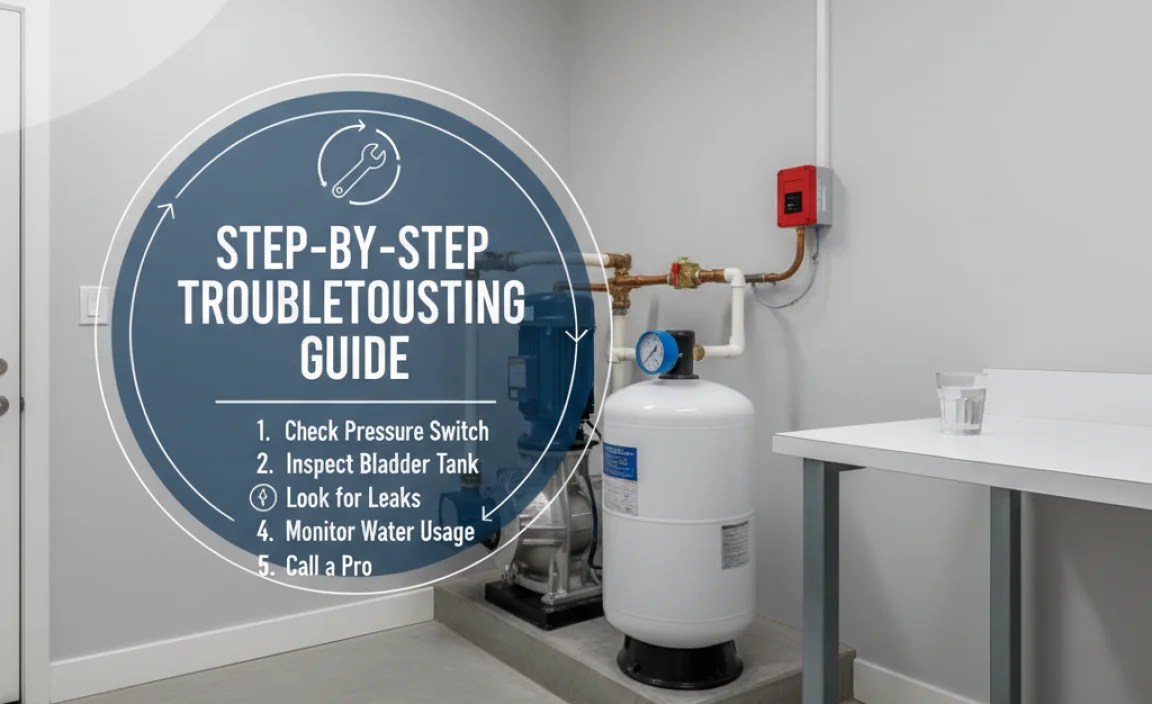
Here’s a step-by-step guide to help you troubleshoot well pump short cycling:
- Check the Pressure Gauge: Observe the pressure gauge when the pump is running and when it’s off. Note the pressure readings and compare them to the pump manufacturer’s specifications.
- Inspect for Leaks: Carefully inspect all visible plumbing, fittings, and faucets for any signs of leaks.
- Test the Pressure Switch: Use a multimeter to test the continuity of the pressure switch.
- Check the Pressure Tank: Tap on the sides of the pressure tank to check for waterlogging. Also, check the air valve to see if air or water comes out.
- Adjust the Pressure Switch: If the pressure readings are outside the acceptable range, try adjusting the pressure switch settings.
- Recharge the Pressure Tank: If the pressure tank is waterlogged, recharge it by draining the tank completely and adding air to the correct pressure.
- Consult a Professional: If you’ve tried these steps and the problem persists, consult with a qualified well pump professional for further diagnosis and repair.
Tools You Might Need

Here are some tools that may come in handy when troubleshooting well pump short cycling:
- Pressure Gauge: To monitor water pressure.
- Multimeter: To test the continuity of the pressure switch.
- Wrenches: To tighten or loosen fittings.
- Screwdrivers: To adjust the pressure switch.
- Air Compressor: To recharge the pressure tank.
- Plumber’s Tape: To seal threaded connections.
Preventing Short Cycling in the Future

Here are some tips to help prevent well pump short cycling in the future:
- Regular Maintenance: Schedule regular maintenance checks for your well system, including inspecting the pressure tank, pressure switch, and well screen.
- Monitor Water Usage: Be mindful of your water usage and avoid excessive water consumption, especially during peak hours.
- Address Leaks Promptly: Repair any leaks as soon as you detect them to prevent pressure loss and short cycling.
- Consider a Variable Frequency Drive (VFD): A VFD can help regulate the pump’s speed and prevent it from cycling on and off too frequently.
When to Call a Professional
While some troubleshooting steps can be done yourself, there are situations where it’s best to call a qualified well pump professional. These include:
- Complex Repairs: If you’re not comfortable working with electrical components or plumbing, it’s best to leave the repairs to a professional.
- Well Screen Issues: Cleaning or repairing a clogged or damaged well screen requires specialized equipment and expertise.
- Persistent Problems: If you’ve tried the troubleshooting steps and the short cycling persists, it’s time to call a professional for further diagnosis and repair.
Costs Associated with Fixing Short Cycling
The cost of fixing well pump short cycling can vary depending on the cause of the problem and the extent of the repairs needed. Here’s a general overview of potential costs:
| Problem | Estimated Cost |
|---|---|
| Replacing a Pressure Switch | $50 – $200 |
| Recharging a Pressure Tank | $0 (DIY) or $50 – $150 (Professional) |
| Replacing a Pressure Tank | $200 – $600 |
| Leak Repair | $50 – $500 (depending on the location and severity of the leak) |
| Well Cleaning | $300 – $1,000 |
| Well Rehabilitation | $1,000 – $5,000+ |
These are just estimates, and the actual costs may vary depending on your location, the specific problem, and the contractor you hire. It’s always a good idea to get multiple quotes from different contractors before proceeding with any repairs. You can find qualified well pump professionals through resources like the National Ground Water Association (NGWA) https://www.ngwa.org/.
FAQ About Well Pump Short Cycling
Here are some frequently asked questions about well pump short cycling:
- What is the ideal pressure range for a well pump system?
- The ideal pressure range is typically between 40 and 60 PSI, but it can vary depending on the pump and pressure switch settings. Check your pump and pressure switch manuals for specific recommendations.
- How often should a well pump cycle on and off?
- A well pump should cycle on and off a few times per hour, depending on water usage. If it’s cycling much more frequently than that, it’s a sign of short cycling.
- Can short cycling damage my well pump?
- Yes, short cycling can put excessive strain on the pump motor and components, leading to premature wear and tear and potentially causing the pump to fail.
- Is it safe to drink water from a well that is short cycling?
- The short cycling itself doesn’t directly affect water quality. However, if the underlying cause of short cycling is related to contamination or well issues, it could potentially impact water quality. It’s always a good idea to have your well water tested regularly, especially if you notice any changes in taste, odor, or appearance.
WHAT CAUSES A WELL PUMP TO SHORT CYCLE?
- How do I know if my pressure tank is waterlogged?
- You can check for waterlogging by tapping on the sides of the pressure tank. If it sounds hollow at the top and solid at the bottom, it’s likely waterlogged. You can also check the air valve to see if water comes out.
- Can I fix well pump short cycling myself?
- Yes, some troubleshooting steps, such as checking for leaks and adjusting the pressure switch, can be done yourself. However, more complex repairs may require the expertise of a qualified well pump professional.
- How can I find a qualified well pump professional?
- You can find qualified well pump professionals through online directories, local listings, or by contacting the National Ground Water Association (NGWA) for referrals.
Conclusion
Well pump short cycling can be a frustrating problem, but understanding the causes and how to troubleshoot them can save you time, money, and potential headaches. By following the steps outlined in this guide, you can diagnose the issue, perform simple repairs, and prevent future problems. Remember, regular maintenance and prompt attention to any signs of trouble are key to keeping your well system running smoothly and ensuring a reliable water supply for your home. And when in doubt, don’t hesitate to call a qualified well pump professional for assistance. With a little knowledge and effort, you can keep your water flowing strong!
“`


