How Long Should a Well Pump Run Between Cycles? A Simple Guide

Quick Summary: A well pump should typically run for at least one minute to fill the pressure tank adequately. Longer run times, between 1-3 minutes, are more efficient and extend the pump’s lifespan. Short cycles, less than one minute, indicate potential issues like a waterlogged tank or a faulty pressure switch, requiring immediate attention.
Is your well pump cycling too often? It’s a common problem that can leave you scratching your head. A well pump that’s constantly turning on and off isn’t just annoying; it can also signal bigger problems that could lead to costly repairs. Don’t worry, though! Understanding how long your well pump should run between cycles is the first step to keeping your water system healthy. We’ll break down the ideal run times and what to do if your pump isn’t behaving as it should. Let’s dive in and get your water flowing smoothly again!
Understanding Well Pump Basics
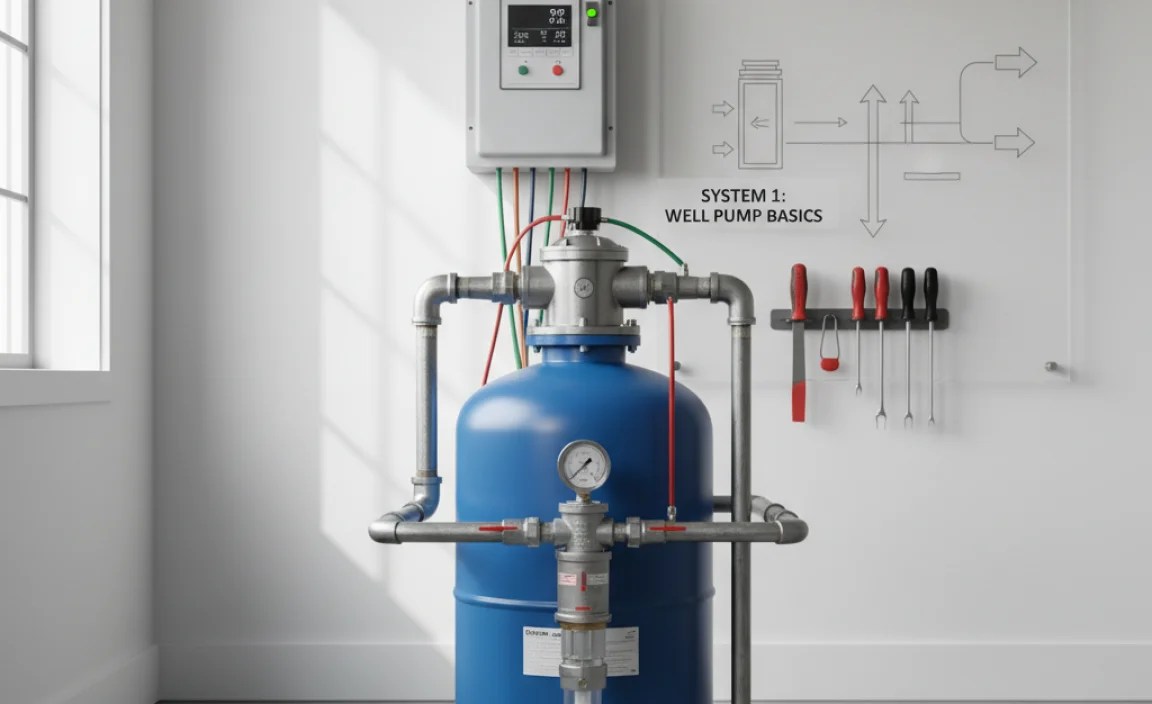
Before we get into run times, let’s quickly cover the basics of how a well pump system works. Understanding these components will make troubleshooting much easier.
Key Components of a Well System
- Well Pump: The heart of the system, responsible for drawing water from the well.
- Pressure Tank: A storage tank that holds water under pressure, providing a steady supply to your home.
- Pressure Switch: Monitors the water pressure in the tank and signals the pump to turn on or off.
- Piping: Carries water from the well to the tank and then to your household fixtures.
How a Well Pump Works
The well pump pushes water from your well into a pressure tank. The pressure tank stores this water and maintains pressure so you have water when you open a tap. When the pressure drops to a certain level (the cut-in pressure), the pressure switch tells the pump to turn on and refill the tank. Once the tank is full and reaches the cut-off pressure, the pump shuts off. This cycle repeats as you use water.
Ideal Well Pump Run Times

So, how long should your well pump be running between cycles? Here’s what to aim for:
- Minimum Run Time: At least one minute. This ensures the pump fills the pressure tank adequately and prevents short cycling.
- Optimal Run Time: 1-3 minutes. This is generally more efficient and helps extend the life of your pump.
- Excessive Run Time: More than 3 minutes. This could indicate a problem, such as a leak in the system or a pump that’s struggling to keep up with demand.
Factors Affecting Well Pump Run Time
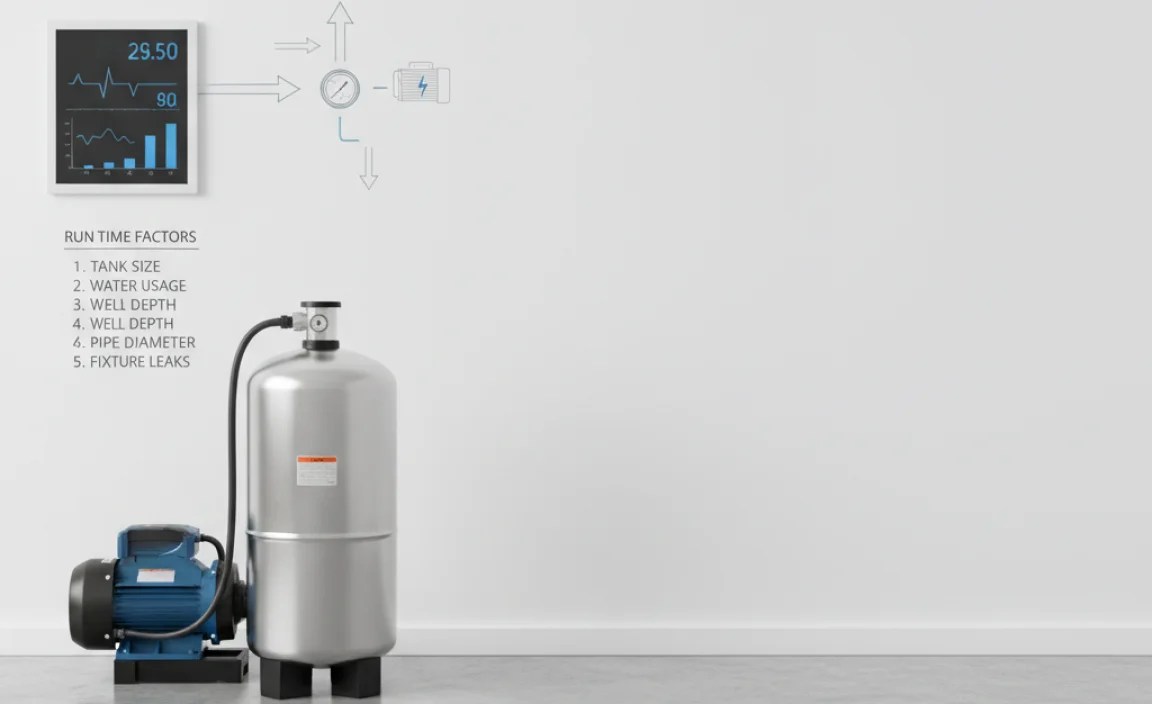
Several factors can influence how long your well pump runs between cycles. Here are some of the most common:
- Tank Size: A larger tank stores more water, so the pump runs less frequently but for longer durations.
- Water Usage: Higher water consumption means the pump will cycle more often.
- Well Recovery Rate: If your well refills slowly, the pump may run longer to replenish the water supply.
- Pump Size and Capacity: A pump that’s too small for your needs will run longer, while an oversized pump may cause short cycling.
- Depth of Well: Deeper wells require more effort to pump water, increasing run times.
Troubleshooting Short Cycling

If your well pump is turning on and off rapidly (short cycling), it’s crucial to identify and address the issue promptly. Short cycling puts unnecessary stress on the pump, leading to premature failure.
Common Causes of Short Cycling
- Waterlogged Pressure Tank: This is the most common cause. Over time, the air bladder in the tank can lose pressure, reducing its water storage capacity.
- Faulty Pressure Switch: A malfunctioning pressure switch can send incorrect signals to the pump, causing it to cycle erratically.
- Leaks in the System: Leaks in the piping or fixtures can cause a drop in pressure, triggering the pump to turn on frequently.
- Clogged or Damaged Well Screen: A blocked well screen restricts water flow, making the pump work harder and cycle more often.
- Incorrect Pump Size: An oversized pump can fill the tank too quickly, leading to short cycles.
Step-by-Step Troubleshooting Guide
Follow these steps to diagnose and fix short cycling issues:
- Check the Pressure Tank:
- Tap on the side of the tank. A hollow sound at the top and a solid sound at the bottom indicate a properly functioning air bladder. If it sounds full of water, the bladder may be waterlogged.
- Use a tire pressure gauge to check the air pressure in the tank. It should be 2 PSI below the cut-in pressure of your pump (usually around 28 PSI). If it’s lower, add air using an air compressor. If water comes out of the valve, the bladder is likely ruptured and needs replacement.
- Inspect the Pressure Switch:
- Ensure the pressure switch is clean and free of debris.
- Check the wiring connections to make sure they are secure.
- If the switch appears damaged or corroded, replace it.
- Look for Leaks:
- Check all visible pipes and fittings for leaks.
- Inspect faucets, toilets, and other fixtures for drips or running water.
- Listen for the sound of water running when all fixtures are turned off.
- Examine the Well Screen:
- This is more involved and may require professional help. If you suspect a clogged well screen, contact a well service company to inspect and clean or replace it.
- Evaluate Pump Size:
- Determine if your pump is appropriately sized for your home’s water needs. Consult a well professional to assess your pump’s capacity and recommend a suitable replacement if necessary.
Extending the Life of Your Well Pump

Proper maintenance is key to keeping your well pump running efficiently and avoiding costly repairs. Here are some tips to extend its lifespan:
- Regularly Inspect the Pressure Tank: Check the air pressure every 6 months and recharge as needed.
- Monitor Water Usage: Be mindful of excessive water use, which can strain the pump.
- Install a Whole-House Water Filter: This protects the pump from sediment and debris that can cause damage.
- Schedule Professional Inspections: Have your well system inspected annually by a qualified well service company.
Choosing the Right Well Pump
Selecting the right well pump for your needs is crucial for optimal performance and longevity. Here’s what to consider:
- Well Depth: Determine the depth of your well to choose a pump with sufficient lift capacity.
- Water Demand: Calculate your household’s water usage to select a pump that can meet your needs.
- Pump Type: Choose between submersible pumps (for deeper wells) and jet pumps (for shallower wells) based on your well’s characteristics.
- Horsepower: Select the appropriate horsepower based on well depth, water demand, and pump type.
Submersible vs. Jet Pumps
The type of pump you need depends largely on the depth of your well. Here’s a quick comparison:
| Feature | Submersible Pump | Jet Pump |
|---|---|---|
| Location | Inside the well, submerged in water | Above ground, usually near the well |
| Well Depth | Suitable for deep wells (over 25 feet) | Suitable for shallow wells (25 feet or less) |
| Efficiency | More efficient for deeper wells | Less efficient for deeper wells |
| Noise Level | Quieter operation | Noisier operation |
| Maintenance | More difficult to access for maintenance | Easier to access for maintenance |
Cost Considerations
When dealing with well pump issues, it’s important to factor in the potential costs involved. Here’s a breakdown:
| Item | Average Cost |
|---|---|
| Pressure Tank Replacement | $300 – $800 |
| Pressure Switch Replacement | $50 – $150 |
| Well Pump Replacement (Submersible) | $800 – $2,500 |
| Well Pump Replacement (Jet) | $500 – $1,500 |
| Professional Inspection | $100 – $300 |
These costs can vary depending on the specific components, labor rates in your area, and the complexity of the job.
DIY vs. Professional Help
Deciding whether to tackle well pump issues yourself or hire a professional depends on your comfort level and the complexity of the problem.
When to DIY
- Simple Troubleshooting: Checking pressure tank air pressure, inspecting for leaks, and replacing a pressure switch are tasks most homeowners can handle.
- Minor Repairs: Replacing a faulty fitting or unclogging a pipe.
When to Call a Professional
- Complex Issues: Replacing a well pump, dealing with a clogged well screen, or addressing significant plumbing problems require specialized knowledge and equipment.
- Safety Concerns: Working with electricity and heavy equipment can be dangerous. If you’re not comfortable, it’s best to leave it to the pros.
- Warranty Issues: Improper repairs can void the warranty on your well pump or other components.
Emergency Situations
Certain well pump problems require immediate attention to prevent further damage or water shortages. Here are some emergency situations:
- Complete Pump Failure: No water supply indicates a potential pump failure.
- Continuous Pump Running: If the pump runs constantly without shutting off, it could overheat and burn out.
- Contaminated Water: Discolored, smelly, or bad-tasting water could indicate contamination and requires immediate testing and treatment.
In these situations, contact a well service company immediately for assistance.
Well Pump Maintenance Checklist
Here’s a simple checklist to help you maintain your well pump system:
- Monthly: Listen for unusual noises or cycling patterns.
- Every 6 Months: Check pressure tank air pressure and recharge if needed.
- Annually: Inspect visible pipes and fittings for leaks.
- Every 2-3 Years: Schedule a professional well inspection.
Frequently Asked Questions (FAQ)
1. How do I know if my well pump is short cycling?
Short cycling is when your well pump turns on and off rapidly, often in less than a minute. You’ll notice the pump starting and stopping frequently, which can be both noisy and inefficient.
2. What is a waterlogged pressure tank?
A waterlogged pressure tank is when the air bladder inside the tank loses its air pressure, causing the tank to fill mostly with water. This reduces the tank’s ability to store water under pressure, leading to short cycling.
3. Can I replace a well pump myself?
Replacing a well pump can be a complex and potentially dangerous job, especially for submersible pumps. It’s generally recommended to hire a professional unless you have experience with plumbing and electrical work.
4. How often should I have my well water tested?
It’s recommended to test your well water at least once a year for bacteria, nitrates, and other common contaminants. More frequent testing may be necessary if you notice changes in water quality or live near agricultural or industrial areas.
5. What is the ideal pressure setting for my well pump?
Most well pumps have a cut-in pressure of 30 PSI and a cut-off pressure of 50 PSI. However, check your pump’s manual or consult a well professional to determine the ideal pressure settings for your specific system.
6. What are the signs of a failing well pump?
Signs of a failing well pump include reduced water pressure, fluctuating water pressure, rusty or dirty water, unusual noises from the pump, and the pump running constantly.
7. How long does a well pump typically last?
A well-maintained well pump can last anywhere from 10 to 15 years, or even longer. However, factors like water quality, usage, and pump type can affect its lifespan.
Conclusion
Understanding how long your well pump should run between cycles is essential for maintaining a healthy and efficient water system. By monitoring run times, troubleshooting common issues like short cycling, and following a regular maintenance schedule, you can extend the life of your pump and avoid costly repairs. Whether you choose to tackle simple tasks yourself or enlist the help of a professional, staying informed and proactive is the best way to keep your water flowing smoothly for years to come. So, keep an ear out for those pump cycles, and don’t hesitate to address any issues promptly. Your well (and your wallet) will thank you!
“`