
Can Interrupting a Water Pump’s Cycle Cause Burnout?

Quick Summary: Yes, frequently interrupting a water pump’s cycle can lead to premature burnout. Starting a pump requires a surge of energy. Constant starts and stops generate excess heat, strain components, and shorten the pump’s lifespan. Protecting your pump involves minimizing interruptions and ensuring proper installation and maintenance.
Water pumps are essential for many homes and businesses, providing the water pressure needed for daily activities. But have you ever wondered if turning a pump on and off too frequently could damage it? It’s a common concern, and rightly so. Constantly interrupting a water pump’s cycle can indeed lead to problems, potentially causing it to burn out sooner than expected. But don’t worry! This article will break down the reasons why this happens and provide simple steps you can take to protect your pump and extend its life. Let’s get started and keep your water flowing smoothly.
Understanding How Water Pumps Work
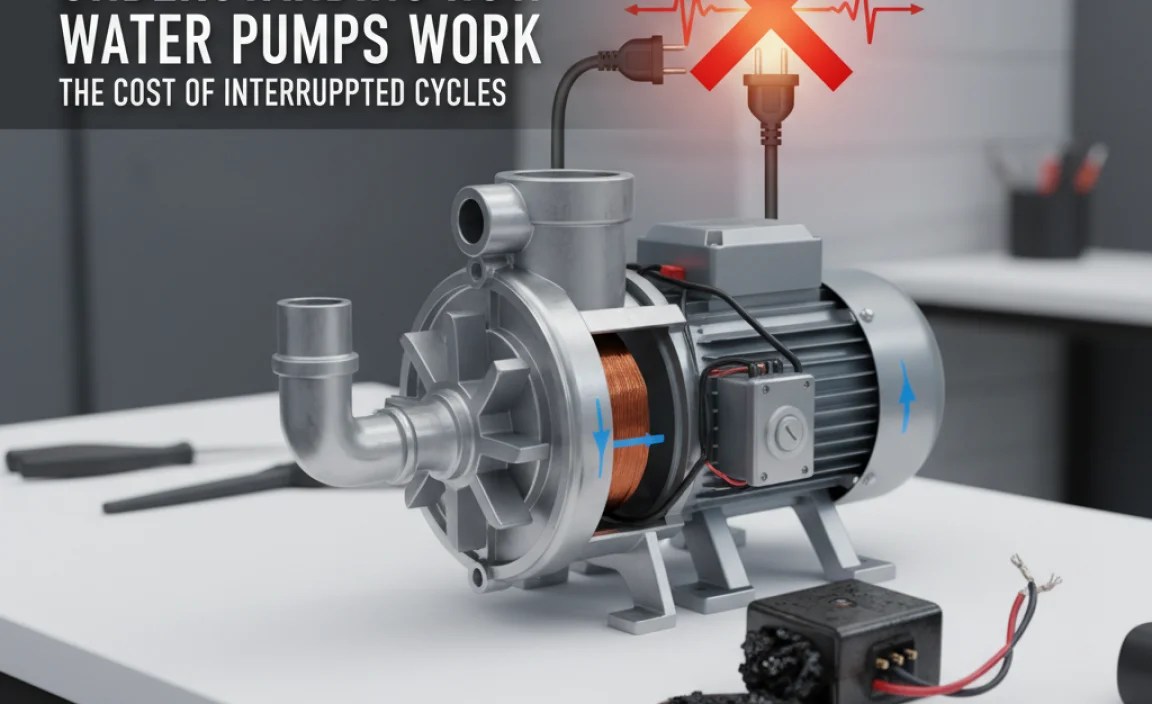
Before diving into the effects of interrupting a water pump’s cycle, it’s important to understand how these pumps operate. This knowledge will help you better grasp why frequent starts and stops can be harmful.
Basic Components of a Water Pump
A typical water pump consists of several key components working together:
- Motor: The heart of the pump, providing the power to drive the impeller or piston.
- Impeller or Piston: These components create the pressure needed to move water. Impellers are used in centrifugal pumps, while pistons are found in positive displacement pumps.
- Pump Housing: Encloses the internal components and directs the flow of water.
- Pressure Switch: Monitors the water pressure and signals the motor to turn on or off to maintain a set pressure range.
- Pressure Tank: Stores water under pressure, reducing the frequency of pump starts and stops.
The Pumping Cycle Explained
Here’s a simplified breakdown of a typical water pump’s operation:
- Demand for Water: When you turn on a faucet or appliance, water is drawn from the pressure tank.
- Pressure Drop: As water is used, the pressure in the tank decreases.
- Pressure Switch Activation: When the pressure drops to a pre-set low point (e.g., 40 PSI), the pressure switch signals the motor to start.
- Pump Operation: The motor powers the impeller or piston, which draws water from the source (well, tank, etc.) and pumps it into the pressure tank.
- Pressure Build-Up: As the pump fills the tank, the pressure increases.
- Pressure Switch Deactivation: Once the pressure reaches a pre-set high point (e.g., 60 PSI), the pressure switch turns the motor off.
- Cycle Repeat: The cycle repeats as water is used and the pressure drops again.
Why Interrupting the Cycle is Harmful
Now that you understand the basic operation of a water pump, let’s explore why frequently interrupting this cycle can be detrimental to the pump’s health and longevity.
Increased Motor Stress
Starting an electric motor requires a significant surge of electrical current, often several times the normal running current. This surge puts stress on the motor’s windings and other electrical components. When a pump starts and stops frequently, it experiences these high-current surges more often, leading to:
- Overheating: The increased current generates heat, which can degrade the insulation on the motor windings over time.
- Winding Damage: Repeated thermal stress can cause the windings to crack or short circuit, eventually leading to motor failure.
- Reduced Lifespan: The overall lifespan of the motor is shortened due to the cumulative effects of stress and heat.
Wear and Tear on Mechanical Components
Besides the motor, other mechanical parts of the pump also suffer from frequent starts and stops. These include:
- Impeller/Piston: Sudden starts and stops create stress on these components, potentially leading to cracks or wear.
- Bearings: The bearings that support the motor shaft and impeller/piston can wear out more quickly due to the constant changes in speed and direction.
- Seals: The seals that prevent water from leaking out of the pump can degrade due to the pressure fluctuations and mechanical stress.
Potential for Water Hammer
Water hammer is a phenomenon that occurs when the flow of water in a pipe is suddenly stopped or changed. This can create a pressure surge that travels through the pipes, causing noise and potentially damaging the pipes, fittings, and the pump itself. Frequent pump starts and stops can exacerbate water hammer, especially in systems with long pipe runs or quick-closing valves. You can learn more about water hammer and how to prevent it from the PICA organization.
Impact on Pressure Tank
The pressure tank plays a crucial role in reducing the number of pump starts and stops. However, frequent interruptions can negatively impact the tank’s performance.
- Bladder Stress: In bladder-type pressure tanks, the bladder separates the water from the air. Frequent pressure changes can stress the bladder material, leading to premature failure.
- Air Loss: In non-bladder tanks, air gradually dissolves into the water, reducing the air cushion. Frequent cycling accelerates this process, requiring more frequent air recharging.
Factors That Contribute to Frequent Cycling

Several factors can cause a water pump to cycle on and off more frequently than it should. Identifying and addressing these factors is essential for protecting your pump.
Small or Inadequate Pressure Tank
A pressure tank that is too small for the water demand will cause the pump to start and stop more often. The tank should be sized appropriately based on the pump’s flow rate and the household’s water usage patterns. Generally, a larger tank is better as it reduces the cycling frequency.
Water Leaks
Even small leaks in the plumbing system can cause a gradual pressure drop, triggering the pump to turn on intermittently. Common sources of leaks include:
- Leaky Faucets: Dripping faucets can waste a surprising amount of water over time.
- Running Toilets: A toilet that doesn’t seal properly after flushing can continuously leak water into the drain.
- Pipe Leaks: Cracks or loose connections in the pipes can cause water to seep out.
Faulty Check Valve
A check valve is designed to prevent water from flowing back into the well or source when the pump is off. If the check valve is faulty, water can leak back, causing the pressure to drop and the pump to cycle on unnecessarily. It’s important to regularly inspect your check valve.
Incorrect Pressure Switch Settings
The pressure switch controls the on and off points of the pump. If the settings are too close together (e.g., 40/50 PSI instead of 40/60 PSI), the pump will cycle more frequently. Make sure the pressure switch is properly calibrated and set to the recommended range for your system.
High Water Demand
Periods of high water usage, such as watering the lawn, taking multiple showers simultaneously, or running several appliances at once, can strain the pump and cause it to cycle more often. Try to stagger water usage to reduce the demand on the pump.
How to Prevent Premature Burnout

Now that you know the causes and consequences of frequent pump cycling, let’s discuss some practical steps you can take to prevent premature burnout and extend the life of your water pump.
Install the Right Size Pressure Tank
Choosing the correct size pressure tank is crucial for minimizing pump cycling. Here’s a general guideline:
Estimate Water Demand: Calculate the average daily water usage for your household or business. Consider the number of people, the types of appliances used, and any outdoor water needs.
Consult a Professional: A qualified plumber or well technician can help you determine the appropriate tank size based on your specific needs and the pump’s specifications.
Consider Future Needs: If you anticipate an increase in water demand in the future (e.g., adding a bathroom or expanding the lawn), choose a tank that can accommodate the increased usage.
Here’s a table illustrating general pressure tank sizing guidelines based on household size:
| Household Size (People) | Recommended Tank Size (Gallons) |
|---|---|
| 1-2 | 20-30 |
| 3-4 | 30-40 |
| 5-6 | 40-60 |
| 7+ | 60+ |
Note: These are just general guidelines. Actual tank size may vary depending on water usage habits and pump specifications.
Fix Leaks Promptly
Addressing leaks quickly can significantly reduce pump cycling. Here’s how to identify and fix common leaks:
- Check Faucets and Toilets: Look for drips or signs of water around faucets and toilets. Replace worn washers or flappers as needed.
- Inspect Pipes and Fittings: Examine exposed pipes and fittings for signs of corrosion or leaks. Tighten loose connections or replace damaged sections.
- Monitor Water Meter: If you suspect a hidden leak, turn off all water-using appliances and fixtures and check the water meter. If the meter is still running, there’s likely a leak somewhere in the system.
Maintain the Check Valve
A properly functioning check valve is essential for preventing backflow and reducing pump cycling. Here’s how to maintain it:
- Inspect Regularly: Check the check valve periodically for signs of wear or damage.
- Clean or Replace: If the valve is dirty or corroded, clean it thoroughly or replace it if necessary.
- Install a High-Quality Valve: Choose a durable, reliable check valve that is designed for well or pump applications.
Adjust Pressure Switch Settings
Properly adjusting the pressure switch can optimize pump performance and reduce cycling. Here’s how:
- Locate the Pressure Switch: The pressure switch is typically located near the pressure tank.
- Identify Adjustment Screws: Look for screws or nuts that control the cut-in (low pressure) and cut-out (high pressure) settings.
- Adjust the Settings: Use a screwdriver or wrench to adjust the settings according to the pump manufacturer’s recommendations. A common setting is 40/60 PSI.
- Monitor Performance: After adjusting the settings, monitor the pump’s cycling behavior to ensure it is operating correctly.
Manage Water Usage
Managing water usage can help reduce the strain on the pump and minimize cycling. Here are some tips:
- Stagger Water Usage: Avoid running multiple water-using appliances simultaneously.
- Use Water-Efficient Fixtures: Install low-flow showerheads, toilets, and faucets to reduce water consumption.
- Water Wisely: Water lawns and gardens during off-peak hours (early morning or late evening) to reduce evaporation and water waste.
Consider a Variable Frequency Drive (VFD)
A Variable Frequency Drive (VFD) can be a worthwhile investment for larger homes or commercial applications. VFDs control the speed of the pump motor, allowing it to deliver water at a constant pressure while using only the energy needed. This reduces stress on the motor, minimizes energy consumption, and extends the pump’s lifespan. You can learn more about VFDs from reputable manufacturers like Yaskawa.
Here’s a table summarizing the benefits and drawbacks of using a VFD:
| Aspect | Benefits | Drawbacks |
|---|---|---|
| Energy Efficiency | Significant energy savings by adjusting motor speed to match demand. | Higher initial cost compared to traditional pumps. |
| Pump Lifespan | Reduced stress on the motor and mechanical components, extending lifespan. | Requires professional installation and programming. |
| Water Pressure | Maintains constant water pressure, even during peak demand. | May require modifications to existing plumbing. |
| Noise Reduction | Quieter operation due to smoother motor control. |
When to Call a Professional
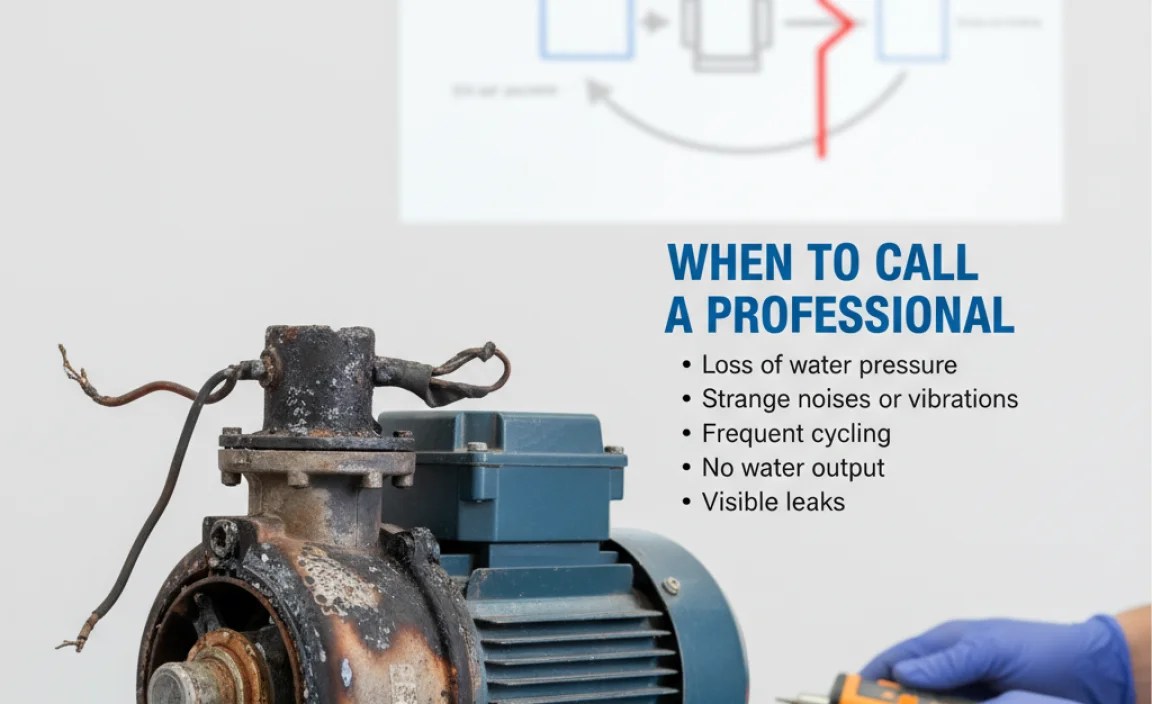
While many pump-related issues can be addressed with DIY solutions, some situations require the expertise of a qualified professional. Here are some signs that it’s time to call a plumber or well technician:
- Frequent Pump Cycling Despite Troubleshooting: If you’ve tried the above steps and the pump is still cycling frequently, there may be a more complex issue.
- Unusual Noises: Grinding, squealing, or banging noises coming from the pump could indicate a mechanical problem.
- Low Water Pressure: Consistently low water pressure, even when the pump is running, could be a sign of pump failure or a blockage in the well.
- Electrical Issues: If you notice any electrical problems, such as tripped breakers or sparking, do not attempt to fix them yourself. Call a qualified electrician.
- Contaminated Water: If you suspect that your water is contaminated, have it tested and consult with a professional about appropriate treatment options.
FAQ About Water Pump Cycling
Here are some frequently asked questions about water pump cycling and its effects:
Q: How often should my water pump cycle on and off?
A: A healthy water pump should cycle on and off a few times per day, depending on your water usage. If it’s cycling more than a few times per hour, there’s likely an issue that needs to be addressed.
Q: Can a small leak really cause my pump to burn out?
A: Yes, even a small, seemingly insignificant leak can cause your pump to cycle frequently, leading to increased wear and tear and potential burnout over time.
Q: Is it better to have a larger or smaller pressure tank?
A: Generally, a larger pressure tank is better because it reduces the frequency of pump starts and stops, extending the pump’s lifespan. However, the tank should be sized appropriately for your water demand.
Q: How do I know if my check valve is bad?
A: Signs of a bad check valve include frequent pump cycling, water flowing back into the well when the pump is off, and low water pressure.
Q: Can I adjust the pressure switch myself?
A: Yes, you can adjust the pressure switch yourself, but it’s important to follow the manufacturer’s instructions carefully and ensure that the settings are within the recommended range.
Q: What is water hammer, and how can I prevent it?
A: Water hammer is a pressure surge that occurs when the flow of water is suddenly stopped or changed. You can prevent it by installing water hammer arrestors, using slow-closing valves, and avoiding abrupt changes in water flow.
Q: Are VFDs worth the investment?
A: VFDs can be a worthwhile investment for larger homes or commercial applications, as they can significantly reduce energy consumption and extend the pump’s lifespan. However, they have a higher initial cost and require professional installation.
Conclusion
Interrupting a water pump’s cycle can indeed lead to premature burnout, but understanding the causes and taking proactive steps can significantly extend the life of your pump. By ensuring you have the right size pressure tank, promptly fixing leaks, maintaining the check valve, managing water usage, and considering advanced solutions like VFDs, you can minimize pump cycling and protect your investment. Remember, regular maintenance and timely repairs are key to keeping your water system running smoothly and efficiently for years to come. Now you have the knowledge to keep your pump – and your water pressure – in great shape!
“`


