
Can You Interrupt a Water Pump’s Cycle by Running Water?

Quick Summary: Yes, you can interrupt a water pump’s cycle by running water, but it depends on the type of pump and how it’s controlled. For pressure tank systems, using water will cause the pump to turn on to replenish the pressure. For constant pressure systems, the pump adjusts to meet the demand. However, frequent short cycling due to minimal water usage can strain the pump and shorten its lifespan.
Ever wondered what happens when you’re taking a shower and someone flushes the toilet? Does that water pump under your house suddenly kick into overdrive, or does it just keep humming along? Understanding how your water pump reacts to different water demands can save you from unexpected plumbing issues and even extend the life of your pump. Many homeowners get confused about how their well pump interacts with household water usage. Let’s clear up the mystery and help you understand how running water affects your water pump’s cycle. We’ll break down the different types of systems and what to expect from each, so you can keep your water flowing smoothly. Ready to dive in?
Understanding Water Pump Basics
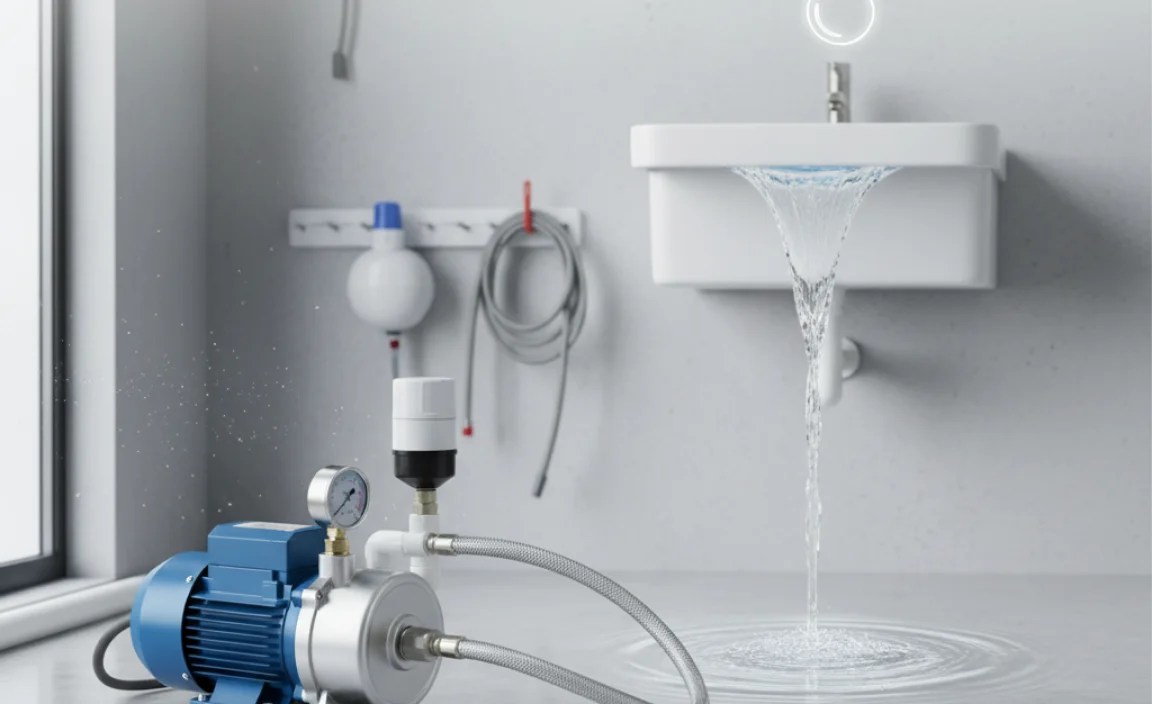
Before we get into interrupting cycles, let’s cover the basics of how water pumps work in residential settings. This knowledge will help you better understand the nuances of how your water usage affects the pump.
Types of Water Pump Systems
There are two main types of water pump systems commonly found in homes:
- Pressure Tank Systems: These are the more traditional setups. A well pump fills a pressure tank, and that stored, pressurized water is what you use when you turn on a faucet. The pump kicks on to refill the tank when the pressure drops to a certain level.
- Constant Pressure Systems: These systems use a variable speed pump and a control system to maintain a constant water pressure, regardless of how much water you’re using. They don’t rely on a large storage tank.
How Pressure Tank Systems Work
Here’s a step-by-step look at how a pressure tank system operates:
- The pump draws water from the well and pumps it into the pressure tank.
- As the tank fills, the air inside is compressed, increasing the water pressure.
- A pressure switch monitors the water pressure.
- When you open a faucet, water flows from the tank, and the pressure drops.
- When the pressure drops to the “cut-in” pressure (e.g., 40 PSI), the pressure switch activates the pump.
- The pump runs until the pressure reaches the “cut-out” pressure (e.g., 60 PSI), then the pump shuts off.
How Constant Pressure Systems Work
Constant pressure systems work differently:
- A variable speed pump draws water from the well.
- A control system monitors the water pressure in real-time.
- When you use water, the control system adjusts the pump’s speed to maintain a constant pressure.
- If you use more water, the pump speeds up. If you use less, it slows down.
- There’s typically a small pressure tank, but its primary function is to prevent rapid cycling, not to store a large volume of water.
Can Running Water Interrupt the Pump’s Cycle?

Now, let’s get to the main question: Can you interrupt a water pump’s cycle by running water? The answer depends on the type of system you have.
Pressure Tank Systems
Yes, running water will interrupt the pump’s cycle in a pressure tank system. Here’s why:
- When you open a faucet, you’re drawing water from the pressure tank.
- This causes the water pressure in the tank to drop.
- Once the pressure drops to the cut-in pressure, the pump will turn on to refill the tank.
- The pump will continue to run until the pressure reaches the cut-out pressure, even if you close the faucet before then.
However, if you only use a small amount of water, the pressure might not drop enough to trigger the pump. This can lead to a phenomenon called “short cycling,” which we’ll discuss later.
Constant Pressure Systems
In a constant pressure system, running water doesn’t exactly “interrupt” the cycle, but it does affect the pump’s operation. Here’s how:
- When you open a faucet, the control system senses the drop in pressure.
- The control system increases the pump’s speed to maintain the set pressure.
- The pump adjusts its speed in real-time based on the water demand.
- When you close the faucet, the pump slows down to match the reduced demand.
The pump is always running in response to water usage, so there isn’t a distinct on/off cycle like in a pressure tank system.
The Problem of Short Cycling

Short cycling is a common issue, especially with pressure tank systems. It refers to the pump turning on and off too frequently in a short period. This can happen when:
- There’s a small leak in the plumbing.
- The pressure tank is waterlogged (lacking sufficient air charge).
- Someone uses a very small amount of water (e.g., rinsing a glass).
Short cycling is bad for the pump because:
- It causes excessive wear and tear on the motor and other components.
- It can lead to overheating and premature pump failure.
- It wastes energy.
How to Prevent Short Cycling

Here are some steps you can take to prevent short cycling:
- Check for Leaks: Regularly inspect your plumbing for any leaks, even small drips. Repair them promptly.
- Maintain the Pressure Tank: Check the air charge in your pressure tank regularly (typically with a tire pressure gauge). The air pressure should be 2 PSI below the cut-in pressure of the pump. If the tank is waterlogged, drain it and recharge it with air.
- Consider a Larger Pressure Tank: If you frequently experience short cycling due to small water draws, a larger pressure tank can help. It will store more water, reducing the frequency of pump starts.
- Inspect the Check Valve: A faulty check valve can cause water to flow back into the well, leading to pressure loss and short cycling. Replace the check valve if necessary.
Troubleshooting Common Water Pump Issues
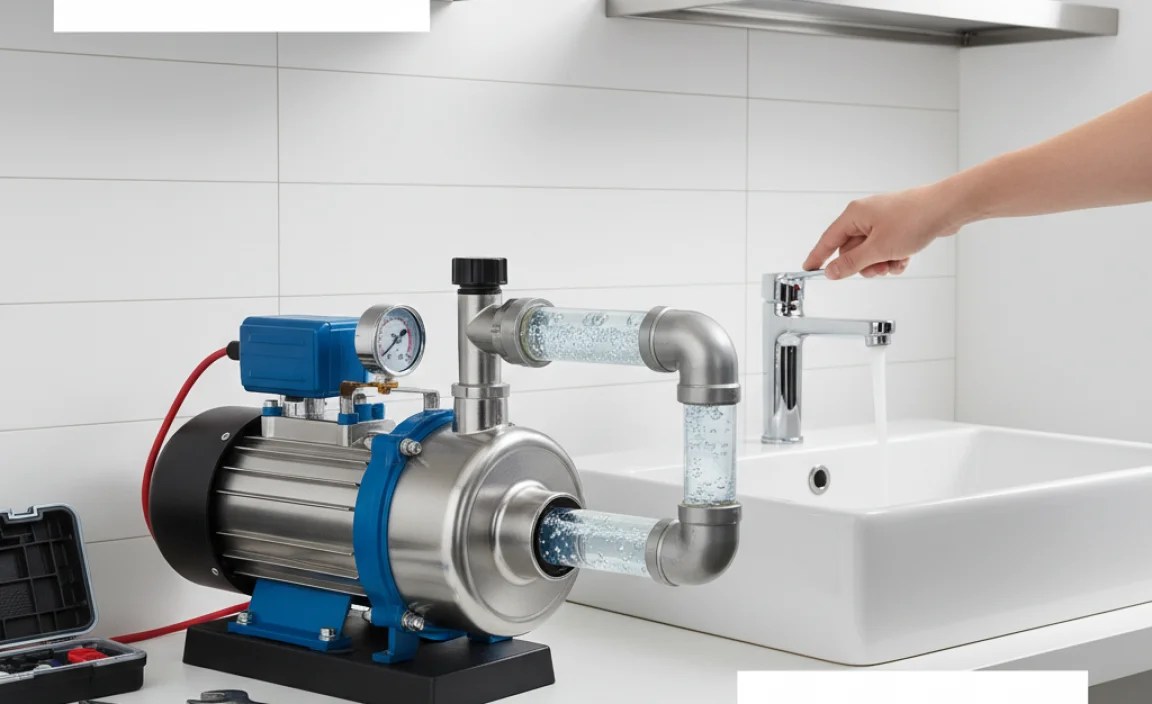
Besides short cycling, here are some other common water pump issues and how to troubleshoot them:
Problem: No Water
Possible Causes:
- Pump not getting power
- Tripped circuit breaker
- Low water level in the well
- Failed pump
Troubleshooting Steps:
- Check the circuit breaker to ensure it hasn’t tripped.
- Verify the pump is getting power.
- Check the water level in the well (if accessible).
- If the pump is old or has been making strange noises, it may need to be replaced.
Problem: Low Water Pressure
Possible Causes:
- Clogged well screen
- Failing pump
- Leaks in the plumbing
- Incorrect pressure tank settings
Troubleshooting Steps:
- Check for leaks in your plumbing.
- Inspect the well screen for clogs (this may require a professional).
- Check the pressure tank’s air charge and adjust if necessary.
- If the pump is old or weak, it may need to be replaced.
Problem: Pump Runs Constantly
Possible Causes:
- Large leak in the plumbing
- Faulty pressure switch
- Saturated pressure tank
Troubleshooting Steps:
- Check for leaks in your plumbing, especially in hidden areas.
- Inspect the pressure switch for damage or malfunction.
- Check the pressure tank’s air charge and recharge if necessary.
Choosing the Right Water Pump System
When selecting a water pump system for your home, consider the following factors:
- Water Demand: How much water do you typically use? A larger household will require a more powerful pump and a larger pressure tank (if using a pressure tank system).
- Well Depth: The depth of your well will determine the type of pump you need (shallow well vs. deep well).
- Budget: Constant pressure systems are generally more expensive than pressure tank systems.
- Energy Efficiency: Constant pressure systems are often more energy-efficient because they only use the power they need.
Here’s a simple table to compare the two systems at a glance:
| Feature | Pressure Tank System | Constant Pressure System |
|---|---|---|
| Pressure Delivery | Variable, decreases as tank empties | Consistent, maintains set pressure |
| Energy Use | Less efficient, on/off cycles | More efficient, variable speed |
| Cost | Lower initial cost | Higher initial cost |
| Complexity | Simpler design | More complex controls |
| Maintenance | Easier to maintain | Requires skilled technician |
Extending the Life of Your Water Pump
Here are some tips for extending the life of your water pump:
- Regular Maintenance: Perform regular maintenance, such as checking the pressure tank’s air charge and inspecting for leaks.
- Protect from Freezing: In cold climates, protect your pump and plumbing from freezing.
- Use a Well Screen: A well screen prevents sediment from entering the pump, which can cause damage.
- Avoid Dry Running: Never run the pump dry, as this can damage the motor.
- Consider a Pump Controller: A pump controller can protect the pump from overloads, voltage fluctuations, and other issues.
FAQ About Water Pump Cycles
1. How often should my well pump cycle on and off?
For a pressure tank system, a typical cycle might be 1-2 times per hour during normal use. Frequent short cycling (more than a few times per hour) indicates a problem.
2. Is it normal for my water pressure to fluctuate?
With a pressure tank system, some pressure fluctuation is normal as the tank empties and refills. Constant pressure systems should maintain a consistent pressure.
3. How do I check the air pressure in my pressure tank?
Turn off the pump, drain the tank completely, and use a tire pressure gauge to check the air pressure at the Schrader valve (like on a tire). Adjust as needed.
4. What is a pressure switch, and what does it do?
A pressure switch is a device that monitors the water pressure in the tank. It turns the pump on when the pressure drops to the cut-in pressure and off when it reaches the cut-out pressure.
5. Can I replace a water pump myself?
Replacing a water pump can be a complex and potentially dangerous task, involving electrical and plumbing work. It’s generally best to hire a qualified professional, especially if you’re not experienced in these areas.
6. How long should a water pump last?
A well-maintained water pump can last 10-15 years or even longer. Factors like water quality, usage, and maintenance all affect its lifespan.
7. What are the signs that my water pump is failing?
Signs of a failing water pump include low water pressure, frequent short cycling, strange noises, and a pump that runs constantly or not at all.
Conclusion
Understanding how your water pump system works and how your water usage affects its cycle is crucial for maintaining a reliable water supply and extending the life of your pump. While running water will certainly trigger the pump in a pressure tank system or adjust the speed in a constant pressure system, being mindful of usage patterns and addressing issues like short cycling can prevent costly repairs and ensure your water keeps flowing smoothly. Remember to regularly inspect your system, maintain the pressure tank, and address any leaks promptly. With a little knowledge and care, you can keep your water pump running efficiently for years to come.
“`


