
What is Short Cycling of a Well Pump? A Simple Guide

Quick Summary: Short cycling is when your well pump turns on and off too frequently in a short period. This usually happens due to low water pressure, a faulty pressure switch, or a waterlogged pressure tank. It puts extra strain on the pump, leading to premature failure. Fixing it promptly can save you money and headaches.
Ever notice your well pump kicking on and off more than usual? It might be a sign of short cycling, a common issue that can wreak havoc on your well system. Imagine your pump working overtime, constantly starting and stopping – it’s like repeatedly slamming on the brakes in your car. Not good! This puts unnecessary stress on the pump and can significantly shorten its lifespan. But don’t worry, understanding why it happens and how to fix it is easier than you think. We’ll walk you through the causes, symptoms, and solutions to get your well pump running smoothly again.
Understanding Well Pump Basics
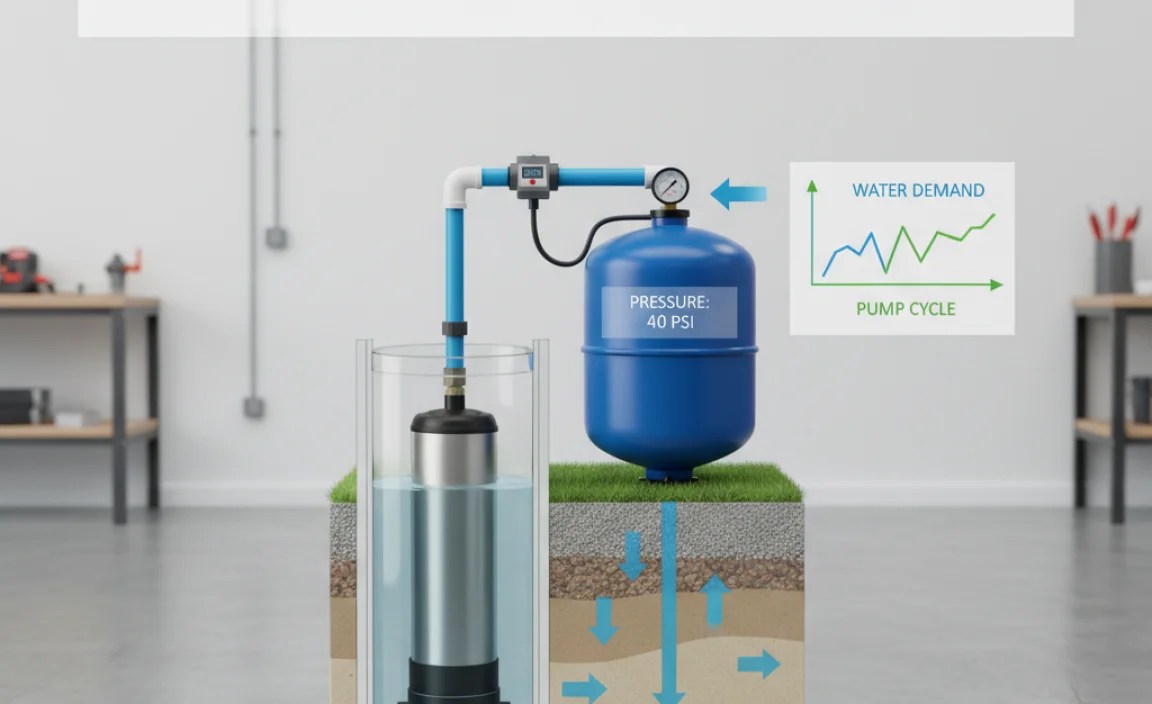
To understand short cycling, let’s quickly review how a typical well pump system works:
- The Well: This is your source of water, deep underground.
- The Submersible Pump: Located inside the well, this pump pushes water up to your house.
- The Pressure Tank: A storage tank that holds a supply of pressurized water. This tank minimizes how often the pump needs to turn on.
- The Pressure Switch: This switch monitors the water pressure in the tank. When the pressure drops to a certain level (the “cut-in” pressure), it tells the pump to turn on. When the pressure reaches the desired level (the “cut-out” pressure), it tells the pump to turn off.
- Piping: Connects all components and delivers water to your home.
The system is designed to maintain a consistent water pressure in your home, using the pressure tank as a buffer. Now, let’s see what happens when things go wrong.
What is Short Cycling?

Short cycling occurs when your well pump turns on and off too frequently within a short period. Instead of running for a longer period and then resting, it’s constantly starting and stopping. This rapid cycling puts excessive strain on the pump motor and other components.
Think of it like this: imagine trying to sprint a marathon. You’d quickly tire out, right? The same applies to your well pump. Frequent starts are much harder on the motor than continuous operation.
Causes of Short Cycling

Several factors can contribute to short cycling. Here are the most common culprits:
- Waterlogged Pressure Tank: This is the most frequent cause. A pressure tank should have an air cushion at the top. If this cushion is lost and the tank fills with water, the pump will cycle on and off rapidly because there’s no air to compress and maintain pressure.
- Incorrect Air Pressure in the Tank: If the air pressure in the tank is too high or too low, it can cause the pump to short cycle. The air pressure should be slightly below the cut-in pressure of your pressure switch (usually about 2 PSI below).
- Faulty Pressure Switch: A malfunctioning pressure switch might not accurately sense the water pressure, causing it to turn the pump on and off erratically.
- Clogged or Damaged Well Pipe: Restrictions in the piping can reduce water flow, leading to pressure fluctuations and short cycling.
- Low Well Water Level: If the water level in your well is too low, the pump might struggle to draw water and cycle on and off as it tries to maintain pressure. This can happen during periods of drought or if your well’s recovery rate is slow.
- Leaks in the System: Even small leaks in your plumbing can cause a drop in water pressure, triggering the pump to turn on more frequently.
Symptoms of Short Cycling

Recognizing the symptoms of short cycling early can help you address the problem before it causes serious damage. Here are some common signs to watch out for:
- Rapid On/Off Cycling: The most obvious symptom is the pump turning on and off frequently, sometimes every few seconds or minutes.
- Fluctuating Water Pressure: You might notice inconsistent water pressure in your home, with pressure dropping and rising quickly.
- Banging or Pulsating Pipes: The rapid cycling can create water hammer, causing pipes to bang or pulsate.
- Increased Energy Bills: The pump working overtime consumes more electricity, leading to higher energy bills.
- Pump Overheating: Frequent starts generate excess heat, potentially damaging the pump motor.
- Reduced Pump Lifespan: Short cycling significantly reduces the lifespan of your well pump, leading to premature failure.
Diagnosing Short Cycling

Before you can fix short cycling, you need to identify the underlying cause. Here’s a step-by-step approach to diagnosing the problem:
- Check the Pressure Tank: This is the first and most important step.
- Tap the Tank: Gently tap the sides of the tank. A full or mostly full tank will sound solid. An empty tank will sound hollow. If it sounds full, it’s likely waterlogged.
- Check the Air Pressure: Turn off the pump breaker. Locate the Schrader valve (like a tire valve) on top of the tank. Use a tire pressure gauge to check the air pressure. It should be 2 PSI below the pump’s cut-in pressure (usually 30/50 switch means 28 PSI). If water comes out of the valve when you press it, the bladder inside the tank is likely ruptured, and the tank needs to be replaced.
- Inspect the Pressure Switch:
- Check for Corrosion: Look for signs of corrosion or damage on the switch.
- Test the Switch: With the power off, carefully remove the switch cover. Use a multimeter to test the continuity of the switch contacts. If the switch isn’t functioning correctly, it needs to be replaced. (Note: If you are not comfortable working with electrical components, hire a professional)
- Examine the Well Piping:
- Look for Leaks: Check all visible pipes and fittings for leaks. Even small leaks can contribute to short cycling.
- Inspect for Damage: Look for signs of damage, such as cracks or corrosion.
- Check the Well Water Level: If you suspect a low water level, you might need to consult a well professional to measure the static water level in your well.
How to Fix Short Cycling
Once you’ve identified the cause of short cycling, you can take steps to fix the problem. Here are some common solutions:
1. Fix a Waterlogged Pressure Tank
This is often the most effective solution. If the tank is waterlogged but the bladder isn’t ruptured, you can try recharging the air cushion.
- Turn off the pump breaker.
- Drain the Tank: Open a faucet in your house and let the water run until the tank is completely empty. This might take some time.
- Check the Air Pressure: Use a tire pressure gauge to check the air pressure at the Schrader valve on top of the tank.
- Recharge the Air Cushion: If the pressure is low, use an air compressor to add air to the tank until it reaches 2 PSI below the pump’s cut-in pressure (usually 28 PSI for a 30/50 switch).
- Turn the pump breaker back on.
- Monitor the Pump: Observe the pump to see if the short cycling has stopped.
If the bladder is ruptured, you’ll need to replace the entire pressure tank.
2. Adjust or Replace the Pressure Switch
If the pressure switch is faulty, you can try adjusting it or replace it altogether.
- Turn off the pump breaker.
- Locate the Pressure Switch: It’s usually located near the pressure tank.
- Adjust the Pressure Switch (if applicable): Some pressure switches have adjustment screws. Consult the manufacturer’s instructions for the correct settings.
- Replace the Pressure Switch (if necessary): If the switch is damaged or cannot be adjusted, replace it with a new one of the same type. (Note: If you are not comfortable working with electrical components, hire a professional)
- Turn the pump breaker back on.
- Monitor the Pump: Observe the pump to see if the short cycling has stopped.
3. Repair Leaks in the System
Even small leaks can cause short cycling. Repair any leaks you find in the piping or fixtures.
- Identify the Leaks: Carefully inspect all pipes, fittings, and fixtures for leaks.
- Repair the Leaks: Depending on the type of leak, you might need to tighten fittings, replace damaged pipes, or apply sealant.
4. Address Low Well Water Level
If the water level in your well is too low, you might need to deepen the well or install a lower-capacity pump.
- Consult a Well Professional: A qualified well contractor can assess the water level in your well and recommend the best course of action.
5. Clear Clogged Pipes
If you suspect a clogged pipe, try flushing the system or consulting a plumber.
- Flush the System: Open all faucets and let the water run for a while to flush out any debris.
- Consult a Plumber: If flushing doesn’t work, a plumber can use specialized tools to clear the clog.
Preventing Short Cycling
Preventing short cycling is always better than having to fix it. Here are some tips to keep your well pump system running smoothly:
- Regularly Check the Pressure Tank: Check the air pressure in the tank at least once a year.
- Inspect for Leaks: Periodically inspect your plumbing for leaks.
- Maintain Your Well: Have your well inspected and maintained by a qualified professional every few years.
- Monitor Water Usage: Be mindful of your water usage, especially during peak demand periods.
Cost of Repairing Short Cycling
The cost of repairing short cycling can vary depending on the cause and the extent of the damage. Here’s a general idea of what you can expect to pay:
| Repair | Estimated Cost |
|---|---|
| Recharging a Waterlogged Pressure Tank | DIY (minimal cost) |
| Replacing a Pressure Switch | $50 – $200 (including labor) |
| Replacing a Pressure Tank | $200 – $600 (including labor) |
| Repairing Leaks | $50 – $500 (depending on the complexity) |
| Well Deepening or Pump Replacement | $1,000 – $5,000+ |
These are just estimates, and the actual cost can vary depending on your location and the specific circumstances of your situation.
DIY vs. Professional Repair
Some short cycling issues, like recharging a pressure tank or repairing a simple leak, can be handled as DIY projects. However, more complex problems, such as replacing a pressure tank, dealing with electrical components, or addressing low well water levels, are best left to qualified professionals.
DIY:
- Pros: Cost-effective, convenient
- Cons: Requires technical knowledge, potential for mistakes
Professional Repair:
- Pros: Expertise, guaranteed work, safety
- Cons: More expensive
Tools You Might Need
If you decide to tackle some of the repairs yourself, here are some tools you might need:
- Tire Pressure Gauge: For checking the air pressure in the pressure tank.
- Air Compressor: For adding air to the pressure tank.
- Multimeter: For testing the pressure switch. (Note: If you are not comfortable working with electrical components, hire a professional)
- Pipe Wrench: For tightening or loosening pipe fittings.
- Adjustable Wrench: For various plumbing tasks.
- Screwdrivers: For removing and installing screws.
- Plumber’s Tape: For sealing pipe threads.
FAQ About Well Pump Short Cycling
Here are some frequently asked questions about well pump short cycling:
- What is the cut-in and cut-out pressure?
- The cut-in pressure is the pressure at which the pump turns on. The cut-out pressure is the pressure at which the pump turns off. A common setting is 30/50, meaning the pump turns on at 30 PSI and off at 50 PSI.
- How do I know if my pressure tank is the right size?
- The size of your pressure tank depends on your water usage and pump capacity. A general rule of thumb is to have at least 10 gallons of drawdown capacity for every gallon per minute (GPM) of pump capacity. A plumber can help you determine the appropriate size.
- Can short cycling damage my appliances?
- Yes, fluctuating water pressure caused by short cycling can damage appliances like washing machines, dishwashers, and water heaters.
- Is it safe to drink water from a well that is short cycling?
- Short cycling itself doesn’t directly contaminate your water. However, the underlying causes, such as a damaged well or plumbing, can potentially affect water quality. It’s always a good idea to have your well water tested regularly, especially if you notice any changes in taste, odor, or appearance.
- How often should I have my well pump inspected?
- It’s generally recommended to have your well pump inspected by a qualified professional every 1-3 years.
- What does drawdown mean in relation to well pumps?
- Drawdown refers to the amount of water that can be drawn from the pressure tank between the pump’s cut-out and cut-in pressures. A larger drawdown capacity means the pump will cycle less frequently.
- Can a leaking toilet cause short cycling?
- Yes, a continuously running or leaking toilet can cause a slow but steady drop in water pressure, leading to the pump short cycling, especially at night.
Conclusion
Short cycling can be a real pain, but understanding the causes and symptoms is the first step towards solving the problem. By following the steps outlined in this guide, you can diagnose the issue and take appropriate action to fix it. Whether you choose to tackle the repairs yourself or hire a professional, addressing short cycling promptly will protect your well pump, save you money on energy bills, and ensure a reliable water supply for your home. Don’t let your pump work harder than it needs to – a little maintenance goes a long way!
“`


