
How to Cycle Your Water Pump: A Step-by-Step Guide

Quick Summary: Cycling your water pump ensures it stays in good working order, preventing stagnant water and potential damage. To cycle it, simply run the pump periodically by turning it on for a few minutes each week, allowing fresh water to circulate through the system. This simple routine extends the life of your pump and keeps your water supply clean.
Ever wondered why your water pump seems to sputter or smell a bit funky after sitting unused for a while? It’s a common issue! When pumps sit idle, the water inside can stagnate, leading to unpleasant odors and potential damage to the pump itself. The good news is that cycling your water pump is a simple task that anyone can do. Think of it as a little exercise routine for your pump, keeping it healthy and ready to go when you need it. In this guide, I’ll walk you through each step, making sure your pump stays in tip-top shape.
Ready to learn how to keep your water pump running smoothly? Let’s get started!
Why Cycling Your Water Pump Matters

Before we dive into the “how,” let’s understand the “why.” Cycling your water pump is about more than just keeping things fresh. Here’s a breakdown of the key benefits:
- Prevents Stagnant Water: Still water breeds bacteria and algae, leading to unpleasant tastes and odors. Regular cycling keeps the water moving, preventing this.
- Reduces Corrosion: Stagnant water can also promote corrosion inside the pump and pipes. Fresh water helps to minimize this.
- Extends Pump Life: Regular use keeps the pump’s internal components lubricated and prevents them from seizing up due to inactivity.
- Maintains Water Quality: By preventing the buildup of contaminants, cycling ensures that the water you use remains clean and safe.
Think of it like this: a car that sits in the garage for months will often have more problems than one that’s driven regularly. The same principle applies to your water pump!
Tools and Materials You’ll Need

The good news is that you likely won’t need any special tools or materials to cycle your water pump. Here’s a quick list:
- Your Water Pump: Obviously! Make sure you know where it’s located and how to access it.
- A Power Source: Ensure the pump is properly connected to a power source (if electric).
- A Water Source: The pump needs access to water to cycle properly.. If the pump is connected to a tank, ensure there’s water in the tank.
- A Container or Drain: You’ll need a way to dispose of the water that’s pumped out. This could be a bucket, a sink, or an outdoor drain.
- Optional: Gloves: To keep your hands clean.
That’s it! Simple, right? Now let’s move on to the step-by-step instructions.
Step-by-Step Guide to Cycling Your Water Pump

Follow these steps to effectively cycle your water pump and keep it in good condition. Remember to always prioritize safety when working with electrical equipment and water.
- Prepare the Area:
- Make sure the area around the pump is clean and dry.
- Ensure you have adequate lighting to see what you’re doing.
- Place your container or prepare the drain to receive the water.
- Prime the Pump (If Necessary):
- Some pumps, especially those used for wells or suction lift applications, need to be primed before they can operate.
- Priming involves filling the pump housing and suction line with water to remove any air pockets. Consult your pump’s manual for specific priming instructions. The manual usually has priming instructions.
- Turn on the Pump:
- Locate the power switch or plug for your pump.
- Turn the pump on. You should hear the motor start running.
- Let the Pump Run:
- Allow the pump to run for at least 5-10 minutes.
- Observe the water flow. It should be steady and consistent.
- If the water flow is weak or intermittent, there may be an airlock or other issue. Consult your pump’s manual for troubleshooting tips.
- Check for Leaks:
- While the pump is running, inspect all connections and fittings for leaks.
- Tighten any loose connections. If a fitting is damaged, replace it.
- Turn off the Pump:
- Once you’ve run the pump for the appropriate amount of time and checked for leaks, turn it off.
- Unplug the pump or switch off the circuit breaker to ensure it doesn’t accidentally turn back on.
- Drain the Water (If Necessary):
- In some cases, especially if you’re storing the pump for an extended period, you may want to drain all the water from it.
- Consult your pump’s manual for instructions on how to properly drain it.
And that’s it! You’ve successfully cycled your water pump. Repeat this process regularly, especially if the pump is not used frequently.
Frequency: How Often Should You Cycle Your Water Pump?

The ideal frequency for cycling your water pump depends on how often it’s used. Here are some general guidelines:
- Infrequently Used Pumps: If your pump sits idle for weeks or months at a time (e.g., in a vacation home or RV), cycle it at least once every 1-2 weeks.
- Regularly Used Pumps: If you use your pump regularly, you may not need to cycle it as frequently. However, it’s still a good idea to run it for a few minutes each week to ensure everything is working properly.
- Seasonal Pumps: If you only use your pump during certain seasons (e.g., for a garden or pool), cycle it before and after each season to prepare it for use and storage.
Remember, these are just general guidelines. The best approach is to observe your pump and adjust the frequency as needed. If you notice any signs of stagnation or corrosion, increase the frequency of cycling.
Troubleshooting Common Issues
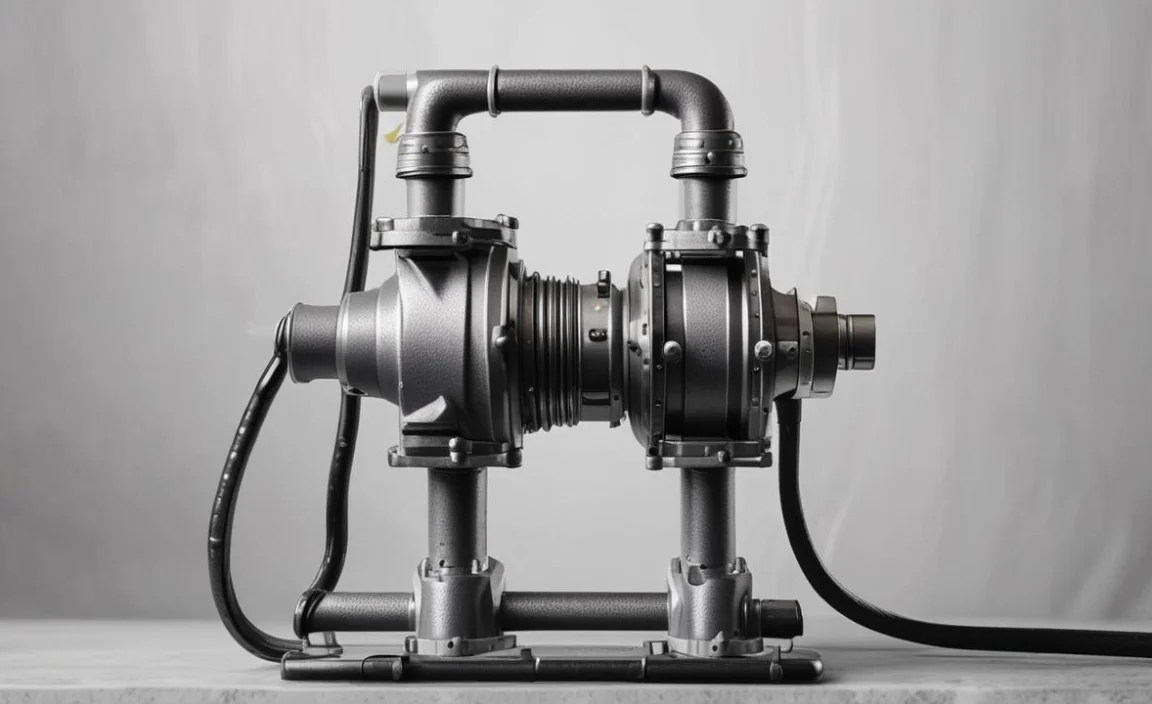
Sometimes, things don’t go quite as planned. Here are some common issues you might encounter when cycling your water pump, along with troubleshooting tips:
| Issue | Possible Cause | Troubleshooting Tip |
|---|---|---|
| Pump won’t start | No power, tripped circuit breaker, faulty switch | Check power cord, reset breaker, test switch with a multimeter |
| Pump starts but doesn’t pump water | Air lock, clogged intake, pump not primed | Prime the pump, clear any blockages in the intake line, check for leaks in the suction line |
| Weak water flow | Partially clogged intake, worn impeller, low water level | Clean the intake filter, inspect the impeller for damage, ensure adequate water supply |
| Pump is noisy | Worn bearings, cavitation, debris in the pump housing | Lubricate bearings, reduce suction lift to prevent cavitation, flush the pump housing |
| Pump leaks | Loose fittings, damaged seals, cracked housing | Tighten fittings, replace seals, repair or replace the housing |
If you’re unable to resolve the issue on your own, consult a qualified pump technician. Attempting to repair a pump without the proper knowledge and experience can be dangerous and may void the warranty.
EPA.gov provides helpful information on water quality and safety standards.
Tips for Extending the Life of Your Water Pump
Cycling your water pump is just one part of a comprehensive maintenance plan. Here are some additional tips to help extend the life of your pump:
- Protect from Freezing: If you live in a cold climate, protect your pump from freezing temperatures. Drain the pump and pipes, or insulate them with heat tape.
- Keep it Clean: Regularly clean the area around the pump to prevent debris from entering the system.
- Check the Voltage: Ensure the voltage supplied to the pump matches its requirements. Over or under-voltage can damage the motor.
- Monitor Performance: Pay attention to the pump’s performance over time. Changes in flow rate, pressure, or noise can indicate underlying issues.
- Professional Maintenance: Consider having your pump professionally inspected and serviced every few years. A qualified technician can identify and address potential problems before they become major issues.
By following these tips, you can keep your water pump running smoothly and efficiently for years to come.
Choosing the Right Type of Water Pump for Your Needs
Selecting the appropriate water pump is crucial for efficiency and longevity. Here’s a comparison of common types:
| Type of Pump | Pros | Cons | Typical Use Cases |
|---|---|---|---|
| Submersible Pump | Efficient, quiet, self-priming | Can’t run dry, sediment can cause wear | Well water, drainage, sump pits |
| Centrifugal Pump | High flow rates, simple design, versatile | Not self-priming, less efficient at high pressure | Irrigation, boosting pressure, general water transfer |
| Jet Pump | Good suction lift, reliable | Noisy, less efficient than submersible | Shallow wells, boosting pressure |
| Diaphragm Pump | Self-priming, handles solids, can run dry | Pulsating flow, lower flow rates | RV water systems, chemical dosing, dewatering |
Consider your specific needs, such as flow rate, pressure requirements, and the type of fluid you’ll be pumping, to make an informed decision.
FAQ: Common Questions About Cycling Water Pumps
Here are some frequently asked questions about cycling water pumps:
Q: What happens if I don’t cycle my water pump?
A: If you don’t cycle your water pump, the water inside can stagnate, leading to unpleasant odors, bacterial growth, corrosion, and potential damage to the pump.
Q: Can I damage my water pump by cycling it too often?
A: It’s unlikely, but excessive cycling can put unnecessary wear and tear on the pump’s motor and components. Stick to a reasonable frequency, such as once a week or every other week for infrequently used pumps.
Q: How long should I run the pump when cycling it?
A: Generally, running the pump for 5-10 minutes is sufficient to flush out any stagnant water and keep the system in good condition.
Q: Do I need to use any special cleaning solutions when cycling my water pump?
A: In most cases, plain water is sufficient. However, if you suspect significant contamination, you can use a diluted bleach solution (follow safety precautions and flush thoroughly afterwards).
Q: My pump is making a loud noise when I cycle it. Is this normal?
A: Unusual noises can indicate a problem. Check for airlocks, debris in the pump housing, or worn bearings. If the noise persists, consult a qualified technician.
Q: Can I automate the process of cycling my water pump?
A: Yes, you can use a timer or a smart home device to automatically turn the pump on and off at regular intervals. This can be especially convenient for vacation homes or other infrequently used properties.
Q: What should I do if my water pump still smells bad after cycling it?
A: If the odor persists, there may be a more significant contamination issue. Consider disinfecting the entire water system or consulting a water quality specialist.
Conclusion
Cycling your water pump is a simple yet essential maintenance task that can significantly extend its lifespan and maintain water quality. By following the steps outlined in this guide, you can keep your pump running smoothly and avoid costly repairs down the road. Remember to establish a regular cycling schedule, troubleshoot any issues promptly, and consult a professional when needed. With a little bit of care and attention, you can ensure that your water pump provides reliable service for years to come. So, get out there and give your pump some love – it’ll thank you for it!


