
How to Maintain Your Suspension with a Shock Pump: Easy!

Do you love riding your bike? Does it feel bumpy sometimes? The suspension helps make your ride smooth. But how do you maintain your suspension with a shock pump? It’s easier than you think! Let’s learn how to keep your bike feeling great.
Your bike’s suspension is like a superhero. It soaks up bumps. This makes riding more fun. But even superheroes need care. A shock pump helps you add air. This keeps your suspension working well. Ready to learn more?
Keeping your suspension in good shape is important. It makes your bike safer. It also makes it more fun to ride. A little care goes a long way. Let’s get started!
Key Takeaways
- Using a shock pump regularly is important to maintain your suspension.
- Check your bike’s suspension before each ride for any issues.
- A shock pump lets you add or remove air for optimal performance.
- Clean your suspension parts to keep them working smoothly.
- Knowing how to maintain your suspension with a shock pump helps your bike last longer.
Why Maintain Suspension with a Shock Pump?

Have you ever bounced on a trampoline? Your bike’s suspension is similar. It uses air and oil to absorb bumps. This makes your ride smooth and comfy. But over time, air can leak out. This makes the suspension less effective. A shock pump helps you add air back in. This keeps your suspension working like new. Without proper care, your suspension can get damaged. Damaged suspension can make riding unsafe. It can also cost a lot to fix. That’s why regular maintenance is important. Using a shock pump is easy. It’s a simple way to keep your bike in top shape. Plus, a well-maintained suspension makes riding more fun. You’ll feel more confident and comfortable on the trails. Taking care of your suspension means taking care of yourself.
- A shock pump adds air to your suspension.
- Proper air pressure improves ride quality.
- Regular checks prevent costly repairs.
- Maintenance keeps you safe on the trails.
- A smooth ride is a fun ride.
Imagine riding your bike down a bumpy hill. Without good suspension, you’d feel every bump. It would be uncomfortable and hard to control. But with a properly maintained suspension, you glide over the bumps. This makes riding easier and more enjoyable. Think of your suspension as a cushion. It protects you from the harshness of the road. A shock pump is your tool for keeping that cushion inflated. It’s like giving your bike a little boost. It helps it perform its best. Don’t skip this important step. Your body and your bike will thank you.
Why is Air Pressure Important?
Why does air pressure matter so much? Think of a basketball. If it has too little air, it won’t bounce well. If it has too much, it will be too hard. Your bike’s suspension is the same way. The right air pressure makes it work perfectly. Too little air, and it will bottom out on bumps. Too much air, and it will feel stiff and uncomfortable. Finding the right balance is key. That’s where a shock pump comes in. It lets you add or remove air. This helps you fine-tune your suspension. You can adjust it to your weight and riding style. This makes a big difference in how your bike feels. So, grab your shock pump and experiment. Find the pressure that works best for you.
How Often Should I Check My Suspension?
How often should you check your suspension? It’s a good idea to check it before each ride. This only takes a few minutes. It can save you from problems later. Before you head out, give your suspension a quick look. Make sure there are no leaks or damage. Bounce the bike a few times. Does it feel smooth? If not, grab your shock pump. Add or remove air as needed. Regular checks help you catch problems early. This prevents them from becoming bigger issues. Think of it as a quick health check for your bike. A little bit of attention goes a long way. So, make it a habit to check your suspension. Your bike will thank you for it.
What Happens If I Don’t Maintain My Suspension?
What happens if you don’t maintain your suspension? Over time, it will start to wear out. Air can leak out, making it less effective. Dirt and grime can get inside, causing damage. Eventually, your suspension will stop working properly. This can make riding uncomfortable and unsafe. You might feel every bump in the road. Your bike might be harder to control. Plus, it can cost a lot of money to repair or replace your suspension. Regular maintenance is much cheaper than fixing a broken suspension. So, take the time to care for your bike. It will save you money and keep you safe.
Fun Fact or Stat: Did you know that mountain bikers should check their suspension pressure more often than road bikers?
Choosing the Right Shock Pump

Not all shock pumps are the same. Some are better than others. When choosing a shock pump, look for a few key features. First, make sure it has a pressure gauge. This tells you how much air you’re adding. Second, look for a pump with a bleed valve. This lets you release small amounts of air. This helps you get the pressure just right. Third, choose a pump that is easy to use. The handle should be comfortable to grip. The pump head should attach securely to your suspension. Some pumps have digital gauges. These are more accurate. But they can also be more expensive. Consider your needs and budget when choosing a pump. A good shock pump is an investment. It will help you keep your suspension in top shape for years to come.
- Look for a pump with a pressure gauge.
- A bleed valve helps fine-tune pressure.
- Choose a comfortable and easy-to-use pump.
- Digital gauges offer more accuracy.
- Consider your budget when choosing a pump.
- A good pump is a worthwhile investment.
Imagine you’re trying to fill a balloon with a tiny needle. That’s what it’s like to adjust your suspension pressure without a good pump. A cheap pump might not give you accurate readings. It might be hard to attach to your suspension. It might even damage the valve. A good pump makes the job easy and precise. Think of it as a tool for tuning your bike. Just like a musician tunes their instrument, you can tune your suspension. This helps it perform its best. So, don’t skimp on the shock pump. It’s an essential tool for any serious cyclist.
What is a Bleed Valve?
What is a bleed valve, and why is it important? A bleed valve lets you release small amounts of air from your suspension. This is helpful when you’ve added too much air. Instead of starting over, you can simply release a little. This helps you fine-tune the pressure. It’s like having a tiny air release button. It gives you more control over the pressure. Look for a pump with a bleed valve. It will make adjusting your suspension much easier. It’s a small feature that makes a big difference.
How Accurate Are Digital Gauges?
How accurate are digital gauges on shock pumps? Digital gauges are generally more accurate than analog gauges. They provide a precise reading of the air pressure. This can be helpful if you want to be very precise. However, digital gauges can also be more expensive. They also require batteries. Analog gauges are simpler and more affordable. They may not be as accurate, but they are still useful. Consider your needs and budget when choosing a gauge. If you want the most accurate reading, go for a digital gauge.
Can I Use a Regular Tire Pump?
Can you use a regular tire pump to inflate your suspension? No, you should not use a regular tire pump. Regular tire pumps deliver a large volume of air. This can easily over-inflate your suspension. Shock pumps deliver a small volume of air at high pressure. This gives you more control. Using a regular tire pump can damage your suspension. It’s important to use the right tool for the job. A shock pump is designed specifically for suspension systems. It will help you keep your suspension in good shape.
Fun Fact or Stat: Some high-end shock pumps cost over $100, but they offer extreme precision and durability!
Step-by-Step: Using the Shock Pump
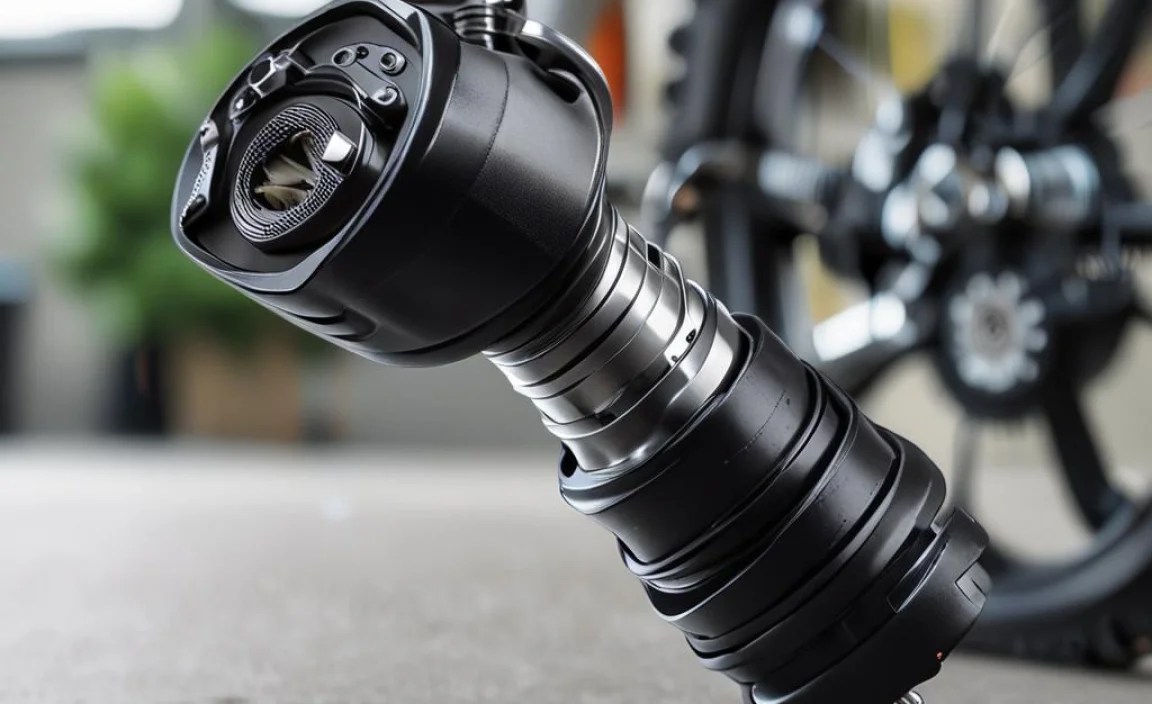
Now, let’s learn how to maintain your suspension with a shock pump step by step. First, find the air valve on your suspension. It’s usually covered by a small cap. Remove the cap. Next, attach the shock pump to the valve. Make sure it’s securely attached. You should hear a slight hissing sound as air enters the pump. Now, start pumping. Watch the pressure gauge as you pump. Add air until you reach the desired pressure. Check your bike’s manual for the recommended pressure. Once you’ve reached the right pressure, remove the pump. Be careful not to let too much air out. Replace the valve cap. That’s it! You’ve successfully added air to your suspension. Repeat this process for both the front and rear suspension.
- Remove the valve cap on your suspension.
- Attach the shock pump securely.
- Pump until you reach the desired pressure.
- Check your bike’s manual for pressure recommendations.
- Remove the pump carefully.
- Replace the valve cap.
Imagine your suspension is like a tire. If you don’t check the air pressure, it can go flat. Using a shock pump is like giving your suspension a little air boost. It helps it stay inflated and working properly. Think of it as part of your regular bike maintenance routine. Just like you clean and lubricate your chain, you should also check your suspension pressure. It’s a simple way to keep your bike in top shape. So, grab your shock pump and get started. Your bike will thank you for it.
Finding the Air Valve
Where do you find the air valve on your suspension? The air valve is usually located on the top or bottom of the suspension fork or shock. It’s often covered by a small cap to protect it from dirt and debris. Look for a small, Schrader-type valve, similar to the valve on your car tires. Once you find the valve, remove the cap carefully. Be sure not to lose the cap. You’ll need it to protect the valve after you’ve added air.
Reading the Pressure Gauge
How do you read the pressure gauge on your shock pump? The pressure gauge shows you how much air pressure is in your suspension. The gauge is usually measured in pounds per square inch (PSI). As you pump air into your suspension, the needle on the gauge will move. Stop pumping when the needle reaches the recommended pressure for your bike. If the needle goes past the recommended pressure, use the bleed valve to release some air. It’s important to get the pressure just right. This will ensure your suspension works properly.
Avoiding Over-Inflation
How do you avoid over-inflating your suspension? Over-inflating your suspension can damage it. It can also make your ride uncomfortable. To avoid over-inflation, always check your bike’s manual for the recommended pressure. Start by adding a small amount of air. Then, check the pressure gauge. Add more air slowly until you reach the desired pressure. If you accidentally add too much air, use the bleed valve to release some. It’s better to add too little air than too much. You can always add more, but it’s harder to remove it without a bleed valve.
Fun Fact or Stat: The ideal suspension pressure can vary by as much as 50 PSI depending on rider weight and trail conditions!
Understanding Sag and Its Importance

What is sag, and why is it important? Sag is the amount your suspension compresses when you sit on your bike. It’s a crucial part of setting up your suspension properly. The right amount of sag ensures your suspension can absorb bumps effectively. Too little sag, and your ride will be harsh. Too much sag, and your suspension will bottom out easily. To measure sag, you’ll need a friend to help you. First, set the air pressure in your suspension. Then, have your friend hold the bike steady while you sit on it in your normal riding position. Measure how much the suspension compresses. Compare this measurement to the recommended sag for your bike. Adjust the air pressure as needed to achieve the correct sag. Understanding sag is key to getting the most out of your suspension.
- Sag is the amount of suspension compression when you sit on the bike.
- Correct sag improves bump absorption.
- Measure sag with a friend’s help.
- Adjust air pressure to achieve the correct sag.
- Proper sag enhances ride comfort and control.
Imagine your suspension is like a spring. If you compress it too much, it won’t work properly. If you don’t compress it enough, it will be too stiff. Sag is like finding the perfect balance for that spring. It ensures your suspension is ready to absorb bumps and keep you comfortable. Think of it as tuning your suspension to your body. Just like you adjust your seat height, you should also adjust your sag. It’s a simple way to improve your ride quality. So, grab a friend and measure your sag. Your bike will thank you for it.
How to Measure Sag
How do you measure sag on your bike? First, find the O-ring or sag indicator on your suspension. It’s usually located on the stanchion of the fork or the shaft of the shock. Next, set the air pressure in your suspension. Then, have a friend hold the bike steady while you sit on it in your normal riding position. The O-ring will move as the suspension compresses. Carefully get off the bike without disturbing the O-ring. Measure the distance between the O-ring and the seal. This is your sag measurement. Compare this measurement to the recommended sag for your bike. Adjust the air pressure as needed to achieve the correct sag.
What is the Ideal Sag Percentage?
What is the ideal sag percentage for your bike? The ideal sag percentage varies depending on the type of bike and riding style. Generally, mountain bikes have more sag than road bikes. A good starting point for mountain bikes is 20-30% sag. For road bikes, a good starting point is 10-15% sag. Check your bike’s manual for the recommended sag percentage. You can also find information online. Experiment with different sag percentages to find what works best for you. Remember, the ideal sag is a personal preference. It depends on your weight, riding style, and the type of terrain you ride on.
Adjusting Air Pressure for Sag
How do you adjust air pressure to achieve the correct sag? If you have too much sag, you need to add more air pressure. If you have too little sag, you need to remove air pressure. Use your shock pump to add or remove air. Start by adding or removing a small amount of air. Then, measure the sag again. Repeat this process until you achieve the correct sag. It may take a few tries to get it just right. Be patient and take your time. Getting the sag right is worth the effort. It will improve your ride quality and control.
Fun Fact or Stat: Pro riders often adjust their sag by as little as 1-2 PSI to optimize performance for specific race courses!
Cleaning and Inspecting Your Suspension

Keeping your suspension clean is just as important as maintaining the air pressure. Dirt and grime can damage the seals and reduce performance. Here’s how to maintain your suspension with a shock pump and cleaning: After each ride, wipe down your suspension with a clean cloth. Pay special attention to the stanchions. These are the shiny parts that slide in and out. Use a mild soap and water solution to remove stubborn dirt. Avoid using harsh chemicals or solvents. These can damage the seals. Inspect your suspension regularly for signs of wear and tear. Look for cracks, leaks, or excessive play. If you notice any problems, take your bike to a qualified mechanic. Regular cleaning and inspection will help prolong the life of your suspension.
- Wipe down your suspension after each ride.
- Use mild soap and water to remove dirt.
- Inspect for cracks, leaks, or excessive play.
- Avoid harsh chemicals and solvents.
- Regular cleaning prolongs suspension life.
Imagine your suspension is like a car engine. If you don’t change the oil, it will eventually break down. Cleaning and inspecting your suspension is like changing the oil. It helps keep it running smoothly and prevents damage. Think of it as showing your bike some love. Just like you clean and wax your car, you should also clean and inspect your suspension. It’s a simple way to keep it in top shape. So, grab a cloth and some soap and water. Your bike will thank you for it.
Best Cleaning Practices
What are the best practices for cleaning your suspension? Use a clean, soft cloth to wipe down your suspension after each ride. Avoid using abrasive cleaners or scrub brushes. These can scratch the stanchions. Use a mild soap and water solution to remove stubborn dirt. Rinse thoroughly with clean water. Dry your suspension with a clean cloth. Apply a thin layer of lubricant to the stanchions. This will help keep them sliding smoothly. Be careful not to get any lubricant on the brake rotors or pads. This can reduce braking performance.
What to Look for During Inspection
What should you look for during a suspension inspection? Check the stanchions for scratches, dents, or wear marks. Look for leaks around the seals. Feel for any play or looseness in the suspension. Inspect the bushings for wear. Check the air valve for damage. If you notice any of these problems, take your bike to a qualified mechanic. They can diagnose the problem and recommend a solution.
When to Seek Professional Help
When should you seek professional help with your suspension? If you notice any serious problems, such as cracks, leaks, or excessive play, take your bike to a mechanic. If you are not comfortable working on your suspension yourself, it’s best to leave it to the professionals. They have the tools and expertise to diagnose and repair suspension problems. Regular maintenance by a qualified mechanic can help prolong the life of your suspension.
Fun Fact or Stat: Suspension seals are often made from advanced polymers that can withstand extreme temperatures and pressures!
Advanced Tips for Suspension Tuning
Once you’ve mastered the basics of how to maintain your suspension with a shock pump and sag, you can start experimenting with more advanced tuning techniques. One technique is to adjust the rebound damping. Rebound damping controls how quickly your suspension returns to its original position after compressing. Too little rebound damping, and your suspension will bounce back too quickly. This can make your ride feel unstable. Too much rebound damping, and your suspension will pack up on repeated bumps. This can make your ride feel harsh. Experiment with different rebound damping settings to find what works best for you. Another technique is to adjust the compression damping. Compression damping controls how much force it takes to compress your suspension. Adjusting these settings can fine-tune your suspension for different riding conditions.
- Adjust rebound damping for stability.
- Adjust compression damping for different conditions.
- Experiment to find the best settings.
- Consider your riding style and terrain.
- Advanced tuning enhances performance.
Imagine your suspension is like a race car. The drivers don’t just fill it with gas and go. They fine-tune the engine and suspension for each track. You can do the same with your bike. By adjusting the rebound and compression damping, you can optimize your suspension for different trails. Think of it as customizing your ride. Just like you choose your favorite tires, you can also choose your favorite suspension settings. It’s a way to make your bike truly your own. So, grab your tools and start experimenting. Your bike will thank you for it.
| Setting | Effect | When to Use |
|---|---|---|
| More Air Pressure | Stiffer Suspension, Less Sag | Smooth Trails, Heavier Riders |
| Less Air Pressure | Softer Suspension, More Sag | Rough Trails, Lighter Riders |
| More Rebound Damping | Slower Rebound | Fast, Bumpy Trails |
| Less Rebound Damping | Faster Rebound | Slow, Technical Trails |
Understanding Rebound Damping
What is rebound damping, and how does it work? Rebound damping controls how quickly your suspension returns to its original position after compressing. It’s like a shock absorber for the spring in your suspension. Too little rebound damping, and your suspension will bounce back too quickly. This can make your ride feel unstable. Too much rebound damping, and your suspension will pack up on repeated bumps. This can make your ride feel harsh. Experiment with different rebound damping settings to find what works best for you. The rebound damping adjuster is usually a knob or dial located on the bottom of the suspension fork or shock.
Adjusting Compression Damping
How do you adjust compression damping on your suspension? Compression damping controls how much force it takes to compress your suspension. It’s like a gate that restricts the flow of oil through the suspension. More compression damping makes it harder to compress the suspension. Less compression damping makes it easier to compress the suspension. The compression damping adjuster is usually a knob or dial located on the top of the suspension fork or shock. Experiment with different compression damping settings to find what works best for you. Consider the type of terrain you’re riding on. Rougher terrain may require more compression damping.
Finding the Right Balance
How do you find the right balance between rebound and compression damping? Finding the right balance takes practice and experimentation. Start by setting both rebound and compression damping to the middle setting. Then, ride your bike on a variety of terrain. Pay attention to how your suspension feels. If it feels too harsh, reduce the compression damping. If it feels too bouncy, increase the rebound damping. Make small adjustments and test the results. Keep experimenting until you find the settings that work best for you. Remember, the ideal settings are a personal preference. They depend on your weight, riding style, and the type of terrain you ride on.
Fun Fact or Stat: Some professional downhill racers have technicians who adjust their suspension settings after every run!
Summary
In short, learning how to maintain your suspension with a shock pump is super important for any cyclist. It keeps your ride smooth and safe. We talked about why it matters. A shock pump helps you add the right amount of air. This keeps your suspension working well. We also covered how to pick the right pump. A good pump makes the job easier. You should also know how to use it step by step. Remember to check the sag. This makes sure your suspension is set up just right. Cleaning and checking your suspension often is also key. This prevents damage and keeps it working its best. You can even try advanced tuning. This fine-tunes your suspension for different rides.
Conclusion
Taking care of your bike’s suspension is easy. How to maintain your suspension with a shock pump ensures a smoother, safer, and more fun ride. You can keep your bike feeling great. With regular care, your suspension will last longer. So grab your shock pump. Start making these tips part of your bike care routine. Enjoy the ride!
Frequently Asked Questions
Question No 1: How often should I use a shock pump on my bike?
Answer: You should use a shock pump on your bike as often as needed to maintain the correct air pressure in your suspension. A good practice is to check the pressure before each ride. If you notice a significant drop in pressure, use the shock pump to bring it back to the recommended level. Also, weather changes can affect the air pressure. Colder weather can cause the pressure to decrease. Warmer weather can cause it to increase. Regular checks and adjustments will ensure your suspension performs optimally.
Question No 2: Can I use any type of pump to inflate my bike’s suspension?
Answer: No, you should only use a shock pump to inflate your bike’s suspension. A shock pump is designed to deliver small volumes of air at high pressure. This allows for precise adjustments. Regular tire pumps deliver large volumes of air. This can easily over-inflate and damage your suspension. A shock pump also has a special valve that prevents air loss when you disconnect it. This is important for maintaining the correct pressure. Using the right tool is essential for proper maintenance. That is how to maintain your suspension with a shock pump.
Question No 3: What does “sag” mean in relation to bike suspension?
Answer: “Sag” refers to the amount your suspension compresses when you sit on your bike in your normal riding position. It’s a crucial setting because it determines how much travel your suspension has available to absorb bumps. Too much sag, and your suspension will bottom out easily. Too little sag, and your ride will be harsh. The correct sag ensures your suspension works effectively and provides a comfortable ride. Measuring and adjusting sag is a key part of suspension setup.
Question No 4: How do I know what the correct air pressure should be for my suspension?
Answer: The correct air pressure for your suspension depends on several factors. These factors include your weight, riding style, and the type of terrain you ride on. A good starting point is to consult your bike’s manual. It usually provides a recommended air pressure range. You can also find information online. Once you have a starting point, experiment with different pressures to find what works best for you. Adjust the pressure in small increments and test the results. Using your shock pump carefully will help you find that perfect balance. That is how to maintain your suspension with a shock pump.
Question No 5: What are some signs that my bike’s suspension needs maintenance?
Answer: There are several signs that your bike’s suspension needs maintenance. These include a loss of air pressure, a harsh or bouncy ride, visible leaks, and excessive play in the suspension. If you notice any of these issues, it’s time to check your suspension. Start by inspecting it for damage. Then, use your shock pump to adjust the air pressure. If the problems persist, take your bike to a qualified mechanic. They can diagnose and repair any underlying issues. Regular maintenance will prevent these problems from occurring.
Question No 6: Can I damage my suspension by using a shock pump incorrectly?
Answer: Yes, you can damage your suspension by using a shock pump incorrectly. Over-inflating your suspension can damage the seals and internal components. Using a regular tire pump can also cause damage. Always use a shock pump designed for suspension systems. Follow the instructions carefully. Avoid exceeding the recommended air pressure. If you are unsure about how to use a shock pump, seek help from a qualified mechanic. Remember, taking the time to learn how to maintain your suspension with a shock pump properly is essential for protecting your investment and ensuring a safe and enjoyable riding experience.


