
How to Explain Difference Between Shock & Tyre Pump? Easy!

Have you ever seen someone pump up a bike tire? It looks easy, right? But what if they were pumping up a bike’s suspension? It’s not the same! There are different pumps for different jobs. Do you know {how to explain difference between shock pump and tyre pump}?
It can be tricky to tell them apart. One pump is for tires. The other is for shocks. Let’s learn all about these pumps! We will see how they work. We will also see why you need both.
Key Takeaways
- A shock pump adds air to a bike’s suspension system for smoother rides.
- A tire pump inflates tires, making them firm and ready to roll.
- Understanding {how to explain difference between shock pump and tyre pump} is crucial for bike care.
- Shock pumps measure pressure very precisely, unlike tire pumps.
- Using the wrong pump can damage your bike’s shocks or tires.
How to Explain Differences in Pressure
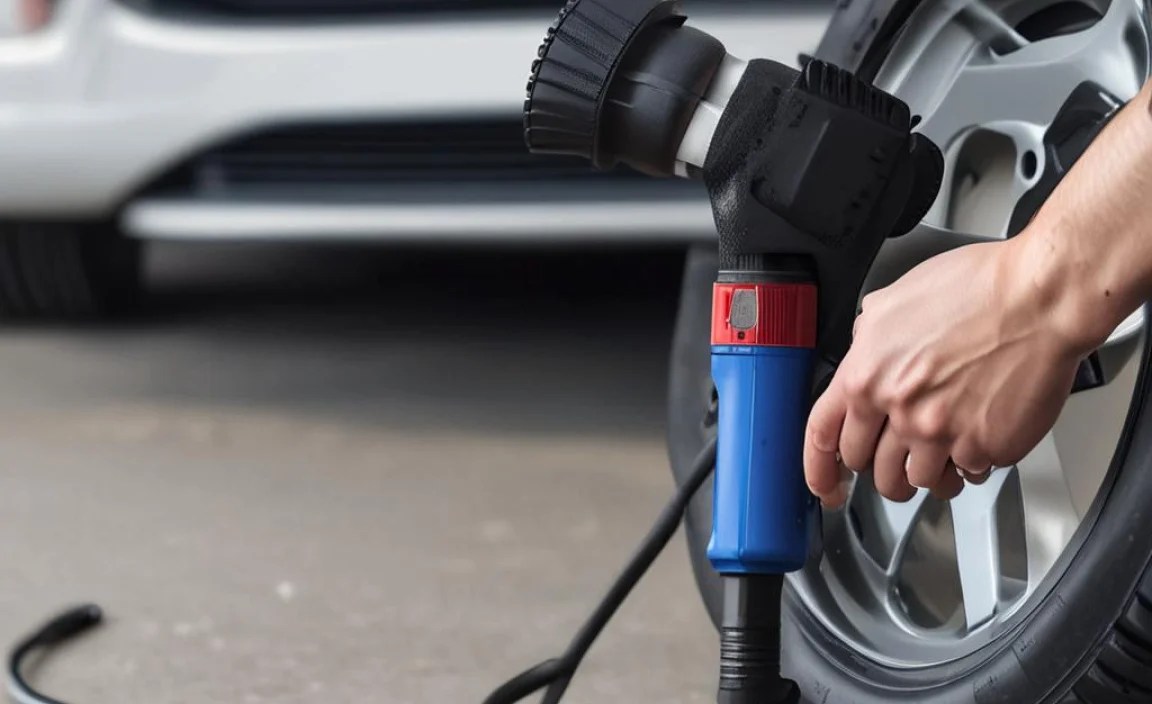
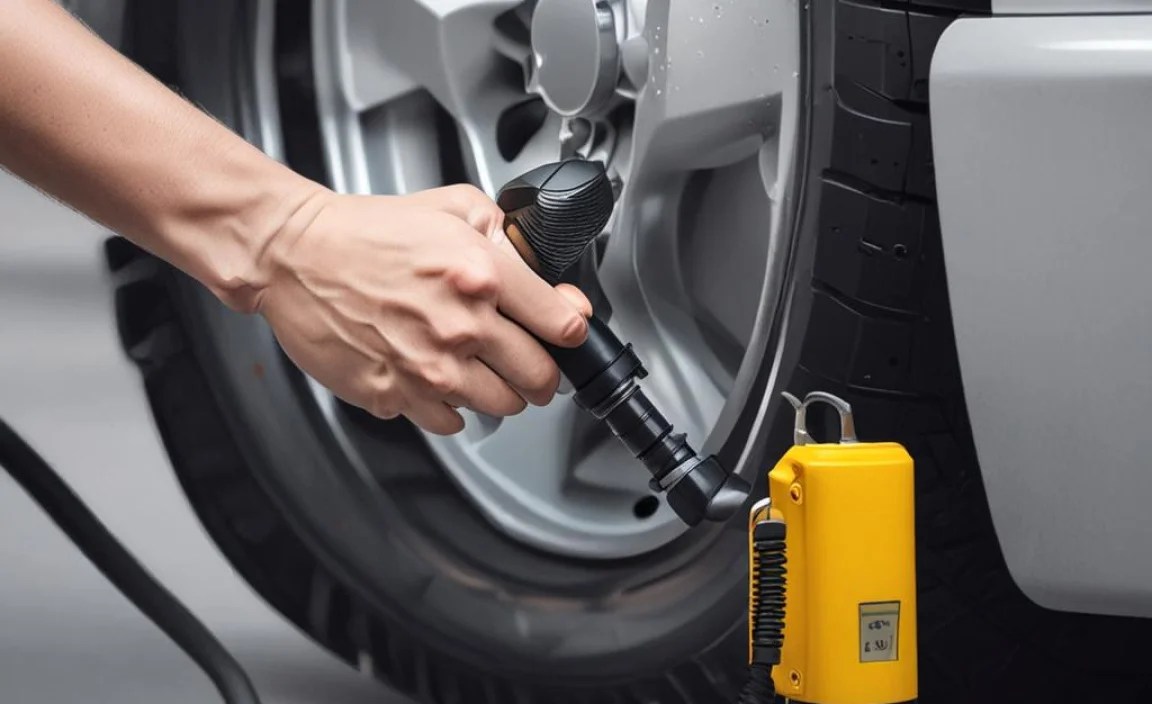
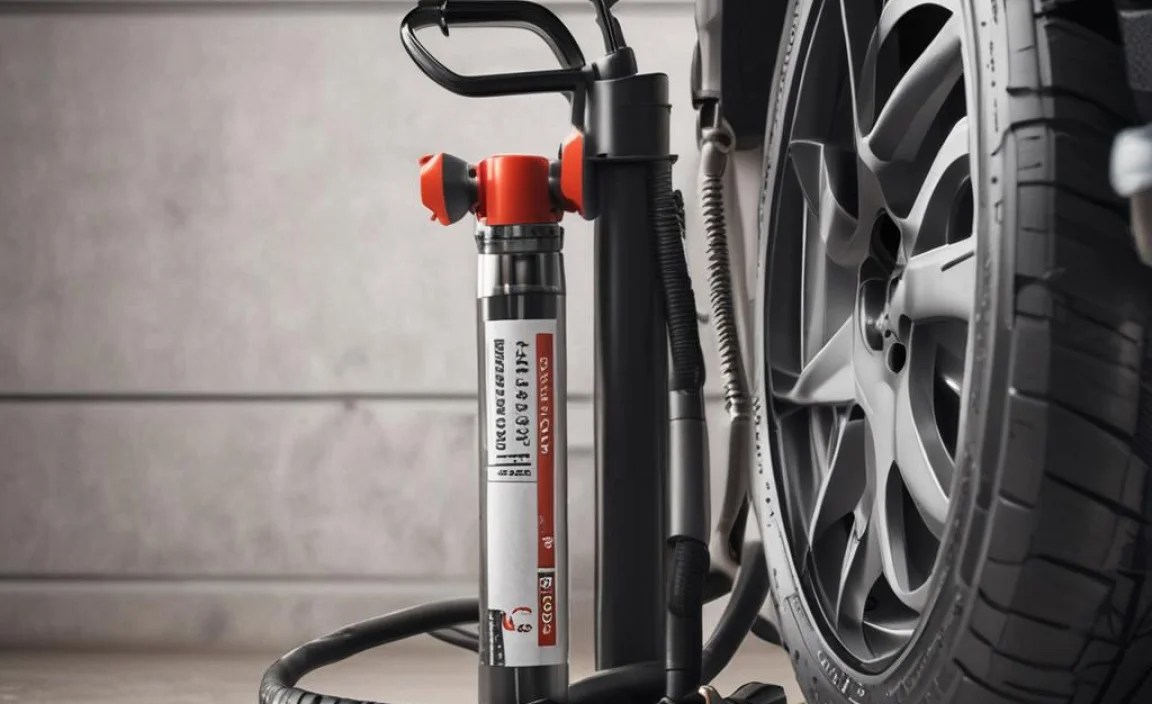
Imagine you’re blowing up a balloon. You keep blowing until it’s big and round. Bike tires are kind of like that. They need a lot of air to roll well. A tire pump helps you put that air in quickly. Now, think about a bike’s suspension. This is what makes your ride smooth when you go over bumps. Shocks don’t need a lot of air volume. They need very specific air pressure. This is measured in PSI (pounds per square inch). A shock pump lets you add just the right amount of air. It has a special gauge to show the exact pressure. This helps you fine-tune your suspension for the best ride. Knowing the pressure is key to understanding {how to explain difference in pressure}.
- Tire pumps move a lot of air quickly.
- Shock pumps add air slowly and precisely.
- Tire pressure is usually lower than shock pressure.
- Shock pumps have very accurate pressure gauges.
- Tire pumps often have a gauge, but it is less precise.
Have you ever tried to use a regular tire pump on a bike’s shocks? It doesn’t work very well! Tire pumps push too much air at once. This can make it hard to get the right pressure in the shocks. It can even damage them. Shock pumps are made for the job. They let you add small amounts of air. The gauge shows you exactly how much you’re adding. This helps you get the perfect suspension setup. This is why knowing {how to explain difference in pressure} is important. It keeps your bike working well.
Why Does Pressure Matter?
Have you ever ridden a bike with flat tires? It’s hard work! The tires feel soft and squishy. You have to pedal harder to go the same distance. The right tire pressure makes riding easier. It also helps you go faster. Now, think about a bike with too much air in the shocks. It would feel very stiff. Every bump would be jarring. The right shock pressure makes your ride smooth and comfortable. It lets the suspension soak up bumps. This keeps you in control of the bike. So, pressure matters a lot for both tires and shocks.
What Happens with Too Much Pressure?
Imagine you have a balloon and keep blowing and blowing. What happens? It pops! The same thing can happen with tires and shocks. Too much pressure in a tire can cause it to explode. This is dangerous! Too much pressure in a shock can damage its seals. This can make the shock stop working. Always check the recommended pressure before you pump. You can find this information on the tire or shock itself. Using the right pump helps you avoid these problems.
How Do You Check Pressure?
Checking the pressure in your tires and shocks is easy. For tires, you can use a tire pressure gauge. These are small and easy to carry. Simply attach the gauge to the valve on your tire. It will show you the pressure in PSI. For shocks, the shock pump has a built-in gauge. Attach the pump to the shock valve. Read the pressure on the gauge. If the pressure is too high, you can let some air out. If it’s too low, add some air. It’s important to check your pressure regularly. This keeps your bike riding smoothly and safely.
Fun Fact or Stat: The ideal tire pressure for a mountain bike is usually between 25 and 35 PSI, while shock pressure can range from 50 to 300 PSI depending on the rider’s weight and riding style.
Understanding Air Volume and Its Role

Think about blowing up a big beach ball versus a small soccer ball. The beach ball needs a lot more air, right? That’s air volume. A tire pump is designed to move a lot of air. This helps you fill up your tires quickly. Shocks don’t need as much air volume. They need precise pressure. A shock pump moves a small amount of air with each pump. This lets you fine-tune the pressure. It’s like using a small spoon to add sugar to your coffee. You can control the amount easily. Understanding air volume is key to understanding {how to explain difference between shock pump and tyre pump}.
- Tire pumps move large volumes of air quickly.
- Shock pumps move small volumes of air precisely.
- Air volume is how much air the pump moves at once.
- Tire pumps are better for filling large spaces.
- Shock pumps are better for fine-tuning pressure.
- Using the wrong pump can be inefficient or damaging.
Imagine trying to fill a tire with a shock pump. It would take a very long time! Shock pumps are designed for small spaces and precise pressure. They don’t move enough air to fill a tire quickly. On the other hand, using a tire pump on a shock can be dangerous. It can add too much air too quickly. This can damage the shock. That’s why you need the right tool for the right job. Knowing about air volume helps you choose the right pump. This keeps your bike working well and keeps you safe.
Why is Volume Important for Tires?
Have you ever seen a big truck tire? It’s huge! It needs a lot of air to fill it up. A small hand pump wouldn’t work very well. You would be pumping for hours! That’s why tire pumps are designed to move a lot of air. This helps you fill up your tires quickly and easily. The larger the tire, the more important volume becomes.
What About Volume for Shocks?
Think of a shock as a small, sealed container. It doesn’t need a lot of air to reach the right pressure. In fact, too much air can be a problem. It can make it hard to control the pressure. That’s why shock pumps move a small amount of air. This lets you fine-tune the pressure without overfilling the shock.
How Does Volume Affect Pumping Effort?
Imagine trying to blow up a balloon with a tiny straw. It would take a lot of effort! The same is true for pumping tires. If the pump doesn’t move enough air, you have to work harder. Tire pumps are designed to move a lot of air with each pump. This makes it easier to fill up your tires. Shock pumps require less effort because they move less air. This is important for getting the pressure just right.
Fun Fact or Stat: A typical tire pump can move 300-500 cubic centimeters of air per stroke, while a shock pump moves only 10-20 cubic centimeters.
The Role of Gauges: Precision vs. Approximation

Have you ever tried to measure something without a ruler? It’s hard to be accurate! Gauges help us measure pressure. A tire pump might have a gauge. But it’s often not very precise. It gives you a general idea of the pressure. A shock pump has a very precise gauge. It shows the exact pressure in PSI. This is important for fine-tuning your suspension. The difference in gauges is a key part of {how to explain difference between shock pump and tyre pump}.
- Tire pump gauges are often less precise.
- Shock pump gauges are very precise.
- Precise gauges help fine-tune shock pressure.
- Less precise gauges are okay for tires.
- Knowing the exact pressure is crucial for shocks.
- Approximating pressure is usually enough for tires.
Imagine you’re setting up your bike for a race. You want your suspension to be perfect. A precise gauge is essential. It lets you adjust the pressure in small increments. This helps you dial in the perfect ride feel. For tires, a less precise gauge is usually okay. You just need to get the pressure in the right range. The exact pressure is not as critical. This is why shock pumps have better gauges. They are designed for a more demanding job. The gauges are a big part of the {how to explain difference between shock pump and tyre pump}.
Why is Gauge Precision Important?
Think about a doctor using a thermometer. They need to know your exact temperature. A small difference can be important. The same is true for shocks. Small changes in pressure can affect how the suspension performs. A precise gauge lets you make those small adjustments. This helps you get the most out of your bike’s suspension.
What Makes a Gauge Precise?
A precise gauge is made with high-quality parts. It’s carefully calibrated to give accurate readings. It also has a clear display that’s easy to read. These features make it easier to get the pressure just right. A less precise gauge might use cheaper parts. It might not be as carefully calibrated. This can lead to less accurate readings.
How Do You Read a Gauge?
Reading a gauge is easy. Just look at the needle or digital display. It will show you the pressure in PSI. Make sure you’re looking at the correct scale. Some gauges have different scales for different units of measurement. If you’re not sure, consult the gauge’s instructions. Knowing how to read a gauge is important for getting the right pressure in your tires and shocks.
Fun Fact or Stat: Some high-end shock pumps have digital gauges that display pressure with an accuracy of +/- 1 PSI.
| Feature | Tire Pump | Shock Pump |
|---|---|---|
| Air Volume | High | Low |
| Pressure Precision | Low | High |
| Gauge Accuracy | Approximate | Precise |
| Typical Pressure Range | 30-60 PSI | 50-300 PSI |
| Use Case | Inflating tires | Adjusting suspension |
Comparing Connectors and Valves
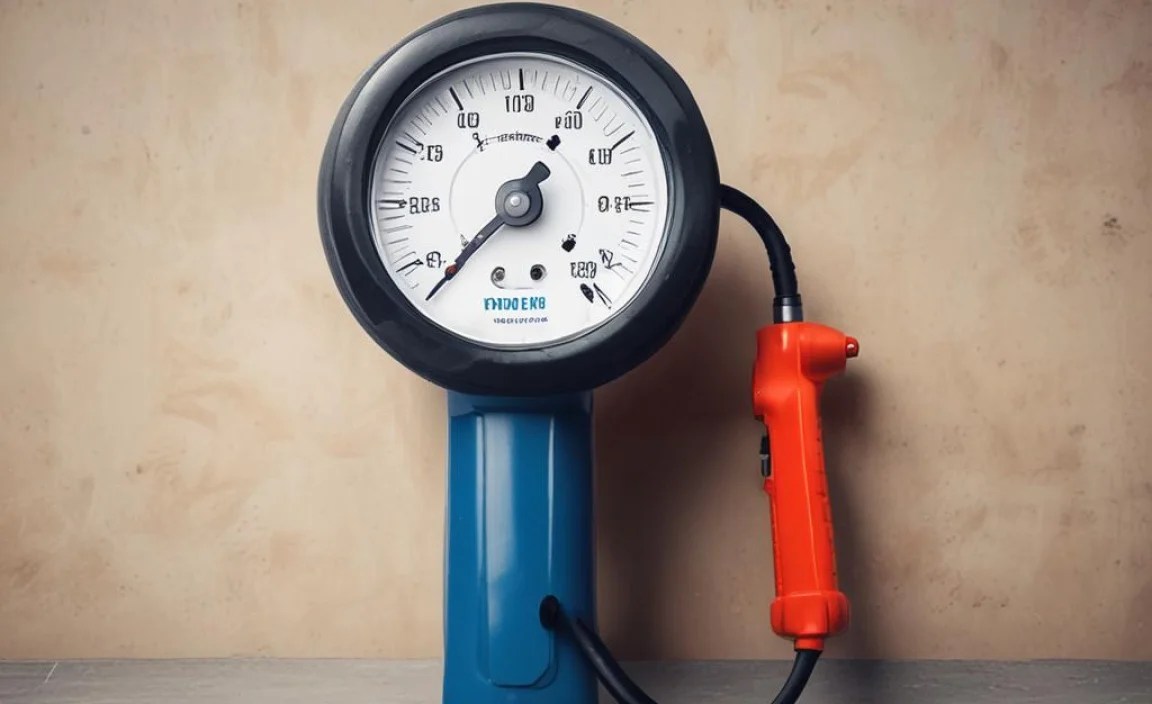
The part of the pump that attaches to your tire or shock is called the connector. Tire pumps have connectors that fit onto tire valves. There are two main types of tire valves: Schrader and Presta. Schrader valves are like the ones on car tires. Presta valves are narrower and have a locking nut. Shock pumps have special connectors. These connectors are designed to work with the valves on shocks. These valves are often smaller and more delicate than tire valves. Understanding the difference in connectors and valves helps clarify {how to explain difference between shock pump and tyre pump}.
- Tire pumps connect to Schrader or Presta valves.
- Shock pumps connect to shock-specific valves.
- Tire valves are often larger and more robust.
- Shock valves are smaller and more delicate.
- Using the wrong connector can damage the valve.
- Some pumps have adapters for different valve types.
Imagine trying to put a square peg in a round hole. It doesn’t work! The same is true for pump connectors and valves. If you try to use a tire pump on a shock valve, it might not fit. Or, it could damage the valve. Shock pump connectors are designed to create a tight seal with the shock valve. This prevents air from leaking out while you’re pumping. Using the right connector is important for getting the right pressure and avoiding damage. That’s why understanding the different connectors helps you understand the {how to explain difference between shock pump and tyre pump}.
What is a Schrader Valve?
A Schrader valve is like the valve on a car tire. It’s wide and has a spring-loaded pin in the center. To inflate a tire with a Schrader valve, you simply press the pump connector onto the valve. The pin opens, allowing air to flow into the tire. When you remove the connector, the pin closes, sealing the air inside.
What is a Presta Valve?
A Presta valve is narrower than a Schrader valve. It also has a locking nut at the top. To inflate a tire with a Presta valve, you first need to unscrew the locking nut. Then, press the valve stem to release a small amount of air. This makes it easier to attach the pump connector. After inflating the tire, tighten the locking nut to seal the valve.
Why Are Shock Valves Different?
Shock valves are designed to be small and lightweight. They also need to be able to withstand high pressure. This is why they are often different from tire valves. Shock pump connectors are designed to create a tight seal with these valves without damaging them. This is important for getting the precise pressure you need for your suspension.
Fun Fact or Stat: Some high-end bikes use a third type of valve called a Dunlop valve, which is similar to a Schrader valve but without the spring-loaded pin.
Why Using the Right Pump Matters
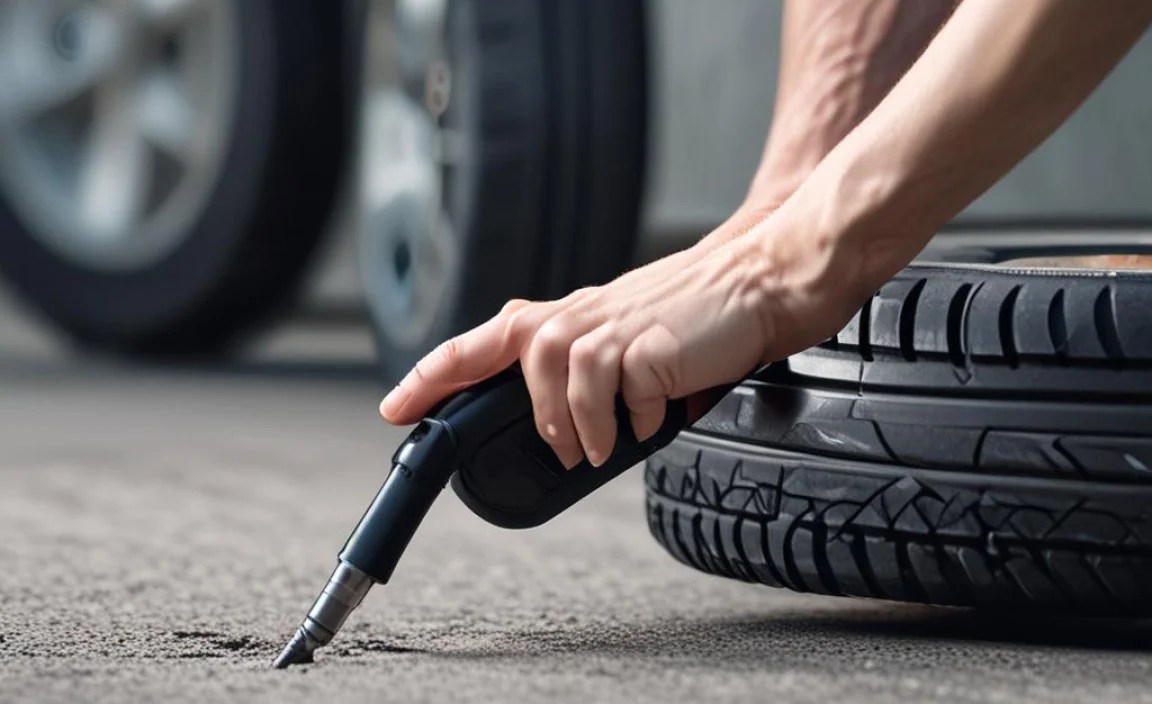
Imagine using a hammer to screw in a screw. It wouldn’t work very well, would it? You need a screwdriver for that job. The same is true for bike pumps. Using the right pump is important for getting the job done correctly. Using a tire pump on a shock can damage the shock. Using a shock pump on a tire is inefficient. Understanding why using the right pump matters is crucial to {how to explain difference between shock pump and tyre pump}.
- Using the wrong pump can damage your bike.
- Tire pumps are for tires only.
- Shock pumps are for shocks only.
- The right pump makes the job easier.
- The right pump ensures accurate pressure.
- The right pump protects your bike’s components.
Have you ever tried to do a job with the wrong tool? It’s frustrating! It can also be dangerous. Using a tire pump on a shock can over-pressurize the shock. This can damage the seals and make the shock stop working. Using a shock pump on a tire will take a long time. It will also be hard to get the pressure high enough. Using the right pump saves you time and effort. It also protects your bike from damage. That’s why understanding the {how to explain difference between shock pump and tyre pump} is so important.
What Happens if You Use a Tire Pump on a Shock?
If you use a tire pump on a shock, you risk over-pressurizing the shock. Tire pumps move a lot of air quickly. This makes it hard to control the pressure. You could easily exceed the maximum pressure rating of the shock. This can damage the seals and make the shock stop working properly. It’s always best to use a shock pump for shocks.
What Happens if You Use a Shock Pump on a Tire?
If you use a shock pump on a tire, it will take a very long time to inflate the tire. Shock pumps move a small amount of air with each pump. This is great for fine-tuning pressure, but it’s not efficient for filling a large volume like a tire. You’ll be pumping for a long time and may not even be able to reach the desired pressure.
How Can You Tell Which Pump to Use?
The easiest way to tell which pump to use is to look at the connector. Tire pumps have connectors that fit Schrader or Presta valves. Shock pumps have connectors that fit shock valves. If you’re not sure, consult the pump’s instructions. It’s always better to be safe than sorry. Using the wrong pump can damage your bike.
Fun Fact or Stat: Many professional bike mechanics carry both a tire pump and a shock pump in their toolkit to ensure they can handle any inflation task.
Maintenance and Care for Your Pumps
Just like your bike, your pumps need some love too! Keeping your pumps clean and in good working order will help them last longer. Wipe down your pumps after each use. This removes dirt and grime. Store them in a dry place. This prevents rust. Check the hoses and connectors regularly. Look for cracks or damage. Replace them if needed. Proper maintenance and care are essential to {how to explain difference between shock pump and tyre pump}.
- Clean your pumps after each use.
- Store your pumps in a dry place.
- Check the hoses and connectors regularly.
- Replace worn or damaged parts.
- Lubricate moving parts as needed.
- Follow the manufacturer’s instructions.
Imagine your bike pump is like a well-oiled machine. If you keep it clean and lubricated, it will work smoothly for years. But if you neglect it, it will start to wear down. The same is true for shock pumps. Keeping them clean and in good working order will help them maintain their precision. This ensures you get accurate pressure readings every time. Taking care of your pumps is a small investment that can save you money in the long run. It also helps you understand {how to explain difference between shock pump and tyre pump}.
Why is Cleaning Important?
Dirt and grime can get into the moving parts of your pumps. This can cause them to wear down faster. Cleaning your pumps regularly removes this dirt and grime. This helps them work smoothly and last longer. A clean pump is a happy pump!
How Do You Lubricate a Pump?
Some pumps have moving parts that need to be lubricated. This helps them move smoothly and prevents them from rusting. Use a light oil or grease to lubricate these parts. Follow the manufacturer’s instructions for the best results. A little bit of lubrication can go a long way.
What About Storing Your Pumps?
Storing your pumps in a dry place prevents them from rusting. Rust can damage the moving parts and make the pump stop working. If you live in a humid area, consider storing your pumps in a sealed container. This will help protect them from moisture. Proper storage is key to keeping your pumps in good condition.
Fun Fact or Stat: Some bike pumps have a built-in air filter to prevent dirt and debris from entering the pump during use.
Summary
So, what’s the big deal about bike pumps? It boils down to this: tire pumps and shock pumps are different tools for different jobs. Tire pumps move a lot of air quickly to fill your tires. Shock pumps move a small amount of air precisely to adjust your suspension. The gauges on each pump reflect this difference. Tire pump gauges are less precise. Shock pump gauges are very precise. Using the right pump is important for getting the job done correctly. It also protects your bike from damage. That’s {how to explain difference between shock pump and tyre pump} in simple terms.
Remember, {how to explain difference between shock pump and tyre pump} involves understanding air volume, pressure, and the delicate nature of your bike’s components. Always use the correct pump for the task at hand. This ensures your tires are properly inflated and your suspension is dialed in for the best possible ride. Taking care of your pumps will also help them last longer and perform better.
Conclusion
Choosing the right pump can seem tricky. But now you know the key differences. Tire pumps are for volume. Shock pumps are for precision. Using the right pump will keep you rolling smoothly. It will also protect your bike. Remember to take care of your pumps. Understanding {how to explain difference between shock pump and tyre pump} will make you a better bike owner. Happy riding!
Frequently Asked Questions
Question No 1: What is the main difference between a shock pump and a tire pump?
Answer: The main difference is how they deliver air. Tire pumps move a lot of air quickly to fill up tires. Shock pumps move a small amount of air very precisely to adjust the pressure in your bike’s suspension. Shock pumps also have very accurate gauges. This helps you get the perfect pressure for a smooth ride. Understanding this difference is key to knowing {how to explain difference between shock pump and tyre pump}.
Question No 2: Can I use a tire pump on my bike’s shocks?
Answer: No, you should not use a tire pump on your bike’s shocks. Tire pumps deliver too much air at once. This can easily over-pressurize and damage the delicate seals in your shocks. Always use a shock pump specifically designed for this purpose. A shock pump lets you add air slowly and precisely, preventing damage. This is crucial for understanding {how to explain difference between shock pump and tyre pump}.
Question No 3: Can I use a shock pump on my bike’s tires?
Answer: You can use a shock pump on your bike’s tires in an emergency. However, it’s not a good idea for regular use. Shock pumps move a very small amount of air with each pump. It will take a long time and a lot of effort to inflate a tire. A tire pump is much more efficient for filling tires. This makes it easier to get back on the road or trail quickly. Knowing this helps you understand {how to explain difference between shock pump and tyre pump}.
Question No 4: How do I know what pressure to put in my tires and shocks?
Answer: The recommended pressure for your tires and shocks is usually printed on the tire sidewall or the shock body. You can also find this information in your bike’s owner’s manual. Always stay within the recommended pressure range. Over-inflating can cause damage or even a blowout. Under-inflating can lead to poor performance and increased risk of flats. Always check the specifications for your specific equipment.
Question No 5: What is PSI, and why is it important?
Answer: PSI stands for pounds per square inch. It’s a unit of measurement for pressure. PSI tells you how much force is being applied to a certain area. In the case of bike tires and shocks, PSI tells you how much air pressure is inside. Knowing the correct PSI is important. It ensures your tires and shocks are performing as they should. It also prevents damage from over-inflation. This is a key part of {how to explain difference between shock pump and tyre pump}.
Question No 6: How often should I check the pressure in my tires and shocks?
Answer: You should check the pressure in your tires before every ride. Tire pressure can change over time due to temperature fluctuations and small leaks. You should check the pressure in your shocks less frequently. Once a week or before a big ride is usually sufficient. Regular checks ensure your bike is always ready to perform at its best. It also helps you identify any potential problems early on. Remember, the correct pump will help you maintain the correct pressure.


