
How to Bleed Air with a Shock Pump: Easy Guide

Have you ever bounced too high on your bike? It can be scary! Bike shocks help you ride smoothly. Sometimes, these shocks need a little help. That’s where knowing how to bleed air with a shock pump comes in handy. It’s like giving your bike a little tune-up so it feels just right.
Why is your bike so bumpy? Maybe there’s too much air in the shocks. Learning how to bleed air with a shock pump is simple. It makes your ride safer and more fun. Let’s find out how to do it!
Key Takeaways
- Knowing how to bleed air with a shock pump keeps your bike shocks working well.
- Bleeding air helps adjust the shock for smoother rides on bumpy trails.
- Always use a proper shock pump designed for bike suspension systems.
- Be careful to release air slowly, so you don’t let out too much at once.
- Regular maintenance extends the life of your bike’s shocks and improves performance.
Why Bleed Air With a Shock Pump?

Imagine your bike’s shocks are like balloons. Too much air makes them hard and bouncy. Not enough air makes them soft and squishy. You need them just right for a comfy ride. Bleeding air with a shock pump helps you find that perfect balance. When you bleed air, you release a little bit at a time. This makes the shocks less stiff. It lets them soak up bumps better. This keeps you in control on rough trails. Learning how to bleed air with a shock pump is like giving your bike a personal massage. It keeps everything working its best. It also makes biking more fun because your ride is smoother and more comfortable.
- Shocks need the right amount of air to work well.
- Too much air makes the ride bumpy.
- Too little air makes the ride soft and unstable.
- Bleeding air helps you adjust the pressure.
- A shock pump lets you control the air release.
Think of it like this: bike shocks are like the suspension on a car. They absorb bumps to make the ride smoother. If the suspension is too stiff, you feel every bump. If it’s too soft, the car might bottom out. Bike shocks work the same way. You want them to be just right. Bleeding air with a shock pump is the key. It allows you to fine-tune your bike’s suspension. This ensures you have the best possible ride. By keeping the air pressure correct, you protect the shocks from damage. This makes them last longer. Plus, a well-maintained bike is always more enjoyable to ride!
Why is My Bike Bouncing Too Much?
Have you ever ridden your bike and felt like you were bouncing all over the place? This could be because there is too much air pressure in your bike’s shocks. When the shocks are overinflated, they can’t absorb the bumps on the trail. This makes for a rough and uncomfortable ride. Think about dribbling a basketball. If the ball is too full of air, it bounces super high and is hard to control. The same thing happens with your bike. Too much air in the shocks makes it harder to control your bike, especially on rough terrain. That is why knowing how to bleed air with a shock pump is important.
How Does Air Pressure Affect My Ride?
Air pressure in your bike’s shocks is super important. It affects how your bike handles and feels. When the air pressure is too high, the shocks become stiff. This means they don’t compress easily when you hit a bump. You feel every little rock and root on the trail. When the air pressure is too low, the shocks compress too easily. This can make your bike feel squishy and unstable. You might even bottom out, which means the shock compresses all the way. Finding the right air pressure is like finding the perfect balance. It makes your ride smooth, comfortable, and controlled. A shock pump helps you get there.
Can Bleeding Air Improve My Bike’s Performance?
Yes, absolutely! Bleeding air can significantly improve your bike’s performance. When you release a little bit of air from your shocks, you’re fine-tuning them to match your weight and riding style. This helps the shocks absorb bumps more effectively. It also keeps your tires on the ground for better traction. Imagine you’re running a race with shoes that are too tight. It would be uncomfortable, and you wouldn’t run your best. Adjusting the air pressure in your shocks is like loosening those shoes. It makes your bike feel more comfortable and responsive. You will be able to ride faster and with more control. This makes your ride way more fun.
Fun Fact or Stat: Did you know that professional mountain bikers often adjust their shock pressure multiple times during a single race to adapt to changing course conditions?
Tools Needed to Bleed Air
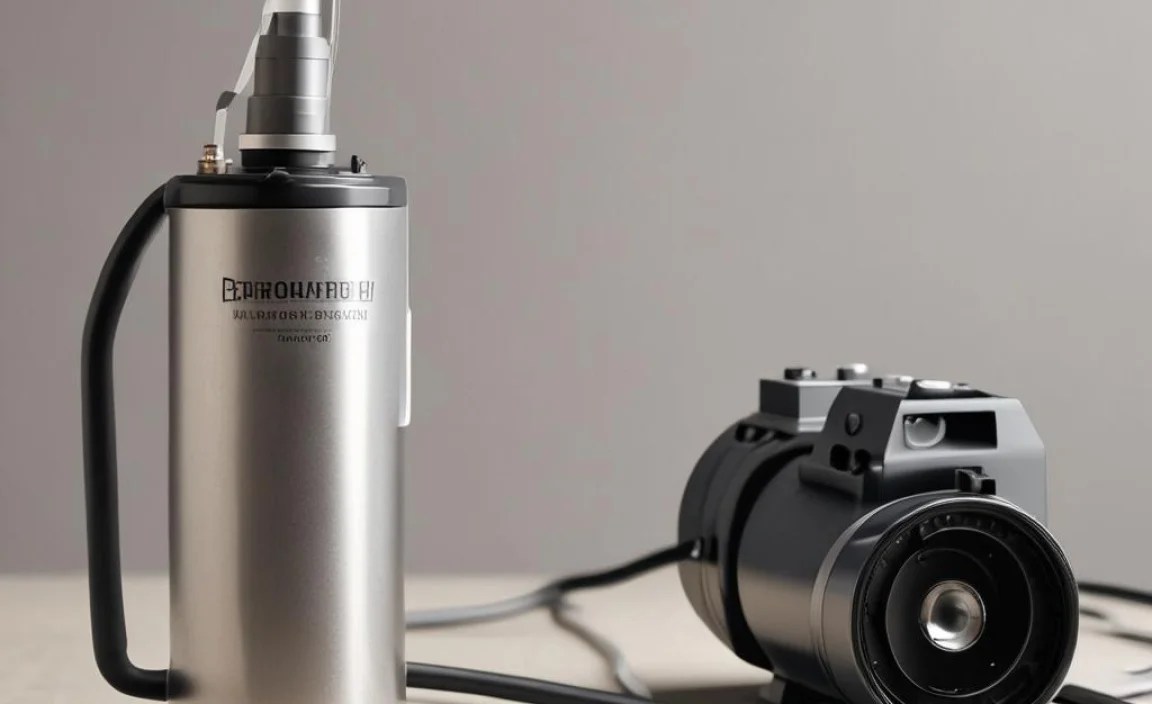
To bleed air from your bike’s shocks, you need a few important tools. The most important tool is a shock pump. A shock pump is not the same as a regular tire pump. It is designed to deliver small amounts of air at high pressure. It also has a special valve to release air slowly. You will also need a clean rag. The rag is for wiping off the shock pump and the shock valve. This keeps dirt from getting inside. Finally, you might want to have your bike’s manual handy. The manual tells you the recommended air pressure for your shocks based on your weight. Having these tools ready will make the process of bleeding air much easier and safer.
- You need a shock pump designed for bike shocks.
- A regular tire pump won’t work.
- You’ll also need a clean rag.
- Your bike’s manual is helpful for finding the right pressure.
- Make sure your tools are clean before you start.
Think of using the right tools like being a chef. A chef needs the right knives and pans to cook a great meal. You need the right tools to adjust your bike’s shocks. Using a regular tire pump can damage the shock valve. It can also overinflate the shocks. A shock pump has a precise gauge that shows the air pressure. This helps you make small adjustments. The clean rag keeps dirt out of the system. Dirt can damage the seals inside the shocks. By using the right tools, you protect your bike and ensure a smooth, safe ride. Knowing how to bleed air with a shock pump is only half the battle. Having the right equipment is just as crucial.
What is a Shock Pump?
A shock pump is a special type of pump made just for bike shocks. It’s different from a regular tire pump. Shock pumps deliver air at high pressure in very small amounts. This is important because bike shocks need a lot of pressure but only a tiny bit of air. Regular tire pumps push in too much air at once. This can make it hard to get the pressure just right. Shock pumps also have a special gauge. The gauge shows the exact air pressure in the shock. This helps you make precise adjustments. They also have a bleed valve. This valve lets you release air slowly and carefully. This valve is important when learning how to bleed air with a shock pump.
Why Can’t I Use a Regular Tire Pump?
Using a regular tire pump on your bike shocks is not a good idea. Regular tire pumps are designed for high volume, not high pressure. This means they push a lot of air at once, but not at a very high pressure. Bike shocks need high pressure but very little air. If you use a regular tire pump, you might overinflate the shocks. This can damage them. Regular tire pumps also don’t have a precise gauge. You won’t be able to see the exact air pressure in the shocks. This makes it hard to make small adjustments. Plus, regular tire pumps don’t have a bleed valve. You can’t release air slowly and carefully. A shock pump is the right tool for the job. It keeps your shocks safe and working well.
Where Can I Buy a Shock Pump?
You can buy a shock pump at most bike shops. You can also find them online at stores like Amazon or specialized bike retailers. When you buy a shock pump, look for one that has a good gauge. A good gauge will show the air pressure accurately. Make sure the shock pump is easy to use and has a bleed valve. Some shock pumps also come with extra features. These features may include a rotating hose or a digital gauge. These can make it easier to use. Read reviews before you buy. Reviews will help you find a shock pump that is reliable and works well. Investing in a good shock pump is worth it. It will help you keep your bike’s shocks in top condition.
Fun Fact or Stat: A quality shock pump can last for many years with proper care, making it a worthwhile investment for serious cyclists!
Step-by-Step: How to Bleed Air With a Shock Pump

Now, let’s learn how to bleed air with a shock pump. First, find the valve on your bike’s shock. It usually has a small cap. Unscrew the cap and set it aside. Next, attach the shock pump to the valve. Make sure it’s on tight. Now, look at the gauge on the shock pump. It will show the current air pressure in the shock. To bleed air, slowly press the bleed valve on the shock pump. You will hear a hissing sound. Watch the gauge as you release air. Release a little bit at a time. Check your bike’s manual for the recommended air pressure. Once you reach the correct pressure, remove the shock pump. Put the cap back on the valve. You’re done! Now your shocks should be perfectly adjusted.
- Find the valve on your bike’s shock.
- Remove the valve cap.
- Attach the shock pump securely.
- Press the bleed valve slowly to release air.
- Check the gauge to reach the right pressure.
- Remove the pump and replace the cap.
Imagine you are tuning a guitar. You don’t turn the knobs too much at once. You make small adjustments until the sound is just right. Bleeding air from your bike shocks is similar. You want to make small adjustments. Releasing too much air at once can make the shocks too soft. Then you have to add air back in. Go slowly and check the gauge often. If you’re not sure what the right pressure should be, start with the recommended pressure in your bike’s manual. You can always add or release a little more air later to fine-tune it. The key is to be patient and make small changes. This will help you get the perfect feel for your ride. Practicing how to bleed air with a shock pump will make you a pro in no time.
Finding the Shock Valve
The first step in bleeding air is finding the shock valve. The valve is where you attach the shock pump. On front forks, the valve is usually on top of one of the fork legs. It might have a small cap covering it. On rear shocks, the valve can be in different places. Look near the top or bottom of the shock. It might be hidden behind a part of the frame. Check your bike’s manual if you’re not sure where to find it. Once you find the valve, make sure it’s clean. Use a clean rag to wipe away any dirt or mud. This will help you get a good connection with the shock pump. Finding the valve is the first step to a smoother ride.
Releasing Air Slowly
When you bleed air from your bike shocks, it’s important to go slowly. The bleed valve on the shock pump is designed to release small amounts of air. Press the valve gently. You should hear a hissing sound. Watch the gauge on the shock pump. The pressure will drop slowly. If you press the valve too hard, you might release too much air at once. This can make it harder to get the pressure just right. Releasing air slowly gives you more control. It helps you fine-tune the shocks to your liking. It’s like adding spices to a dish. You don’t dump in a whole bunch at once. You add a little at a time, tasting as you go. Bleeding air slowly ensures you get the perfect feel for your ride.
Checking the Air Pressure
Checking the air pressure is a very important step. It ensures you don’t release too much air. The gauge on the shock pump shows the air pressure in the shock. Look at the gauge before you start bleeding air. This gives you a starting point. As you release air, keep an eye on the gauge. Release air until you reach the desired pressure. You can find the recommended air pressure in your bike’s manual. You can also find it online. If you’re not sure, start with the recommended pressure and adjust from there. After each ride, check the air pressure again. This will help you keep your shocks working well. Checking the air pressure is like checking the tire pressure on a car. It helps you stay safe and have a smooth ride.
Fun Fact or Stat: The ideal air pressure in your bike’s shocks can change depending on the weather. Warmer temperatures can increase air pressure, while colder temperatures can decrease it!
Common Mistakes When Bleeding Air
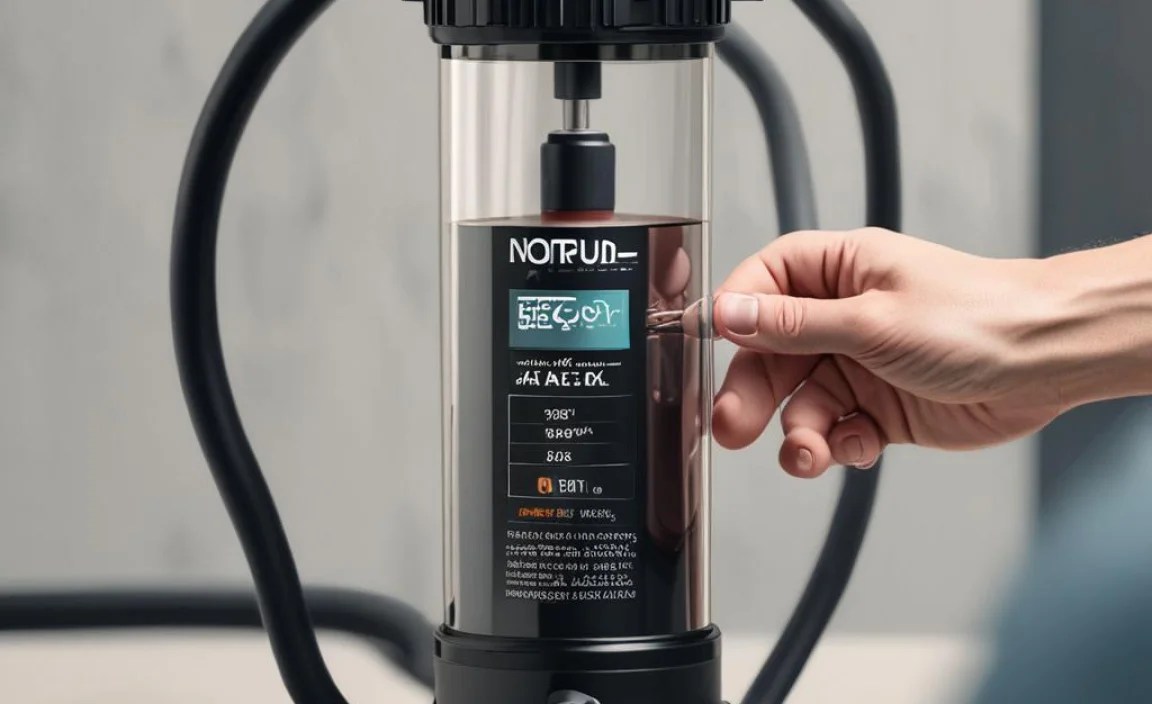
Even though bleeding air seems easy, there are some common mistakes. One mistake is using the wrong pump. A regular tire pump won’t work and can damage the shock valve. Another mistake is releasing too much air at once. This can make the shocks too soft. It also means you have to add air back in. Not cleaning the valve before attaching the pump is another mistake. Dirt can get inside the shock and damage it. Forgetting to put the valve cap back on is also a mistake. The cap keeps dirt and water out of the valve. Avoiding these mistakes will help you keep your shocks in good condition. Knowing how to bleed air with a shock pump correctly ensures a smooth and safe ride.
- Using a regular tire pump instead of a shock pump.
- Releasing too much air too quickly.
- Not cleaning the valve before attaching the pump.
- Forgetting to replace the valve cap.
- Ignoring the recommended air pressure.
Think of it like baking a cake. If you use the wrong ingredients, the cake won’t turn out right. If you mix the ingredients in the wrong order, the cake might be lumpy. Bleeding air from your bike shocks is similar. Using the wrong pump is like using the wrong flour. Releasing too much air is like adding too much water. Not cleaning the valve is like using a dirty bowl. Forgetting the valve cap is like forgetting the frosting. Avoiding these mistakes will help you get the best results. Your bike will ride smoother, and your shocks will last longer. Practice makes perfect. Soon you’ll be a pro at how to bleed air with a shock pump.
Using the Wrong Type of Pump
One of the biggest mistakes you can make is using the wrong type of pump. A regular tire pump is not designed for bike shocks. It can push too much air at once. This can overinflate the shocks and damage them. Regular tire pumps also don’t have a precise gauge. You won’t be able to see the exact air pressure. A shock pump is the right tool for the job. It delivers small amounts of air at high pressure. It also has a gauge that shows the pressure accurately. Using a shock pump protects your bike’s shocks. It also helps you get the perfect air pressure for a smooth ride. Don’t risk damaging your shocks. Always use a shock pump.
Releasing Too Much Air
Another common mistake is releasing too much air at once. This can happen if you press the bleed valve too hard. When you release too much air, the shocks become too soft. They might bottom out when you hit a bump. This can be uncomfortable and even dangerous. Releasing air slowly gives you more control. It helps you fine-tune the shocks to your liking. If you accidentally release too much air, don’t worry. You can always add air back in with the shock pump. Just be careful and go slowly. Practice makes perfect, and you’ll get better at it over time. Learning how to bleed air with a shock pump takes patience.
Forgetting the Valve Cap
Forgetting to put the valve cap back on is a small mistake. It can have big consequences. The valve cap protects the valve from dirt, water, and other debris. If the valve gets dirty, it can damage the seals inside the shock. This can cause air leaks and other problems. Always remember to put the valve cap back on after you finish bleeding air. Make sure it’s on tight. This will help keep your shocks working well for a long time. Think of the valve cap like a lid on a jar. It keeps everything clean and protected. Taking this simple step can save you from costly repairs down the road.
Fun Fact or Stat: Some valve caps have a small rubber O-ring inside to create a better seal and keep out moisture!
Maintaining Your Shock Pump
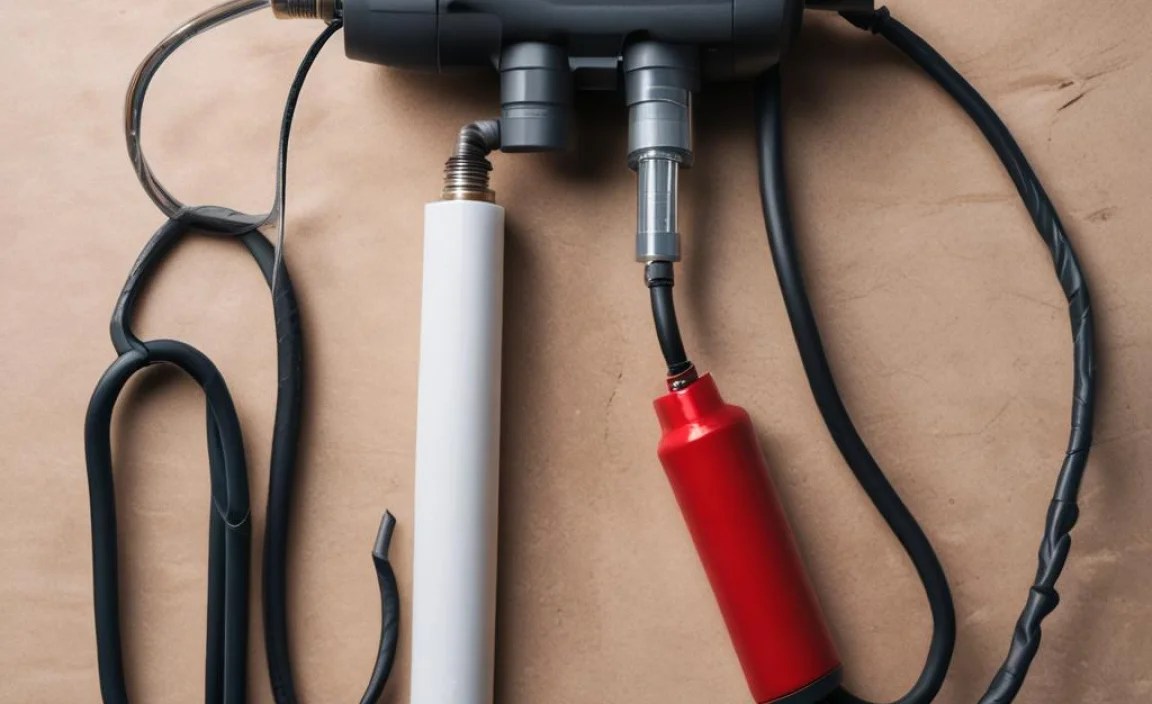
Your shock pump needs care too. Keep it clean and dry. Wipe it down after each use. Store it in a safe place. This protects it from damage. Check the hose and fittings regularly. Make sure they are tight. If the gauge isn’t accurate, you might need to replace the pump. A well-maintained shock pump will last longer. It will also give you accurate readings. This helps you keep your bike’s shocks in top condition. Taking care of your shock pump is like taking care of any other tool. It ensures it will be ready when you need it. Knowing how to bleed air with a shock pump is important. Having a working pump is just as important.
- Keep your shock pump clean and dry.
- Store it in a safe place.
- Check the hose and fittings regularly.
- Replace the pump if the gauge is not accurate.
- A well-maintained pump lasts longer.
Think of your shock pump as a doctor’s stethoscope. A doctor needs a clean and working stethoscope to listen to your heart. You need a clean and working shock pump to adjust your bike’s shocks. If the stethoscope is dirty, it can spread germs. If the shock pump is dirty, it can damage the shock valve. If the stethoscope is broken, the doctor can’t hear your heartbeat. If the shock pump is broken, you can’t adjust the air pressure. Taking care of your tools ensures they will work when you need them. A little maintenance goes a long way. It keeps your shock pump and your bike in top condition.
Cleaning Your Shock Pump
Keeping your shock pump clean is easy. After each use, wipe it down with a clean, dry cloth. This removes dirt and grime. Pay special attention to the hose and fittings. These areas can collect dirt easily. If the pump gets really dirty, you can use a mild soap and water solution. Just be sure to rinse it well and dry it completely. Don’t use harsh chemicals or solvents. They can damage the pump. Cleaning your shock pump regularly will help it last longer. It will also ensure it gives you accurate readings. A clean pump is a happy pump, and a happy pump means a happy ride.
Storing Your Shock Pump Properly
How you store your shock pump is important. Don’t just toss it in a toolbox or leave it out in the rain. Store it in a clean, dry place. A garage or shed is a good option. You can also store it in a plastic bag or container. This protects it from dust and moisture. Avoid storing it in direct sunlight. The sun can damage the hose and fittings. Storing your shock pump properly will help it last longer. It will also keep it in good working condition. Taking a few extra minutes to store it correctly is worth the effort. Your shock pump will thank you.
Checking for Leaks
Over time, the hose and fittings on your shock pump can develop leaks. Check them regularly to make sure they are tight. If you notice any leaks, tighten the fittings with a wrench. Be careful not to over-tighten them. If the leaks persist, you might need to replace the hose or fittings. You can buy replacement parts at most bike shops. Checking for leaks is like checking the tires on your car. It helps you stay safe and avoid problems down the road. A shock pump that leaks is not accurate. It will not give you the correct air pressure readings. Keep your pump in good working order.
Fun Fact or Stat: Some high-end shock pumps come with a built-in pressure relief valve to prevent over-pressurizing the shock!
When to Bleed Air
Knowing when to bleed air is important. You should bleed air when your bike feels too bouncy. This usually means the shocks are overinflated. Check the air pressure before each ride. This helps you catch problems early. You should also bleed air after a big temperature change. Warmer temperatures increase air pressure. Colder temperatures decrease it. If you change your riding style, you might need to adjust the air pressure. Heavier riders need more air pressure. Lighter riders need less. Bleeding air is part of regular bike maintenance. It keeps your shocks working well. It also makes your ride more comfortable. Understanding when to bleed air with a shock pump is key.
- When your bike feels too bouncy.
- Before each ride to check the air pressure.
- After a significant temperature change.
- When you change your riding style.
- If you notice a change in shock performance.
Imagine you are baking bread. You need to let the dough rise. The temperature affects how quickly it rises. If it’s too warm, it rises too fast. If it’s too cold, it doesn’t rise enough. You need to adjust the environment to get the perfect rise. Bleeding air from your bike shocks is similar. Temperature changes affect the air pressure. You need to adjust the pressure to get the perfect feel. If you’re riding on a hot day, the air pressure might be higher than usual. You might need to bleed air to compensate. If you’re riding on a cold day, the air pressure might be lower. You might need to add air. Checking the air pressure regularly will help you stay on top of things. It will also ensure a smooth and comfortable ride.
Checking Before Each Ride
Checking the air pressure before each ride is a good habit. It only takes a few minutes. It can help you avoid problems on the trail. Use your shock pump to check the pressure. Compare it to the recommended pressure in your bike’s manual. If the pressure is too high, bleed air. If the pressure is too low, add air. Checking before each ride is like checking the oil in your car. It helps you catch small problems before they become big problems. A little bit of maintenance goes a long way. It keeps your bike working well and makes your ride more enjoyable.
Adjusting for Temperature Changes
Temperature changes can affect the air pressure in your bike’s shocks. When the temperature goes up, the air pressure increases. When the temperature goes down, the air pressure decreases. This is because air expands when it’s heated and contracts when it’s cooled. If you ride in different temperatures, you might need to adjust the air pressure. Check the pressure before each ride. If it’s significantly different from the recommended pressure, adjust it accordingly. Adjusting for temperature changes is like adjusting the thermostat in your house. You want to keep the temperature comfortable, no matter what the weather is outside. Keeping the air pressure correct will ensure a smooth and comfortable ride.
Adapting to Riding Styles
Your riding style can also affect the air pressure in your bike’s shocks. If you ride aggressively, you might need more air pressure. This will help prevent the shocks from bottoming out. If you ride more gently, you might need less air pressure. This will make the ride more comfortable. Experiment with different air pressures to find what works best for you. Keep track of the settings that you like. This will make it easier to adjust the air pressure in the future. Adapting to your riding style is like adjusting the seat in your car. You want it to be comfortable and supportive, no matter how you’re driving. Fine-tuning the air pressure will help you get the most out of your bike.
Fun Fact or Stat: Some advanced riders use telemetry systems to record shock compression data and optimize their air pressure settings for specific trails!
Advanced Tips for Shock Adjustment
Once you know how to bleed air with a shock pump, you can try advanced tips. Use volume spacers to change the shock’s feel. They make the shock firmer at the end of its travel. Adjust rebound damping to control how quickly the shock returns. Too much rebound damping makes the bike feel sluggish. Too little makes it feel bouncy. Experiment with different settings to find what works best. Read articles and watch videos to learn more. Advanced shock adjustment takes time and practice. But it can greatly improve your bike’s performance. Mastering how to bleed air with a shock pump is just the beginning.
| Adjustment | Effect | When to Use |
|---|---|---|
| Air Pressure | Changes overall stiffness | For different rider weights or terrain |
| Volume Spacers | Changes end-stroke firmness | To prevent bottoming out on big hits |
| Rebound Damping | Controls shock return speed | To prevent bouncing or packing up |
| Compression Damping | Controls shock compression speed | To improve pedaling efficiency or bump absorption |
Think of your bike’s shocks as a musical instrument. A musician can fine-tune their instrument to get the perfect sound. You can fine-tune your bike’s shocks to get the perfect ride. Bleeding air is like tuning the strings. Volume spacers are like adjusting the soundboard. Rebound damping is like controlling the echo. Experimenting with different settings is like trying out different notes. The more you practice, the better you’ll get. Soon you’ll be able to make your bike sing. Advanced shock adjustment takes time and effort. But it’s worth it if you want to get the most out of your ride. Learning how to bleed air with a shock pump is just the first step. There’s always more to learn.
Using Volume Spacers
Volume spacers are small plastic pieces that you can add to your bike’s shocks. They change the shape of the air chamber inside the shock. This makes the shock firmer at the end of its travel. Volume spacers can help prevent the shock from bottoming out on big hits. They can also make the bike feel more supportive. If you’re riding a lot of jumps and drops, volume spacers can be a good idea. They can help you stay in control. Adding or removing volume spacers is a more advanced adjustment. It takes some practice to get it right. But it can make a big difference in your bike’s performance.
Adjusting Rebound Damping
Rebound damping controls how quickly the shock returns after it’s compressed. If the rebound damping is too slow, the shock will feel sluggish. It will take too long to return to its starting position. This can make the bike feel like it’s packing up on repeated bumps. If the rebound damping is too fast, the shock will feel bouncy. It will return too quickly and throw you around. Finding the right rebound damping setting is important. It will help you stay in control and have a smooth ride. Most shocks have a rebound damping knob. You can turn it to adjust the setting. Experiment with different settings to find what works best for you.
Finding Resources to Learn More
There are many resources available to help you learn more about shock adjustment. You can read articles online. You can watch videos on YouTube. You can talk to experienced riders at your local bike shop. Many bike manufacturers also have resources on their websites. These resources can help you understand the different adjustments. They can also help you troubleshoot problems. Learning about shock adjustment takes time and effort. But it’s worth it if you want to get the most out of your bike. The more you learn, the better you’ll be able to fine-tune your bike to your liking. Knowledge is power. Learning how to bleed air with a shock pump and adjust other settings will make you a better rider.
Fun Fact or Stat: Some professional downhill racers have their suspension custom-tuned by specialized technicians who use sophisticated data analysis tools!
Summary
Learning how to bleed air with a shock pump is a useful skill. It keeps your bike riding smoothly. You need a shock pump to do it right. Release air slowly and check the pressure often. Avoid common mistakes, like using the wrong pump. Maintain your pump to keep it working well. Knowing when to bleed air is also important. Check the pressure before each ride. Adjust for temperature changes. Adapt to your riding style. With practice, you can master shock adjustment. This will make your bike more fun to ride. It will also help you stay safe on the trails. Bleeding air is a simple but important part of bike maintenance.
Conclusion
Bleeding air from your bike shocks is easy. With the right tools, you can do it yourself. A shock pump is a must-have for any serious rider. It lets you fine-tune your bike’s suspension. This ensures a smooth, comfortable ride. Remember to release air slowly. Check the pressure often. By following these tips, you can keep your bike in top condition. Knowing how to bleed air with a shock pump will help you enjoy your rides more. So get out there and hit the trails!
Frequently Asked Questions
Question No 1: Why is it important to use a shock pump instead of a regular tire pump?
Answer: A shock pump is specifically designed to deliver small amounts of air at very high pressure. Regular tire pumps push a lot of air at once, which can easily overinflate and damage your bike’s shocks. Shock pumps also have precise gauges that allow you to make tiny adjustments. A regular tire pump doesn’t have such a gauge. This is important because bike shocks require precise air pressure settings for optimal performance. Using the wrong pump could lead to costly repairs and a dangerous riding experience. So, always use a shock pump for your bike’s suspension.
Question No 2: How often should I check and adjust the air pressure in my bike’s shocks?
Answer: You should check the air pressure in your bike’s shocks before each ride. This ensures that the pressure is within the recommended range. Small changes in air pressure can affect your bike’s handling and comfort. Temperature changes can also affect air pressure. Warmer temperatures increase pressure, while colder temperatures decrease it. Adjusting the air pressure as needed will help you maintain optimal performance. It will also extend the life of your shocks. Make checking and adjusting air pressure a regular part of your pre-ride routine for a safer, more enjoyable biking experience.
Question No 3: What happens if I release too much air when trying to bleed air with a shock pump?
Answer: If you accidentally release too much air, your bike’s shocks will become too soft. This can cause them to bottom out easily when you hit bumps. Bottoming out is when the shock compresses all the way. This can be uncomfortable and even damage the shock. Don’t worry, it’s easy to fix! Simply reattach the shock pump and add air back into the shock until you reach the recommended pressure. It’s always a good idea to release air slowly and check the pressure frequently. This helps you avoid this issue. It also ensures that you get the perfect air pressure for your ride. It helps to know how to bleed air with a shock pump and how to add air.
Question No 4: Can I use any type of lubricant on the valve when attaching the shock pump?
Answer: No, you should not use just any lubricant. Avoid using oil-based lubricants like WD-40. These can damage the seals inside the shock and cause air leaks. If you feel the need to lubricate the valve, use a small amount of silicone-based lubricant. Silicone lubricant is safe for rubber and plastic parts. It won’t harm the shock’s internal components. However, most of the time, the valve should work fine without any lubricant at all. Keeping the valve clean is more important than lubricating it. This will ensure a good connection with the shock pump and prevent any air leaks.
Question No 5: How do volume spacers affect the performance of my bike’s shocks?
Answer: Volume spacers are small plastic pieces that change the air volume inside your bike’s shocks. Adding volume spacers reduces the air volume. This makes the shock firmer at the end of its travel. This helps prevent bottoming out on big hits. Removing volume spacers increases the air volume. This makes the shock softer and more linear. This provides a plusher feel over small bumps. Experimenting with volume spacers can help you fine-tune your bike’s suspension. This ensures it matches your riding style and the terrain you’re riding on. Knowing how to bleed air with a shock pump and adjust volume spacers can greatly improve your ride.
Question No 6: Where can I find the recommended air pressure for my bike’s shocks?
Answer: The best place to find the recommended air pressure is in your bike’s owner’s manual. The manual usually has a chart. The chart shows the recommended pressure based on your weight. You can also find this information on the bike manufacturer’s website. Some shock manufacturers


