
How to Use Shock Pump on Remote Reservoir Shocks: Easy!

Have you ever bounced too hard on your bike? Does your car feel like a boat on waves? That’s where shocks come in! They make rides smooth. Some shocks have a special tank called a remote reservoir. You might wonder how to use shock pump on remote reservoir shocks.
These shocks need the right air pressure. A shock pump helps you add or remove air. It’s like a tiny air pump for your tires. Let’s learn how to use it!
Key Takeaways
- Always check your shock’s manual for the right pressure settings.
- A shock pump is needed to adjust air pressure in remote reservoir shocks.
- Knowing how to use shock pump on remote reservoir shocks improves ride quality.
- Too much or too little pressure can damage your shocks.
- Bleed air slowly and carefully when decreasing pressure.
Understanding Remote Reservoir Shocks

Remote reservoir shocks are like regular shocks. But they have an extra tank. This tank holds more oil and sometimes gas. The extra oil helps keep the shock cool. This is important when you’re riding hard! The gas helps prevent the oil from foaming. Foaming oil doesn’t work as well. These shocks are often used on bikes and cars. They give you a smoother, more controlled ride. Understanding how to use shock pump on remote reservoir shocks starts with knowing what they do. They handle bumps and jumps better. This means more comfort and control. They are great for off-road adventures. They also help on bumpy roads. Always check the manual. It tells you the right pressure for your weight and riding style.
- Remote reservoirs hold extra oil.
- They help keep shocks cool.
- Gas prevents oil from foaming.
- These shocks improve handling.
- They are great for off-road use.
Imagine you’re riding your bike down a bumpy trail. Without good shocks, you’d feel every bump! Remote reservoir shocks smooth out the ride. The extra oil and gas work together. They keep the shock working well even when it gets hot. This means you can ride harder for longer. It also means you have more control. Learning how to use shock pump on remote reservoir shocks lets you fine-tune your ride. You can adjust the pressure for different trails. You can make it softer for small bumps. Or firmer for big jumps. Always start with the recommended pressure. Then adjust it to fit your needs. Remember, small changes make a big difference!
Fun Fact or Stat: Remote reservoir shocks can reduce shock fade by up to 50% compared to standard shocks!
What Is a Shock Reservoir?
Have you ever seen a water tower? It holds extra water. A shock reservoir does something similar. It holds extra oil for the shock. Why is this extra oil important? When a shock works hard, it gets hot. The oil inside also gets hot. Hot oil doesn’t work as well. The reservoir helps cool the oil. It gives the oil more space to spread out. This helps keep the shock working its best. So, a reservoir is like a cooler for your shock. It keeps things running smoothly. It is an important part of how to use shock pump on remote reservoir shocks. Without it, your shocks might overheat and not work properly. This can lead to a bumpy, uncomfortable ride.
Why Are Remote Reservoirs Important?
Think about a race car. It goes very fast. The shocks on a race car work very hard. They need to handle lots of bumps and jumps. Remote reservoirs are important because they help the shocks keep up. They prevent the oil from overheating. They also prevent the oil from foaming. Foaming oil doesn’t cushion bumps well. Remote reservoirs keep the oil working properly. This means the race car can handle the track better. The driver has more control. It’s the same for your bike or car. Remote reservoirs improve performance. Learning how to use shock pump on remote reservoir shocks helps you get the most out of them. They make your ride smoother and more controlled.
Benefits of Using This Type of Shock
Imagine you’re going on a long bike ride. The trail is rough and bumpy. Regular shocks might get tired. They might start to fade. This means they don’t work as well. Remote reservoir shocks stay strong. They keep working well even after a long time. This is because of the extra oil. It helps keep them cool. They also give you more control. You can adjust them to fit the trail. This means you can ride faster and more comfortably. Learning how to use shock pump on remote reservoir shocks unlocks these benefits. You can fine-tune your ride for any situation. They also last longer. This means you don’t have to replace them as often.
Gathering Your Tools And Information

Before you start, you need a few things. First, get a shock pump. This is a special pump for shocks. It has a gauge that shows the pressure. Next, find your shock manual. This tells you the right pressure for your shocks. It also shows you where to connect the pump. Make sure you have a clean rag. This helps wipe off any dirt. It’s also important to have a safe place to work. You don’t want to be in the way of traffic. Knowing how to use shock pump on remote reservoir shocks is easier with the right tools. Always double-check your work. Make sure everything is connected properly. This will help you get the best results. It will also keep you safe.
- Get a high-pressure shock pump.
- Find your shock’s owner’s manual.
- Have a clean rag ready.
- Choose a safe workspace.
- Double-check all connections.
- Keep the area free of dirt.
Think of it like baking a cake. You need the right ingredients. You also need the right tools. Without them, the cake won’t turn out right. It’s the same with your shocks. You need a shock pump. You also need the manual. The manual tells you the right pressure. The shock pump helps you add or remove air. Using the wrong pump can damage your shocks. The manual is like a recipe. It tells you exactly what to do. Knowing how to use shock pump on remote reservoir shocks starts with preparation. Gather your tools and information. Then you’ll be ready to go. This helps you avoid mistakes. It also makes the job easier.
Fun Fact or Stat: A shock pump can measure pressure up to 300 PSI (pounds per square inch)!
Finding The Right Shock Pump
Imagine you’re trying to fill a balloon with a bicycle pump. It would be hard! A bicycle pump is for tires. You need a special pump for balloons. It’s the same with shocks. You need a special shock pump. These pumps are made for high pressure. They also have a special valve. This valve helps you add or remove air slowly. This is important because small changes make a big difference. Look for a shock pump with a gauge. The gauge shows you the pressure. Make sure the pump fits your shocks. Some pumps have different adapters. Knowing how to use shock pump on remote reservoir shocks starts with the right equipment. A good shock pump will make the job easier. It will also help you avoid damaging your shocks.
Checking Your Shock’s Manual
Have you ever built a Lego set without the instructions? It’s hard! The instructions tell you what to do. Your shock manual is like Lego instructions. It tells you the right pressure for your shocks. It also shows you where to connect the pump. The manual might have different settings. These settings depend on your weight. They also depend on your riding style. Read the manual carefully. It will help you get the best performance. Knowing how to use shock pump on remote reservoir shocks starts with understanding the manual. It is your guide to success. It helps you avoid mistakes. It also keeps you safe.
Preparing Your Work Area
Think about a messy desk. It’s hard to find things! A clean workspace is important. It helps you focus. It also keeps your tools safe. Find a flat, stable surface. Make sure there is enough light. Keep the area free of dirt and debris. This will prevent scratches. It will also help you see what you’re doing. Having a clean rag is also important. This helps you wipe off any dirt or oil. Knowing how to use shock pump on remote reservoir shocks is easier in a clean workspace. It helps you stay organized. It also helps you avoid mistakes. A clean workspace shows you care. It means you take pride in your work.
Connecting The Shock Pump
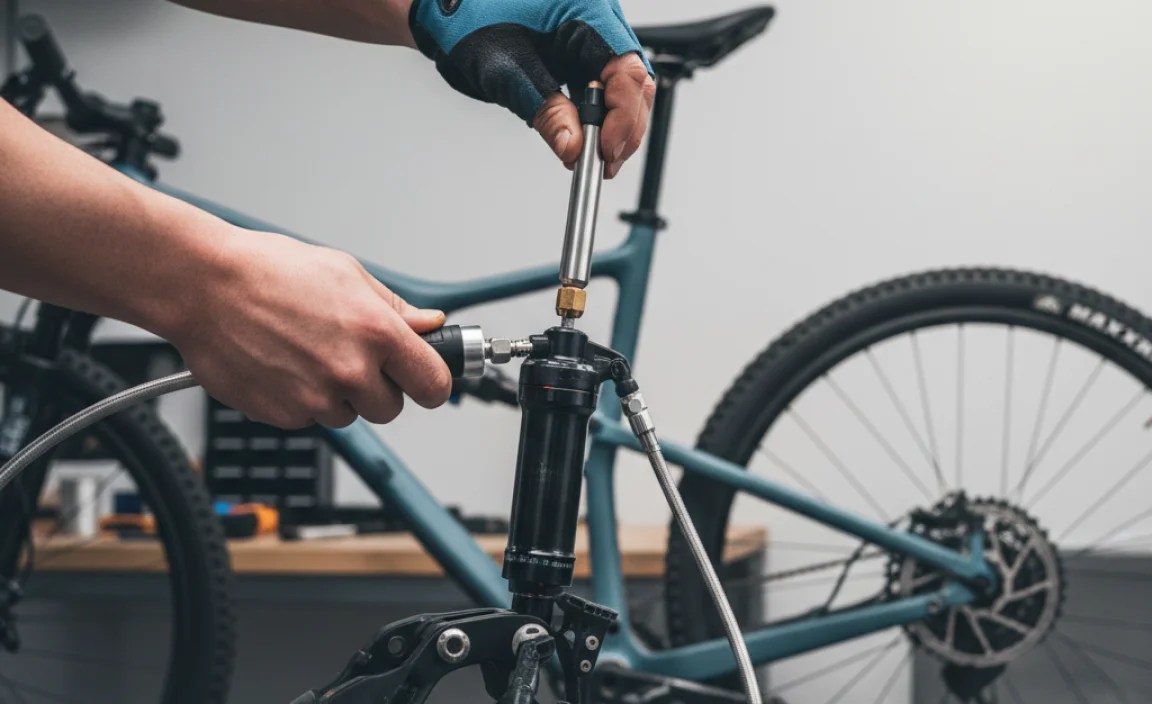
Now it’s time to connect the shock pump. First, find the valve on your shock. It might have a cap. Remove the cap carefully. Next, attach the shock pump to the valve. Make sure it’s a tight fit. You should hear a hissing sound. This means air is escaping. Don’t worry, it’s normal. The pump has a special valve to prevent leaks. Now, check the gauge on the pump. It should show the current pressure. Knowing how to use shock pump on remote reservoir shocks means connecting the pump correctly. A loose connection can give you a false reading. It can also damage the valve. Always double-check the connection. Make sure it’s secure.
- Locate the valve on your shock.
- Remove the valve cap.
- Attach the shock pump securely.
- Listen for a slight hissing sound.
- Check the pressure on the gauge.
Imagine you’re connecting a garden hose. You need to make sure it’s tight. Otherwise, water will spray everywhere! It’s the same with a shock pump. You need to make sure it’s connected properly. A loose connection can give you a bad reading. It can also let air escape. The hissing sound is normal. It happens when you first connect the pump. The pump seals the valve to prevent leaks. Knowing how to use shock pump on remote reservoir shocks means paying attention to details. A good connection is key. It ensures you get an accurate reading. It also helps you adjust the pressure correctly. Always take your time. Don’t rush the process.
Fun Fact or Stat: Connecting a shock pump can sometimes cause a pressure drop of 5-10 PSI!
Finding The Shock Valve
Have you ever looked for a hidden treasure? The shock valve might be hidden. Look closely at your shock. It’s usually on the end of the reservoir. It might have a small cap. The cap protects the valve from dirt. Remove the cap carefully. The valve looks like a small hole. It’s where you connect the shock pump. If you can’t find it, check your manual. It will show you exactly where it is. Knowing how to use shock pump on remote reservoir shocks starts with finding the valve. It’s the key to adjusting the pressure. Take your time and look carefully. The valve is usually easy to spot once you know where to look.
Attaching The Pump Head
Think about putting a puzzle together. Each piece needs to fit just right. The pump head needs to fit snugly on the valve. Line up the pump head with the valve. Push it on gently but firmly. You should feel it click into place. If it’s loose, it won’t seal properly. This will cause air to leak out. Double-check the connection. Make sure it’s secure. Knowing how to use shock pump on remote reservoir shocks means getting the connection right. A good connection ensures an accurate reading. It also prevents air loss. Always take your time and be careful. A secure connection is key to success.
Ensuring A Secure Connection
Imagine you’re building a tower of blocks. You need to make sure each block is stable. A wobbly block can make the whole tower fall! A secure connection is just as important. It ensures the pump is properly attached. It also prevents air from leaking out. Gently wiggle the pump head. If it moves, it’s not secure. Try pushing it on a little harder. Make sure it clicks into place. Knowing how to use shock pump on remote reservoir shocks means paying attention to the details. A secure connection is essential. It guarantees an accurate pressure reading. It also helps you avoid wasting air. Always double-check your work.
Adjusting The Air Pressure

Now it’s time to adjust the air pressure. Look at the gauge on the shock pump. It shows the current pressure. Compare this to the recommended pressure in your manual. If the pressure is too low, add air. Pump the handle slowly and steadily. Watch the gauge as you pump. Stop when you reach the right pressure. If the pressure is too high, release air. Most shock pumps have a bleed valve. Press the bleed valve gently. Watch the gauge as air is released. Knowing how to use shock pump on remote reservoir shocks means making small adjustments. Too much air can damage the shock. Too little air can make the ride bumpy. Always check the pressure after each adjustment.
- Check the pressure on the gauge.
- Compare to the recommended pressure.
- Add air slowly if needed.
- Release air carefully if needed.
- Check the pressure after each change.
Think of it like tuning a guitar. You need to adjust the strings until they sound right. It’s the same with your shocks. You need to adjust the pressure until it feels right. The gauge is like a tuner. It tells you if the pressure is too high or too low. The bleed valve is like a fine-tuning knob. It lets you release small amounts of air. Knowing how to use shock pump on remote reservoir shocks means being patient. Small adjustments make a big difference. Always check the pressure after each adjustment. This will help you get the perfect ride. It will also prevent damage to your shocks. Remember, the goal is a smooth, controlled ride.
Fun Fact or Stat: Air pressure in shocks is often measured in PSI, which stands for pounds per square inch!
Adding Air To Your Shocks
Imagine you’re inflating a basketball. You need to pump air into it. It’s the same with your shocks. If the pressure is too low, you need to add air. Attach the shock pump to the valve. Make sure it’s secure. Pump the handle slowly and steadily. Watch the gauge as you pump. Stop when you reach the recommended pressure. Don’t pump too fast. This can overheat the pump. It can also damage the shock. Knowing how to use shock pump on remote reservoir shocks means adding air carefully. Small pumps are better than big pumps. Check the pressure frequently. This will help you avoid over-inflating the shock.
Releasing Air From Your Shocks
Think about letting air out of a balloon. You need to do it slowly. Otherwise, it will make a loud noise! It’s the same with your shocks. If the pressure is too high, you need to release air slowly. Most shock pumps have a bleed valve. This valve lets you release small amounts of air. Press the bleed valve gently. Watch the gauge as air is released. Stop when you reach the recommended pressure. Knowing how to use shock pump on remote reservoir shocks means releasing air carefully. Don’t press the valve too hard. This can release too much air. Check the pressure frequently. This will help you avoid under-inflating the shock.
Checking For The Correct Pressure
Imagine you’re checking the temperature of a cake. You need to use a thermometer. It tells you if the cake is done. The gauge on your shock pump is like a thermometer. It tells you the pressure in your shock. Look at the gauge carefully. Compare the reading to the recommended pressure. If they match, you’re done! If not, adjust the pressure as needed. Knowing how to use shock pump on remote reservoir shocks means checking the pressure accurately. A good gauge is important. It helps you get the right pressure. This ensures a smooth, controlled ride. Always double-check the pressure. It’s better to be safe than sorry.
Disconnecting The Shock Pump

Once you’ve adjusted the pressure, it’s time to disconnect the shock pump. First, make sure the valve is closed. Some pumps have a lever to close the valve. Next, carefully remove the pump head. You might hear a small hissing sound. This is normal. It’s just a little bit of air escaping. Replace the valve cap. This protects the valve from dirt. Store the shock pump in a safe place. Knowing how to use shock pump on remote reservoir shocks includes disconnecting the pump properly. A quick, clean disconnect prevents air loss. It also keeps the valve clean. Always double-check that the valve cap is secure.
- Close the valve (if applicable).
- Carefully remove the pump head.
- Expect a slight hissing sound.
- Replace the valve cap.
- Store the pump safely.
Think of it like unplugging an appliance. You need to do it carefully. You don’t want to damage the cord! It’s the same with your shock pump. You need to disconnect it properly. A quick yank can damage the valve. The hissing sound is normal. It’s just a little bit of air escaping from the pump. Knowing how to use shock pump on remote reservoir shocks means being gentle. A smooth disconnect protects the valve. It also prevents air loss. Always replace the valve cap. This keeps dirt out of the valve. This will help your shocks last longer.
Fun Fact or Stat: Some shock pumps have a no-loss valve design, minimizing air loss during disconnection!
Removing The Pump Head Without Losing Air
Imagine you’re trying to take a picture without blinking. You need to be quick! Removing the pump head is similar. You need to be quick and smooth. Some pumps have a special valve. This valve helps prevent air loss. Use this valve if your pump has one. Otherwise, pull the pump head straight off. Do it quickly but carefully. Knowing how to use shock pump on remote reservoir shocks means mastering this technique. Practice makes perfect. The less air you lose, the better. It keeps your pressure accurate.
Replacing The Valve Cap
Think about putting a lid on a jar. You need to make sure it’s tight. This keeps the contents fresh. The valve cap is like a lid for your shock valve. It keeps dirt and debris out. This protects the valve from damage. Screw the cap on tightly. Make sure it’s secure. Knowing how to use shock pump on remote reservoir shocks includes this simple step. A missing valve cap can cause problems. Dirt can get into the valve. This can make it leak. Always replace the cap after disconnecting the pump.
Storing Your Shock Pump
Imagine you’re putting away your toys. You need to keep them safe. Store your shock pump in a clean, dry place. This will protect it from damage. Keep it away from extreme temperatures. Heat and cold can damage the seals. Also, keep it away from dirt and moisture. These can clog the pump. Knowing how to use shock pump on remote reservoir shocks includes taking care of your tools. A well-maintained pump will last longer. It will also work better. Always store it properly after each use.
Testing And Fine-Tuning
Now it’s time to test your shocks. Go for a short ride. Pay attention to how the shocks feel. Do they feel too stiff? Or too soft? If they feel too stiff, release a little air. If they feel too soft, add a little air. Make small adjustments. Test the shocks again after each adjustment. It might take a few tries to get it just right. Knowing how to use shock pump on remote reservoir shocks means being patient. It also means paying attention to details. The goal is a smooth, controlled ride. Don’t be afraid to experiment. Find the pressure that works best for you.
- Go for a test ride.
- Pay attention to how the shocks feel.
- Adjust the pressure as needed.
- Test again after each adjustment.
- Be patient and experiment.
Think of it like adjusting the volume on a radio. You need to find the right level. Too loud is annoying. Too quiet is hard to hear. It’s the same with your shocks. You need to find the right pressure. Too stiff is uncomfortable. Too soft is unstable. Knowing how to use shock pump on remote reservoir shocks means fine-tuning your ride. Small adjustments can make a big difference. Always test the shocks after each adjustment. This will help you find the perfect balance. It will also help you enjoy your ride more.
Fun Fact or Stat: Professional riders often spend hours fine-tuning their suspension for optimal performance!
Going For A Test Ride
Imagine you’re trying on new shoes. You need to walk around in them. This helps you see if they fit well. A test ride is like walking in new shoes. It helps you see how your shocks feel. Find a familiar route. Pay attention to how the shocks handle bumps. Do they absorb the bumps well? Or do you feel every bump? Knowing how to use shock pump on remote reservoir shocks means understanding what a good ride feels like. A test ride is essential. It helps you fine-tune your suspension. It also helps you stay safe.
Paying Attention To Shock Feel
Think about listening to music. You can tell if the sound is clear or muffled. It’s the same with your shocks. You can feel if they’re working properly. Pay attention to how the shocks respond to bumps. Do they feel smooth and controlled? Or do they feel harsh and bouncy? Knowing how to use shock pump on remote reservoir shocks means developing a feel for your suspension. This takes practice. The more you ride, the better you’ll get. A good shock feel means more comfort and control.
Making Small Adjustments
Imagine you’re painting a picture. You need to add small details. These details make the picture better. Small adjustments are like adding details to your suspension. A little bit of air can make a big difference. Don’t make big changes all at once. Small, incremental adjustments are better. Test the shocks after each adjustment. This helps you see the effect of the change. Knowing how to use shock pump on remote reservoir shocks means being precise. Small adjustments lead to a perfect ride. They also prevent damage to your shocks.
Maintenance Tips For Your Shocks
Taking care of your shocks is important. It helps them last longer. Clean your shocks regularly. Use a soft cloth and mild soap. Avoid using harsh chemicals. Check for leaks. Look for oil around the seals. If you see a leak, get the shocks repaired. Inspect the bushings. These are the rubber parts that connect the shocks to the frame. Replace them if they’re worn. Knowing how to use shock pump on remote reservoir shocks is just one part of maintenance. Regular care keeps your shocks working well. It also keeps you safe. Always follow the manufacturer’s recommendations.
| Maintenance Task | Frequency | Description |
|---|---|---|
| Cleaning | After each ride | Wipe down shocks with a soft cloth and mild soap. |
| Leak Check | Monthly | Inspect for oil leaks around seals and fittings. |
| Bushing Inspection | Every 3 months | Check bushings for wear and tear. Replace if needed. |
| Air Pressure Check | Before each ride | Ensure correct air pressure using a shock pump. |
- Clean shocks after each ride.
- Check for oil leaks monthly.
- Inspect bushings every 3 months.
- Check air pressure before each ride.
- Follow manufacturer’s guidelines.
Think of it like taking care of your teeth. You need to brush them every day. This keeps them healthy. It prevents cavities. It’s the same with your shocks. You need to clean them regularly. This keeps them working well. It prevents damage. Knowing how to use shock pump on remote reservoir shocks is important. But maintenance is just as important. Regular care keeps your shocks in top condition. It also extends their lifespan. This saves you money in the long run. Always take pride in your equipment. It will reward you with years of reliable service.
Fun Fact or Stat: Regularly maintained shocks can last twice as long as neglected ones!
Cleaning Your Shocks Regularly
Imagine you’re washing your bike or car. You need to clean off the dirt. Dirt can damage the paint. It’s the same with your shocks. Dirt can damage the seals. It can also cause wear and tear. Clean your shocks after each ride. Use a soft cloth and mild soap. Avoid using harsh chemicals. These can damage the finish. Knowing how to use shock pump on remote reservoir shocks is important. But cleaning is just as important. A clean shock is a happy shock. It will last longer and perform better.
Checking For Leaks And Damage
Think about checking your tires for flats. You need to look for nails or cuts. These can cause a flat tire. It’s the same with your shocks. You need to check for leaks and damage. Look for oil around the seals. This indicates a leak. Also, check for dents or scratches. These can weaken the shock. Knowing how to use shock pump on remote reservoir shocks means being observant. A damaged shock is a safety hazard. It can also affect performance. Always inspect your shocks regularly.
Replacing Worn Bushings
Imagine you’re replacing the tires on your bike or car. Worn tires are dangerous. They can cause accidents. It’s the same with your shock bushings. Worn bushings can affect handling. They can also cause noise. Replace the bushings when they show signs of wear. This will improve performance. It will also keep you safe. Knowing how to use shock pump on remote reservoir shocks is important. But replacing worn parts is just as important. A well-maintained shock is a reliable shock.
Summary
Learning how to use shock pump on remote reservoir shocks is a valuable skill. It allows you to fine-tune your ride. You can adjust the pressure for different conditions. This improves comfort and control. Remember to gather your tools. Always check your manual for the right pressure. Connect the pump carefully. Add or release air slowly. Disconnect the pump gently. Test your shocks and make adjustments. Regular maintenance keeps your shocks working well.
Properly inflated shocks make a big difference. They improve handling and safety. They also extend the life of your equipment. Taking the time to learn these skills is worth it. You’ll enjoy a smoother, more controlled ride. You’ll also save money on repairs. So, grab your shock pump and get started!
Conclusion
Knowing how to use shock pump on remote reservoir shocks is not hard. It just takes practice. Always use the right tools. Follow the steps carefully. Check your manual. Small adjustments make a big difference. Regular maintenance keeps your shocks working well. Now you can enjoy a smoother, more controlled ride. So go out there and have fun!
Frequently Asked Questions
Question No 1: What is a shock pump, and why do I need one for remote reservoir shocks?
Answer: A shock pump is a special high-pressure pump. It’s designed for adjusting air pressure in shocks. Remote reservoir shocks need precise air pressure settings. A regular tire pump won’t work. A shock pump has a gauge that shows the pressure. This helps you add or remove air accurately. Knowing how to use shock pump on remote reservoir shocks is important. It lets you fine-tune your suspension. This improves ride quality and handling. Without a shock pump, you can’t properly adjust the pressure. This can lead to a bumpy, uncomfortable ride. It can also damage your shocks.
Question No 2: How often should I check and adjust the air pressure in my remote reservoir shocks?
Answer: You should check the air pressure before each ride. This ensures it’s at the correct level. Temperature changes can affect air pressure. So can altitude changes. Adjust the pressure as needed. If you’re riding in different conditions, you might need to adjust it more often. Pay attention to how the shocks feel. If they feel too stiff or too soft, adjust the pressure. Knowing how to use shock pump on remote reservoir shocks means being proactive. Regular checks and adjustments keep your shocks working well. This improves safety and performance. It also extends the life of your shocks.
Question No 3: What happens if I put too much air pressure in my remote reservoir shocks?
Answer: Putting too much air pressure can damage your shocks. It can also make the ride uncomfortable. Over-inflated shocks are stiff. They don’t absorb bumps well. This can lead to a harsh ride. It can also put stress on the seals. This can cause them to leak. Always check the recommended pressure in your manual. Don’t exceed the maximum pressure. If you accidentally over-inflate the shocks, release air slowly. Knowing how to use shock pump on remote reservoir shocks includes understanding the risks. Too much pressure is just as bad as too little pressure. Aim for the correct pressure for optimal performance.
Question No 4: Can I use a regular bicycle pump to inflate my remote reservoir shocks?
Answer: No, you cannot use a regular bicycle pump. Bicycle pumps don’t produce enough pressure. They also don’t have a precise gauge. A shock pump is designed for high pressure. It also has a gauge that shows the pressure accurately. Using a bicycle pump can damage your shocks. It can also give you a false reading. Always use a shock pump for remote reservoir shocks. This ensures you get the correct pressure. It also prevents damage to the shocks. Knowing how to use shock pump on remote reservoir shocks means using the right tools. A bicycle pump is not the right tool for this job.
Question No 5: How do I know what the correct air pressure should be for my remote reservoir shocks?
Answer: The correct air pressure depends on several things. It depends on your weight. It also depends on your riding style. Check your shock’s manual for the recommended pressure range. Start with the recommended pressure. Then adjust it to fit your needs. If you’re heavier, you might need more pressure. If you’re lighter, you might need less pressure. Experiment until you find the pressure that feels best. Knowing how to use shock pump on remote reservoir shocks means understanding your preferences. What works for one person might not work for another. Personalize your settings for optimal performance.
Question No 6: What should I do if my remote reservoir shocks are losing air pressure quickly?
Answer: If your shocks are losing air quickly, there might be a leak. Check the valve and seals for damage. Tighten the valve core. If that doesn’t work, the seals might need to be replaced. Take the shocks to a professional for repair. Ignoring a leak can damage the shocks. It can also affect performance. Knowing how to use shock pump on remote reservoir shocks includes recognizing problems. A leak is a serious problem. It needs to be fixed right away. Don’t continue to ride with leaking shocks. This can be dangerous.


