
How to Choose a Shock Pump for Mountain Bike Suspension: Easy Guide

Have you ever seen a mountain biker fly over bumps? Mountain bikes have special parts. These parts help them handle rough trails. One key part is the suspension. It makes the ride smooth. But how do you keep the suspension working well? You need a shock pump! Learning how to choose a shock pump for mountain bike suspension is important. It keeps your ride fun and safe.
Key Takeaways
- A good shock pump helps you set the right air pressure in your suspension.
- Look for a pump with an accurate gauge to get precise pressure readings.
- Consider the pump’s size and ease of use for adjustments on the trail.
- Think about the pump’s durability; a sturdy pump lasts longer.
- Knowing how to choose a shock pump for mountain bike suspension improves performance.
How to Choose a Shock Pump for Suspension

Choosing the right shock pump can feel tricky. Many pumps look similar. But they have different features. These features affect how well they work. The goal is to find a pump that is accurate. It should also be easy to use. Think about the gauge. Does it show the pressure clearly? Consider the pump head. Does it attach easily without leaking air? Also, check the build quality. A strong pump will last longer. How to choose a shock pump for mountain bike suspension involves balancing these factors. You want the best tool for keeping your suspension dialed.
- Check the pressure gauge for accuracy.
- Look for a pump head that seals well.
- Consider the pump’s size and weight.
- Read reviews about the pump’s durability.
- Make sure it is easy to attach and detach.
When you pick a shock pump, think about your bike. What kind of suspension do you have? Some bikes need higher pressures. Others need lower pressures. The pump you choose should match these needs. Some pumps have special features. They might have a two-stage system. This makes it easier to reach high pressures. Other pumps have a bleed valve. This lets you fine-tune the pressure. These features can be very helpful. They make it easier to get your suspension just right. A good shock pump is a key part of your toolkit.
What Makes a Gauge Accurate?
Have you ever tried to measure something with a ruler that wasn’t marked well? It’s hard to get the right measurement! The same is true for a shock pump. The gauge is what tells you the pressure in your suspension. An accurate gauge gives you the right reading. This helps you set your suspension correctly. An inaccurate gauge can lead to problems. Your suspension might be too stiff or too soft. This can make your ride uncomfortable. Look for a gauge that is easy to read. It should have clear markings. Digital gauges are often very accurate.
Why Is a Good Seal Important?
Imagine trying to fill a balloon with a hole in it. The air leaks out! A shock pump needs a good seal. This keeps air from leaking when you attach it to your suspension. A leaky pump head can make it hard to get the right pressure. You might have to pump many times. This wastes energy and can be frustrating. A good seal also protects your suspension. It keeps dirt and water out. Look for a pump head with a secure locking mechanism. This helps create a tight seal. Some pumps have extra seals for added protection.
Can Size Affect Performance?
Have you ever tried to carry something big and heavy on your bike? It can be hard to control! The size of your shock pump matters. A smaller pump is easier to carry. You can take it with you on rides. This lets you make adjustments on the trail. A larger pump might be more powerful. It can fill your suspension faster. But it’s harder to carry. Think about how you will use the pump. If you want to make adjustments on the go, choose a smaller pump. If you only need to adjust at home, a larger pump might be okay.
Fun Fact or Stat: Did you know that mountain bike suspension can improve your riding speed by up to 20% on rough terrain?
Understanding Shock Pump Features
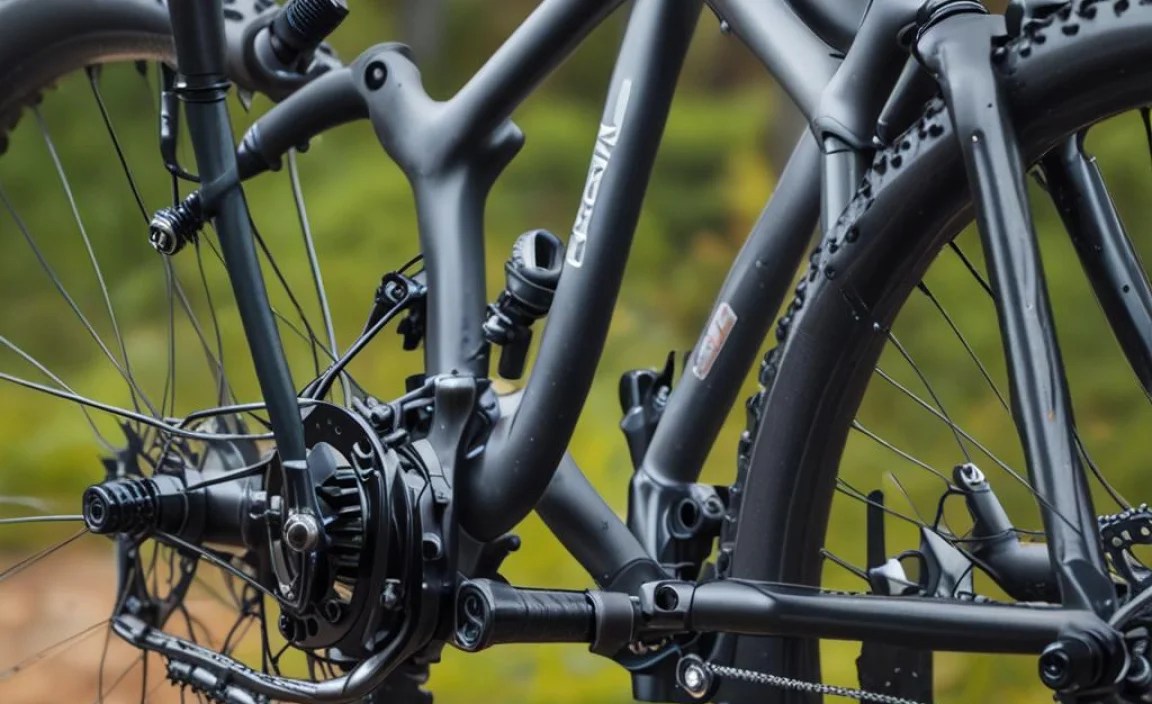
Shock pumps come with different features. Knowing what these features do helps you choose the right one. Some pumps have a bleed valve. This lets you release small amounts of air. This is helpful for fine-tuning the pressure. Other pumps have a rotating hose. This makes it easier to attach the pump to your suspension. Some pumps have a digital gauge. This gives you a very accurate reading. Think about which features are most important to you. How to choose a shock pump for mountain bike suspension depends on these features.
- Bleed valve for fine-tuning pressure.
- Rotating hose for easy attachment.
- Digital gauge for accurate readings.
- Two-stage pumping for high pressure.
- Ergonomic handle for comfortable use.
- Pressure release button for adjustments.
The handle of the shock pump is also important. A comfortable handle makes it easier to pump. Look for a handle that fits well in your hand. It should have a good grip. This will help you pump more efficiently. Some pumps have an ergonomic handle. This means it is designed to fit your hand naturally. This can reduce fatigue. Also, check the hose. A longer hose can be easier to use. It gives you more room to move. A shorter hose might be more compact. Consider these factors when choosing a pump.
What Does a Bleed Valve Do?
Imagine you’re adding sugar to your drink. You add too much! A bleed valve is like taking out a tiny bit of sugar. It lets you release small amounts of air from your suspension. This is helpful for fine-tuning the pressure. Sometimes you might add a little too much air. The bleed valve lets you get it just right. This can make a big difference in how your bike feels. Look for a pump with an easy-to-use bleed valve. It should be precise and responsive.
Why Is a Rotating Hose Useful?
Have you ever tried to untangle a garden hose? It can be frustrating! A rotating hose on a shock pump makes things easier. It lets you move the pump without twisting the hose. This is especially helpful in tight spaces. You can position the pump comfortably. This makes it easier to get an accurate reading. A rotating hose also protects the pump. It prevents the hose from kinking or breaking. This can extend the life of your pump.
Are Digital Gauges Worth It?
Think about the difference between a digital watch and an analog watch. A digital watch shows the exact time. An analog watch can be harder to read. A digital gauge on a shock pump is similar. It gives you a very precise pressure reading. This can be helpful if you want to fine-tune your suspension. Digital gauges are often more accurate than analog gauges. But they can also be more expensive. Consider whether the extra accuracy is worth the cost. If you are serious about your suspension, a digital gauge might be a good choice.
Fun Fact or Stat: A digital shock pump gauge can provide pressure readings accurate to within +/- 1 PSI.
Pressure Ranges and Compatibility

Different bikes need different air pressures. Some mountain bikes need high pressures. Others need lower pressures. Your shock pump must be able to handle the pressure range of your suspension. Check the specifications of your bike. Find out what pressure range it needs. Then, choose a pump that can handle that range. Some pumps are designed for high-pressure shocks. Others are designed for low-pressure forks. How to choose a shock pump for mountain bike suspension means matching the pump to your bike.
| Suspension Type | Typical Pressure Range (PSI) | Recommended Pump Type |
|---|---|---|
| Rear Shock (Air) | 100-300 | High-Pressure Pump |
| Front Fork (Air) | 50-150 | Mid-Pressure Pump |
| Coil Shock | N/A | Not Applicable |
| E-Bike Suspension | 80-250 | Durable High-Pressure Pump |
Also, think about the type of valve your suspension uses. Most mountain bikes use a Schrader valve. This is the same type of valve used on car tires. Make sure your shock pump is compatible with this type of valve. Some pumps come with adapters. These let you use the pump with different types of valves. Check the pump’s specifications to make sure it will work with your bike. Using the wrong pump can damage your suspension. It can also be dangerous.
Does My Fork Need a Different Pump?
Imagine you’re trying to fill a small balloon with a big air pump. It might be too powerful! Some front forks need lower pressures than rear shocks. This means you might need a different pump. A pump designed for forks will have a lower pressure range. It will also be more sensitive. This lets you make small adjustments. Using a high-pressure pump on a fork can be dangerous. You could over-inflate the fork. This can damage it. Check your fork’s specifications before choosing a pump.
What Is a Schrader Valve?
Have you ever pumped up a car tire? The valve you use is called a Schrader valve. It’s a common type of valve. Many mountain bikes use Schrader valves for their suspension. This makes it easy to use a standard shock pump. Make sure your pump is compatible with Schrader valves. Some pumps have adapters for other types of valves. But Schrader valves are the most common. Knowing this helps you choose the right pump.
Can I Use a Tire Pump Instead?
Think about trying to paint a small picture with a big brush. It’s hard to be precise! A tire pump is designed for high-volume, low-pressure inflation. A shock pump is designed for low-volume, high-pressure inflation. You should not use a tire pump on your suspension. It will not give you accurate pressure readings. It can also damage your suspension. Always use a shock pump designed for mountain bike suspension.
Fun Fact or Stat: Using the wrong type of pump can void the warranty on your suspension components.
Durability and Build Quality

A shock pump is a tool you will use often. It needs to be strong and durable. Look for a pump made from high-quality materials. Aluminum is a good choice. It is strong and lightweight. Check the pump head. It should be made from metal or durable plastic. The hose should be flexible and resistant to cracking. Read reviews to see what other riders say about the pump’s durability. How to choose a shock pump for mountain bike suspension includes considering build quality.
- Aluminum body for strength and weight.
- Durable pump head made of metal.
- Flexible hose that resists cracking.
- Sealed components to prevent leaks.
- Positive customer reviews about durability.
- Warranty offered by the manufacturer.
Think about where you will be using the pump. Will you be taking it on the trail? If so, you need a pump that can handle rough conditions. Look for a pump with a protective case. This will keep it safe from dirt and water. Also, consider the pump’s weight. A lighter pump is easier to carry. But it might not be as durable. Balance these factors to find the best pump for your needs. A good shock pump is an investment in your bike’s performance.
What Materials Make a Pump Durable?
Imagine building a house. You want to use strong materials! Aluminum is a great material for shock pumps. It is strong but light. This makes the pump easy to carry. The pump head should also be strong. Metal is a good choice. It can handle the pressure without breaking. The hose should be made of a flexible material. This will prevent it from cracking. Look for pumps that use high-quality materials. This will ensure they last a long time.
How Does the Pump Head Affect Durability?
Think about the nozzle on a water hose. If it’s weak, it will break easily. The pump head is a critical part of the shock pump. It connects to your suspension. It needs to be strong and durable. A metal pump head is usually more durable than a plastic one. It can handle the pressure without breaking. Also, check the seals. They should be tight and prevent leaks. A well-made pump head will ensure your pump lasts longer.
Is a Warranty Important?
Imagine buying a new toy. You want to know it will work! A warranty is a promise from the manufacturer. It says they will fix or replace the pump if it breaks. A good warranty shows that the manufacturer trusts their product. It gives you peace of mind. Look for a pump with a good warranty. This will protect you if the pump fails. Read the warranty carefully to understand what it covers.
Fun Fact or Stat: A shock pump made with aircraft-grade aluminum can withstand pressures up to 400 PSI.
Ease of Use and Ergonomics

A shock pump should be easy to use. You don’t want to struggle every time you adjust your suspension. Look for a pump with a comfortable handle. It should fit well in your hand. The gauge should be easy to read. The pump head should attach and detach easily. A rotating hose can also make the pump easier to use. Think about these factors when choosing a pump. How to choose a shock pump for mountain bike suspension includes considering ergonomics.
- Comfortable handle for easy pumping.
- Easy-to-read pressure gauge.
- Simple attachment and detachment.
- Rotating hose for flexibility.
- Intuitive design for quick adjustments.
- Clear instructions for use.
Some pumps have special features that make them easier to use. A two-stage system can help you reach high pressures more easily. A bleed valve lets you fine-tune the pressure. A pressure release button lets you quickly release air. These features can be very helpful. They make it easier to get your suspension just right. Choose a pump that is comfortable and easy to use. This will make it more likely that you will adjust your suspension regularly.
Does Handle Design Matter?
Imagine trying to write with a pen that is uncomfortable. It’s hard to do! The handle of a shock pump is important. It should fit well in your hand. It should be easy to grip. An ergonomic handle can reduce fatigue. This is important if you need to pump a lot of air. Look for a handle that is comfortable for you. Try holding the pump before you buy it. This will help you choose the right one.
How Important Is Gauge Visibility?
Think about trying to read a book in the dark. It’s impossible! The gauge on a shock pump needs to be easy to read. It should have clear markings. The numbers should be large and easy to see. A digital gauge can be helpful. It gives you a precise reading. But it also needs to be easy to read. Look for a pump with a gauge that is easy to see in different lighting conditions.
Are Quick-Release Valves Helpful?
Have you ever tried to quickly disconnect a hose? A quick-release valve makes it easy. It lets you detach the pump from your suspension quickly. This is important because it prevents air loss. When you disconnect the pump, some air can escape. A quick-release valve minimizes this. This helps you get a more accurate pressure reading. Look for a pump with a reliable quick-release valve.
Fun Fact or Stat: An ergonomic handle can reduce hand fatigue by up to 30% during prolonged pumping.
Budget and Value for Money
Shock pumps range in price. Some are very affordable. Others are more expensive. Think about your budget. How much are you willing to spend? Consider the features you need. Do you need a digital gauge? Do you need a two-stage system? These features will add to the cost. Read reviews to see what other riders say about the pump’s value. How to choose a shock pump for mountain bike suspension means finding the best value.
- Set a budget before you start shopping.
- Compare prices from different brands.
- Read reviews to assess value for money.
- Consider the pump’s lifespan and durability.
- Look for sales and discounts.
- Balance features with your budget.
A more expensive pump might have better features. It might also be more durable. But it might not be worth the extra cost if you don’t need those features. A cheaper pump might be a good choice if you only need to adjust your suspension occasionally. Think about how often you will use the pump. This will help you decide how much to spend. A good shock pump is an investment in your bike’s performance. But you don’t need to spend a lot of money to get a good one.
Are Expensive Pumps Worth It?
Imagine buying a fancy tool. It has lots of features. But do you need them all? Expensive shock pumps often have advanced features. These might include digital gauges, two-stage systems, and ergonomic handles. These features can make the pump easier to use. They can also improve accuracy. But they might not be necessary for everyone. Consider whether you need these features before spending extra money.
Can I Get a Good Pump on a Budget?
Think about finding a great deal at a store. It’s possible to get a good shock pump without spending a lot of money. Look for pumps from reputable brands. Read reviews to see what other riders say. A cheaper pump might not have all the features of an expensive pump. But it can still be accurate and durable. Focus on the features that are most important to you. This will help you find a good pump on a budget.
What Makes a Pump a Good Value?
Imagine buying something that lasts a long time. It’s a good value! A shock pump is a good value if it is durable, accurate, and easy to use. It should also be affordable. Look for a pump that balances these factors. Read reviews to see what other riders say. A good value pump will give you years of reliable service. It will also help you keep your suspension dialed.
Fun Fact or Stat: The average lifespan of a well-maintained shock pump is 5-7 years.
Summary
Choosing the right shock pump is important for mountain bike suspension. A good pump helps you set the correct air pressure. This improves your bike’s performance and your riding comfort. Consider the pump’s features, such as the gauge, handle, and hose. Think about the pressure range and compatibility with your bike’s valves. Durability and ease of use are also important factors. How to choose a shock pump for mountain bike suspension involves balancing these factors. By considering these things, you can find the best pump for your needs.
Conclusion
Finding the right shock pump for your mountain bike suspension can seem daunting. But it’s a key part of bike maintenance. Consider your budget, the features you need, and the pump’s durability. A good shock pump will help you keep your suspension dialed. This will improve your riding experience. How to choose a shock pump for mountain bike suspension is a skill that will benefit any mountain biker.
Frequently Asked Questions
Question No 1: What is a shock pump used for?
Answer: A shock pump is a special type of air pump. It is designed to adjust the air pressure in mountain bike suspension systems. These systems include front forks and rear shocks. Unlike regular tire pumps, shock pumps deliver small volumes of air at high pressure. This allows for precise adjustments. These adjustments fine-tune the suspension. This helps it perform well on different terrains. Using a shock pump ensures your suspension is properly set up for optimal riding comfort and control. It’s a key tool for any serious mountain biker.
Question No 2: How often should I check my suspension pressure?
Answer: You should check your suspension pressure regularly. It’s best to check it before each ride. This ensures your suspension is set correctly for the day’s conditions. Air pressure can change over time. Temperature and riding conditions can affect it. Checking before each ride helps maintain consistent performance. If you notice a significant change in pressure, inspect your suspension. Look for leaks or other issues. Regular checks help prevent damage and ensure a safe and enjoyable ride.
Question No 3: Can I use a regular tire pump for my suspension?
Answer: No, you should not use a regular tire pump for your suspension. Tire pumps deliver large volumes of air at low pressure. Shock pumps deliver small volumes of air at high pressure. Using a tire pump can over-inflate your suspension. This can damage the seals and other components. It can also be difficult to get accurate pressure readings. Always use a shock pump designed for mountain bike suspension. This will ensure you get precise adjustments and prevent damage.
Question No 4: How do I know what pressure to set my suspension to?
Answer: The correct pressure depends on your weight and riding style. Most suspension manufacturers provide a pressure chart. This chart gives you a starting point based on your weight. You can usually find this chart on the suspension component itself. You can also find it on the manufacturer’s website. Start with the recommended pressure. Then, adjust it based on your riding experience. A good starting point helps you dial in the perfect feel. This ensures optimal performance and comfort on the trail.
Question No 5: What features should I look for when choosing a shock pump?
Answer: When choosing a shock pump, consider several key features. Look for a pump with an accurate and easy-to-read gauge. A bleed valve is helpful for fine-tuning pressure. A rotating hose makes it easier to attach the pump. A comfortable handle improves ease of use. Durability is also important. Choose a pump made from high-quality materials. How to choose a shock pump for mountain bike suspension means balancing features and budget.
Question No 6: How does temperature affect my suspension pressure?
Answer: Temperature can affect your suspension pressure. As temperature increases, air pressure also increases. As temperature decreases, air pressure decreases. This is because air expands when heated and contracts when cooled. It’s important to consider this when setting your suspension pressure. If you are riding in very hot or cold conditions, adjust the pressure accordingly. Checking the pressure before each ride is crucial. How to choose a shock pump for mountain bike suspension also means understanding environmental factors.


