
How to Fix Leaking Suspension Air with a Shock Pump: Easy!

Have you ever ridden your bike and felt a little bounce was missing? Maybe the air suspension is leaking. It can be frustrating! You want a smooth, fun ride. Knowing how to fix leaking suspension air with a shock pump is a great skill. It keeps your bike in top shape. Let’s learn how!
Air suspension makes your ride comfy. It uses air to soak up bumps. Over time, air can leak out. This makes the ride bumpy again. Using a shock pump can help you add air back. We will show you how to do it safely and easily.
A shock pump is a special tool. It helps you add air to the suspension. It has a gauge to show the air pressure. This helps you get the perfect ride. Are you ready to learn more? Let’s get started!
Key Takeaways
- Knowing how to fix leaking suspension air with a shock pump saves time and money.
- Always check the manufacturer’s instructions for your specific suspension system.
- Use a shock pump to add air in small increments to avoid over-inflation.
- Regularly inspect your suspension for wear, damage, or leaks.
- Proper maintenance ensures a smooth and safe riding experience.
How to Find Leaks in Air Suspension

Finding leaks is the first step. You can’t fix what you can’t see! Start by looking closely at the air suspension parts. Check the seals and connections. Sometimes, you can hear a hissing sound. This means air is escaping. You can also use soapy water. Put it on the joints. If bubbles form, you have found a leak. Remember to clean the area after. Dirt can make leaks worse. Check the valve core too. It might be loose. Tighten it with a valve core tool. Small leaks can become big problems if you ignore them. So, check your suspension often. Regular checks keep your ride smooth and safe. Finding leaks early saves you time and money. It also keeps you safe on the road or trail. A simple visual check can make a big difference.
- Listen for hissing sounds near the suspension.
- Visually inspect seals and connections for damage.
- Apply soapy water to joints and look for bubbles.
- Check the valve core for tightness.
- Look for oily residue, which can indicate a leak.
Once you find a leak, you can plan your next steps. Maybe it’s a loose valve. Or, it could be a worn-out seal. Knowing where the leak is helps you fix it right. Sometimes, the fix is easy. Other times, you might need a new part. Don’t be afraid to ask for help if you need it. A bike shop can give you advice. They can also fix the leak for you. The important thing is to take care of the problem. A leaking suspension can be dangerous. It can also make your ride less fun. Keep your suspension in good shape. This will make your rides better and safer. Remember, a little care goes a long way.
Why Is My Suspension Leaking?
Have you ever wondered why your suspension is leaking? There are many reasons. One common reason is worn-out seals. Seals keep the air inside. Over time, they can dry out and crack. Another reason is dirt. Dirt can get into the seals. This can damage them. Also, the valve core can loosen. This lets air escape. Sometimes, the air pressure is too high. This can stress the seals. Finally, crashes can damage the suspension. Check your suspension after a crash. Knowing the reasons can help you prevent leaks. Regular cleaning can keep dirt away. Checking the air pressure can prevent stress. Replacing seals when they are worn is also important. Taking care of your suspension keeps it working well. It also keeps you safe on your rides.
Can I Ride with a Small Leak?
Riding with a small leak might seem okay at first. But, it can cause problems. The suspension will lose air over time. This makes the ride bumpy and less comfortable. It also puts more stress on other parts. The leak can get bigger too. This can lead to a sudden loss of air. This could be dangerous. It’s best to fix the leak as soon as you find it. A small leak is easier to fix than a big one. You might only need to tighten a valve. Or, you might need a new seal. Ignoring the leak can lead to bigger problems. It’s better to be safe than sorry. Take care of your suspension. It will take care of you.
How Often Should I Check for Leaks?
How often should you check for leaks? A good rule is to check before each ride. This only takes a few minutes. Look for any signs of leaks. Listen for hissing sounds. Check the seals for damage. Feel for oily residue. If you ride often, check more often. If you ride in rough conditions, check even more. Regular checks can prevent problems. They can also help you catch leaks early. Early detection means easier fixes. It also means safer rides. Don’t wait until you feel a problem. Be proactive. Check your suspension often. This simple habit can make a big difference. It keeps your bike in top shape. It also keeps you safe and happy on your rides.
Fun Fact or Stat: Did you know that regular suspension maintenance can increase the lifespan of your bike by up to 30%?
Gathering Tools to Fix Suspension Air

Before you start, you need the right tools. The most important tool is a shock pump. This pump is special. It has a gauge to measure air pressure. You will also need a valve core tool. This helps you tighten the valve core. You might need soapy water in a spray bottle. This helps you find leaks. Have some clean rags ready. These help you clean the area. If you need to replace seals, get the right size seals. Check your bike’s manual for the correct parts. A work stand can make things easier. It holds your bike steady. Having all the tools ready saves time. It also makes the job easier. Don’t start without the right tools. This can damage your suspension. Get everything ready. Then, you can fix the leak safely and easily.
- Obtain a high-pressure shock pump with a gauge.
- Gather a valve core tool for tightening valves.
- Prepare soapy water in a spray bottle for leak detection.
- Have clean rags available for cleaning.
- Ensure you have the correct replacement seals if needed.
- Use a work stand to keep the bike stable.
Having the right tools makes the job smoother. A shock pump lets you add air accurately. The gauge shows you the pressure. This prevents over-inflation. A valve core tool helps you tighten loose valves. Soapy water helps you find even small leaks. Clean rags keep dirt away. This prevents more damage. If you need new seals, get the right ones. The wrong seals won’t work. A work stand holds the bike steady. This makes it easier to work on. Taking the time to gather the tools is worth it. It makes the job easier and safer. It also helps you do the job right. With the right tools, you can fix your suspension like a pro.
What Is a Shock Pump?
A shock pump is a special pump. It’s made for air suspension. It’s different from a regular tire pump. It can pump air to high pressures. The gauge shows the pressure very accurately. This is important for air suspension. You need the right amount of air. Too much or too little can cause problems. A shock pump has a special valve. This prevents air from escaping when you remove the pump. This is important for getting the right pressure. Using a shock pump is easy. Just connect it to the valve and pump. Watch the gauge to get the right pressure. A shock pump is a must-have tool for air suspension.
Where Can I Buy These Tools?
You can buy these tools in many places. Bike shops sell shock pumps and valve core tools. Online stores also have a big selection. Look for trusted brands. Read reviews before you buy. This helps you get good quality tools. Some hardware stores also sell valve core tools. Check the automotive section. You might find them there. When buying seals, go to a bike shop. They can help you find the right size. Getting the right tools is important. They make the job easier and safer. Don’t buy cheap tools. They might break or not work well. Invest in good quality tools. They will last longer and work better.
Can I Use a Tire Pump Instead of a Shock Pump?
Using a tire pump for air suspension is not a good idea. Tire pumps don’t have accurate gauges. They also can’t pump air to high pressures. Air suspension needs high pressure. A tire pump might damage the valve. It might also not seal properly. This can let air escape. A shock pump is designed for air suspension. It has the right gauge and valve. It can pump air safely and accurately. Using the right tool is important. Don’t try to use a tire pump. It could damage your suspension. It could also be dangerous. Stick to using a shock pump. It’s the best tool for the job.
Fun Fact or Stat: A high-quality shock pump can accurately measure pressure up to 300 PSI (pounds per square inch)!
Step-by-Step: Using a Shock Pump
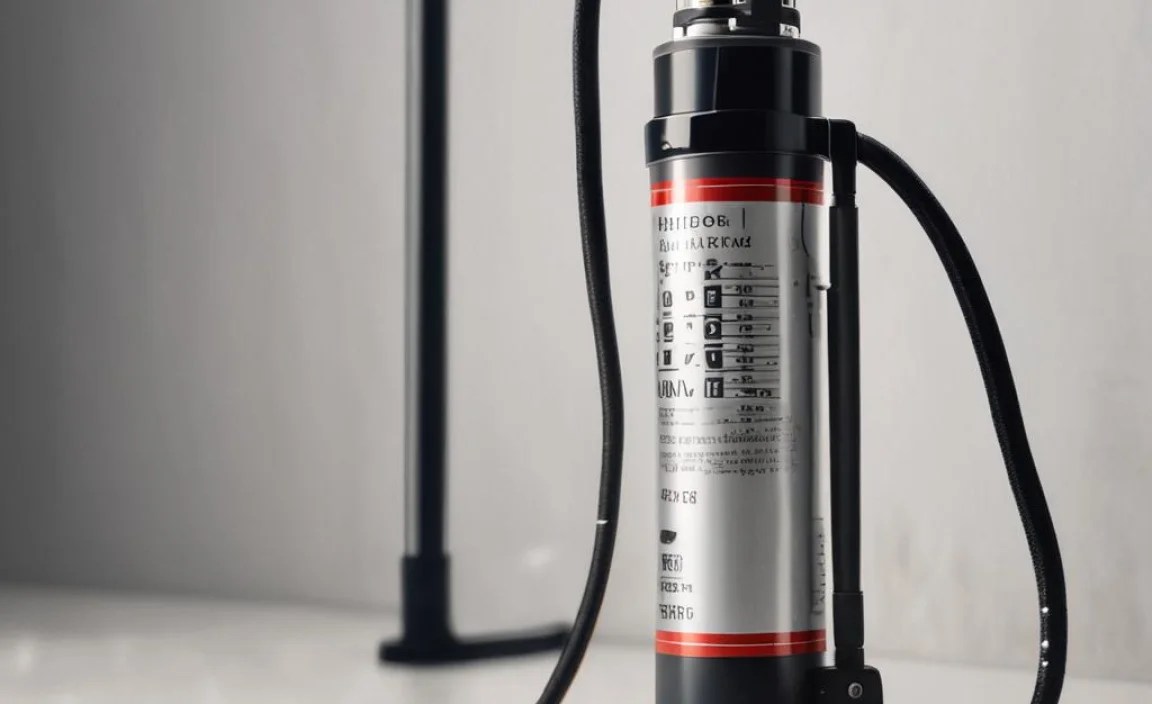
Now, let’s learn how to fix leaking suspension air with a shock pump. First, find the valve on your suspension. It looks like a tire valve. Remove the valve cap. Next, attach the shock pump to the valve. Make sure it’s on tight. Now, look at the gauge on the shock pump. Check the current air pressure. Compare it to the recommended pressure. You can find this in your bike’s manual. If the pressure is low, start pumping. Pump slowly and steadily. Watch the gauge. Stop when you reach the right pressure. Remove the pump carefully. Put the valve cap back on. That’s it! You have added air to your suspension. Check the pressure again after a ride. This makes sure it’s holding air.
- Locate the valve on your air suspension.
- Remove the valve cap to expose the valve.
- Attach the shock pump securely to the valve.
- Check the current air pressure on the gauge.
- Pump air slowly until you reach the recommended pressure.
- Remove the pump carefully and replace the valve cap.
Using a shock pump is easy with practice. Always check the recommended pressure first. This prevents over-inflation. Pump air slowly and steadily. This gives you better control. Watch the gauge closely. Stop when you reach the right pressure. Removing the pump carefully is important. This prevents air from escaping. Put the valve cap back on. This keeps dirt out. Check the pressure after a ride. This makes sure the air is holding. If the pressure drops quickly, there might still be a leak. Repeat the steps if needed. With a little practice, you’ll be a pro. You can keep your suspension in top shape. This makes your rides smooth and fun.
How Do I Know the Right Pressure?
Finding the right pressure is important. The right pressure depends on your weight. It also depends on your riding style. Your bike’s manual has a pressure chart. This chart shows the recommended pressure. It’s a good starting point. You can also find information online. Many websites have pressure calculators. These calculators ask for your weight and riding style. They then give you a recommended pressure. Start with the recommended pressure. Then, adjust it to your liking. If the ride is too bumpy, lower the pressure. If it feels too soft, increase the pressure. Experiment to find the perfect feel.
What If I Over-Inflate the Suspension?
Over-inflating the suspension can be a problem. Too much air pressure can damage the seals. It can also make the ride harsh and uncomfortable. If you over-inflate, don’t panic. You can let some air out. Carefully attach the shock pump. Then, slowly release air by pressing the release valve. Watch the gauge as you release air. Stop when you reach the right pressure. It’s better to add air in small amounts. This prevents over-inflation. Always check the gauge often. This helps you stay within the recommended range. Over-inflation can be avoided with care.
How Often Do I Need to Add Air?
How often you need to add air depends. It depends on your suspension. It also depends on how often you ride. Some suspensions lose air slowly over time. Others hold air very well. Check the pressure before each ride. This is a good habit to have. If you notice the pressure is low, add air. If you have a leak, you’ll need to add air more often. Fixing the leak is the best solution. Regular checks will tell you how often to add air. Pay attention to how your bike feels. This will give you clues about the air pressure. Adjust as needed to keep your ride smooth.
Fun Fact or Stat: Mountain bike air suspensions typically operate between 50 and 200 PSI!
Troubleshooting Common Air Suspension Issues

Sometimes, things don’t go as planned. You might have trouble adding air. The shock pump might not attach properly. Make sure it’s aligned correctly. The valve might be blocked. Clean it with a small brush. You might not be able to reach the right pressure. Check the pump for leaks. The hose might be loose. Tighten it. The gauge might not be working. Try a different pump. You might hear a hissing sound after adding air. This means there’s still a leak. Check the valve core. Tighten it. If the problem continues, the seals might be bad. You might need to replace them. Don’t give up. With a little patience, you can fix the problem.
- Ensure the shock pump is properly aligned when attaching it.
- Clean the valve if it appears to be blocked.
- Check the pump for leaks if you can’t reach the right pressure.
- Tighten the valve core if you hear a hissing sound.
- Consider replacing the seals if the problem persists.
Troubleshooting takes time. But, it’s worth it. Don’t be afraid to ask for help. A bike shop can give you advice. They can also fix the problem for you. Sometimes, the problem is simple. Other times, it’s more complex. The important thing is to keep trying. Don’t get discouraged. With the right tools and knowledge, you can fix most problems. Remember to be patient. Work carefully. This will prevent more damage. Take your time. Follow the steps. You’ll get your suspension working again. This will make your rides more enjoyable.
The Shock Pump Won’t Attach
If the shock pump won’t attach, check the valve. Make sure it’s clean. Dirt can block the connection. Try cleaning it with a small brush. Also, check the pump head. Make sure it’s not damaged. The rubber seal inside might be worn. If it is, replace the seal. Make sure the pump head is aligned correctly. It should fit snugly on the valve. Don’t force it. This can damage the valve. Try wiggling the pump head gently. This can help it seat properly. If it still won’t attach, try a different pump. The problem might be with the pump.
The Gauge Isn’t Showing Pressure
If the gauge isn’t showing pressure, check the pump connection. Make sure it’s tight. A loose connection can prevent the gauge from working. Also, check the pump hose. Make sure it’s not kinked or damaged. A kinked hose can block the air flow. Try pumping a few times. Sometimes, the gauge needs a little air to start working. If the gauge still doesn’t work, the pump might be broken. Try a different pump. A broken gauge won’t give you accurate readings. This can lead to over-inflation or under-inflation. It’s important to have a working gauge.
Air Leaks Out When I Remove the Pump
Some air might leak out when you remove the pump. This is normal. The shock pump has a special valve. This valve is designed to minimize air loss. But, some air will still escape. Try removing the pump quickly. This can reduce the amount of air that leaks out. Make sure the pump head is in good condition. A worn pump head can cause more air to leak. Replace the pump head if needed. If a lot of air is leaking out, the valve core might be loose. Tighten it with a valve core tool. A loose valve core can cause a significant air leak.
Fun Fact or Stat: Most shock pumps have a “no-loss” valve design, but a small amount of air loss (1-2 PSI) is still normal upon detachment!
Preventative Maintenance for Air Suspension

Preventative maintenance is key. It keeps your air suspension working well. Clean your suspension regularly. Dirt can damage the seals. Use a mild soap and water. Rinse it well. Dry it with a clean rag. Check the air pressure often. Keep it at the recommended level. This prevents stress on the seals. Inspect the seals regularly. Look for cracks or wear. Replace them when needed. Lubricate the seals. Use a special suspension lubricant. This keeps them soft and pliable. Store your bike properly. Don’t leave it in direct sunlight. This can damage the seals. Following these tips will extend the life of your suspension. It will also keep your rides smooth and safe.
- Clean the suspension regularly with mild soap and water.
- Check and maintain the recommended air pressure.
- Inspect seals regularly for cracks or wear.
- Lubricate seals with a suspension-specific lubricant.
- Store your bike properly, away from direct sunlight.
Preventative maintenance saves you money. It prevents big problems from happening. It also keeps your bike in top shape. Cleaning is easy. Just wipe down the suspension after each ride. Checking the air pressure takes only a few minutes. Replacing seals is simple. Follow the instructions in your bike’s manual. Lubricating the seals keeps them working smoothly. Proper storage protects the suspension from damage. These simple steps make a big difference. They keep your suspension working well for years. They also keep you safe and comfortable on your rides.
Why Is Cleaning So Important?
Cleaning is very important for air suspension. Dirt and grime can damage the seals. They can also cause leaks. Cleaning removes this dirt and grime. It keeps the seals working properly. Use a mild soap and water. This won’t damage the seals. Rinse the suspension well. Soap residue can attract more dirt. Dry the suspension with a clean rag. This prevents rust. Clean your suspension after each ride. This keeps it in top shape. A clean suspension lasts longer. It also works better.
What Kind of Lubricant Should I Use?
Use a special suspension lubricant. Regular lubricants can damage the seals. Suspension lubricants are designed for this purpose. They keep the seals soft and pliable. This prevents them from drying out and cracking. Apply the lubricant to the seals. Use a clean rag. Wipe off any excess lubricant. This prevents dirt from sticking to the seals. Lubricate the seals regularly. This keeps them working smoothly. Check your bike’s manual for the recommended lubricant. Using the right lubricant is important. It keeps your suspension working well.
How Does Storage Affect Suspension?
Storage can affect your suspension. Direct sunlight can damage the seals. Heat can cause them to dry out and crack. Store your bike in a cool, dry place. This protects the suspension from damage. Don’t store your bike upside down. This can cause the oil to leak. Keep the tires inflated. This prevents them from getting flat spots. Check the air pressure before storing your bike. This ensures the suspension is ready to ride. Proper storage keeps your suspension in good condition. It also keeps your bike ready to ride.
Fun Fact or Stat: Regularly lubricating your suspension seals can reduce friction by up to 50%, improving sensitivity and performance!
When to Seek Professional Help
Sometimes, you can’t fix the problem yourself. It’s time to seek professional help. If you’re not comfortable working on your suspension, go to a bike shop. If you’ve tried everything and it’s still leaking, go to a bike shop. If you see damage to the suspension, go to a bike shop. They have the tools and knowledge to fix complex problems. They can also diagnose the problem correctly. This saves you time and money. Don’t be afraid to ask for help. It’s better to be safe than sorry. A professional can get your suspension working again. This will keep you safe on your rides.
- If you’re uncomfortable working on your suspension.
- If you’ve tried everything and it’s still leaking.
- If you see visible damage to the suspension components.
- If you lack the necessary tools for the repair.
- If you’re unsure about the correct repair procedure.
Knowing when to seek help is important. It prevents you from making things worse. A bike shop can fix problems quickly and efficiently. They have the experience to handle any issue. They can also recommend the best solutions. This saves you from wasting time and money on the wrong repairs. Don’t be afraid to ask questions. A good bike shop will explain the problem and the solution. They will also give you tips for preventing future problems. Seeking professional help is a smart choice. It ensures your suspension is working properly. It also keeps you safe and comfortable on your rides.
What Are Signs of Major Damage?
Signs of major damage include cracks in the suspension parts. Also, dents or bends are serious. If you see oil leaking, that’s a bad sign. If the suspension makes strange noises, that’s also a problem. If the suspension doesn’t move smoothly, it might be damaged. These signs mean you need professional help. Don’t try to fix major damage yourself. You could make it worse. A bike shop can assess the damage. They can recommend the best course of action. Major damage can be dangerous. It’s important to get it fixed right away.
How Much Does Suspension Repair Cost?
The cost of suspension repair varies. It depends on the problem. It also depends on the bike shop. Simple repairs are less expensive. Complex repairs cost more. Replacing seals is usually a simple repair. Replacing damaged parts can be more expensive. Ask for an estimate before you agree to the repair. This will give you an idea of the cost. Compare prices at different bike shops. This can help you find the best deal. Suspension repair is an investment. It keeps your bike working well. It also keeps you safe on your rides.
Can I Damage My Suspension by Trying to Fix It?
Yes, you can damage your suspension. If you don’t know what you’re doing, you can make things worse. Using the wrong tools can damage the parts. Forcing things can also cause damage. If you’re not sure, it’s best to seek professional help. A bike shop can fix the problem without causing more damage. Trying to fix it yourself can save money. But, it can also be risky. Weigh the risks and benefits. If you’re not confident, go to a bike shop. It’s better to be safe than sorry.
| Issue | Possible DIY Fix | When to See a Pro |
|---|---|---|
| Minor Air Leak | Tighten valve core, check pump connection | Leak persists after tightening, unsure how to proceed |
| Pump Won’t Attach | Clean valve, check pump head for damage | Pump head is damaged, valve is stripped |
| Gauge Not Working | Check pump connection, try a different pump | Gauge is clearly broken, internal pump damage |
| Visible Damage | None | Any cracks, bends, or oil leaks are present |
Fun Fact or Stat: Professional suspension technicians undergo specialized training to diagnose and repair complex suspension systems!
Summary
How to fix leaking suspension air with a shock pump involves several steps. First, find the leak. Use soapy water to check for bubbles. Then, gather the right tools. A shock pump is essential. It lets you add air accurately. Follow the steps to add air. Check the pressure before and after. If you have trouble, troubleshoot the problem. Make sure the pump is connected properly. Check the valve core. Preventative maintenance is key. Clean the suspension regularly. Lubricate the seals. Store your bike properly. If you can’t fix the problem yourself, seek professional help. A bike shop can fix complex problems.
By following these steps, you can keep your suspension in top shape. This will make your rides smooth and fun. Remember to be patient and careful. Don’t force anything. If you’re not sure, ask for help. A little care goes a long way. Taking care of your suspension keeps you safe. It also saves you money in the long run. Enjoy your rides!
Conclusion
Learning how to fix leaking suspension air with a shock pump is a valuable skill. It helps you maintain your bike. It also keeps you safe. Regular checks and maintenance prevent problems. Knowing how to use a shock pump is easy. It allows you to adjust the air pressure. This gives you the perfect ride feel. If you encounter serious issues, don’t hesitate to seek professional help. With the right knowledge and tools, you can keep your air suspension working perfectly. This will ensure many enjoyable rides.
Frequently Asked Questions
Question No 1: What is air suspension and why is it used on bikes?
Answer: Air suspension uses air instead of springs to absorb bumps. This makes the ride smoother and more comfortable. It is used on bikes to improve performance. It also allows riders to adjust the suspension. They can adjust it to their weight and riding style. Air suspension is lighter than coil suspension. This makes the bike faster. It also provides better control. Air suspension needs regular maintenance. This ensures it works properly. Knowing about air suspension helps you take care of your bike. This will give you a better riding experience.
Question No 2: How often should I check the air pressure in my suspension?
Answer: You should check the air pressure before each ride. This ensures it’s at the right level. Use a shock pump to check the pressure. Compare it to the recommended pressure in your bike’s manual. Adjust the pressure as needed. If you ride often, check more often. If you ride in rough conditions, check even more. Regular checks prevent problems. They also help you catch leaks early. Early detection means easier fixes. It also means safer rides. Don’t wait until you feel a problem. Be proactive. Check your suspension often.
Question No 3: Can I use any type of pump to inflate my air suspension?
Answer: No, you should only use a shock pump. A tire pump will not work properly. It can’t pump air to high pressures. It also doesn’t have an accurate gauge. A shock pump is designed for air suspension. It has the right gauge and valve. It can pump air safely and accurately. Using the wrong pump can damage the suspension. It can also be dangerous. Stick to using a shock pump. It’s the best tool for the job. This ensures you get the right air pressure.
Question No 4: What do I do if I accidentally over-inflate my air suspension?
Answer: If you over-inflate, don’t panic. You can let some air out. Carefully attach the shock pump. Then, slowly release air by pressing the release valve. Watch the gauge as you release air. Stop when you reach the right pressure. It’s better to add air in small amounts. This prevents over-inflation. Always check the gauge often. This helps you stay within the recommended range. Over-inflation can be avoided with care. Releasing the air slowly will prevent any damage.
Question No 5: How do I know if my suspension seals need to be replaced?
Answer: Check the seals regularly for cracks or wear. If you see any damage, replace them. Also, if the suspension loses air quickly, the seals might be bad. You might also see oil leaking from the seals. These are all signs that the seals need to be replaced. Replacing seals is important. It keeps the suspension working properly. It also prevents further damage. A bike shop can help you replace the seals. They can also make sure they are installed correctly. This will keep you safe on your rides.
Question No 6: Is it safe to ride my bike if the air suspension is leaking?
Answer: It’s not safe to ride your bike with a leaking air suspension. The suspension will lose air over time. This makes the ride bumpy and less comfortable. It also puts more stress on other parts. The leak can get bigger too. This can lead to a sudden loss of air. This could be dangerous. It’s best to fix the leak as soon as you find it. Riding with a leak can damage the suspension. It can also lead to an accident. Take care of your suspension. It will take care of you. Knowing how to fix leaking suspension air with a shock pump will keep you safe.


