
Pump Gauge Intelligence Type: The Smart Guide

Understanding pump gauge intelligence types is crucial for accurate tire inflation. Analog gauges are affordable and reliable, while digital gauges offer precise readings and extra features like pressure presets. Some pumps use “smart” technology to adjust inflation automatically. Choosing the right gauge depends on your budget, desired accuracy, and how tech-savvy you are.
Ever felt like your tire pressure is a guessing game? You pump and pump, but the gauge seems vague, and you’re never quite sure if you’ve hit the right PSI. It’s a common frustration for cyclists of all levels! The good news is, understanding the different types of pump gauges can take the mystery out of tire inflation. Let’s explore analog, digital, and even “smart” gauge options, so you can choose the best one for your needs and keep your tires perfectly inflated.
Understanding Pump Gauge Intelligence Types
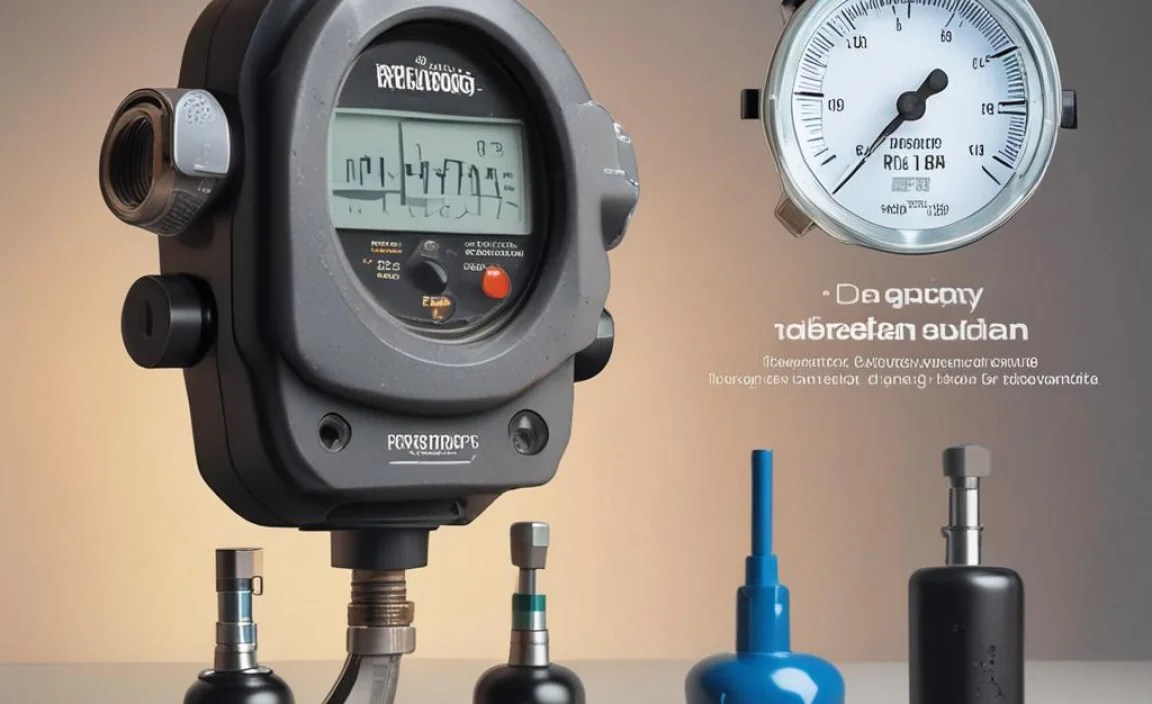
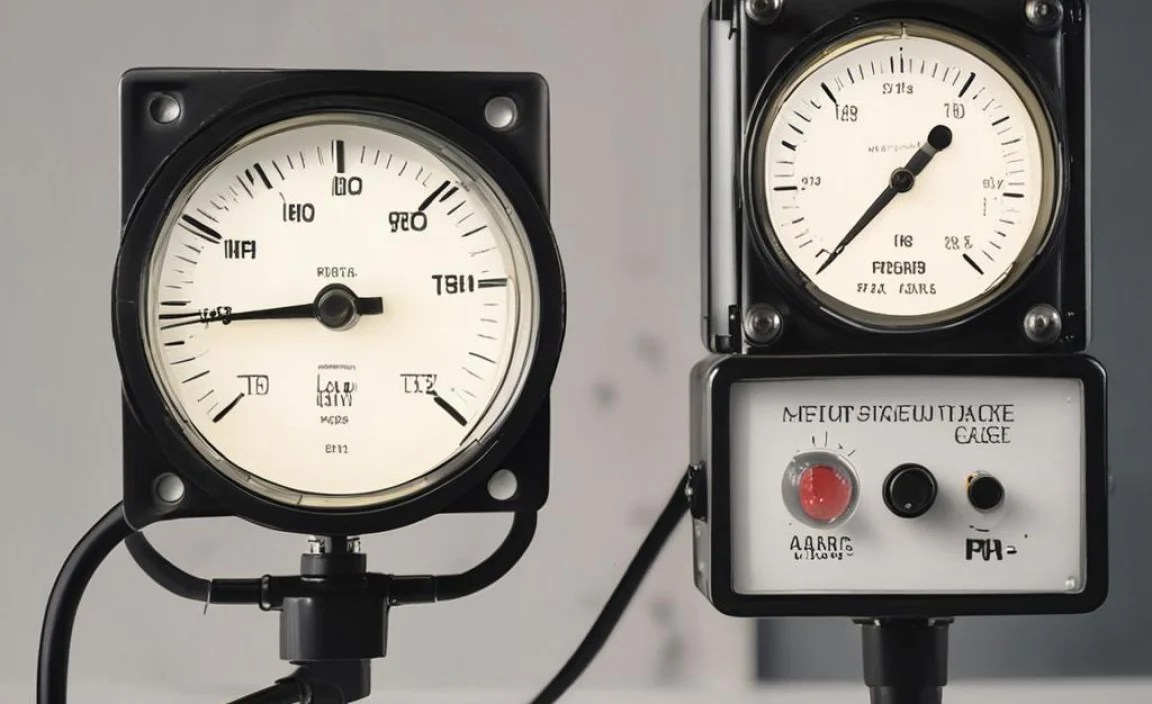
When it comes to bike pumps, the gauge is your window into accurate tire inflation. Different types of gauges offer varying levels of precision and features. Knowing the differences helps you choose a pump that meets your needs and budget. Let’s dive into the world of analog, digital, and “smart” pump gauges.
Analog Gauges: The Classic Choice
Analog gauges are the traditional type found on many bike pumps. They use a needle that moves along a scale to indicate pressure. These gauges are generally reliable and affordable.
How Analog Gauges Work
An analog gauge uses a mechanical system, typically a Bourdon tube or a diaphragm, that flexes in response to pressure. This movement is then translated to the needle, which points to the corresponding pressure on the scale.
Pros of Analog Gauges
- Affordability: Analog gauges are typically less expensive than digital options.
- Reliability: They are known for their durability and can withstand rough handling.
- No Batteries Required: Analog gauges operate mechanically, so you don’t need to worry about batteries.
- Easy to Read (Usually): In good lighting, the needle is easy to spot.
Cons of Analog Gauges
- Lower Precision: It can be difficult to get a precise reading, especially with smaller increments on the scale.
- Parallax Error: The angle at which you view the gauge can affect the reading.
- Durability Issues: Although generally reliable, the mechanical components can wear out over time.
- Harder to Read in Low Light: Reading the gauge in dim conditions can be challenging.
Digital Gauges: Precision at Your Fingertips
Digital gauges use electronic sensors to measure pressure and display the reading on a digital screen. They offer greater precision and additional features.
How Digital Gauges Work
Digital gauges use a pressure sensor that converts pressure into an electrical signal. This signal is then processed and displayed as a numerical value on the screen.
Pros of Digital Gauges
- High Precision: Digital gauges provide accurate readings, often to within 0.5 PSI.
- Easy to Read: The digital display is clear and easy to read, even in low light.
- Additional Features: Many digital gauges offer features like pressure presets, multiple units of measurement (PSI, bar, kPa), and automatic shut-off.
- Backlight: Most digital gauges have a backlight for better visibility.
Cons of Digital Gauges
- Higher Cost: Digital gauges are generally more expensive than analog gauges.
- Battery Dependency: They require batteries to operate, which need to be replaced periodically.
- Potential for Electronic Failure: Like all electronic devices, digital gauges are susceptible to failure due to moisture or impact.
“Smart” Gauges: The Future of Inflation
“Smart” gauges take tire inflation to the next level by incorporating advanced technology. These gauges often connect to smartphone apps and can automatically adjust inflation based on pre-set values or ride conditions.
How “Smart” Gauges Work
Smart gauges use sensors to measure pressure and connect to a smartphone app via Bluetooth. The app allows you to set target pressures, monitor inflation progress, and receive alerts when the desired pressure is reached. Some smart pumps can even adjust inflation automatically.
Pros of “Smart” Gauges
- Automatic Inflation: Some smart pumps can automatically inflate tires to the desired pressure.
- Smartphone Integration: The app provides a convenient way to monitor and control inflation.
- Pressure Presets: You can save preferred pressure settings for different tires and riding conditions.
- Data Logging: Some apps track your inflation history and provide insights into tire performance.
Cons of “Smart” Gauges
- High Cost: Smart gauges are the most expensive type of pump gauge.
- Complexity: Setting up and using the app can be more complicated than traditional gauges.
- Battery Dependency: They require batteries for both the gauge and the smartphone.
- App Compatibility: The app may not be compatible with all smartphones or operating systems.
Comparing Gauge Types: A Side-by-Side Look
To help you make an informed decision, here’s a table comparing the key features of analog, digital, and smart gauges:
| Feature | Analog Gauge | Digital Gauge | Smart Gauge |
|---|---|---|---|
| Cost | Low | Medium | High |
| Precision | Low | High | High |
| Ease of Use | Medium | High | Medium (after setup) |
| Additional Features | None | Pressure presets, multiple units | Automatic inflation, smartphone integration, data logging |
| Battery Required | No | Yes | Yes (gauge and smartphone) |
| Reliability | High | Medium | Medium |
Choosing the Right Gauge for You
The best type of pump gauge for you depends on your individual needs and preferences. Consider the following factors:
- Budget: How much are you willing to spend on a pump?
- Accuracy: How important is precise tire pressure?
- Ease of Use: Do you prefer a simple, straightforward gauge or one with advanced features?
- Technology Preference: Are you comfortable using a smartphone app to control your pump?
If you’re on a budget and prioritize reliability, an analog gauge is a good choice. If you want precise readings and don’t mind spending a bit more, a digital gauge is a great option. If you’re a tech enthusiast and want the convenience of automatic inflation and smartphone integration, a smart gauge is the way to go.
Maintaining Your Pump Gauge for Accuracy
Regardless of the type of gauge you choose, proper maintenance is essential for ensuring accuracy. Here are some tips:
- Store Your Pump Properly: Avoid exposing your pump to extreme temperatures or moisture.
- Check for Leaks: Regularly inspect the hose and connections for leaks, which can affect pressure readings.
- Calibrate Your Gauge: If you suspect your gauge is inaccurate, you can calibrate it using a separate pressure gauge or by comparing it to a known accurate source.
- Replace Worn Parts: Replace any worn or damaged parts, such as the hose, chuck, or seals.
Troubleshooting Common Gauge Problems
Even with proper maintenance, you may encounter problems with your pump gauge. Here are some common issues and how to troubleshoot them:
- Gauge Reads Zero: Check for leaks in the hose or connections. Make sure the chuck is properly attached to the valve.
- Gauge Reads Incorrectly: Calibrate the gauge or replace it if necessary.
- Digital Display is Blank: Replace the batteries.
- Smart Gauge Won’t Connect to App: Check Bluetooth settings, ensure the app is up to date, and try restarting the gauge and smartphone.
Step-by-Step: Calibrating an Analog Pump Gauge
If you think your analog gauge is off, here’s how to check and calibrate it:
- Gather Your Tools: You’ll need your pump, a known accurate pressure gauge (like a digital tire pressure gauge for cars), and a way to connect the accurate gauge to your pump’s chuck. Some pumps have calibration features, so check your manual.
- Connect the Gauges: Attach both your pump’s chuck and the accurate gauge to a tire or a test fitting. You might need an adapter to connect them properly.
- Inflate Slightly: Pump a small amount of air into the tire or fitting. This will give you a pressure reading on both gauges.
- Compare Readings: Note the pressure reading on both gauges. If they match, your pump’s gauge is accurate. If they differ, you’ll need to adjust your pump’s gauge.
- Calibrate (If Possible): Some analog gauges have a small adjustment screw on the back or side. Use a small screwdriver to adjust the needle until it matches the reading on the accurate gauge. If your gauge doesn’t have an adjustment screw, you may need to replace the entire gauge.
- Re-Check: Inflate and compare readings again to ensure your adjustment was correct. You may need to repeat steps 4 and 5 until the gauges match.
Tips for Accurate Tire Inflation
Here are some additional tips to help you achieve accurate tire inflation:
- Check Tire Pressure Regularly: Check your tire pressure before each ride, or at least once a week.
- Use a Consistent Gauge: Stick with the same gauge to minimize variations in readings.
- Inflate to the Recommended Pressure: Refer to the tire sidewall for the recommended pressure range.
- Consider Riding Conditions: Adjust tire pressure based on the terrain and weather conditions. Lower pressures provide better grip on rough terrain, while higher pressures reduce rolling resistance on smooth surfaces.
- Use a Quality Pump: Invest in a high-quality pump with an accurate gauge.
Understanding Pressure Units: PSI, Bar, and kPa
Bike pumps and tires often display pressure in different units: PSI (pounds per square inch), bar, and kPa (kilopascals). Here’s a quick conversion guide:
| Unit | Conversion |
|---|---|
| 1 PSI | 0.0689 bar |
| 1 PSI | 6.895 kPa |
| 1 bar | 14.504 PSI |
| 1 kPa | 0.145 PSI |
Most digital gauges allow you to switch between these units, making it easier to inflate your tires to the correct pressure.
The Importance of Correct Tire Pressure
Maintaining the correct tire pressure is crucial for optimal cycling performance, safety, and comfort. Here’s why:
- Rolling Resistance: Correct tire pressure reduces rolling resistance, making it easier to pedal and maintain speed.
- Grip: Proper inflation ensures optimal grip, especially on corners and in wet conditions.
- Comfort: Adjusting tire pressure can improve ride comfort by absorbing bumps and vibrations.
- Puncture Resistance: Under-inflated tires are more susceptible to pinch flats, while over-inflated tires can increase the risk of blowouts.
- Tire Wear: Correct inflation promotes even tire wear, extending the lifespan of your tires.
FAQs
Here are some frequently asked questions about pump gauge intelligence types:
Q: What is the most accurate type of pump gauge?
A: Digital gauges are generally the most accurate, providing precise readings to within 0.5 PSI.
Q: Are analog gauges reliable?
A: Yes, analog gauges are known for their reliability and durability. However, they may not be as precise as digital gauges.
Q: Do I need a smart gauge for my bike pump?
A: No, a smart gauge is not essential, but it can offer convenience and advanced features like automatic inflation and smartphone integration.
Q: How often should I calibrate my pump gauge?
A: You should calibrate your pump gauge if you suspect it’s inaccurate or if you notice inconsistent readings.
Q: Can I use a car tire pressure gauge on my bike?
A: Yes, you can use a car tire pressure gauge on your bike, but make sure it has a low enough pressure range for bike tires. Bike tires typically require much higher pressures than car tires.
Q: What is the ideal tire pressure for my bike?
A: The ideal tire pressure depends on the type of tire, your weight, and the riding conditions. Refer to the tire sidewall for the recommended pressure range and adjust accordingly.
Q: How do I convert between PSI and bar?
A: To convert from PSI to bar, divide the PSI value by 14.504. To convert from bar to PSI, multiply the bar value by 14.504.
Conclusion
Choosing the right pump gauge is a key step toward maintaining your bike’s tires and enjoying a smooth, efficient, and safe ride. Whether you opt for the simplicity of an analog gauge, the precision of a digital one, or the advanced features of a smart gauge, understanding the pros and cons of each type will help you make an informed decision. Remember to maintain your gauge, check your tire pressure regularly, and adjust it based on your riding conditions. With the right pump and a well-maintained gauge, you’ll be able to confidently inflate your tires to the perfect pressure every time, enhancing your cycling experience.


