
Ultimate Pump for Hybrid Bikes: Ride Easy!

Quick Summary: To properly inflate your hybrid bike tires, use a pump with a pressure gauge, ideally a floor pump for home and a mini pump for the road. Hybrid tires usually need 40-70 PSI. Connect the pump head securely to the valve (Presta or Schrader), inflate to the recommended pressure on the tire sidewall, and check the pressure with the gauge. Regular inflation ensures a smooth, safe ride.
Keeping your hybrid bike tires properly inflated is super important. Underinflated tires make it harder to pedal and increase the risk of flats. But don’t worry, choosing the right pump and inflating your tires is easier than you might think. This guide will walk you through everything you need to know to keep your hybrid bike tires in perfect shape. Get ready to roll smoothly and confidently!
Choosing the Right Pump for Your Hybrid Bike

Selecting the right pump is the first step toward hassle-free tire maintenance. Hybrid bikes often use either Schrader or Presta valves, so make sure your pump is compatible. Here’s a breakdown to help you decide.
Types of Bike Pumps
- Floor Pumps: These are great for home use because they offer more leverage and have built-in pressure gauges.
- Mini Pumps: Compact and portable, perfect for taking on rides.
- CO2 Inflators: Quick bursts of air for emergencies, but require CO2 cartridges.
Floor Pumps
Floor pumps are your best friend for home inflation. They stand on the ground, allowing you to use your body weight for leverage. Most come with a gauge, making it easy to reach the correct pressure.
- Pros:
- Easy to use
- Efficient inflation
- Accurate pressure readings
- Cons:
- Not portable
- More expensive than mini pumps
Mini Pumps
Mini pumps are small enough to carry in a backpack or mount on your bike frame. While they require more effort to use, they’re essential for on-the-go repairs.
- Pros:
- Highly portable
- Affordable
- Cons:
- Require more effort
- Gauges often less accurate or absent
CO2 Inflators
CO2 inflators use compressed carbon dioxide to quickly fill a tire. They’re great for emergencies but not as practical for regular use.
- Pros:
- Extremely fast inflation
- Compact and lightweight
- Cons:
- Requires purchasing CO2 cartridges
- Can be wasteful
- Easy to over-inflate
Valve Types: Schrader vs. Presta
Understanding valve types is crucial for pump compatibility. Hybrid bikes typically use Schrader or Presta valves.
- Schrader: The same type as car tires, wider and sturdier.
- Presta: Narrower, with a valve core that needs to be opened before inflation.
Most pumps come with adapters to fit both valve types. Check your bike’s valves to ensure your pump is compatible.
| Feature | Schrader Valve | Presta Valve |
|---|---|---|
| Appearance | Wider, like car tire valves | Narrower, with a locking nut |
| Durability | More durable | More fragile |
| Pressure Retention | Good | Excellent when properly tightened |
| Common Usage | Hybrid, mountain, and some road bikes | Road bikes and high-performance bikes |
Step-by-Step Guide to Inflating Your Hybrid Bike Tires

Now that you’ve chosen the right pump, let’s get those tires inflated! Follow these steps for both Schrader and Presta valves.
Inflating Schrader Valves
- Remove the Valve Cap: Unscrew the plastic or metal cap from the valve.
- Attach the Pump Head: Firmly press the pump head onto the valve. Make sure it’s snug to prevent air leaks.
- Lock the Pump Head: Most floor pumps have a lever to lock the head in place. Engage it.
- Inflate the Tire: Pump until you reach the recommended pressure (PSI) indicated on the tire sidewall.
- Remove the Pump Head: Unlock the lever and gently pull the pump head straight off the valve.
- Replace the Valve Cap: Screw the cap back on to protect the valve from dirt and debris.
Inflating Presta Valves
- Loosen the Valve Nut: Unscrew the small nut at the top of the valve. Press the valve tip to release a small amount of air, ensuring it’s not stuck.
- Attach the Pump Head: Press the pump head onto the valve. Some pump heads have a lever to tighten the fit.
- Lock the Pump Head: Engage the locking lever if your pump has one.
- Inflate the Tire: Pump until you reach the recommended pressure (PSI) on the tire sidewall.
- Remove the Pump Head: Unlock the lever and gently pull the pump head straight off.
- Tighten the Valve Nut: Screw the nut back down until it’s snug.
- Replace the Valve Cap: Screw the cap back on.
Checking Tire Pressure
Ensuring your tires are at the correct pressure is crucial for performance and safety. Here’s how to do it.
- Locate Recommended Pressure: Look for the PSI range printed on the tire sidewall.
- Use a Pressure Gauge: Most floor pumps have built-in gauges. Mini pumps may require a separate gauge.
- Inflate Accordingly: Adjust the pressure as needed to stay within the recommended range.
Maintaining Your Pump for Longevity
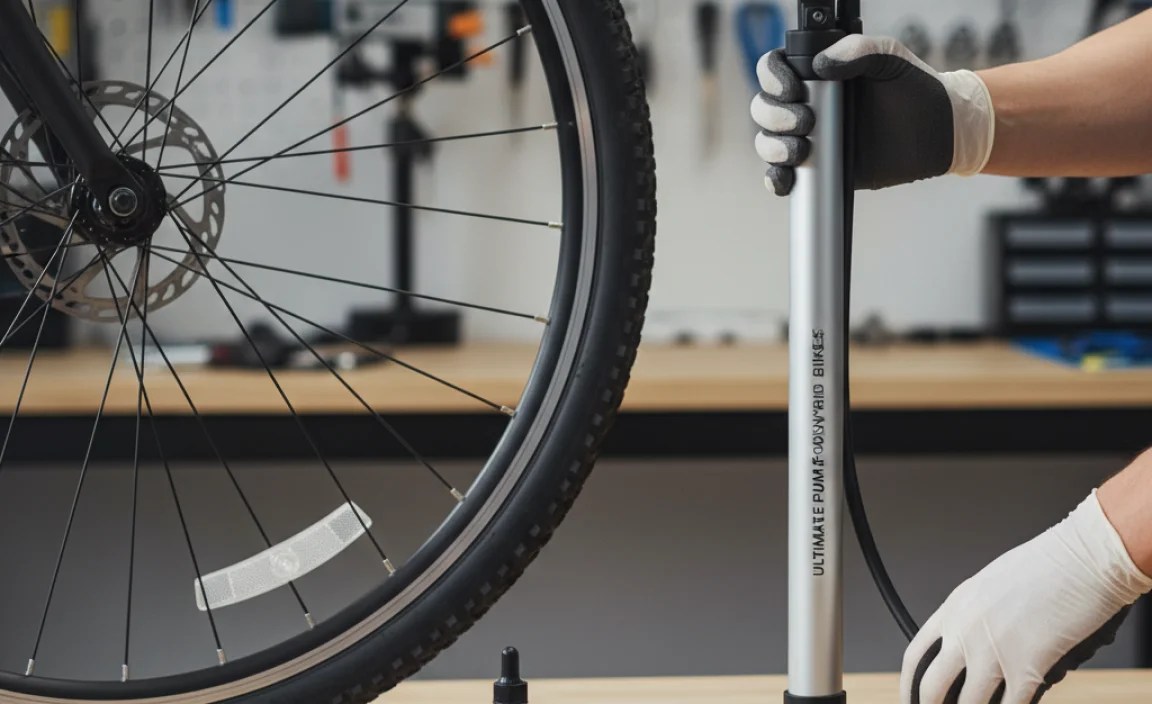
A well-maintained pump will last longer and perform better. Here are some tips to keep your pump in top condition.
- Clean the Pump Head: Regularly clean the pump head to remove dirt and debris that can cause leaks.
- Check for Leaks: Inspect the hose and connections for any signs of wear or leaks.
- Lubricate Moving Parts: Apply a small amount of lubricant to the piston and other moving parts to keep them working smoothly.
- Store Properly: Store your pump in a dry place to prevent rust and corrosion.
Troubleshooting Common Pumping Problems
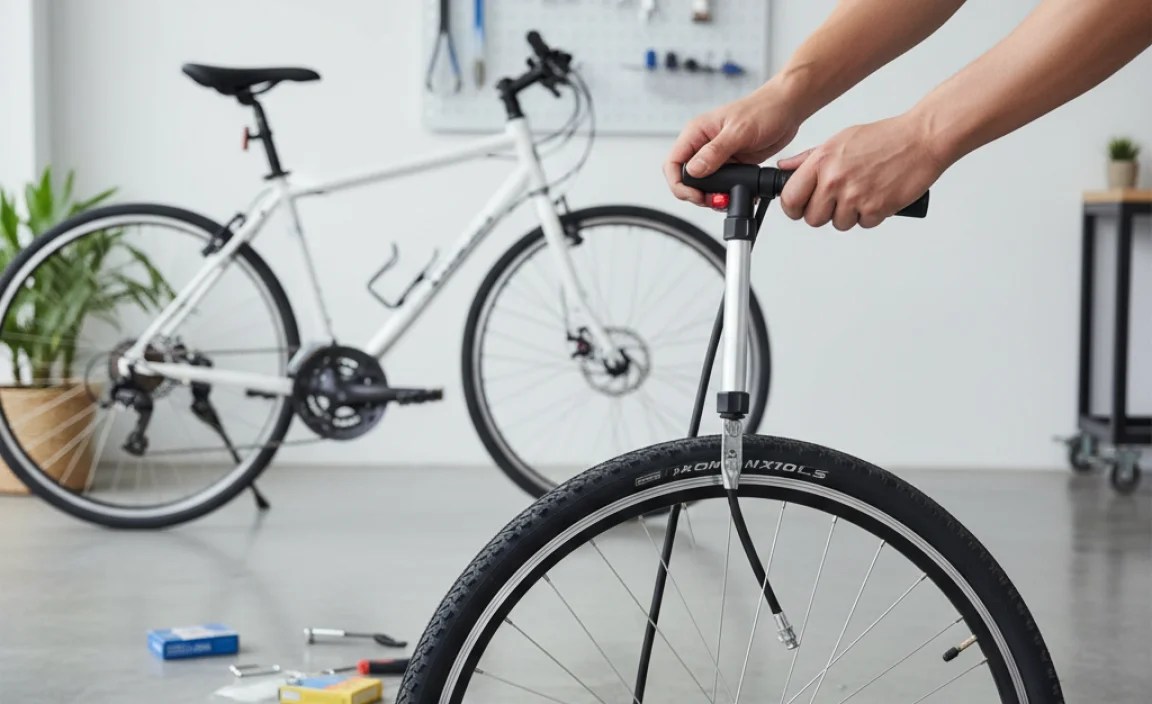
Even with the best equipment, you might encounter some issues. Here’s how to troubleshoot common problems.
Air Leaks
If you hear air leaking while pumping, check the following:
- Pump Head Connection: Ensure the pump head is securely attached to the valve.
- Valve Condition: Make sure the valve isn’t damaged or clogged.
- Hose Condition: Inspect the hose for cracks or holes.
Pump Not Building Pressure
If the pump isn’t building pressure, consider these factors:
- Piston Seal: The piston seal might be worn out and need replacement.
- Check Valve: The check valve might be stuck or damaged.
- Pump Body: Look for any cracks or damage to the pump body.
Difficulty Attaching Pump Head
If you’re having trouble attaching the pump head:
- Valve Type: Ensure the pump head is compatible with your valve type (Schrader or Presta).
- Adapter: Use the correct adapter if needed.
- Cleanliness: Clean the valve and pump head to remove any dirt or debris.
Recommended Tire Pressure for Hybrid Bikes

The ideal tire pressure for your hybrid bike depends on several factors, including tire size, rider weight, and riding conditions. Here’s a general guideline:
- Typical Range: Most hybrid bike tires perform well between 40-70 PSI.
- Check Tire Sidewall: Always refer to the recommended pressure range printed on your tire sidewall.
- Adjust for Weight: Heavier riders may need to inflate tires towards the higher end of the range.
- Consider Conditions: Lower pressure can provide better grip on rough or loose surfaces.
Here’s a table that summarizes the recommended tire pressure for hybrid bikes based on different factors:
| Factor | Recommended Tire Pressure (PSI) | Notes |
|---|---|---|
| Typical Hybrid Tire | 40-70 PSI | Check the tire sidewall for the specific range |
| Heavier Rider (Over 200 lbs) | 60-70 PSI | Inflate towards the higher end of the range |
| Lighter Rider (Under 150 lbs) | 40-50 PSI | Inflate towards the lower end of the range |
| Smooth Pavement | 60-70 PSI | Higher pressure for less rolling resistance |
| Rough or Loose Surfaces | 40-50 PSI | Lower pressure for better grip and comfort |
Essential Accessories for Tire Maintenance
Having the right accessories can make tire maintenance easier and more efficient.
- Tire Levers: For removing tires from the rim.
- Patch Kit: For repairing punctures on the road.
- Multi-Tool: A compact tool with various wrenches and screwdrivers.
- Pressure Gauge: A standalone gauge for accurate pressure readings.
FAQ: Common Questions About Hybrid Bike Tire Inflation
What PSI should my hybrid bike tires be?
Most hybrid bike tires should be inflated to between 40 and 70 PSI. Always check the tire sidewall for the manufacturer’s recommended range.
How often should I inflate my hybrid bike tires?
Ideally, you should inflate your tires before each ride. At a minimum, check and inflate them at least once a week.
Can I use a car tire pump on my hybrid bike?
Yes, if your bike has Schrader valves. However, car tire pumps can be powerful, so use short bursts and check the pressure frequently to avoid over-inflation.
What’s the difference between Schrader and Presta valves?
Schrader valves are wider and similar to car tire valves. Presta valves are narrower and have a locking nut at the top that needs to be loosened before inflation.
Why do my tires lose air over time?
Tires naturally lose air due to the permeability of the rubber and small leaks around the valve. Regular inflation helps maintain optimal pressure.
What should I do if I get a flat tire on the road?
Carry a mini pump, tire levers, and a patch kit. Use the tire levers to remove the tire, patch the tube, and re-inflate the tire with the mini pump.
Is it better to slightly over-inflate or under-inflate my tires?
It’s generally better to slightly over-inflate than under-inflate. Under-inflated tires can lead to pinch flats and increased rolling resistance. However, never exceed the maximum pressure listed on the tire sidewall. You can also use online tire pressure calculators like this one from SRAM to help you determine the best pressure.
Conclusion
Keeping your hybrid bike tires properly inflated is essential for a smooth, safe, and enjoyable ride. By choosing the right pump, understanding valve types, and following a regular maintenance routine, you can ensure your tires are always in top condition. Whether you’re commuting to work or enjoying a weekend adventure, properly inflated tires will enhance your cycling experience. So grab your pump, check those tires, and get ready to roll!


