
Easy: How to Prime a Hand Pump (Water Hand Pump Version)

How to Prime a Hand Pump (Water Hand Pump Version)
Quick Summary: Priming a hand pump means filling the pump cylinder and intake pipe with water to create suction. To prime, first, check the pump for any blockages. Pour water into the pump until it’s full. Then, operate the handle to create suction. Repeat until water flows freely. This process is crucial for the pump to draw water efficiently from the source.
Ever tried using a hand pump and got nothing but air? It’s a common frustration! Hand pumps rely on suction to draw water, and air in the system can stop them from working. The good news is, “priming” the pump is a simple fix. It just means getting water into the pump and pipes to get that suction going.
In this guide, I’ll walk you through the steps to prime your hand pump quickly and easily. We’ll cover everything from identifying the parts of your pump to troubleshooting common issues. Let’s get your water flowing!
Understanding Your Hand Pump
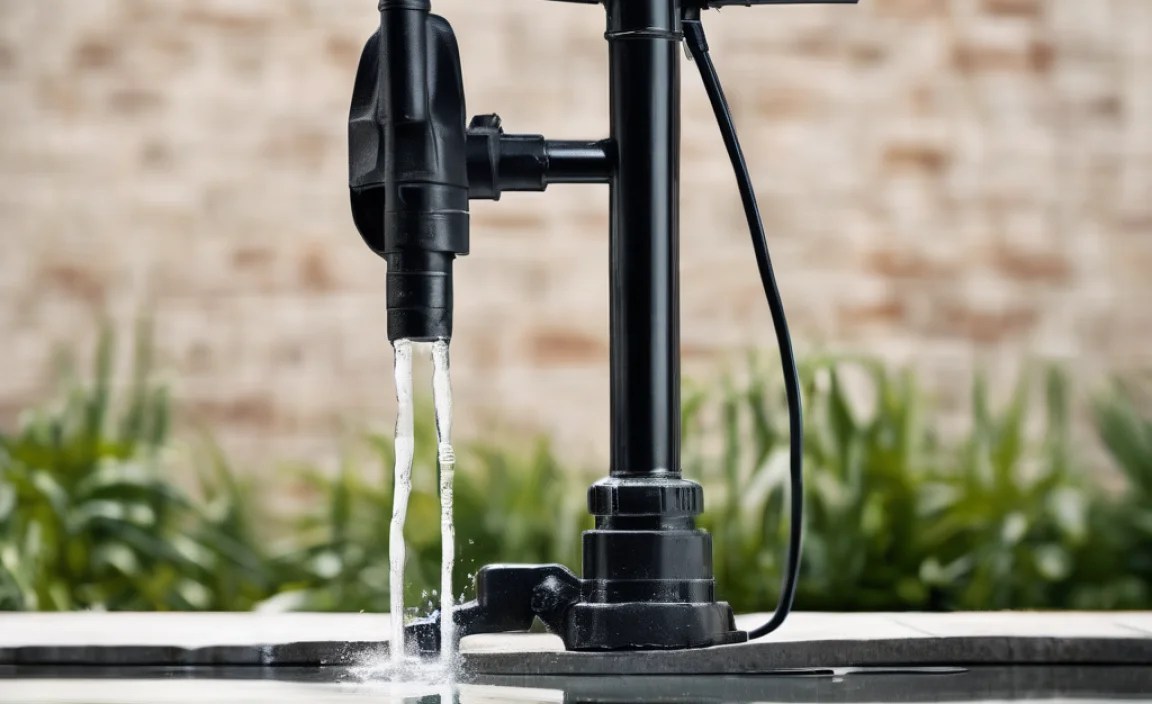
Before diving into the priming process, let’s get familiar with the basic parts of a hand pump. Knowing these components will help you understand how the priming process works.
Key Components of a Hand Pump
- Pump Cylinder: This is the main chamber where water is drawn and pushed.
- Piston: A moving part inside the cylinder that creates suction.
- Intake Pipe: The pipe that goes down into the water source.
- Foot Valve (Check Valve): Located at the bottom of the intake pipe, it prevents water from flowing back into the well.
- Pump Handle: The lever you use to operate the piston.
- Spout: Where the water comes out.
Why Priming is Necessary
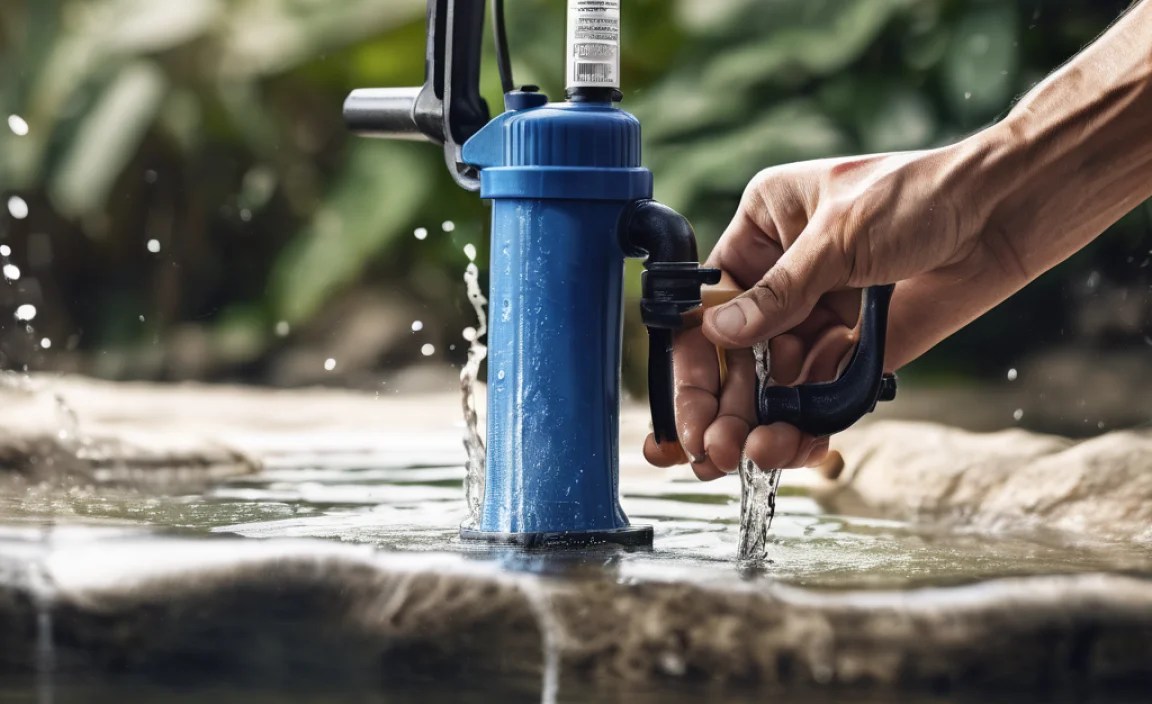
Hand pumps work by creating a vacuum. When you pull the handle, the piston moves up, creating a low-pressure area in the cylinder. This vacuum sucks water up the intake pipe. If there’s air in the cylinder or intake pipe, the pump can’t create enough suction to draw water. Priming fills these spaces with water, allowing the pump to work correctly.
Step-by-Step Guide to Priming Your Hand Pump

Follow these steps to prime your hand pump and get the water flowing.
Step 1: Check for Obstructions
Before you start priming, make sure there are no blockages in the pump or intake pipe. Debris can prevent the pump from working, even after priming.
- Inspect the Spout: Look for any visible obstructions like leaves, dirt, or small rocks.
- Check the Intake Pipe: If possible, visually inspect the top of the intake pipe. If you suspect a blockage deeper down, you may need to disconnect the pipe and flush it out.
Step 2: Prepare Water for Priming
You’ll need a source of clean water to prime the pump. A bucket or hose works well. Make sure the water is free of debris that could clog the pump.
Step 3: Locate the Priming Port (If Applicable)
Some hand pumps have a designated priming port – a small opening or plug near the top of the pump cylinder. If your pump has one, this is where you’ll pour the water.
If your pump doesn’t have a priming port, you can usually pour water directly into the top of the pump cylinder after removing a cap or cover.
Step 4: Pour Water into the Pump
Slowly pour water into the pump until the cylinder is full. If you’re using a priming port, fill it until water starts to overflow. If you’re pouring directly into the cylinder, fill it to the top.
Tip: Pour the water slowly to allow any trapped air to escape.
Step 5: Operate the Pump Handle
Begin operating the pump handle with slow, steady strokes. This will start to create suction and draw water up the intake pipe. You may hear gurgling or sputtering as air escapes.
Step 6: Repeat Priming as Needed
Continue pumping until water flows freely from the spout. If the water stops flowing or you only get air, repeat steps 4 and 5. It may take several attempts to fully prime the pump, especially if the intake pipe is long or the foot valve isn’t working perfectly.
Step 7: Check the Foot Valve (If Problems Persist)
If you’re still having trouble priming the pump, the foot valve at the bottom of the intake pipe may be faulty. The foot valve is designed to keep water from flowing back down the pipe when the pump isn’t in use. If it’s not sealing properly, water will drain out, and you’ll have to re-prime the pump every time you use it.
To check the foot valve, you may need to disconnect the intake pipe and inspect the valve. If it’s damaged or clogged, you may need to repair or replace it.
Safety First: Always turn off the water supply and disconnect the pump before attempting any repairs.
Troubleshooting Common Priming Problems
Sometimes, priming a hand pump isn’t as straightforward as it seems. Here are some common problems and how to fix them.
Problem 1: Pump Won’t Hold Prime
Cause: A common reason for this is a leaky foot valve. The foot valve is supposed to prevent water from flowing back into the well when the pump isn’t in use. If it’s not sealing properly, the water drains out, and you have to re-prime the pump every time.
Solution: Inspect the foot valve and replace it if necessary. Also, check for leaks in the intake pipe or pump cylinder.
Problem 2: Weak Suction
Cause: Weak suction can be caused by air leaks in the pump or intake pipe. Even a small leak can prevent the pump from creating enough vacuum to draw water.
Solution: Check all connections and fittings for tightness. Use Teflon tape or pipe sealant to seal any leaks.
Problem 3: Blocked Intake Pipe
Cause: Debris in the water source can clog the intake pipe, preventing water from reaching the pump.
Solution: Disconnect the intake pipe and flush it out with water. You may need to use a long, flexible brush to remove stubborn blockages. Installing a screen or filter on the intake pipe can help prevent future blockages.
Problem 4: Air in the System
Cause: Air can enter the system through loose fittings, cracks in the pipes, or a faulty pump seal.
Solution: Tighten all fittings and replace any damaged pipes or seals. Make sure the pump cylinder is properly sealed.
Problem 5: Pump is Old or Worn
Cause: Over time, the internal components of a hand pump can wear out, reducing its efficiency and making it difficult to prime.
Solution: Inspect the pump cylinder, piston, and seals for wear and tear. Replace any worn parts or consider replacing the entire pump if necessary.
Tips for Maintaining Your Hand Pump
Regular maintenance can help prevent priming problems and extend the life of your hand pump.
- Regularly Inspect: Check the pump and intake pipe for leaks, cracks, and corrosion.
- Keep it Clean: Clean the pump and surrounding area to prevent debris from entering the system.
- Lubricate Moving Parts: Apply a small amount of food-grade lubricant to the piston and other moving parts to keep them working smoothly.
- Protect from Freezing: In cold climates, protect the pump from freezing by insulating it or draining the water from the system.
Table: Common Hand Pump Problems and Solutions
| Problem | Possible Cause | Solution |
|---|---|---|
| Pump won’t prime | Air leak in the system | Check fittings and seals; tighten or replace as needed |
| Weak suction | Blocked intake pipe | Disconnect and flush out the intake pipe |
| Pump loses prime quickly | Faulty foot valve | Inspect and replace the foot valve |
| Water is dirty | Debris in the water source | Install a filter on the intake pipe |
| Pump is hard to operate | Lack of lubrication | Lubricate moving parts with food-grade lubricant |
Table: Tools for Hand Pump Maintenance
| Tool | Purpose |
|---|---|
| Wrench set | Tightening and loosening fittings |
| Screwdriver set | Removing and installing screws |
| Teflon tape | Sealing pipe threads |
| Pipe sealant | Sealing pipe connections |
| Long, flexible brush | Cleaning the intake pipe |
| Food-grade lubricant | Lubricating moving parts |
Choosing the Right Hand Pump
If you’re in the market for a new hand pump, consider these factors:
- Water Source: The depth and type of your water source will determine the type of pump you need.
- Pumping Capacity: Consider how much water you need and choose a pump with the appropriate capacity.
- Durability: Look for a pump made from high-quality materials that can withstand the elements.
- Ease of Maintenance: Choose a pump that is easy to maintain and repair.
Hand Pump vs. Electric Pump
While electric pumps offer convenience, hand pumps have their own advantages:
Hand Pump Pros:
- Reliability: Hand pumps don’t rely on electricity, making them ideal for off-grid situations or during power outages.
- Low Cost: Hand pumps are generally less expensive than electric pumps.
- Simple to Maintain: Hand pumps have fewer moving parts, making them easier to maintain and repair.
Electric Pump Pros:
- Convenience: Electric pumps provide a continuous flow of water with the flip of a switch.
- Higher Capacity: Electric pumps can deliver larger volumes of water than hand pumps.
- Automated Operation: Some electric pumps can be automated with pressure switches and timers.
FAQ: Priming Hand Pumps
Q: How often do I need to prime my hand pump?
A: It depends. If your pump and foot valve are in good condition, you may only need to prime it once after installation. If the foot valve leaks, you might need to prime it every time you use it.
Q: Can I use any type of water to prime my pump?
A: It’s best to use clean water that is free of debris. Dirty water can clog the pump and cause other problems.
Q: What if my pump still won’t prime after several attempts?
A: Check for air leaks, blockages, and a faulty foot valve. If you can’t find the problem, consult a professional.
Q: How do I know if my foot valve is bad?
A: If your pump loses prime quickly, or if water drains back into the well when you stop pumping, the foot valve is likely bad.
Q: Can I prime my pump with a hose?
A: Yes, if your pump has a fitting that allows you to connect a hose, you can use it to prime the pump.
Q: Is it normal for a new hand pump to require priming?
A: Yes, it’s normal for a new hand pump to require priming before its first use. This ensures that the cylinder and intake pipe are filled with water.
Q: What type of lubricant should I use on my hand pump?
A: Use a food-grade lubricant to ensure that the water remains safe to drink.
Conclusion
Priming a hand pump is a fundamental skill for anyone relying on this simple yet effective water-drawing method. By understanding the mechanics of your pump and following these steps, you can quickly restore its function and access the water you need. Remember to regularly maintain your pump to prevent issues and ensure long-lasting performance. With a little care, your hand pump will continue to provide a reliable source of water for years to come. Keep pumping!


