
How to Inflate Presta Valve with Mini Hand Pump: Easy Guide

Quick Summary: Inflating a Presta valve with a mini hand pump is easy once you know the steps. First, unscrew the valve nut. Then, firmly press the pump head onto the valve. Flip the pump’s lever to lock it in place. Start pumping until you reach your desired tire pressure. Finally, unlock the lever, remove the pump head, and tighten the valve nut.
Have you ever been ready for a bike ride, only to find your tires are flat? It’s a common problem, especially with Presta valves, which can seem a bit tricky at first. Don’t worry! Inflating a Presta valve with a mini hand pump doesn’t have to be a hassle. This guide will break down each step, so you can quickly get back on the road or trail. We’ll cover everything from prepping the valve to getting the right pressure, ensuring a smooth and enjoyable ride every time. Ready to pump it up? Let’s get started!
Understanding Presta Valves

Presta valves, also known as French valves, are commonly found on road bikes, high-performance bikes, and some mountain bikes. They’re narrower than Schrader valves (the type you see on car tires) and are designed to handle higher pressures. Understanding their unique design is key to inflating them correctly.
Key Differences Between Presta and Schrader Valves
Knowing the differences will help you choose the right pump and avoid any confusion.
- Width: Presta valves are narrower than Schrader valves.
- Pressure: Presta valves are designed for higher pressures.
- Mechanism: Presta valves have a valve nut that needs to be unscrewed before inflation, while Schrader valves have a spring-loaded core.
Why Choose Presta Valves?
Presta valves offer several advantages for cyclists:
- Higher Pressure: They can handle higher tire pressures, which is essential for road bikes.
- Lighter Weight: Their narrower design contributes to a slightly lighter wheel.
- Aesthetic: Many cyclists prefer the sleek look of Presta valves.
Essential Tools for Inflating a Presta Valve

Before you start, make sure you have the right tools. Here’s what you’ll need:
- Mini Hand Pump: Choose one that’s compatible with Presta valves. Some pumps have a switch or reversible parts to accommodate both Presta and Schrader valves.
- Presta Valve Adapter (Optional): If your pump isn’t Presta-specific, you might need an adapter.
- Rag or Cloth: To keep your hands clean.
Step-by-Step Guide: Inflating a Presta Valve with a Mini Hand Pump
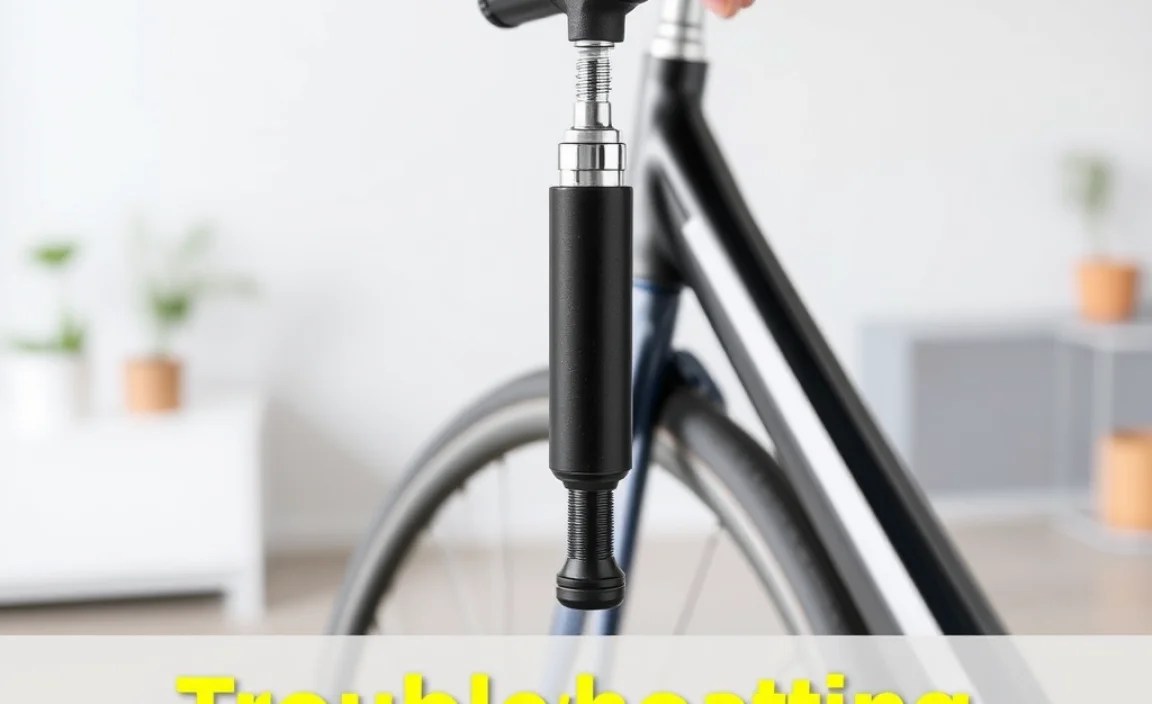
Follow these steps for a hassle-free inflation process.
Step 1: Prepare the Valve
First, locate the Presta valve on your bike tire. It will have a small nut at the top. Unscrew this nut by turning it counter-clockwise. Don’t remove the nut completely; just loosen it enough to allow air to flow.
Pro Tip: After unscrewing the nut, gently push down on the valve to ensure it’s not stuck. This helps to release any remaining pressure and prepares the valve for inflation.
Step 2: Attach the Mini Hand Pump
Next, firmly press the head of your mini hand pump onto the Presta valve. Make sure it’s a snug fit to prevent air leakage. Some pumps have a lever that you need to flip to lock the pump head in place. If yours does, flip the lever now.
Pro Tip: If you’re having trouble getting a good seal, try moistening the pump head slightly. This can help create a tighter connection and prevent air from escaping.
Step 3: Inflate the Tire
Now, start pumping. Use smooth, consistent strokes. Keep an eye on your tire pressure. Most tires have a recommended pressure range printed on the sidewall (e.g., “80-130 PSI”).
Pro Tip: Use your body weight to help you pump. Lean over the pump and use your core muscles for added leverage. This will make pumping easier, especially at higher pressures.
Step 4: Check the Tire Pressure
Periodically check the tire pressure using a built-in gauge on your pump (if it has one) or a separate tire pressure gauge. Ensure you’re within the recommended range.
Pro Tip: If your pump doesn’t have a gauge, you can still get a sense of the pressure by squeezing the tire. It should feel firm but not rock hard. When in doubt, it’s better to slightly under-inflate than over-inflate.
Step 5: Detach the Pump and Secure the Valve
Once you’ve reached the desired pressure, flip the lever on the pump head (if applicable) to unlock it. Carefully remove the pump head from the valve. Finally, tighten the valve nut by turning it clockwise until it’s snug. This prevents air from leaking out.
Pro Tip: After tightening the valve nut, give the tire a quick spin and listen for any hissing sounds. If you hear air leaking, tighten the nut a bit more. If the leak persists, double-check that the pump head was properly sealed during inflation.
Troubleshooting Common Issues
Sometimes, things don’t go as planned. Here’s how to handle some common issues.
Problem: Air Leaking While Pumping
Solution: Ensure the pump head is securely attached to the valve. Try moistening the pump head or adjusting its position. Also, check if the valve core is properly tightened.
Problem: Pump Won’t Attach to the Valve
Solution: Make sure your pump is compatible with Presta valves. Some pumps require an adapter. Also, ensure the valve nut is sufficiently loosened.
Problem: Can’t Reach Desired Pressure
Solution: Check for leaks around the pump head and valve. Use your body weight to help you pump. If the pump is old, it might be time for a replacement.
Choosing the Right Mini Hand Pump
With so many options available, selecting the right mini hand pump can be overwhelming. Here’s what to consider:
Factors to Consider
- Compatibility: Ensure the pump is compatible with Presta valves (or comes with an adapter).
- Pressure: Check the maximum pressure the pump can handle (PSI).
- Size and Weight: Consider the pump’s size and weight for portability.
- Gauge: A built-in pressure gauge can be very helpful.
- Durability: Look for a pump made from sturdy materials like aluminum.
Recommended Mini Hand Pumps
Here are a few popular and reliable mini hand pumps:
- Lezyne Road Drive: Known for its high efficiency and durable construction.
- Topeak Mini Morph: Features a fold-out footpad for easier pumping.
- Crankbrothers Sterling: Compact and lightweight with a reversible Presta/Schrader head.
Maintaining Your Presta Valves and Mini Hand Pump
Proper maintenance will extend the life of your valves and pump.
Valve Maintenance
- Regular Cleaning: Keep the valves clean by wiping them with a cloth.
- Check for Damage: Inspect the valves for any signs of damage, such as cracks or bends.
- Tighten Valve Nut: Ensure the valve nut is always snug to prevent leaks.
Pump Maintenance
- Clean the Pump Head: Regularly clean the pump head to remove dirt and debris.
- Lubricate Moving Parts: Apply a small amount of lubricant to the pump’s moving parts to keep it working smoothly.
- Store Properly: Store the pump in a dry place to prevent rust and corrosion.
Table: Comparison of Mini Hand Pumps
| Pump Model | Max Pressure (PSI) | Weight | Features | Price Range |
|---|---|---|---|---|
| Lezyne Road Drive | 160 | 96g | High efficiency, durable | $50-$70 |
| Topeak Mini Morph | 160 | 170g | Fold-out footpad | $40-$60 |
| Crankbrothers Sterling | 100 | 79g | Compact, reversible head | $30-$50 |
Table: Troubleshooting Guide for Presta Valve Inflation
| Problem | Possible Cause | Solution |
|---|---|---|
| Air leaking while pumping | Poor seal between pump head and valve | Ensure pump head is securely attached; moisten pump head |
| Pump won’t attach to valve | Pump incompatibility | Use Presta-specific pump or adapter |
| Can’t reach desired pressure | Leaks, weak pump | Check for leaks; use body weight; consider pump replacement |
| Valve nut stuck | Corrosion or overtightening | Use pliers gently; apply lubricant; replace valve |
The Importance of Correct Tire Pressure
Maintaining the correct tire pressure is crucial for a safe and enjoyable ride. Here’s why:
- Performance: Proper inflation reduces rolling resistance, making you faster.
- Comfort: Correct pressure provides a smoother, more comfortable ride.
- Safety: Under-inflated tires can lead to pinch flats, while over-inflated tires can burst.
- Tire Life: Maintaining the right pressure extends the life of your tires.
Advanced Tips and Tricks
Ready to take your Presta valve inflation skills to the next level? Here are some advanced tips:
- Use a Floor Pump at Home: While mini hand pumps are great for on-the-go inflation, a floor pump is more efficient for regular maintenance at home.
- Consider a CO2 Inflator: For quick inflation during a ride, a CO2 inflator can be a lifesaver.
- Learn to Feel the Pressure: With practice, you can develop a sense of the correct tire pressure by squeezing the tire.
- Carry Spare Tubes: Always carry spare tubes and tire levers in case of a flat tire.
FAQ: Inflating Presta Valves with Mini Hand Pumps
What is a Presta valve?
A Presta valve is a narrow type of valve commonly found on road bikes and high-performance bicycles. It has a valve nut at the top that needs to be unscrewed before inflation.
Can I use a Schrader pump on a Presta valve?
Not directly. You’ll need a Presta-to-Schrader adapter, which screws onto the Presta valve, allowing you to use a Schrader pump.
How do I know the correct tire pressure?
The recommended tire pressure range is usually printed on the sidewall of your tire. Use a tire pressure gauge to ensure you’re within this range.
Why is air leaking when I try to pump?
This usually means the pump head isn’t properly sealed to the valve. Make sure it’s firmly attached and try moistening the pump head.
What if the valve nut is stuck?
Try using pliers gently to loosen the nut. If it’s corroded, apply a bit of lubricant. If it’s still stuck, you may need to replace the valve.
How often should I inflate my tires?
It’s a good idea to check and inflate your tires before every ride, as they can lose pressure over time.
What’s the best way to store my mini hand pump?
Store your pump in a dry place to prevent rust and corrosion. Clean the pump head regularly to remove dirt and debris.
External Resources
For more in-depth information, check out these resources:
- Park Tool – Tire and Tube Removal and Installation
- Bicycling Magazine – How to Fix a Flat Tire
- REI – Bike Tires: How to Choose
Conclusion
Inflating a Presta valve with a mini hand pump might seem daunting at first, but with a little practice, it becomes second nature. By understanding the valve type, having the right tools, and following the steps outlined in this guide, you’ll be able to maintain your bike tires with confidence. Remember to check your tire pressure regularly and keep your equipment in good condition. Happy riding!


